Emirates Winter Booking Momentum Grows Amid Fleet Expansion

Aviation News Editor & Industry AnalystAviation News Editor & Industry Analyst delivering clear coverage for a worldwide audience.
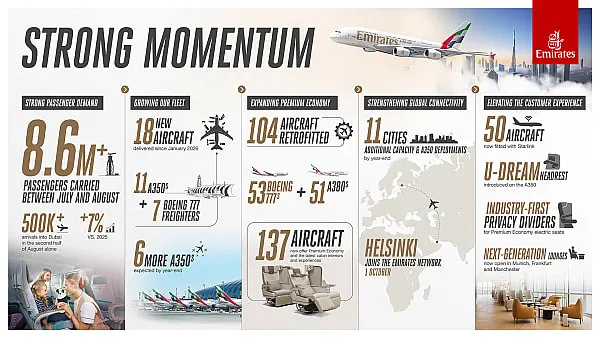
Emirates carried 8.6 million passengers this summer and enters winter with strong demand as it accelerates fleet retrofits and network growth.
Key Takeaways
- •Emirates carried over 8.6 million passengers during July and August 2026.
- •104 aircraft have completed the retrofit program to include Premium Economy.
- •18 new aircraft were delivered to Emirates since January 2026.
- •Emirates and flydubai have carried 28 million passengers since 2017.
Strong Summer Performance and Winter Outlook
Emirates winter booking momentum continues to build as the airline reports a successful summer season that exceeded initial expectations. According to the official press release, the carrier transported more than 8.6 million passengers between July and August 2026. This performance underscores robust demand despite a global industry trend where customers are increasingly booking travel closer to their departure dates. In late August alone, passenger arrivals into Dubai on Emirates flights increased by 7% compared to the same period in 2025.
Operational Capacity and Network Strategy
Emirates is currently operating at approximately 93% of its pre-disruption capacity, maintaining seat load factors well above 75% across major markets in West Asia, Europe, the Middle East, the Americas, and Africa. The airline’s strategic partnership with flydubai continues to serve as a critical component of its hub strategy. Since the inception of the partnership in 2017, the two carriers have collectively transported more than 28 million passengers, offering integrated connectivity to over 214 unique destinations worldwide.
Fleet Modernization and Product Rollout
Central to the airline's competitive strategy is an aggressive Emirates fleet retrofit program. To date, 104 aircraft have completed the interior upgrade process, including 53 Boeing 777s and 51 Airbus A380s. This effort has expanded the availability of the airline's Premium Economy cabin, which is now featured on 137 aircraft. By the end of December 2026, that figure is projected to reach 155 aircraft.
Since January 2026, the airline has taken delivery of 18 new aircraft, comprising 11 Airbus A350s and seven Boeing 777 Freighters. A further six A350s are scheduled for delivery before the end of the year. These aircraft are key to the carrier's network expansion, with Helsinki set to join the network on October 1, 2026, utilizing the A350.
Cabin Innovation and Technical Enhancements
Emirates has prioritized passenger comfort through the introduction of the U-dream headrest in Economy Class. This ergonomic innovation, which is also integrated into the industry’s first Premium Economy seats featuring privacy dividers, has been independently verified to meet the safety standards of the European Union Aviation Safety Agency (EASA). Furthermore, the airline is accelerating its high-speed inflight connectivity rollout, with nearly 50 aircraft now equipped with Starlink technology.
Technical Analysis: The A350 Integration
The deployment of the A350 is a defining element of Emirates' current growth trajectory. Unlike the historical reliance on the A380 for high-density hub-to-hub routes, the A350 allows the airline to maintain high-frequency service to secondary markets like Larnaca, Malta, Nairobi, and Hamburg. This shift follows a pattern observed in the 2022–2023 period, where airlines utilized fleet renewal to recover capacity. While the International Air Transport Association (IATA) has noted that regional geopolitical disruptions have impacted aggregate Middle Eastern traffic, Emirates’ ability to sustain load factors above 75% suggests a successful decoupling of its hub performance from localized regional volatility.
What Comes Next: The Year-End Milestones
Emirates is tracking several key milestones for the remainder of 2026. The Helsinki route launch on October 1 will be followed by the deployment of A350 aircraft to Larnaca, Malta, Nairobi, and Hamburg in late October. By the end of December, the airline expects to complete its current retrofit phase, bringing the total number of aircraft equipped with Premium Economy to 155. Additionally, the flydubai partnership continues to expand, with new services to Pokhara, Nepal, scheduled for September 2026.
Why This Matters for the Industry
For the broader aviation industry, Emirates' performance signals that premium demand remains resilient despite a shift in consumer booking patterns. The aggressive retrofit schedule and the introduction of the U-dream headrest demonstrate a focus on high-margin cabin segments. This strategy positions the airline to capitalize on the recovery of long-haul travel while simultaneously reinforcing Dubai's role as a primary global connecting hub.
Frequently Asked Questions
- What is the status of the Emirates Premium Economy rollout?
- As of September 2026, 104 aircraft have been retrofitted, with 137 aircraft now offering Premium Economy. The airline expects this number to increase to 155 aircraft by the end of December 2026.
- How many passengers have used the combined Emirates and flydubai network?
- Since the partnership launched in 2017, the two airlines have carried more than 28 million passengers across their integrated network.
For global airline trends and commercial aviation news, turn to omniflights.com. From aircraft production to supply chains, commercial aviation manufacturing news is covered at omniflights.com/manufacturing.
Written by Ujjwal Sukhwani
Aviation News Editor & Industry Analyst delivering clear coverage for a worldwide audience. Covers flight operations, safety regulations, and market trends with expert analysis.
Visit ProfileYou Might Also Like
Discover more aviation news based on similar topics
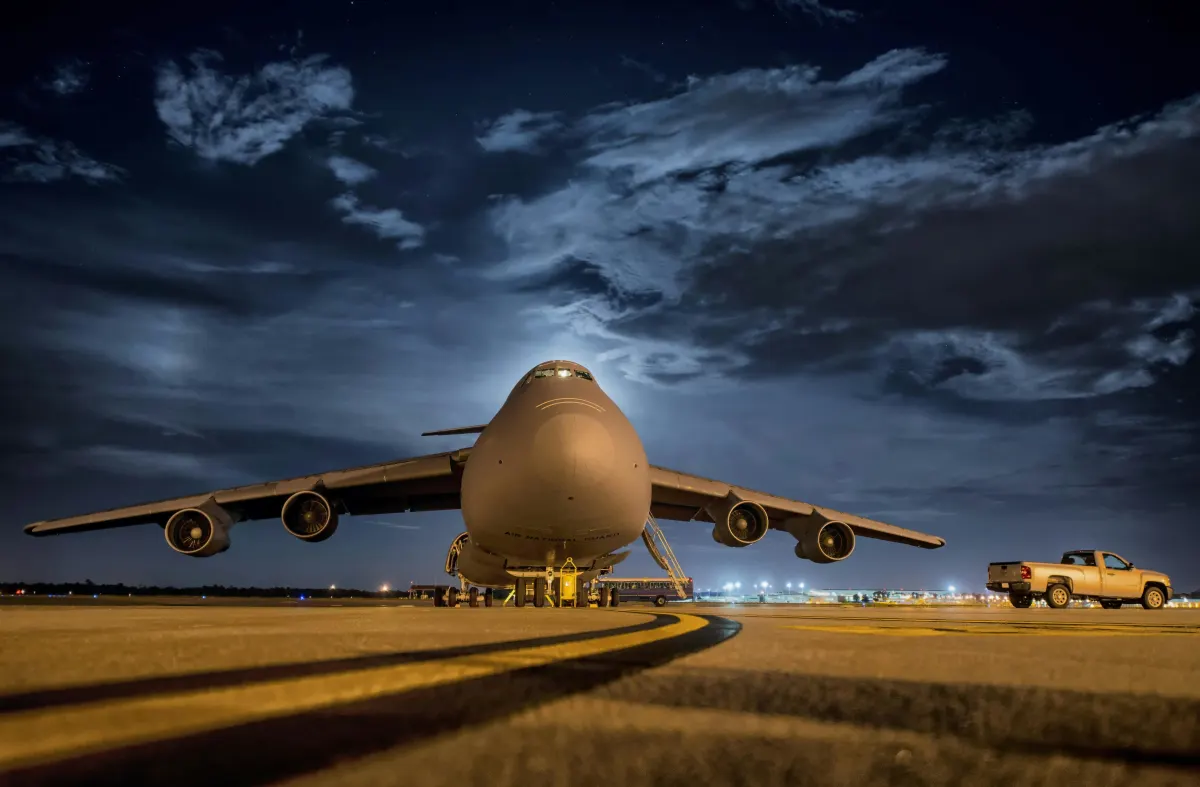
Air Arabia Consortium Gains AOC for New Dammam Budget Airline
A Saudi GACA-led consortium including Air Arabia has secured an AOC to launch a new budget airline based at Dammam's King Fahd International Airport.
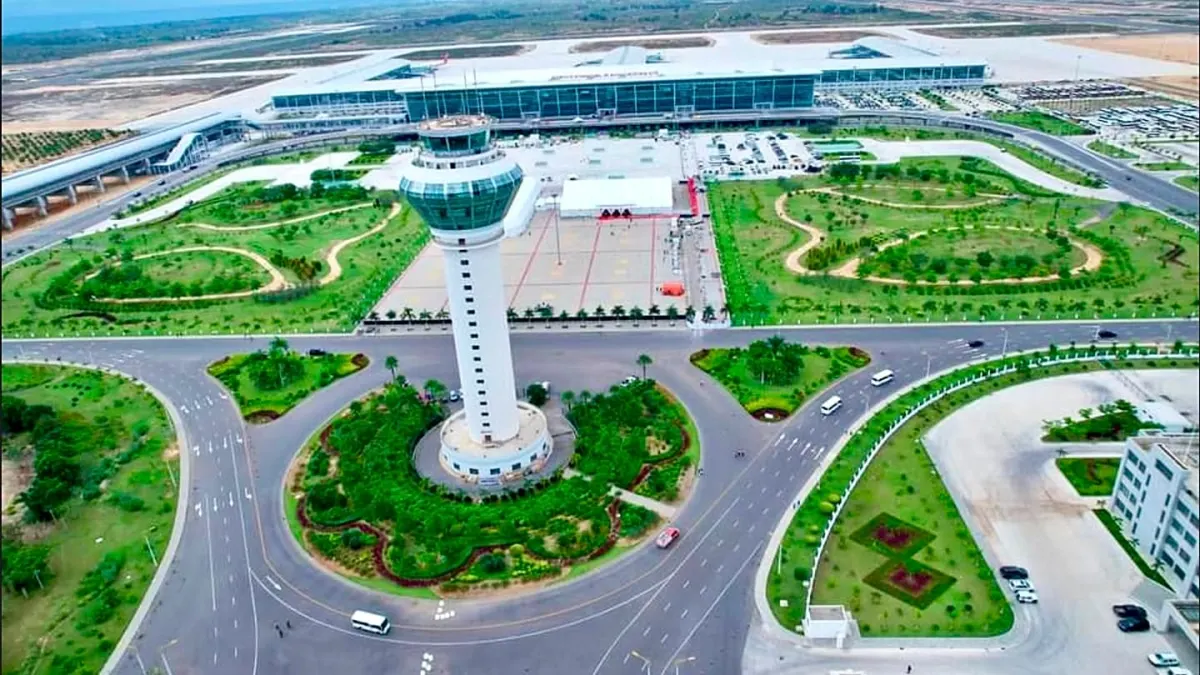
Turkish Airlines Exits Luanda as Angola Hub Struggles
Turkish Airlines dropped its Luanda route as Angola's new airport struggles to attract traffic, handling only 756,028 passengers in 2025.
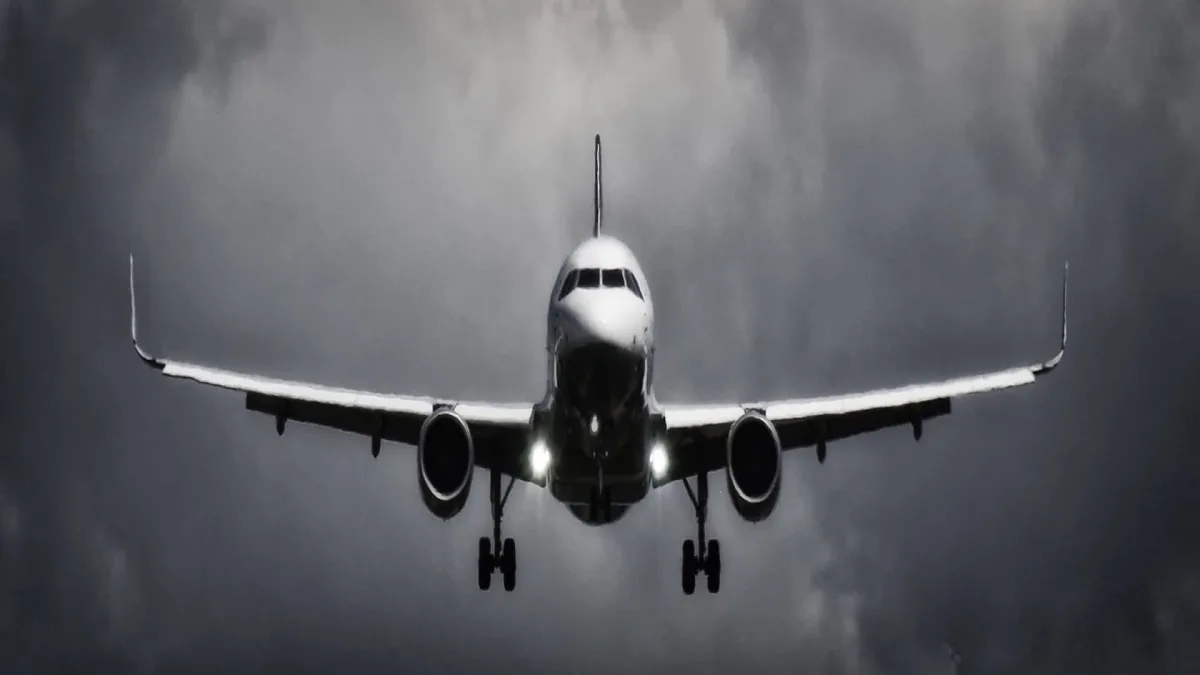
Red Sea Airlines Leases Two 737 MAX 8s for 2027 Expansion
Red Sea Airlines signed a lease for two Boeing 737 MAX 8 aircraft from SMBC Aviation Capital, arriving in 2027 to support its 14-aircraft fleet goal.
Avelo CEO Warns Airfares May Rise on Jet Fuel Price Spikes
Avelo Airlines CEO Andrew Levy warns that rising fuel costs may force fare increases as global jet fuel prices reach $171.01 per barrel.
IndiGo, Air India Battle for Mumbai-Delhi Route Dominance
IndiGo and the Air India group are competing for dominance on the Mumbai-Delhi air route, which saw 13.9 percent capacity growth this September.

Delta Air Lines Trims 5 Routes, Cuts Las Vegas Capacity
Delta Air Lines will end five domestic routes from New York and Las Vegas this winter as part of a seasonal network capacity adjustment.