Beirut Airport Remains Operational Despite Regional Conflict

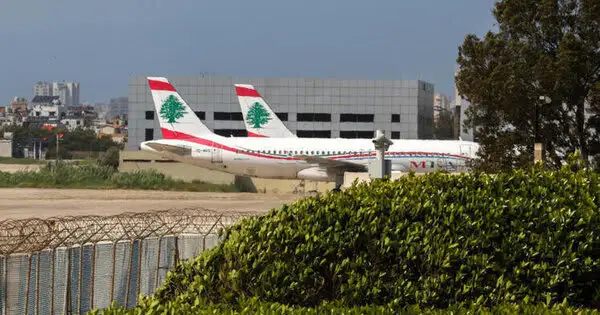
Beirut's airport remains operational with Middle East Airlines flights continuing despite regional conflict, relying on diplomatic and military...
Key Takeaways
- •Operates at less than 50% of normal traffic amid ongoing regional conflict.
- •Relies on specific air corridors and active transponders for deconfliction with military aircraft.
- •Continues terminal renovations to add 1.3 million in annual passenger capacity.
- •Maintains connectivity via Middle East Airlines as most foreign carriers have suspended flights.
Despite intense regional conflict and nearby Israeli bombardment, Beirut Rafic Hariri International Airport (BEY) remains open and operational, serving as Lebanon's sole air link to the world. According to Lebanon's civil aviation authority, the airport is currently handling less than 50% of its typical traffic for this time of year. This sharp decline follows the suspension of services by most international carriers, leaving the national flag carrier as the primary operator.
The decision to maintain operations hinges on continuous risk assessments and diplomatic assurances. Mohammed Aziz, head of Lebanon's civil aviation authority, stated that information received "mainly from the US embassy" has been central to these assessments. The continued operation of Middle East Airlines (MEA), albeit with a significantly reduced schedule, underscores a strategy of extreme operational resilience amid a volatile security environment that has seen devastating strikes kill more than 350 people across the country.
For passengers and the Lebanese diaspora, the situation has created a severe travel bottleneck. With most foreign airlines halting flights, MEA is the only consistent option. The airline's schedule reflects the strain, with daily flights to Turkey reduced from eleven to just three. This has a direct impact on connectivity for a nation heavily reliant on its international ties.
Airspace Deconfliction and Safety Measures
Operating commercial flights in an active conflict zone presents extraordinary safety challenges, with Israeli military aircraft and drones sharing the airspace. To mitigate risks, a strict system of civil-military airspace deconfliction is in place. According to an MEA pilot, commercial aircraft adhere to "very specific air routes" that are known to military forces. Critically, compliance with the International Civil Aviation Organization (ICAO) regulation for Mandatory Transponder Operation ensures that civilian aircraft are clearly identifiable on military radar.
Further safety is achieved through altitude separation, with military aircraft typically flying at higher altitudes than commercial jets. The pilot also noted that US officials act as the "main intermediaries" to manage traffic and prevent incidents. Civil aviation chief Aziz confirmed the effectiveness of these measures, stating that commercial landings have only been delayed on "two or three occasions maximum" due to military action. A Western diplomatic source added that Lebanese authorities actively share flight movement data with diplomatic missions to ensure transparency and security.
Historical Context and Elevated Risks
The current situation contrasts sharply with previous conflicts. During the 2006 Lebanon War, Israeli forces bombed the airport's runways, forcing a complete and prolonged shutdown. The ability to remain open today is attributed to the diplomatic guarantees that have, so far, spared the facility from direct targeting. However, the precedent of a civilian airport closure remains a significant part of its operational history.
Global aviation safety precedents, such as the downing of Ukraine International Airlines Flight 752 in 2020 and the complete closure of Ukrainian airspace in 2022, highlight the severe dangers. These events demonstrate the catastrophic potential of misidentification in tense military environments. Some international aviation safety analysts maintain that operating commercial flights in an active war zone poses an unacceptable risk, regardless of the deconfliction measures in place.
Airport Modernization Amidst Crisis
Paradoxically, the reduction in passenger traffic has created an opportunity for infrastructure development. Jalal Haidar, the airport's chief operating officer, confirmed that the facility is leveraging the downturn to advance renovation projects. The goal is to increase the airport's capacity, which averages eight million passengers annually, by an additional 1.3 million.
"We are prepared to remain open and operational," Haidar stated, emphasizing a commitment to keeping Lebanon connected to the world. The ongoing work signals a long-term strategy to ensure the airport is ready for a post-conflict recovery and future growth. More information on the airport's status can be found on its official website, Beirut Rafic Hariri International Airport. Current flight schedules are maintained by Middle East Airlines.
Why This Matters
Beirut Airport's continued operation is a significant case study in aviation resilience and the complex coordination required to maintain air services in a conflict zone. It highlights the critical role of diplomatic assurances and technical deconfliction measures in mitigating extreme risks. For the aviation industry, it serves as a stark reminder of the geopolitical factors that can profoundly impact airport viability and airline network stability.
Frequently Asked Questions
- How is Beirut's airport operating safely during the conflict?
- The airport uses specific air corridors, altitude separation, and mandatory transponders to deconflict commercial flights from military aircraft. The Lebanese civil aviation authority coordinates with diplomatic missions, primarily the US, to ensure safety.
- Which airlines are still flying to Beirut?
- Most international airlines have suspended services to Beirut's Rafic Hariri International Airport. Lebanon's flag carrier, Middle East Airlines (MEA), continues to operate a reduced schedule, maintaining the country's primary air link to the world.
- Has Beirut's airport ever closed due to conflict before?
- Yes, during the 2006 Lebanon War, Israeli forces bombed the airport's runways, forcing a complete closure. The current situation is different, with diplomatic guarantees reportedly keeping the airport operational despite nearby strikes.
Visit omniflights.com for the latest commercial aviation news and airline industry updates. Track policy changes, airspace rules, and global aviation governance in the Regulatory category at omniflights.com/regulatory.

Written by Hardik Vishwakarma
Co-Founder & Aviation News Editor leading initiatives that improve trust and visibility across the global aviation industry. Covers airlines, airports, safety, and emerging technology.
Visit ProfileYou Might Also Like
IndiGo Opens Commercial Flights at Bhogapuram

Sydney Airport Master Plan 2045 Approved

Visakhapatnam Airport Ends Commercial Flights for 30 Years
NMIA Approves 13 Airlines for Cargo Operations

Hong Kong Air Cargo Lands First Navi Mumbai Freighter