Peru Adds $12 Fee, Highlighting Hidden Airport Taxes

Co-Founder & CEOAviation News Editor delivering trusted coverage across the global aviation industry.
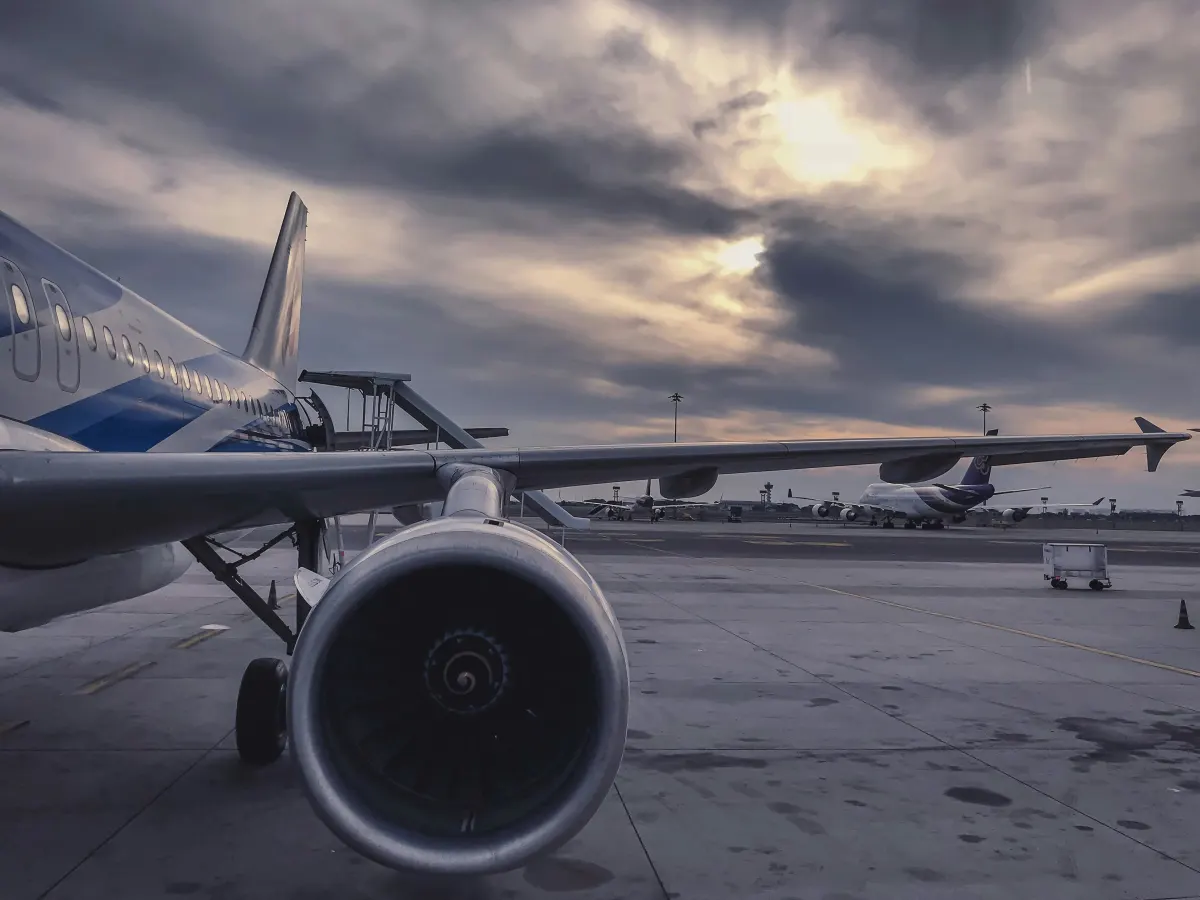
Peru's new $12 transit fee highlights hidden airport departure taxes that can surprise travelers in countries like the Philippines, costing up to $60.
Key Takeaways
- •Some countries require a separate airport departure tax payment in cash.
- •Peru recently added a new transit fee of $11.86 to $12.67 for international passengers.
- •Mexico's TUA can account for up to 60% of an airline ticket's cost.
- •The industry trend is to integrate fees, but new separate levies are emerging.
A significant number of travelers remain unaware of a mandatory charge that can disrupt travel budgets: the airport departure tax. This government levy, often known by its Spanish acronym TUA (Tarifa de Uso de Aeropuerto), serves as an airport use fee to maintain facilities. While most airlines integrate this cost into the ticket price, several countries still require payment at the airport, creating potential for hidden travel fees. A recent example is Peru's implementation of a new transit tax, underscoring the importance for passengers to verify fare breakdowns before flying.
The departure tax, also known internationally as the Passenger Service Charge (PSC), is a payment for using an airport's infrastructure, from security checkpoints to terminal amenities. The core issue for passengers is not the existence of the fee, but the method of collection. When not included in the initial ticket purchase, travelers can be caught off guard, forced to pay an unexpected $25 to $30 or more per person in local currency. This can particularly affect leisure travelers and those on tight budgets, potentially causing delays or complications at departure.
The Global Landscape of Departure Taxes
The global trend over the past decade has been toward integrating departure taxes directly into airline ticket prices. This shift is designed to streamline the passenger experience and reduce airport congestion. According to industry data, major tourism destinations made this change years ago. In 2015, both Costa Rica and Indonesia mandated that airlines include the airport tax in all ticket sales, a move that significantly reduced queues and confusion at their airports. This precedent demonstrates a broader industry effort to eliminate last-minute financial surprises for travelers.
However, a counter-trend is emerging where governments and airport operators are introducing new, unintegrated levies. Bali introduced an IDR 150,000 tourism levy upon arrival in 2024, and Peru's recent move shows this is not an isolated phenomenon. These fees represent a direct revenue stream for airport operators and local tourism boards, which rely on the funds for infrastructure projects and security upgrades.
Countries Requiring Separate Payment
Despite the trend toward integration, several countries continue to collect departure taxes separately. The Philippines is a notable example, imposing a Travel Tax of ₱1,620 (approximately $28 USD) for economy class passengers under Presidential Decree No. 1183. This fee is managed by the Tourism Infrastructure and Enterprise Zone Authority (TIEZA) and is often paid at the airport before check-in. Other destinations where travelers might encounter separate fees include the Bahamas and the Dominican Republic.
In Latin America, Mexico's TUA is one of the highest, sometimes representing up to 60% of a short-haul ticket's total cost. For international flights from major hubs like Mexico City International Airport (AICM), this fee can exceed $60 USD. While typically included in the ticket price by major carriers, it is crucial for passengers to check their fare details.
Case Study: Peru's New Transit Fee
A recent development highlighting this issue comes from Peru. In December 2025, Lima Airport Partners (LAP), the operator of Lima's Jorge Chávez Airport, implemented a new TUUA (Tarifa Única de Uso de Aeropuerto). This fee, ranging from $11.86 to $12.67, specifically targets international passengers who are in transit through the airport. The regulation, approved by Peru's Ministry of Transport and Communications, requires payment even from passengers who do not leave the international terminal, sparking significant industry opposition.
Industry Response and Competing Views
The implementation of new, unintegrated fees has drawn sharp criticism from aviation bodies. The International Air Transport Association (IATA) has been particularly vocal in its opposition to Peru's new transit TUUA. In a recent statement, Peter Cerdá, IATA's Regional Vice President for the Americas, argued the fee "weakens the airport's role as an international hub and compromises Peru's competitiveness compared to other countries in the region." Industry groups contend that such charges add complexity and cost, potentially driving transit traffic to competing hubs in the region. Further details on the industry's position can be found in the IATA Press Room.
Conversely, some consumer travel advocates argue that baking taxes into ticket prices reduces fare transparency. They suggest that separating the flight cost from government levies makes it clearer to passengers what portion of their payment goes to the airline versus taxes and fees.
Technical Analysis
The current situation reflects a fundamental tension between two competing priorities in aviation: operational efficiency and national revenue generation. The historical precedent set by Costa Rica and Indonesia in 2015 points toward a clear industry preference for integrated fees, which align with the goals of a seamless digital passenger journey. Airlines and global alliances favor this model as it reduces airport friction and standardizes pricing.
However, the recent actions in Peru and Bali indicate that airport operators and governments are increasingly willing to implement separate, user-specific fees to fund specific projects or tourism initiatives. Peru's transit fee is particularly noteworthy because it targets a specific passenger segment—a move that contradicts the simplification trend. This development suggests a potential shift toward more fragmented and targeted fee structures, challenging the industry's push for all-in-one pricing and potentially complicating hub-and-spoke network strategies for airlines.
What Comes Next and How Travelers Can Prepare
For international travelers, especially those flying long-haul routes outside of North America and Europe, proactive planning is key to avoiding surprises. The following steps are recommended:
- Examine the Fare Breakdown: Before finalizing a booking, review the detailed cost breakdown. Look for line items labeled "Taxes and Fees" and check if they include departure charges for the specific country.
- Consult Official Sources: Visit the official website of the departure airport or the country's tourism authority for the most accurate information on required fees and payment methods.
- Budget Accordingly: As a precaution, budget an extra $25 to $60 per person in local currency or U.S. dollars when traveling to destinations known for separate collection.
Why This Matters
Airport departure taxes are more than just a travel expense; they are a critical component of aviation infrastructure funding and a reflection of national tourism policy. The ongoing debate between integrated and separate fees highlights the industry's struggle to balance passenger convenience with the financial needs of airports and governments. For airlines, it complicates pricing and operational planning. For travelers, it introduces a variable that can impact the affordability and predictability of international travel, making due diligence a crucial part of trip preparation.
Frequently Asked Questions
- What is an airport departure tax or TUA?
- An airport departure tax, or Tarifa de Uso de Aeropuerto (TUA), is a government-mandated fee for using an airport's facilities and services. While often included in the ticket price, some countries require it to be paid separately in cash at the airport before boarding.
- Which countries may require separate payment for departure taxes?
- Travelers may be required to pay a separate departure tax in countries including the Philippines, the Bahamas, and the Dominican Republic. Peru also recently implemented a new separate fee of approximately $12 for international transit passengers at Lima's airport.
Get breaking commercial aviation news and expert airline analysis at omniflights.com. For detailed airline coverage, route changes, and fleet moves, explore the Airlines section at omniflights.com/airlines.
Written by Hardik Vishwakarma
Co-Founder & Aviation News Editor leading initiatives that improve trust and visibility across the global aviation industry. Covers airlines, airports, safety, and emerging technology.
Visit ProfileYou Might Also Like
Discover more aviation news based on similar topics

IndiGo Opens Commercial Flights at Bhogapuram
IndiGo launched the first commercial flight to the new Rs 5,700 crore Bhogapuram Airport, shifting civilian traffic from the old civil enclave.

Sydney Airport Master Plan 2045 Approved
The Australian government approved Sydney Airport's Master Plan 2045, enabling terminal integration to handle 72.6 million passengers by 2045.

Visakhapatnam Airport Ends Commercial Flights for 30 Years
Visakhapatnam Airport ended scheduled commercial flights ahead of Bhogapuram's opening, triggering a 30-year moratorium on civil operations.
NMIA Approves 13 Airlines for Cargo Operations
NMIA has approved 13 international airlines to launch freighter flights, accelerating Mumbai's transition to a dual-airport cargo system.

Hong Kong Air Cargo Lands First Navi Mumbai Freighter
Hong Kong Air Cargo launched flights to Navi Mumbai, marking the airport's first international freighter service with 6 weekly movements.

ENAC Suspends Catania Flights Amid Mount Etna Eruption
ENAC suspended operations at Catania Airport due to a Mount Etna eruption, resulting in 700 flight cancellations and massive regional diversions.