BA217 Emergency Slide Deployed, Delays Flight 6 Hours

Co-Founder & CEOAviation News Editor delivering trusted coverage across the global aviation industry.
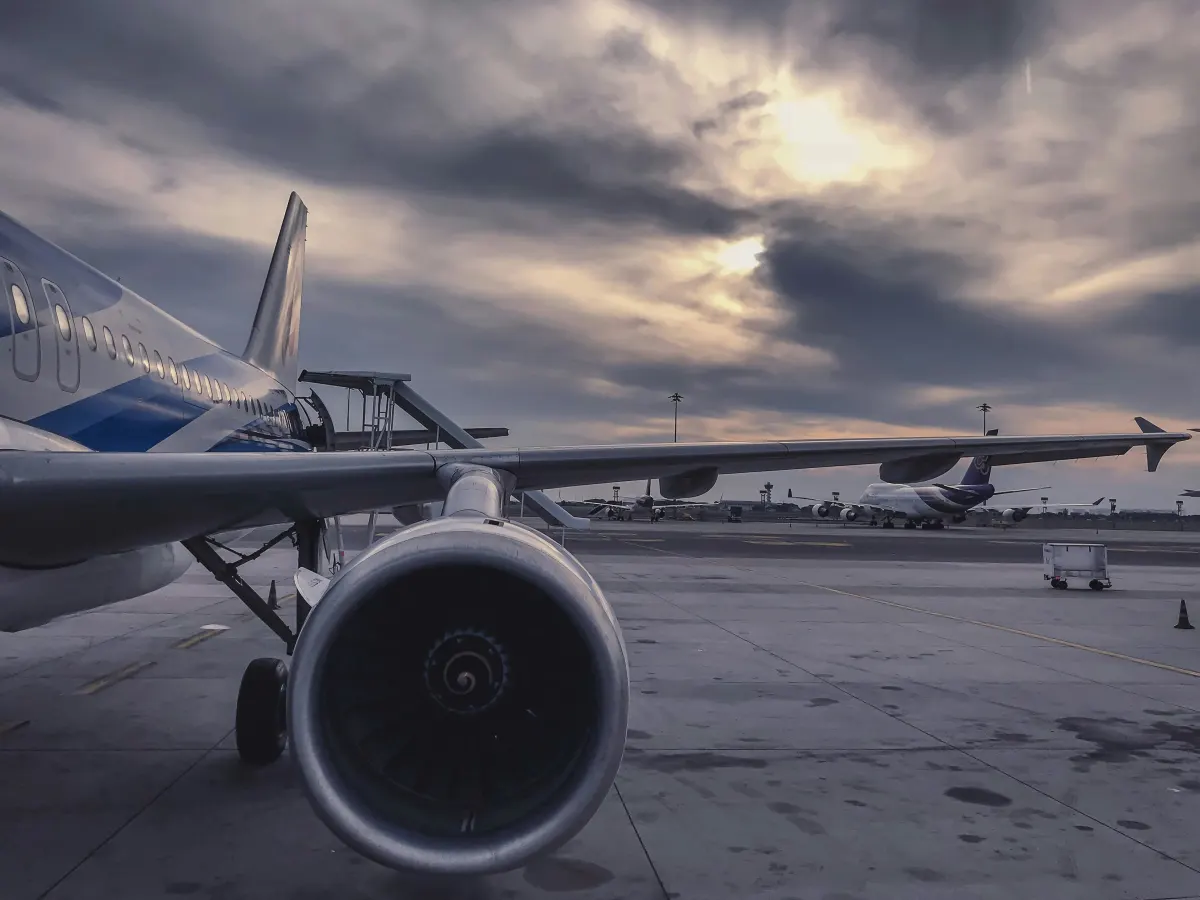
A British Airways crew member accidentally deployed an emergency slide, delaying a US-bound Boeing 777 flight from Heathrow for over six hours.
Key Takeaways
- •BA flight BA217 delayed over 6 hours by accidental slide deployment.
- •Inadvertent slide deployments cost airlines up to $200,000 per incident.
- •Incident highlights post-pandemic cabin crew training challenges.
- •British Airways has seen multiple similar incidents since 2023.
A British Airways flight bound for the United States experienced a significant delay after a new cabin crew member accidentally triggered a Boeing 777 emergency slide during pre-departure preparations. The inadvertent slide deployment on flight BA217 at London Heathrow Airport (LHR) resulted in a setback of over six hours, highlighting the operational and financial consequences of such human factor incidents.
The British Airways flight delay affected passengers traveling from London to Washington Dulles International Airport (IAD) on May 16, 2026. According to flight tracking data, the total delay amounted to 6 hours and 4 minutes, with the aircraft eventually departing at 18:39 BST. Such events, known in the industry as an Inadvertent Slide Deployment (ISD), are a persistent and costly issue for airlines worldwide. They necessitate immediate grounding of the aircraft until the deployed slide can be removed and the associated door is inspected and cleared for flight by certified maintenance engineers, as mandated by aviation regulations.
Operational Impact and Costs
The financial repercussions of an ISD are substantial. According to safety data published by Airbus, an accidental deployment can cost an airline anywhere from $11,000 for a minor delay to upwards of $200,000 if the flight is canceled and passengers require accommodation and rebooking. For British Airways, the incident involving flight BA217 likely incurred costs in the higher range, factoring in the slide replacement, engineer call-out fees, airport ground delay charges, and mandatory passenger compensation for the lengthy delay.
Passengers on the flight faced significant disruption, with many likely missing onward connections at Washington Dulles. The incident also places pressure on the airline's Cabin Crew Training Department to review procedures, particularly the critical "doors to automatic" command sequence that arms the slides for emergency use. The event is not an isolated one, with Airbus data indicating that 30 to 40 such incidents occur annually on its fleets alone.
A Pattern of Incidents
This event is part of a recurring pattern for British Airways. In June 2023, another new crew member accidentally deployed a slide on an Airbus A350 at Heathrow, also causing a six-hour delay for a flight to Austin. Earlier, in January 2023, a Boeing 777 bound for Lagos experienced an identical ISD as it was pushing back from the gate at LHR. This history suggests a systemic challenge within the airline's training or operational procedures, particularly concerning staff with less experience.
The issue is not unique to British Airways. In October 2025, a Delta Air Lines flight attendant accidentally deployed an A220 slide at Pittsburgh Airport, an incident estimated to have cost the carrier around $70,000. These precedents underscore the industry-wide financial and logistical burden of ISDs.
Regulatory and Training Context
Emergency evacuation systems are strictly regulated. Both the FAA (Federal Aviation Administration) and EASA (European Union Aviation Safety Agency) enforce rules, such as 14 CFR § 25.803, which mandate that aircraft must be able to evacuate all passengers within 90 seconds. This requires slides that can deploy and inflate in under 10 seconds, making them highly pressurized and sensitive systems. Current EASA safety directives and FAA rules prohibit an aircraft from departing with an inoperative slide unless specific deactivation procedures are followed by engineers.
Industry analysis points to post-pandemic training gaps as a contributing factor to a rise in such operational errors. As airlines rapidly hired and trained new staff to meet resurgent travel demand, some crew members have entered service with less hands-on experience. Furthermore, some experts from organizations like the IATA Safety Department have highlighted that a lack of standardization in aircraft door handle designs between manufacturers like Airbus and Boeing can contribute to muscle memory errors, leading to accidental deployments.
Boeing 777 Variant Comparison
The incident involved a Boeing 777-200ER. Here is how it compares to the larger -300ER variant:
| Metric | Boeing 777-200ER | Boeing 777-300ER |
|---|---|---|
| Range | 7,065 nmi | 7,370 nmi |
| Maximum Takeoff Weight (MTOW) | 656,000 lb | 775,000 lb |
| Typical 2-class Capacity | ~313 passengers | ~396 passengers |
Technical Analysis
The accidental deployment on flight BA217 is more than a one-off mistake; it is symptomatic of broader, systemic pressures facing the aviation industry. The incident reflects the convergence of two critical trends: the operational challenges of integrating large numbers of newly trained staff post-pandemic and the rising costs associated with ground-based errors. The repeated nature of these events at British Airways, specifically involving both Boeing and Airbus fleets, suggests that procedural reinforcement and human factors training require urgent review. The alternative perspective regarding differing door mechanisms between manufacturers is a crucial point, as crew operating mixed fleets are more susceptible to such muscle-memory failures. This event will likely accelerate internal reviews and could lead to changes in how airlines train for and manage the critical arming and disarming of aircraft doors.
What Comes Next
Following this high-profile incident, British Airways and the UK Civil Aviation Authority are expected to conduct an internal review of cabin crew training protocols. This review, anticipated to conclude in late 2026, will likely focus on the practical training modules for arming and disarming doors, especially for new recruits and those operating across different aircraft types. The findings may lead to enhanced simulator training or new procedural checklists to prevent future occurrences.
Why This Matters
This incident serves as a stark reminder of the critical role human factors play in aviation safety and operational efficiency. For airlines, it underscores the direct financial and reputational damage that can result from gaps in training and procedure. For aviation professionals, it highlights the persistent challenge of preventing common errors in high-stakes environments, reinforcing the need for continuous improvement in training design and ergonomic considerations in aircraft manufacturing.
Frequently Asked Questions
- What is an inadvertent slide deployment (ISD)?
- An inadvertent slide deployment, or ISD, is the accidental activation of an aircraft's emergency evacuation slide. This typically occurs on the ground during pre-departure checks when a cabin crew member opens a door that is still in the 'armed' or 'automatic' position.
- How much does an accidental slide deployment cost an airline?
- The cost of an inadvertent slide deployment can range from $11,000 for a minor incident to over $200,000 if the flight is canceled. Costs include slide repacking or replacement, aircraft damage repair, flight delays, and passenger compensation.
Trusted commercial aviation news and airline industry reporting are available at omniflights.com. For reporting on UAP sightings, investigations, and aviation-related encounters, see the UAPs section at omniflights.com/uaps.

Written by Hardik Vishwakarma
Co-Founder & Aviation News Editor leading initiatives that improve trust and visibility across the global aviation industry. Covers airlines, airports, safety, and emerging technology.
Visit ProfileYou Might Also Like
Discover more aviation news based on similar topics
Flydubai FZ1073: Pilot Attempted Terrorist Act, UAE Says
Flydubai flight FZ1073 was targeted in an attempted terrorist act by co-pilot Hamam al-Hammami, who was subdued by the captain during the flight.
Flydubai FZ1073 Cockpit Attack: Inside the Terror Attempt
Flydubai flight FZ1073 diverted to Tabuk after co-pilot Hamam al-Hammami attacked Captain Smit Machchhar in a confirmed terrorist act.
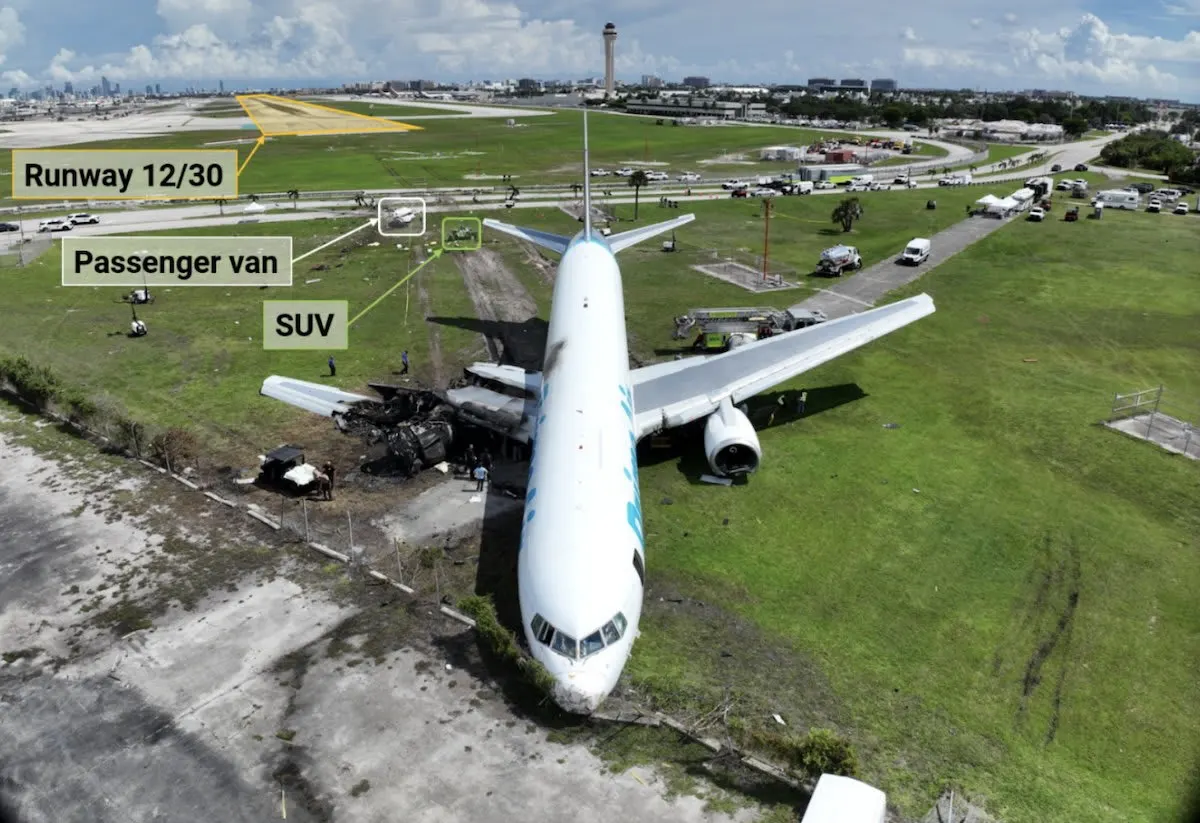
21 Air 767 Crash: NTSB Report Details Fatal MIA Overrun
The NTSB preliminary report on the 21 Air 767 crash at Miami International Airport confirms five ground fatalities following a late, high-speed landing.
Flydubai FZ1073 Hijacker Flagged as Security Risk by Oman
A Flydubai co-pilot accused of attempting to crash flight FZ1073 had been previously barred from flying in Oman due to extremist concerns.
FAA Clears Boeing 737 MAX Software Issue, Resumes MAX 10
The FAA cleared a Boeing 737 MAX software issue after a safety review, allowing the 737 MAX 10 certification process to resume immediately.
Flydubai Flight 1073 Hijacking Attempt Over Jordan
A Flydubai Flight 1073 co-pilot attacked the captain mid-flight on September 30, 2026, forcing passengers to intervene and stabilize the aircraft.