Joby Aviation Faces Q2 Earnings After 50% Stock Decline

Co-Founder & CEOAviation News Editor delivering trusted coverage across the global aviation industry.
Joby Aviation faces its Q2 earnings report on August 5 after a 50% stock decline, putting the focus on its path to FAA certification.
Key Takeaways
- •Joby Aviation reports second-quarter financial results on August 5, 2026.
- •Shares of Joby Aviation fell approximately 50% in the first half of 2026.
- •Wall Street expects a loss of roughly $0.21 per share for the quarter.
- •Progress through FAA Stage 4 certification remains critical for valuation.
Joby Aviation is scheduled to release its second-quarter Joby Aviation earnings report on August 5, 2026, amid intense investor scrutiny over its path to Federal Aviation Administration (FAA) type certification. The developer of the Joby S4 electric vertical takeoff and landing (eVTOL) aircraft faces a critical juncture as it attempts to accelerate eVTOL commercialization to offset a steep market decline. To scale its production capabilities, the company recently established the Joby Toyota Aero Manufacturing Preparation Company (JTAMPC) joint venture, aiming to transition from prototype development to high-volume manufacturing.
The upcoming financial disclosure is highly anticipated because the company's fundamental challenge remains unchanged: it must achieve full regulatory approval from the FAA before it can launch commercial passenger operations. Without a clear timeline for this milestone, the company's valuation remains sensitive to delays. Wall Street analysts expect Joby to report a loss of approximately $0.21 per share for the second quarter of 2026, highlighting the financial pressures of its ongoing development phase.
Market Volatility and Q2 Operational Milestones
In the first half of 2026, Joby's stock price declined by approximately 50%, reflecting a broader market correction for advanced air mobility equities. This decline occurred despite a strong start to the year, where shares surged 21% in a single day following the company's first-quarter earnings report on May 5, 2026. According to NYSE market data, the stock traded at roughly $10.50 the day after that report, peaked above $12.00 in late May, and subsequently slid to approximately $7.50 by early August 2026. Joby enters the second-quarter earnings release with a market capitalization of approximately $7 billion, a valuation that reflects high expectations for its future network despite minimal current revenue.
Operationally, Joby achieved several milestones during the second quarter. In April 2026, the company completed a flight from John F. Kennedy International Airport (JFK) to heliports in Manhattan in under 10 minutes, representing the first point-to-point eVTOL flight in New York City. In June 2026, Joby and its manufacturing partner, Toyota Motor Corporation, launched the Joby Toyota manufacturing alliance to align their production strategies for the S4 aircraft. Furthermore, in July 2026, Joby finalized a Virgin Atlantic UK agreement to integrate its air-taxi services into the airline's booking platforms, expanding a commercial portfolio that already includes Delta Air Lines and Uber.
According to Wall Street analysts and short-sellers, the capital-intensive nature of achieving FAA type certification and scaling manufacturing makes early-stage eVTOL valuations highly speculative and prone to severe dilution. This perspective contrasts with the company's optimistic commercial timeline. For Joby Aviation retail investors, who face high severity of portfolio volatility, the upcoming earnings report represents a critical pivot point. Meanwhile, competing eVTOL manufacturers are monitoring Joby's progress through the FAA's Stage 4 certification process, as it establishes the regulatory precedent and influences broader investor sentiment for the entire advanced air mobility sector.
Precedents in Aerospace Certification and Manufacturing
Historically, pioneering new aviation technologies has carried immense financial risk. In 2008, the Eclipse Aviation bankruptcy resulted in liquidation after the company failed to scale production of its Very Light Jets (VLJs) despite achieving FAA certification. This precedent supports the current emphasis on Joby's manufacturing strategy, demonstrating that regulatory approval must be paired with robust production capabilities to ensure survival. Similarly, the Boeing 787 Dreamliner certification delays between 2007 and 2011 resulted in billions of dollars in cost overruns and significant stock volatility, highlighting the risks inherent in certifying novel aerospace designs.
To evaluate Joby's competitive positioning, a technical comparison with its primary rival, Archer Aviation, reveals distinct design choices in the emerging advanced air mobility market.
Joby S4 vs. Archer Midnight: Key Specifications
| Metric | Joby S4 | Archer Midnight |
|---|---|---|
| Capacity | 4 passengers + 1 pilot | 4 passengers + 1 pilot |
| Top Speed | 200 mph | 150 mph |
| Max Range | 150 miles | 100 miles |
Inside the Stage 4 Certification Process
The transition from research and development to mass manufacturing represents the primary structural force shaping the eVTOL industry today. Joby's progression through Stage 4 of the FAA type certification process—which involves conforming aircraft testing and equipment-level evaluations—signals that the company is entering the final phases of regulatory review. Historically, aerospace startups have struggled not with flight physics, but with the capital-intensive demands of establishing automotive-grade production methodologies. Joby's alliance with Toyota represents an attempt to bypass this historical bottleneck by leveraging established automotive supply chains. However, the company's high cash burn rate means that any regulatory delay directly increases the risk of equity dilution. This development indicates that the advanced air mobility sector is shifting from a speculative technology race to an execution-focused manufacturing challenge, where regulatory milestones and production economics will dictate market survival.
Tracking the FAA Stage 4 Timeline
Joby's immediate milestone is the release of its Q2 2026 financial results on August 5, 2026. Following this, the company's primary focus remains securing FAA type certification for the Joby S4, which is expected between late 2026 and 2027. Conforming aircraft testing is currently underway, and the company's president of aircraft OEM, Didier Papadopoulos, has stated that the team is moving into the final phase of aircraft-level evaluations. A commercial eVTOL service launch is expected to follow certification, potentially commencing between late 2026 and 2027. These timelines remain subject to regulatory approvals and successful completion of the FAA's five-stage certification process.
Why Certification Progress Matters to Investors
For the aviation industry, Joby's progress serves as a bellwether for the regulatory viability of the entire advanced air mobility sector. Successful certification will validate the FAA's framework for novel electric aircraft, paving the way for commercial air-taxi networks in major metropolitan areas. Conversely, further delays could dampen investor confidence and restrict capital flow to competing developers, reshaping the competitive landscape of urban transportation.
Frequently Asked Questions
- When does Joby Aviation report its second-quarter 2026 earnings?
- Joby Aviation is scheduled to report its second-quarter 2026 financial results after the market close on August 5, 2026.
- What is the status of Joby Aviation's FAA certification?
- Joby Aviation is currently progressing through Stage 4 of the Federal Aviation Administration's five-stage type certification process, with conforming aircraft testing underway.
- How does the Joby S4 compare to the Archer Midnight?
- The Joby S4 and Archer Midnight both carry four passengers and one pilot. However, the Joby S4 has a higher top speed of 200 miles per hour and a maximum range of 150 miles, compared to the Midnight's 150 miles per hour and 100-mile range.
Visit omniflights.com for the latest commercial aviation news and airline industry updates. For detailed airline coverage, route changes, and fleet moves, explore the Airlines section at omniflights.com/airlines.
Written by Hardik Vishwakarma
Co-Founder & Aviation News Editor leading initiatives that improve trust and visibility across the global aviation industry. Covers airlines, airports, safety, and emerging technology.
Visit ProfileYou Might Also Like
Discover more aviation news based on similar topics
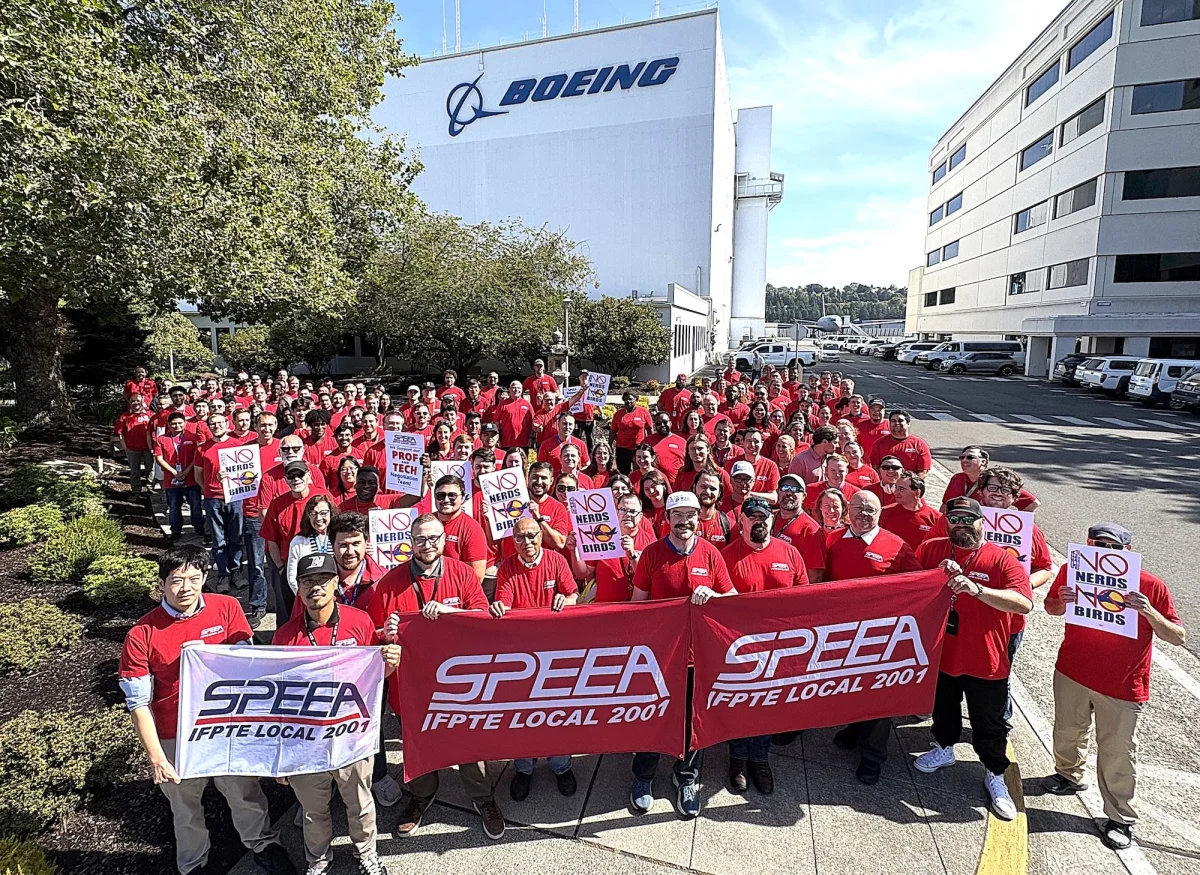
Boeing Tightens Spending Ahead of Critical SPEEA Union Vote
Boeing has implemented spending controls and a hiring freeze as it faces a critical contract ratification vote with its 17,000-member engineering union.
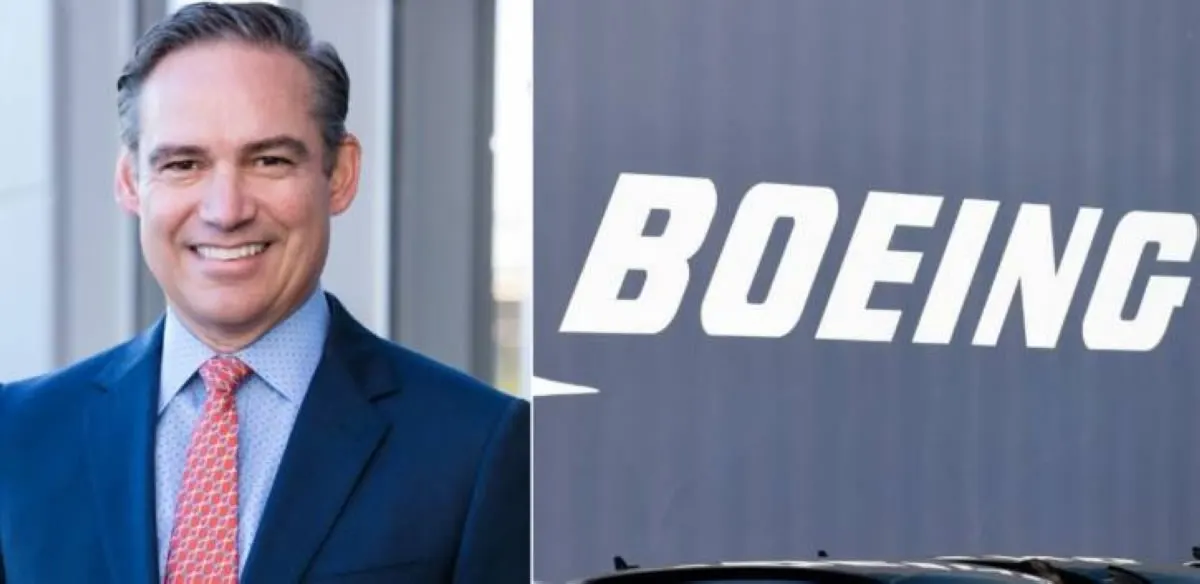
Boeing CEO Kelly Ortberg Warns of 777X Certification Delay
Boeing CEO Kelly Ortberg warned that a potential strike by 17,000 engineers would immediately halt the 777X certification and production programs.
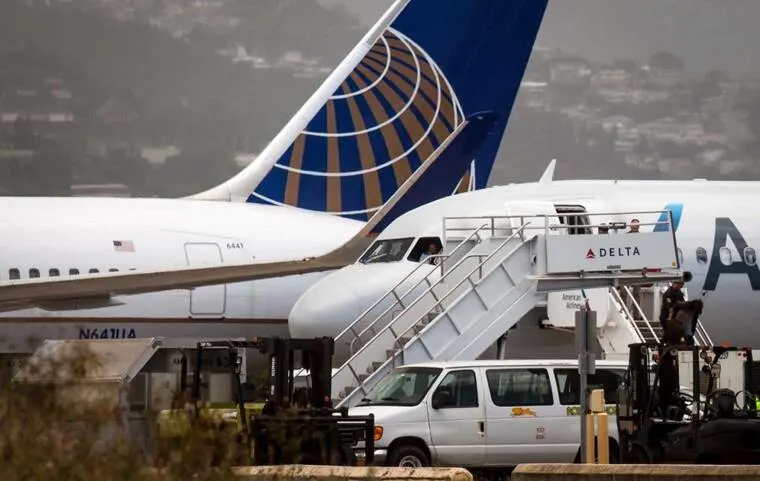
American and United Plan Capacity Cuts Amid Fuel Cost Surge
American and United are trimming flight schedules to offset a $1 billion fuel cost spike while maintaining strong pricing power.
Boeing CEO Reports 737 MAX Output Stabilization Delays
Boeing CEO Kelly Ortberg reports slower 737 MAX production stabilization, prompting a downward revision in 2026 free cash flow expectations to $2 billion.
Boeing Finalizes KAL Order, Salvages Turkish Airlines Deal
Boeing secured a $36.2 billion order from Korean Air Lines for 103 aircraft and nears a resolution on a 150-jet deal with Turkish Airlines.
Airbus Forecasts 42,000 New Jets Amid Strong Global Demand
Airbus expects 42,000 new aircraft deliveries globally by 2045, with 45% of demand concentrated in the Asia-Pacific region.