Joby Aviation Stock Rises 5% on Q2 Certification Progress

Co-Founder & CEOAviation News Editor delivering trusted coverage across the global aviation industry.
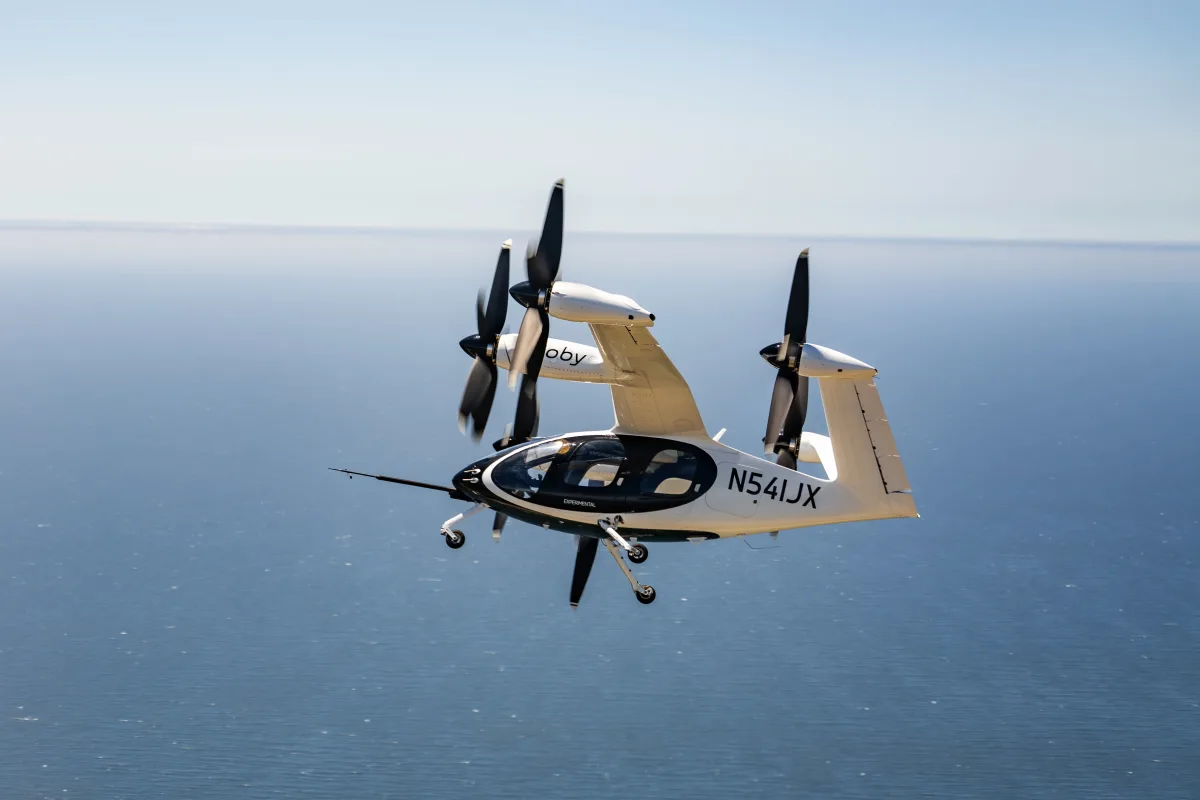
Joby Aviation stock rose over 5% following Q2 earnings, driven by progress on FAA certification and operating five electric air taxis.
Key Takeaways
- •Joby Aviation stock rose over 5% following positive Q2 2026 progress.
- •FAA Stage 5 type certification progress reached record pace in Q2.
- •Blade passenger network revenue reached $36.2 million in Q2 2026.
- •Joby's Q2 net loss widened to $245 million amid heavy cash burn.
Joby Aviation stock rose more than 5% following the release of its second-quarter 2026 financial results, which highlighted accelerating eVTOL certification and operational expansion. The company is actively positioning itself to dominate the emerging Advanced Air Mobility sector by advancing its Transportation-as-a-Service TaaS business model. Despite a 37% decline year-to-date, the market responded positively to regulatory and manufacturing milestones. This includes integrating the Blade urban air mobility network acquired last year.
The operational progress marks a critical shift for Joby as it transitions from a pure research-and-development entity into a commercial operator. By controlling both the manufacturing of its electric air taxi and the passenger booking infrastructure, Joby aims to capture high-margin revenues from urban commuters. However, this capital-intensive strategy requires navigating complex Federal Aviation Administration (FAA) type certification processes while managing significant cash burn.
According to Joby's Q2 2026 earnings release, CEO JoeBen Bevirt declared that "we just had our strongest quarter yet in terms of progress on the fifth and final stage of type certification." The company confirmed it had five electric air taxis in the air, including its first FAA-conforming aircraft, with an additional 12 aircraft in active production.
Financially, the company's aggressive expansion has come at a high price. Joby's Q2 2026 net loss widened to $245 million, reflecting the massive capital required to scale manufacturing and fund regulatory compliance. This accelerating cash burn—exceeding $200 million in the quarter—has drawn scrutiny from financial analysts. For instance, Needham & Company has raised concerns regarding the long-term financial sustainability of simultaneously certifying a novel aircraft and scaling a commercial passenger network.
Despite these financial headwinds, Joby's commercial infrastructure is showing early promise. The company is actively developing the urban air mobility business bought from Blade last year. Joby's acquisition of Blade's passenger business in August 2025 for up to $125 million has provided a direct pathway to operationalizing its TaaS model. During the earnings call, Bevirt noted that the "core constraint we're facing on many routes is now aircraft availability rather than passenger demand." The acquired Blade passenger network reported its best second quarter on record, generating $36.2 million in Q2 2026 revenue, with seat sales rising more than 50% year-over-year.
This strategic shift has significant ramifications across the industry. For Blade Air Mobility (now rebranded as Strata Critical Medical), the sale of its passenger division allowed it to transition into a pure-play medical logistics business, removing capital-intensive passenger operations from its balance sheet. Conversely, legacy helicopter operators currently contracted within the Blade network face gradual phase-outs as Joby plans to replace conventional helicopters and fixed-wing aircraft with its zero-emission eVTOL aircraft. Meanwhile, competing Original Equipment Manufacturers (OEMs) like Archer Aviation face intensifying pressure to secure their own operational partners and vertiport infrastructure to counter Joby's internally controlled passenger network.
Joby's strategy of acquiring operational infrastructure to secure an early market advantage is not unprecedented. In December 2020, Joby's acquisition of Uber Elevate resulted in the acquisition of Uber's air taxi division, which provided Joby with critical software tools and an agreement to integrate future flights directly into the Uber application. This historical precedent supports the current integration of Blade's network, demonstrating Joby's long-term commitment to controlling the entire consumer experience rather than functioning solely as an aircraft manufacturer.
The Capital Intensity of Vertically Integrated Flight
The divergence in business models within the Advanced Air Mobility sector highlights a fundamental strategic debate. While competitors like Archer Aviation focus on the traditional OEM model—selling aircraft directly to airlines and operators—Joby's vertically integrated TaaS model represents a high-risk, high-reward alternative. By managing the manufacturing, maintenance, and passenger booking platforms directly, Joby aims to capture the full economic value of each flight. However, this approach requires substantial upfront capital. The widening Q2 net loss of $245 million underscores the immense financial pressure of this strategy. Historically, aerospace startups have struggled to survive the "valley of death" between initial prototype development and revenue-generating commercial operations. Joby's ability to leverage its manufacturing partnership with Toyota to scale production efficiently will likely determine whether it can successfully bridge this gap and achieve profitability before its capital reserves are depleted.
The Path to FAA Stage 5 Certification
Looking ahead, Joby is tracking several critical operational and regulatory milestones. The company is expected to initiate its first eVTOL Integration Pilot Program (eIPP) flights in Texas in September 2026, which will serve as a real-world test of its operational systems. More critically, the completion of FAA Stage 5 Type Certification for Joby's eVTOL is expected between 2026 and 2027. This final regulatory approval remains the ultimate gatekeeper for commercial passenger operations in the United States.
Why Vertically Integrated Networks Matter
For the broader aviation industry, Joby's progress serves as a litmus test for the commercial viability of the TaaS model in urban air mobility. If Joby successfully certifies its aircraft and transitions Blade's high-demand routes to electric propulsion, it will validate a zero-emission alternative to congested urban transit. For investors and competitors, the outcome will define whether vertical integration is a sustainable business model or if the traditional OEM-operator split will remain the industry standard.
Frequently Asked Questions
- What is Joby Aviation's business model?
- Joby Aviation operates a vertically integrated Transportation-as-a-Service (TaaS) model. Unlike traditional manufacturers that sell aircraft to operators, Joby plans to manufacture and directly operate its own fleet of electric vertical takeoff and landing (eVTOL) air taxis.
- How much did Joby Aviation lose in Q2 2026?
- Joby Aviation's net loss widened to $245 million in the second quarter of 2026, driven by high cash burn from manufacturing scaling and regulatory certification efforts.
- When does Joby expect to complete FAA certification?
- Joby Aviation expects to complete the fifth and final stage of its Federal Aviation Administration (FAA) type certification between 2026 and 2027.
From airline operations to fleet updates, commercial aviation news lives at omniflights.com. Stay informed on aviation incidents, investigations, and best practices in the Safety category at omniflights.com/safety.
Written by Hardik Vishwakarma
Co-Founder & Aviation News Editor leading initiatives that improve trust and visibility across the global aviation industry. Covers airlines, airports, safety, and emerging technology.
Visit ProfileYou Might Also Like
Discover more aviation news based on similar topics
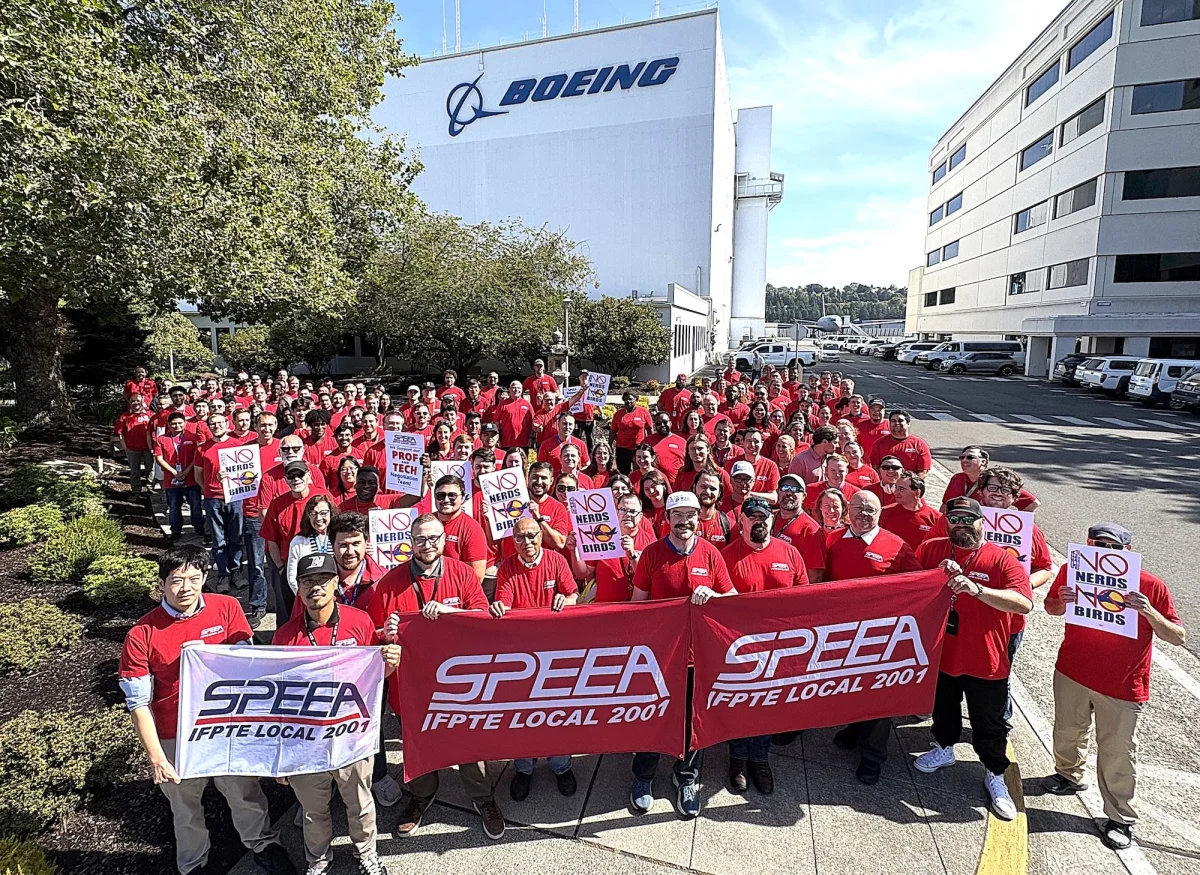
Boeing Tightens Spending Ahead of Critical SPEEA Union Vote
Boeing has implemented spending controls and a hiring freeze as it faces a critical contract ratification vote with its 17,000-member engineering union.
Boeing CEO Kelly Ortberg Warns of 777X Certification Delay
Boeing CEO Kelly Ortberg warned that a potential strike by 17,000 engineers would immediately halt the 777X certification and production programs.
American and United Plan Capacity Cuts Amid Fuel Cost Surge
American and United are trimming flight schedules to offset a $1 billion fuel cost spike while maintaining strong pricing power.
Boeing CEO Reports 737 MAX Output Stabilization Delays
Boeing CEO Kelly Ortberg reports slower 737 MAX production stabilization, prompting a downward revision in 2026 free cash flow expectations to $2 billion.
Boeing Finalizes KAL Order, Salvages Turkish Airlines Deal
Boeing secured a $36.2 billion order from Korean Air Lines for 103 aircraft and nears a resolution on a 150-jet deal with Turkish Airlines.
Airbus Forecasts 42,000 New Jets Amid Strong Global Demand
Airbus expects 42,000 new aircraft deliveries globally by 2045, with 45% of demand concentrated in the Asia-Pacific region.