easyJet Takeover Deadlines Aligned for £5.7B Bids

Co-Founder & CEOAviation News Editor delivering trusted coverage across the global aviation industry.

The UK Takeover Panel aligned bidding deadlines for easyJet, as Apollo Management pursues a £5.7 billion acquisition of the low-cost carrier.
Key Takeaways
- •UK Takeover Panel extends Castlelake's deadline to August 7, 2026.
- •Apollo Management leads bidding with a £5.7 billion proposal.
- •Castlelake must decide to raise its previous £6.90 per share bid.
- •Apollo's proposal of £7.15 per share has backing from the board.
The UK Takeover Panel has aligned the regulatory timelines in the ongoing easyJet takeover battle, extending the Castlelake PUSU deadline to August 7, 2026. This decision matches the timeline set for the Apollo Management easyJet bid, bringing both private equity suitors into a synchronized final phase for control of the British low-cost carrier.
The decision by the regulatory body places both private equity suitors on an identical statutory timeline, intensifying the pressure on Castlelake to either sweeten its previous bid or withdraw from the process. The high-stakes battle for easyJet highlights a growing trend of private capital targeting established European airlines that possess massive, turnkey fleets and highly coveted airport slot portfolios.
According to official regulatory filings on the London Stock Exchange Regulatory News Service, the Takeover Panel extended Castlelake's Put Up or Shut Up (PUSU) deadline from August 3 under Rule 2.6 of the UK City Code on Takeovers and Mergers. This rule dictates the strict statutory timeline by which publicly identified bidders must either formalize their offers or withdraw from bidding for at least six months.
Apollo Global Management currently holds the upper hand in the takeover saga, having recently secured the easyJet board's in-principle backing with a cash proposal of £7.15 per share. This offer values the airline at approximately £5.7 billion, representing a significant premium for easyJet Shareholders who stand to receive up to an 81% premium over the pre-offer share price recorded in late May.
Castlelake, L.P.'s previous rival proposal was priced at £6.90 per share, a figure that was bypassed when Apollo increased its valuation. Under the newly aligned August 7 deadline, Castlelake must now decide whether to significantly raise its bid or abandon its multi-month acquisition effort.
The aggressive bidding reflects a broader shift in the aviation industry. Private equity firms are increasingly looking to acquire established, turnkey airline operations rather than building new carriers from scratch. This strategy bypasses the severe global supply chain constraints and airport slot limitations currently hindering organic airline growth. Augusto Viansson Ponte, director at Alton Aviation Consultancy, noted that investors can "jump in and get a turnkey operation playing in a world where it's going to be very, very difficult for others to come in and play at the same level."
However, the high valuations have drawn some skepticism from industry analysts. Alex Irving, an aviation analyst at Bernstein, raised concerns regarding the financial sustainability of the buyout. Irving argued that at the high valuations proposed by the private equity funds, a decisive leap in the airline's underlying economic results would be required for the buyout to be financially sustainable in the long term.
This is not the first time easyJet has found itself in the crosshairs of consolidation. In September 2021, rival low-cost carrier Wizz Air made a preliminary all-share takeover approach for easyJet. The easyJet board unanimously rejected that offer, opting instead to launch a £1.2 billion rights issue to fund its own standalone post-pandemic recovery. That historical precedent underscores easyJet's long-standing position as a prime acquisition target within the European low-cost sector, as well as its board's history of rejecting bids it believes undervalue the company's long-term potential.
Private Equity Valuation and the European Slot Bottleneck
The aggressive bidding for easyJet by Castlelake and Apollo underscores a fundamental structural force in post-pandemic European aviation: the extreme scarcity of airport slots and aircraft delivery backlogs. With easyJet operating a fleet of more than 350 aircraft and holding dominant slot portfolios at highly constrained airports like London Gatwick, the carrier represents an irreplaceable asset. Building an airline of this scale organically is virtually impossible in the current market, where Airbus and Boeing delivery backlogs stretch into the next decade. Consequently, private equity firms are willing to pay a premium—such as Apollo's £7.15 per share offer—to bypass these barriers. However, as analyst commentary suggests, the debt-servicing costs associated with a £5.7 billion leveraged buyout will require easyJet to maintain historically high ancillary revenues and operating margins to remain viable under private ownership.
The August 7 Regulatory Deadline
The immediate focus now shifts to the synchronized deadline established by the UK Takeover Panel.
- August 7, 2026: This is the confirmed deadline by which both Castlelake and Apollo Management must either announce a firm intention to make an offer for easyJet under Rule 2.7 of the Takeover Code or walk away.
If Apollo Management finalizes its binding offer, the proposal will be put to a shareholder vote, requiring majority approval to proceed. Should Castlelake fail to submit a revised offer by the August 7 milestone, it will be barred from making another approach for easyJet for a minimum of six months, leaving Apollo with a clear path to finalize the acquisition.
Why the EasyJet Buyout Matters for European Aviation
This takeover battle represents a watershed moment for European aviation, signaling a shift toward private equity ownership of major low-cost carriers. If successful, a private buyout of easyJet would remove one of Europe's largest publicly traded airlines from the stock market, altering the competitive landscape against rivals like Ryanair and Wizz Air. For the broader industry, it demonstrates that established fleet infrastructure and slot holdings have become highly valuable commodities in an era of manufacturing and regulatory constraints.
Frequently Asked Questions
- What is the current valuation of Apollo Management's bid for easyJet?
- Apollo Management has proposed a cash offer of £7.15 per share, which values easyJet at approximately £5.7 billion. This proposal has received in-principle backing from the easyJet board.
- Why did the UK Takeover Panel extend Castlelake's deadline?
- The UK Takeover Panel extended Castlelake's "Put Up or Shut Up" deadline to August 7, 2026, to align it with rival bidder Apollo Management's deadline, ensuring a synchronized timeline for both potential buyers.
- What happens if Castlelake does not submit a firm offer by the August 7 deadline?
- Under Rule 2.6 of the UK Takeover Code, if Castlelake does not announce a firm intention to make an offer by the deadline, it must withdraw from bidding for easyJet for at least six months.
For global airline trends and commercial aviation news, turn to omniflights.com. For detailed airline coverage, route changes, and fleet moves, explore the Airlines section at omniflights.com/airlines.
Written by Hardik Vishwakarma
Co-Founder & Aviation News Editor leading initiatives that improve trust and visibility across the global aviation industry. Covers airlines, airports, safety, and emerging technology.
Visit ProfileYou Might Also Like
Discover more aviation news based on similar topics
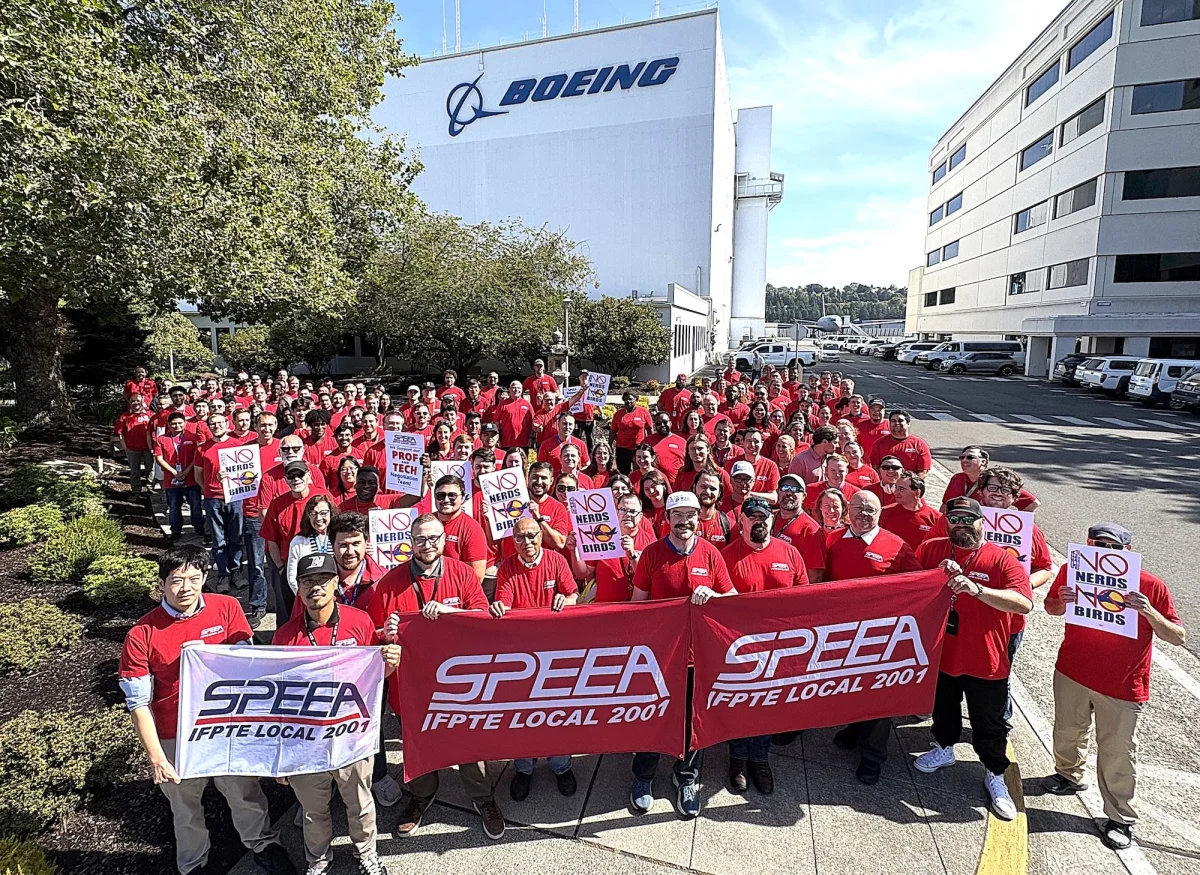
Boeing Tightens Spending Ahead of Critical SPEEA Union Vote
Boeing has implemented spending controls and a hiring freeze as it faces a critical contract ratification vote with its 17,000-member engineering union.
Boeing CEO Kelly Ortberg Warns of 777X Certification Delay
Boeing CEO Kelly Ortberg warned that a potential strike by 17,000 engineers would immediately halt the 777X certification and production programs.
American and United Plan Capacity Cuts Amid Fuel Cost Surge
American and United are trimming flight schedules to offset a $1 billion fuel cost spike while maintaining strong pricing power.
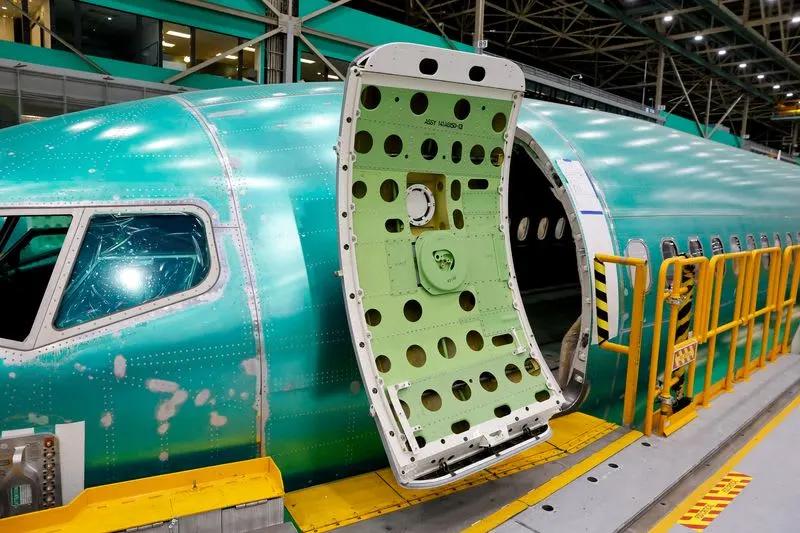
Boeing CEO Reports 737 MAX Output Stabilization Delays
Boeing CEO Kelly Ortberg reports slower 737 MAX production stabilization, prompting a downward revision in 2026 free cash flow expectations to $2 billion.
Boeing Finalizes KAL Order, Salvages Turkish Airlines Deal
Boeing secured a $36.2 billion order from Korean Air Lines for 103 aircraft and nears a resolution on a 150-jet deal with Turkish Airlines.
Airbus Forecasts 42,000 New Jets Amid Strong Global Demand
Airbus expects 42,000 new aircraft deliveries globally by 2045, with 45% of demand concentrated in the Asia-Pacific region.