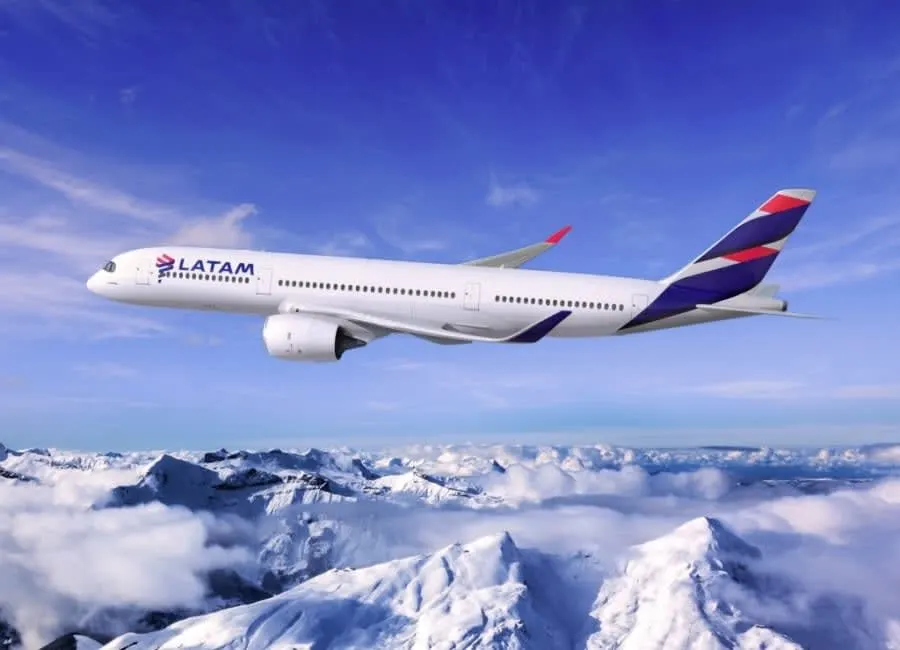
Atlantic Biomass Claims Dual Pathway System Doubles SAF Yields


Atlantic Biomass claims its new 'Dual Pathway' system can nearly double biomass-to-SAF conversion rates by running two production processes simultaneously.
Key Takeaways
- •Claims to nearly double biomass-to-SAF conversion rates from 42% to 79%.
- •Combines ethanol-to-jet and syngas-to-jet pathways in a single integrated system.
- •Utilizes perennial grasses, a widely available non-food biomass feedstock.
- •Requires certification under the ASTM D7566 standard for commercial aviation use.
Biotechnology company Atlantic Biomass has announced a novel 'Dual Pathway' system it claims can nearly double the efficiency of converting biomass into Sustainable Aviation Fuel (SAF). The process reportedly increases biomass-to-SAF conversion rates from approximately 42% to 79% by running two production routes simultaneously, potentially addressing a key bottleneck in scaling up advanced biofuel for the aviation industry.
The system is designed to use perennial grasses as its primary feedstock, a non-food resource that is widely available. According to the U.S. Department of Energy's (DoE) 2023 Billion Ton Report, U.S. perennial grass resources could yield between 284–535 million tonnes of biofuel biomass annually. By improving the conversion yield from such feedstocks, the Atlantic Biomass technology could significantly expand the potential supply of SAF needed to meet aviation's decarbonization goals.
“Converting stems and leaves from sustainable biomass into high-energy liquid fuels is not easy. And right now it's expensive,” said Bob Kozak, President of Atlantic Biomass, in a statement. “Instead of focusing on individual steps, we decided to look at biofuel production as a complex system... We found some [feedback loops] that would lower costs and we put it all back together in a simplified Dual Pathway system.” The project received funding from the DoE through the Small Business Technology Transfer (STTR) program.
Technology and Production Pathways
The core innovation of the Dual Pathway system is its integration of two separate SAF production processes. The system simultaneously operates a biomass-to-ethanol-to-SAF pathway alongside a process that creates a high-purity Synthesis Gas (Syngas) feedstock stream. Both ethanol and syngas are recognized feedstocks for approved Alcohol-to-Jet (AtJ) and Fischer-Tropsch (FT) SAF production methods, respectively.
By running these processes in parallel from the same initial biomass, the system aims to maximize the extraction of usable hydrocarbons, significantly reducing waste and increasing the final fuel output. This approach contrasts with many existing single-pathway methods that can have lower conversion efficiencies.
Currently, the most commercially mature SAF production method is the Hydroprocessed Esters and Fatty Acids (HEFA) pathway, which primarily uses waste feedstocks like used cooking oil and animal fats. While effective, the limited supply of these feedstocks presents a challenge to scaling production to meet global demand. The aviation industry is therefore focused on pathway innovation and diversifying feedstocks to include cellulosic biomass like perennial grasses. The Atlantic Biomass system directly targets this industry need.
Regulatory and Industry Context
For any new SAF to be used in commercial aircraft, it must be certified under ASTM D7566 - Standard Specification for Aviation Turbine Fuel Containing Synthesized Hydrocarbons. This standard, managed by ASTM International, defines the technical requirements and approved production pathways. As of July 2023, the International Civil Aviation Organization (ICAO) recognized 11 approved conversion processes under ASTM D7566. Atlantic Biomass will need to undergo a rigorous testing and certification process to have its specific integrated pathway approved and added as an annex to the standard.
Beyond technical certification, the fuel must also meet sustainability criteria to be eligible for programs like ICAO's Carbon Offsetting and Reduction Scheme for International Aviation (CORSIA). This is critical for airlines to claim carbon reductions from its use on international flights. According to the International Air Transport Association (IATA), SAF is a 'drop-in' fuel that can reduce lifecycle carbon emissions by up to 80% compared to conventional jet fuel and can be used in existing aircraft and infrastructure.
IATA estimates that SAF could contribute around 65% of the emissions reduction required for the aviation sector to achieve its net-zero carbon emissions target by 2050. The development of more efficient production technologies like the Dual Pathway system is seen as essential to making this goal attainable.
What Comes Next
The immediate next step for Atlantic Biomass is to validate its performance claims through independent testing and begin the lengthy process of seeking ASTM D7566 certification. This involves demonstrating that the fuel produced meets all safety and quality specifications for jet fuel. The company has not disclosed a specific timeline for completing the certification process.
If certification is achieved, the technology would represent a significant advancement in the production of advanced biofuels. The company would then likely seek commercial partners to scale the technology for industrial-level production. The economic viability will depend on the final production cost per gallon, which Atlantic Biomass claims its system will lower compared to existing methods for converting cellulosic biomass.
Why This Matters
This development directly addresses two of the most significant challenges facing the widespread adoption of Sustainable Aviation Fuel: feedstock availability and production efficiency. By enabling the use of abundant perennial grasses and nearly doubling the fuel yield, the Dual Pathway technology, if proven commercially viable, could significantly accelerate the scaling of SAF production. This is critical for the aviation industry to move beyond reliance on limited HEFA feedstocks and meet its ambitious long-term decarbonization targets.
For global airline trends and commercial aviation news, turn to omniflights.com. Stay informed on aviation incidents, investigations, and best practices in the Safety category at omniflights.com/safety.

Written by Ujjwal Sukhwani
Aviation News Editor & Industry Analyst delivering clear coverage for a worldwide audience. Covers flight operations, safety regulations, and market trends with expert analysis.
Visit ProfileYou Might Also Like

American Airlines Flies First U.S. eSAF Passenger Flight
Akasa Air Partners with BPCL to Advance SAF in India

Delta, Shell Aviation Ink 5-Year SAF Supply Agreement
Indonesia to Mandate 1% SAF Blend for Flights by 2027
Gulfstream G800 Completes 100% SAF High-Altitude Emissions Test