American Airlines Flight Diverted to Detroit After False Bomb Threat

Co-Founder & CEOAviation News Editor delivering trusted coverage across the global aviation industry.
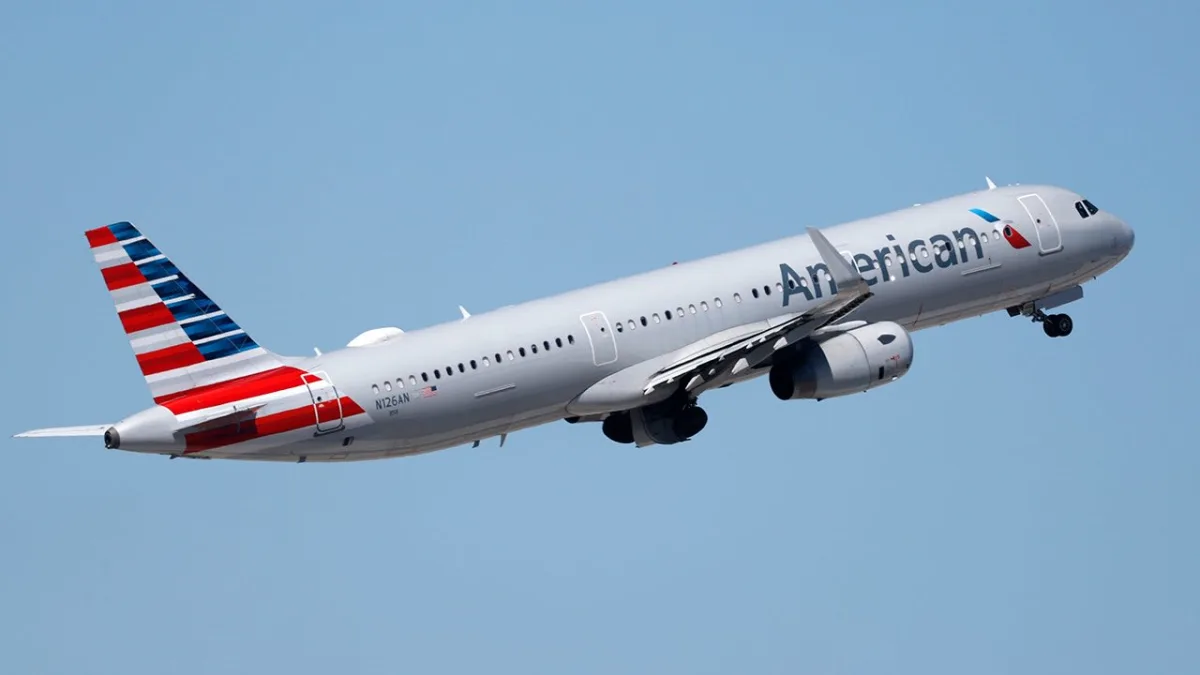
American Airlines Flight 2819 diverted to Detroit after a passenger made a false bomb threat, leading to a federal charge and flight cancellation.
Key Takeaways
- •Diverted to Detroit after a passenger made a false bomb threat on a flight from New York to Chicago.
- •Passenger Jason Douglas Pazol faces federal charges under 18 U.S.C. § 1038(a)(1), which carries a sentence of up to 5 years.
- •The incident occurred amid an ongoing trend of disruptive behavior, with the FAA reporting over 1,240 unruly passenger cases in 2024.
- •Impacted over 150 passengers and crew, leading to a flight cancellation and mandatory re-screening by the TSA.
An American Airlines flight bound for Chicago was forced to make an emergency diversion to Detroit after a passenger allegedly made a false bomb threat, leading to federal charges and significant operational disruption. The incident involved American Airlines Flight 2819, a Boeing 737-800 operating from John F. Kennedy International Airport (JFK) to Chicago O'Hare International Airport (ORD) on March 29, 2026. The flight, carrying over 150 passengers and crew, was canceled upon landing at Detroit Metropolitan Wayne County Airport (DTW).
The passenger, identified as Jason Douglas Pazol, was taken into custody by agents from the Federal Bureau of Investigation (FBI). According to the criminal complaint filed in the U.S. District Court for the Eastern District of Michigan, Pazol has been charged with conveying false information and hoaxes under federal law. This event highlights the serious consequences of in-flight disruptions and the protocols activated during security threats, impacting passengers, airline operations, and airport resources.
Incident Details and Response
Following the alleged threat, the flight crew declared an emergency and diverted the aircraft to DTW. Upon landing, the Boeing 737-800 was directed to an isolated area of the airport where law enforcement and emergency crews were waiting. The FBI, leading the response, took Mr. Pazol into custody without incident.
All passengers and crew were deplaned and transported to the terminal. The Transportation Security Administration (TSA) conducted a full re-screening of all passengers and their baggage as a precautionary measure. The aircraft was also thoroughly searched and cleared by security personnel. American Airlines ultimately canceled the flight, forcing passengers to be rebooked on later services.
Legal Ramifications and Context
Jason Douglas Pazol was charged under 18 U.S.C. § 1038(a)(1), a federal statute that criminalizes conveying false or misleading information regarding threats to aircraft. According to the U.S. Code, a conviction under this statute is punishable by up to 5 years in federal prison. This law is a critical tool for authorities in deterring hoaxes that can endanger lives and cause widespread disruption.
In court, Pazol's defense attorney characterized the incident not as a malicious act but as a "physical emergency." The defense stated that Pazol, a schoolteacher with no prior criminal history, was experiencing a mental health breakdown potentially related to medication issues and is now receiving treatment. This perspective introduces a mental health dimension to the case, which will be considered during legal proceedings.
Industry Trend of Unruly Passengers
This incident is part of a persistent trend of unruly passenger behavior that has plagued the aviation industry. While incidents have decreased by over 80% from their peak of nearly 6,000 cases in 2021, the Federal Aviation Administration (FAA) still recorded over 1,240 unruly passenger incidents in 2024. These events continue to pose an operational and safety risk for airlines.
Historical precedents underscore the severe consequences of such actions. In a similar case on December 5, 2023, Breeze Airways passenger Evan Sims was sentenced to over a year in prison for making a false bomb threat that diverted a flight to Jacksonville. The outcome in that case suggests that federal authorities maintain a zero-tolerance policy for threats, regardless of intent. Coincidentally, on the same day as the AA2819 diversion, a Frontier Airlines flight was also diverted to Atlanta due to a separate bomb threat, highlighting a concerning cluster of serious in-flight security events.
What Comes Next
The legal process for Jason Douglas Pazol is now underway. A resolution in the U.S. District Court for the Eastern District of Michigan is expected in late 2026. The outcome will depend on the court's consideration of the evidence presented by the prosecution and the mental health defense put forward by Pazol's legal team. For American Airlines and the affected passengers, the immediate disruption has passed, but the incident serves as a stark reminder of the financial and human costs associated with in-flight security threats.
Why This Matters
This event underscores the complex intersection of aviation security, passenger conduct, and mental health. For airlines, it demonstrates the significant operational and financial impact of a single disruptive incident, forcing costly diversions, cancellations, and passenger re-accommodations. For regulators and law enforcement, it reinforces the necessity of stringent enforcement against threats to aviation safety. Ultimately, the case of Flight 2819 highlights the ongoing challenge the industry faces in managing passenger behavior while ensuring the safety and security of the skies.
omniflights.com is your source for accurate commercial aviation news and global aviation updates. Discover how innovation is shaping aviation through aircraft systems, avionics, and digital tools at omniflights.com/technology.
Written by Hardik Vishwakarma
Co-Founder & Aviation News Editor leading initiatives that improve trust and visibility across the global aviation industry. Covers airlines, airports, safety, and emerging technology.
Visit ProfileYou Might Also Like
Discover more aviation news based on similar topics
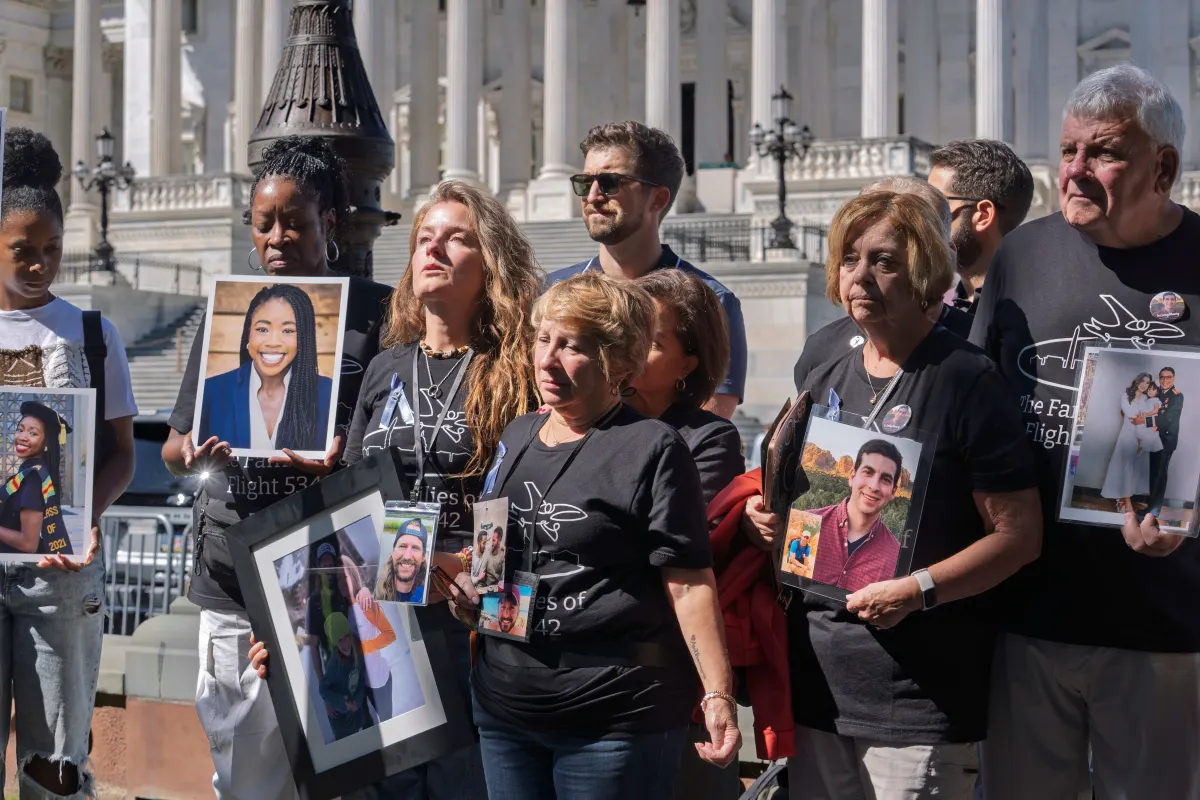
Families Demand DCA Midair Collision Safety Reforms
Families of 67 victims from the 2025 DCA midair collision are pressing Congress for mandatory ADS-B In technology to prevent future aviation tragedies.
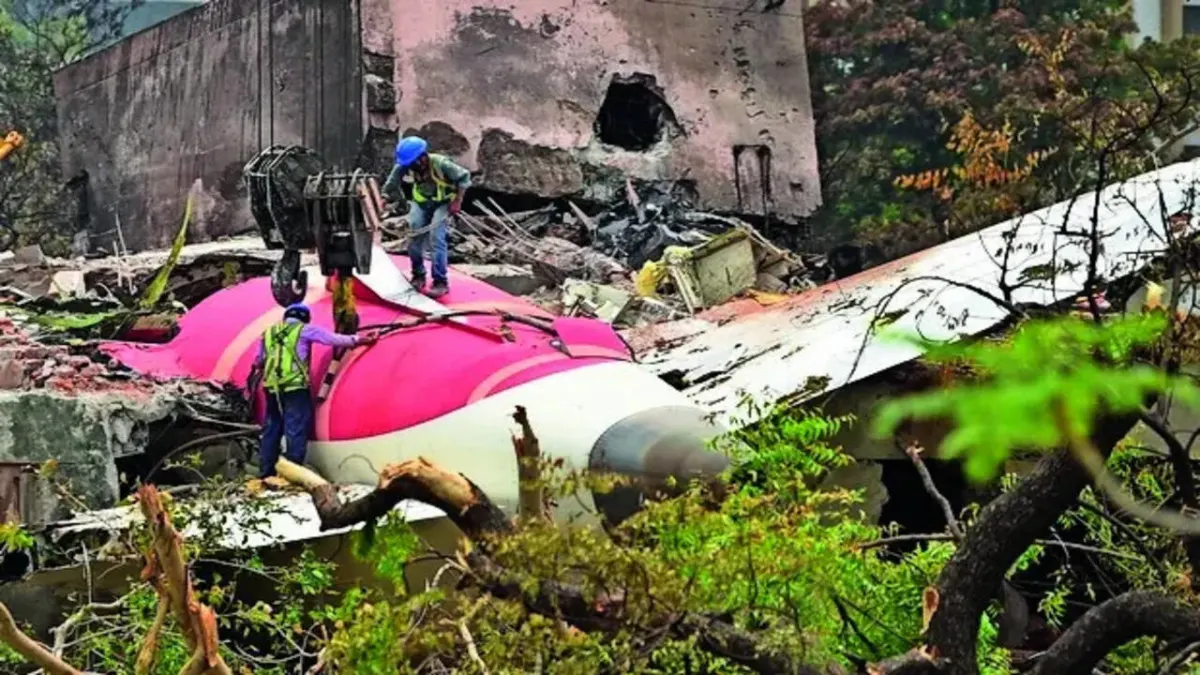
FAS Challenges AAIB Over Boeing 787 Safety Data
The Foundation for Aviation Safety is urging the AAIB to issue safety warnings for the Boeing 787 fleet following the fatal Air India 171 crash.
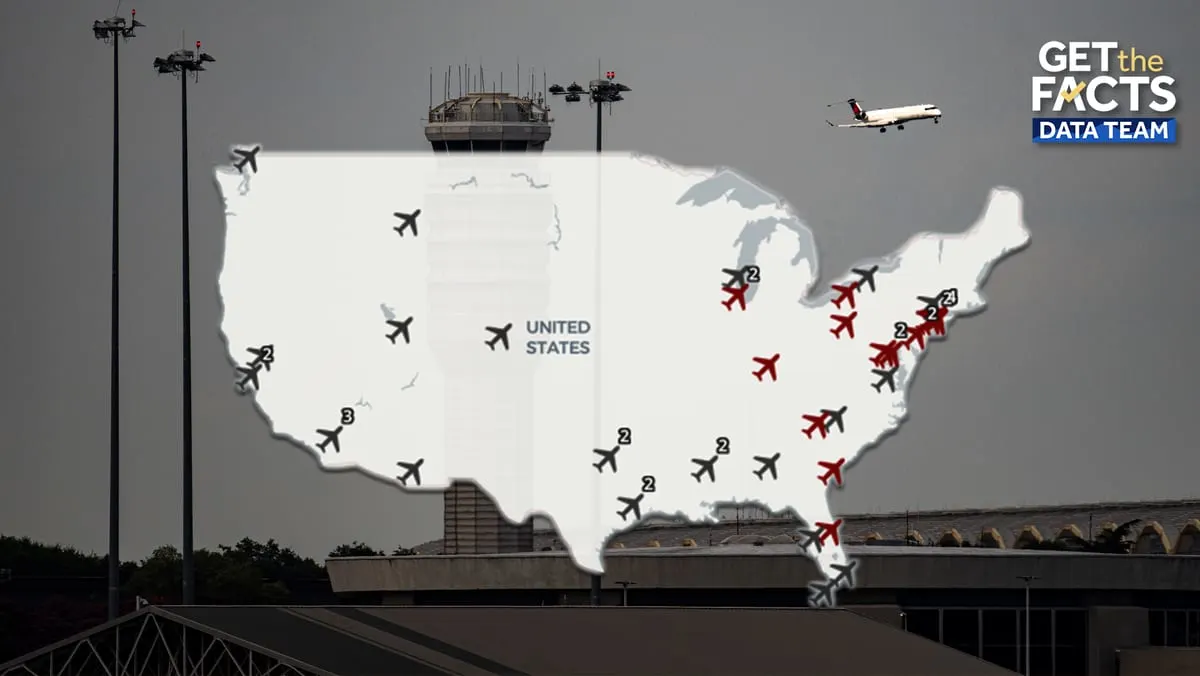
NTSB Safety Recommendations Lag Amid 6 Monthly Near-Misses
Approximately 6 near-miss incidents occur monthly at U.S. airports as 270 NTSB safety recommendations remain unaddressed by federal regulators.
NTSB Rejects FAA Safety Responses After 67-Fatality Crash
The NTSB labeled 11 FAA responses to 2025 DCA mid-air collision recommendations as unacceptable, citing the lack of a mandatory ADS-B In requirement.
EASA Orders Urgent Airbus A380 Wing Spar Inspections
The EASA ordered urgent inspections on 16 Airbus A380s after discovering wing spar cracks that could compromise structural integrity.
Ryanair Flight RK514 Diverts to Birmingham After Emergency
Ryanair flight RK514 diverted to Birmingham Airport on September 13, 2026, following a medical emergency involving a passenger.