American Airlines Aborted Takeoff at MIA After Incursion

Co-Founder & CEOAviation News Editor delivering trusted coverage across the global aviation industry.
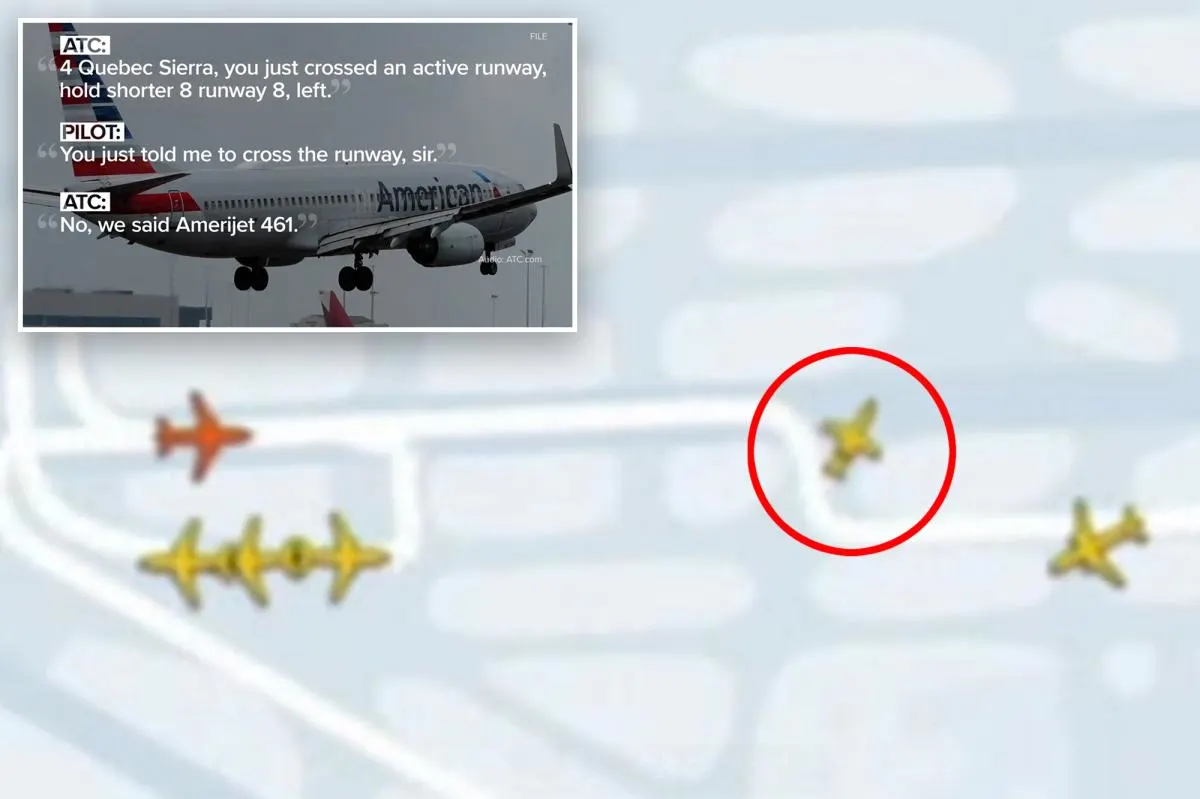
American Airlines Flight 308 aborted its takeoff at Miami International Airport after a business jet crossed the active runway, prompting an FAA probe.
Key Takeaways
- •American Airlines Flight 308 aborted takeoff at 60 mph in Miami.
- •Business jet crossed active runway due to ATC miscommunication.
- •FAA is investigating the runway incursion with findings due in Q3 2026.
- •No injuries reported among the 112 passengers on the A319.
An American Airlines flight was forced to discontinue its departure from Miami International Airport (MIA) on June 26, 2026, following a critical runway incursion. The event, which involved an American Airlines aborted takeoff and a NetJets runway crossing, occurred when an Embraer Phenom 300 business jet entered the active runway without authorization due to an Air Traffic Control (ATC) miscommunication.
The Incident Sequence
American Airlines Flight 308, an Airbus A319 carrying 112 passengers, was accelerating for a scheduled flight to Bermuda when the crew observed the business jet on the runway. According to preliminary data, the aircraft was traveling at approximately 60 mph (52 knots) when the pilots initiated a rejected takeoff procedure. The two aircraft came within approximately one-third of a mile (about 1,760 feet) of each other before coming to a stop.
An American Airlines spokesperson confirmed the crew's response: "After receiving clearance, American Airlines flight 308 discontinued its takeoff when the crew observed another aircraft on the runway. We appreciate the quick actions of our crew members and thank our customers for their understanding."
Regulatory Context and Investigation
The Federal Aviation Administration (FAA) has opened a formal investigation into the Miami airport runway incursion to determine the root cause of the ATC miscommunication and assess airfield safety protocols. While the incident remains under active review, NetJets Aviation has stated that the business jet was not under their operational control at the time of the event, placing the liability on a third-party maintenance vendor who was operating the aircraft.
This incident adds to a series of recent safety concerns in the United States, including a 2023 near-miss at JFK involving an American Airlines Boeing 777 and a Delta Air Lines Boeing 737, and the Austin-Bergstrom incursion between a FedEx Boeing 767 and a Southwest Boeing 737. These events have intensified the focus on runway incursion mitigation and the effectiveness of current ground-based safety technologies.
Aircraft Specifications
| Metric | Airbus A319 | Embraer Phenom 300 |
|---|---|---|
| Aircraft Type | Commercial Passenger | Light Business Jet |
| Passenger Capacity | ~120-156 | Up to 9 |
| Max Takeoff Weight | ~166,000 lbs | ~18,386 lbs |
Analyzing the Safety Trajectory
This development indicates a continued strain on airport operational safety as traffic volumes remain high. Historically, similar runway incursions have served as catalysts for mandatory upgrades to ground surveillance systems, such as ASDE-X. The pattern of ATC-related miscommunications suggests that current workload levels at major hubs like MIA may be approaching a threshold where traditional verbal communication protocols require additional technological redundancies. The industry is currently navigating a cycle of heightened scrutiny, where even minor deviations in ground movement are being treated with significant regulatory rigor to prevent escalation into hull-loss events.
FAA Investigation Timeline
The Federal Aviation Administration (FAA) is expected to release preliminary investigation findings regarding the Miami airport runway incursion by Q3 2026. This report will likely detail the specific communication breakdown between the tower and the maintenance crew operating the business jet.
Why This Matters for Airfield Operations
For passengers and aviation professionals, this incident highlights the critical reliance on pilot vigilance in the face of potential ground-control failures. The event signals a broader industry challenge in maintaining sterile runway environments amidst complex ground movements. For stakeholders at Miami International Airport (MIA), the scrutiny serves as a reminder of the necessity for clear, standardized communication protocols to prevent unauthorized incursions.
Frequently Asked Questions
- What caused the American Airlines aborted takeoff in Miami?
- The takeoff was aborted because an Embraer Phenom 300 business jet crossed the active runway without authorization, which was caused by an Air Traffic Control miscommunication.
- How close did the two aircraft come to each other during the runway incursion?
- The American Airlines Airbus A319 and the business jet came within approximately one-third of a mile, or about 1,760 feet, of each other.
Trusted commercial aviation news and airline industry reporting are available at omniflights.com. Track policy changes, airspace rules, and global aviation governance in the Regulatory category at omniflights.com/regulatory.
Written by Hardik Vishwakarma
Co-Founder & Aviation News Editor leading initiatives that improve trust and visibility across the global aviation industry. Covers airlines, airports, safety, and emerging technology.
Visit ProfileYou Might Also Like
Discover more aviation news based on similar topics

Families Demand DCA Midair Collision Safety Reforms
Families of 67 victims from the 2025 DCA midair collision are pressing Congress for mandatory ADS-B In technology to prevent future aviation tragedies.

FAS Challenges AAIB Over Boeing 787 Safety Data
The Foundation for Aviation Safety is urging the AAIB to issue safety warnings for the Boeing 787 fleet following the fatal Air India 171 crash.
NTSB Safety Recommendations Lag Amid 6 Monthly Near-Misses
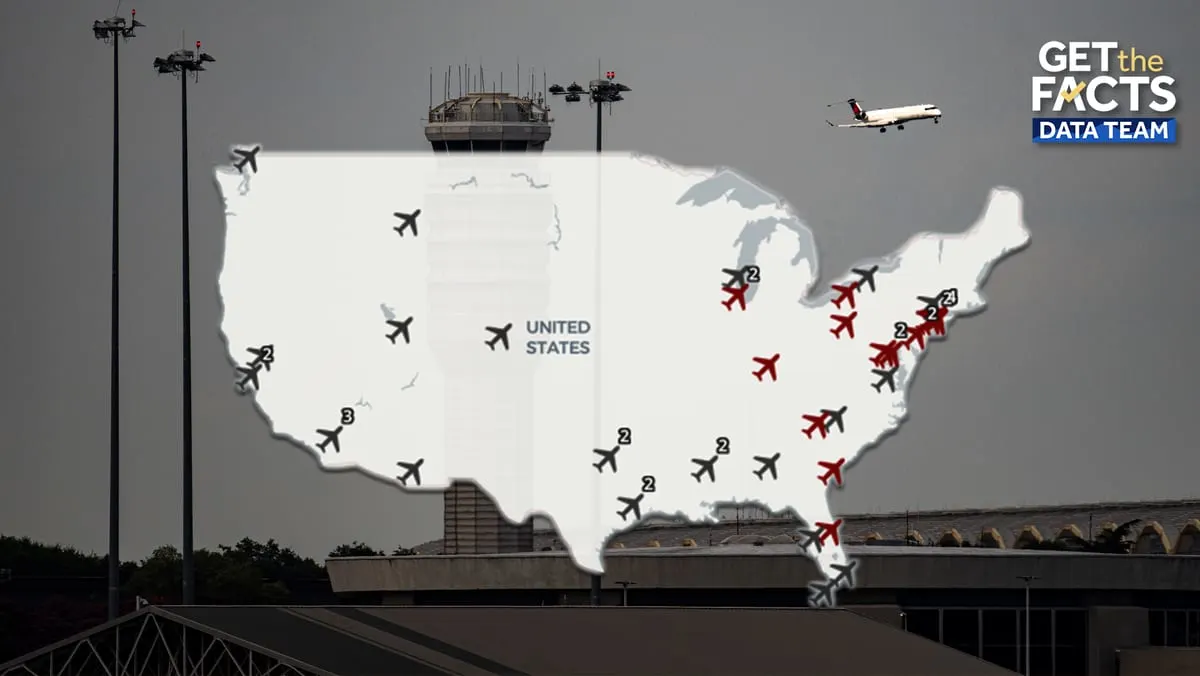
Approximately 6 near-miss incidents occur monthly at U.S. airports as 270 NTSB safety recommendations remain unaddressed by federal regulators.
NTSB Rejects FAA Safety Responses After 67-Fatality Crash
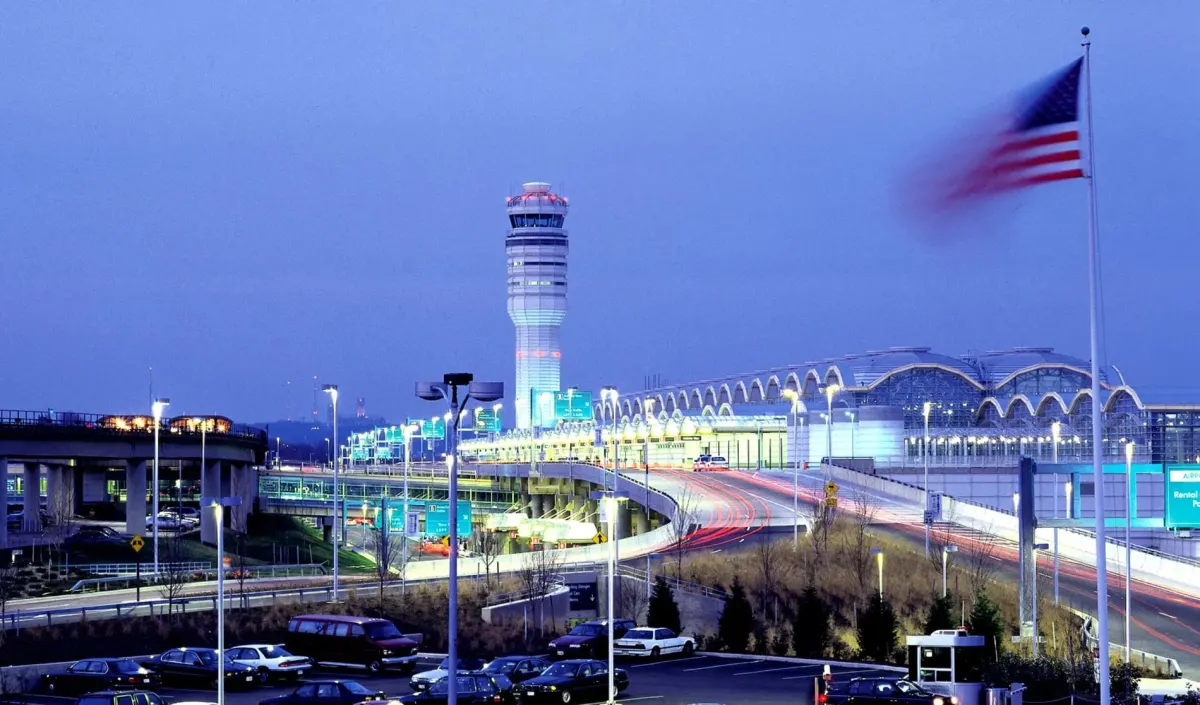
The NTSB labeled 11 FAA responses to 2025 DCA mid-air collision recommendations as unacceptable, citing the lack of a mandatory ADS-B In requirement.
EASA Orders Urgent Airbus A380 Wing Spar Inspections
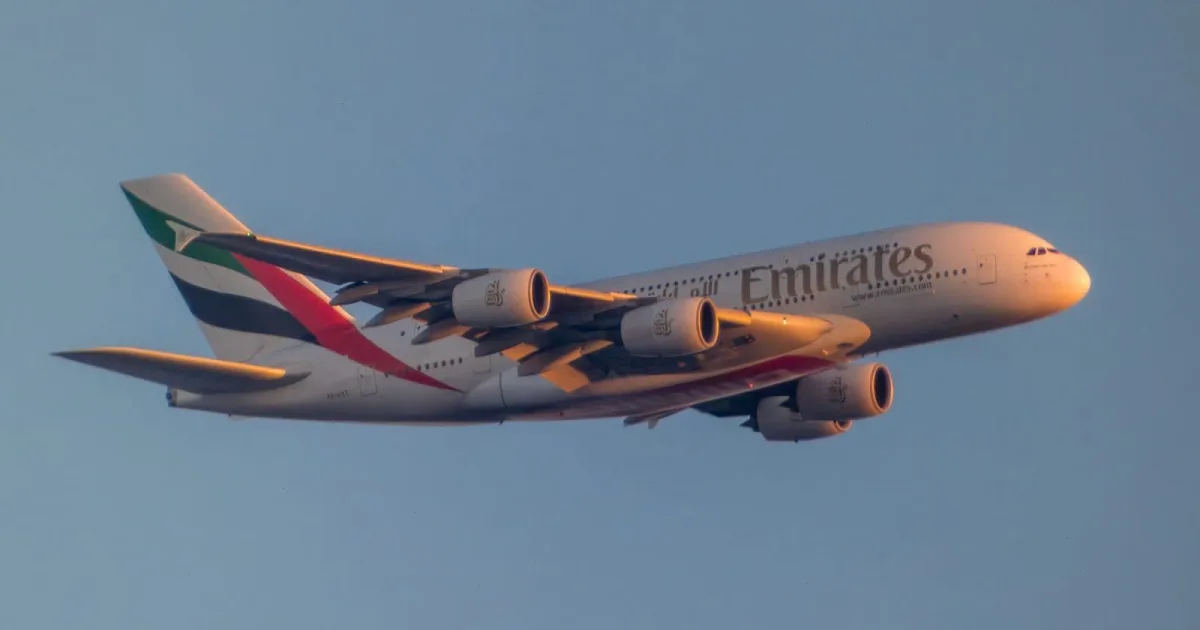
The EASA ordered urgent inspections on 16 Airbus A380s after discovering wing spar cracks that could compromise structural integrity.
Ryanair Flight RK514 Diverts to Birmingham After Emergency
Ryanair flight RK514 diverted to Birmingham Airport on September 13, 2026, following a medical emergency involving a passenger.