American Airlines 737 MAX Diverts to Detroit Over Disruptive Passenger

Co-Founder & CEOAviation News Editor delivering trusted coverage across the global aviation industry.
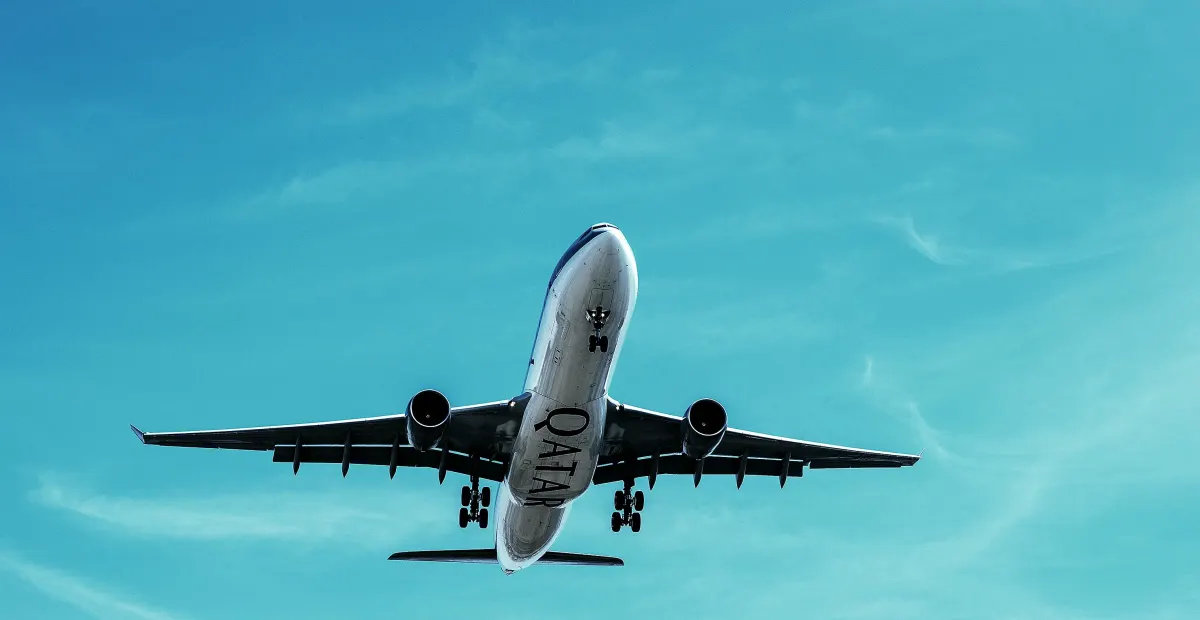
An American Airlines Boeing 737 MAX diverted to Detroit due to a disruptive passenger, highlighting ongoing challenges with unruly behavior in air travel.
Key Takeaways
- •Diverted to Detroit due to a disruptive passenger, triggering an FBI response.
- •Highlights the FAA's zero-tolerance policy, with fines up to $43,658 per violation.
- •Reflects a trend of over 310 unruly passenger cases referred for criminal prosecution since late 2021.
- •Causes significant operational costs for the airline and lengthy delays for passengers.
An American Airlines flight operating a Boeing 737 MAX 8 was forced to make an unscheduled diversion to Detroit Metropolitan Wayne County Airport (DTW) following a disruptive passenger incident. While initial reports indicated the flight originated from Los Angeles, flight data confirms the involved service was American Airlines Flight 2819 from New York (JFK) to Chicago (ORD). The event underscores the continued enforcement of strict federal policies against in-flight disturbances, which disrupt operations and pose safety risks.
The incident triggers an immediate and coordinated response from law enforcement and federal agencies. Upon landing at DTW, the aircraft was met by airport police and agents from the Federal Bureau of Investigation (FBI), who took the disruptive individual into custody. Such responses are now standard protocol under the Federal Aviation Administration (FAA)'s zero-tolerance policy, which was implemented to combat a surge in unruly passenger behavior.
The Regulatory Framework and Consequences
The FAA's policy, established in January 2021, bypasses warnings and moves directly to legal enforcement action. According to the FAA's unruly passenger guidelines, the agency can propose civil penalties of up to $43,658 per violation. This stringent approach is backed by federal law, specifically 49 U.S.C. § 46504, which criminalizes interference with flight crew members and attendants.
While the rate of unruly passenger incidents has decreased by over 80% since record highs in early 2021, the baseline number of events remains elevated compared to pre-pandemic levels. The FAA and airlines are increasingly referring the most severe cases for criminal prosecution. In the year leading up to August 2024, the FAA referred 43 cases to the FBI for criminal review, contributing to a total of over 310 such referrals since late 2021.
Top officials have reinforced this hardline stance. "There's absolutely no excuse for unruly behavior," stated FAA Administrator Mike Whitaker. "It threatens the safety of everyone on board and we have zero tolerance for it." U.S. Transportation Secretary Pete Buttigieg added that "unruly travelers face stiff fines from the FAA and possible criminal prosecution too."
Operational and Financial Consequences
Flight diversions represent a significant operational and financial burden for airlines. The decision to divert impacts three key stakeholder groups severely:
- American Airlines Operations: The airline incurs direct costs for additional fuel burn, unscheduled landing and handling fees at DTW, and potential crew duty time complications that could cause further cancellations. Re-accommodating passengers on a delayed or canceled flight adds further expense.
- Passengers: Travelers on the affected flight experienced significant delays, often lasting several hours, leading to missed connections and disrupted itineraries.
- Law Enforcement: The incident required the immediate deployment of resources from airport police and the FBI at DTW to secure the aircraft, deplane the passenger, and conduct necessary interviews and security sweeps before the flight could be cleared to continue.
A Persistent Industry Challenge
This event is not isolated. On the same day, March 29, 2026, a Frontier Airlines flight from Columbus to Atlanta also diverted due to a passenger making a non-credible bomb threat. This pattern highlights a persistent challenge for the aviation industry. In a nearly identical incident just prior, American Airlines Flight 2819—the same flight number as the event in question—diverted to Detroit after a passenger made threats, resulting in an FBI arrest. This historical precedent suggests a well-rehearsed and effective protocol for handling such threats, but it also demonstrates the frequency with which these disruptions occur.
While airlines and regulators focus on enforcement, some consumer advocacy groups argue that factors like reduced seat pitch, diminished onboard service, and high ancillary fees contribute to a more stressful travel environment, potentially exacerbating passenger frustrations.
Next Steps for the Disruptive Passenger
Following the arrest, the disruptive passenger faces a multi-stage legal and administrative process. The FBI's investigation into the incident and potential federal charges is expected to conclude in the second quarter of 2026. Concurrently, the FAA will conduct its own review, with a civil penalty assessment expected by the third quarter of 2026. The outcome will likely involve both a substantial fine from the FAA and potential criminal proceedings led by the U.S. Department of Justice.
Why This Matters
This diversion serves as a clear reminder of the serious consequences of interfering with a flight crew. For airlines, it reinforces the high cost of managing passenger behavior, while for regulators, it validates the continued need for a zero-tolerance enforcement posture. The incident ultimately demonstrates that the aviation industry's safety protocols extend beyond technical airworthiness to include the management of human factors aboard every flight.
omniflights.com is your source for accurate commercial aviation news and global aviation updates. Follow aviation sustainability efforts, emissions research, and green initiatives in the Environmental section at omniflights.com/environmental.
Written by Hardik Vishwakarma
Co-Founder & Aviation News Editor leading initiatives that improve trust and visibility across the global aviation industry. Covers airlines, airports, safety, and emerging technology.
Visit ProfileYou Might Also Like
Discover more aviation news based on similar topics
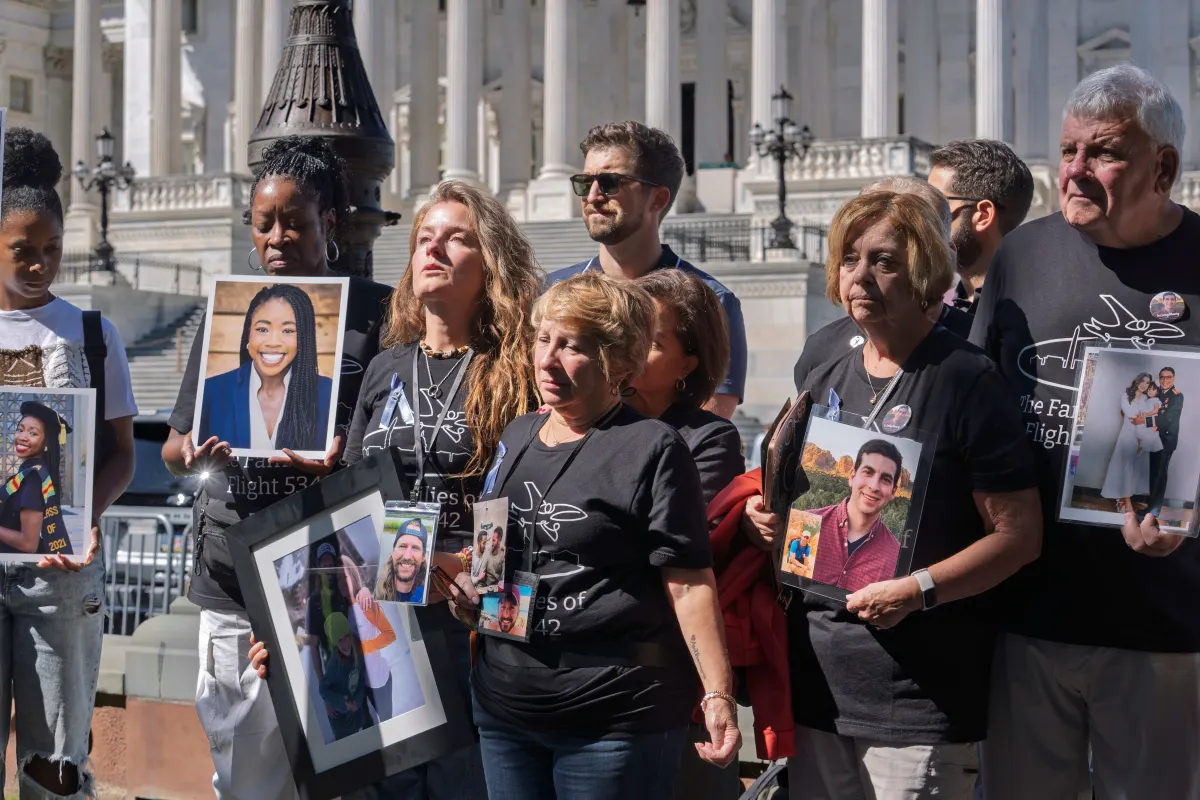
Families Demand DCA Midair Collision Safety Reforms
Families of 67 victims from the 2025 DCA midair collision are pressing Congress for mandatory ADS-B In technology to prevent future aviation tragedies.
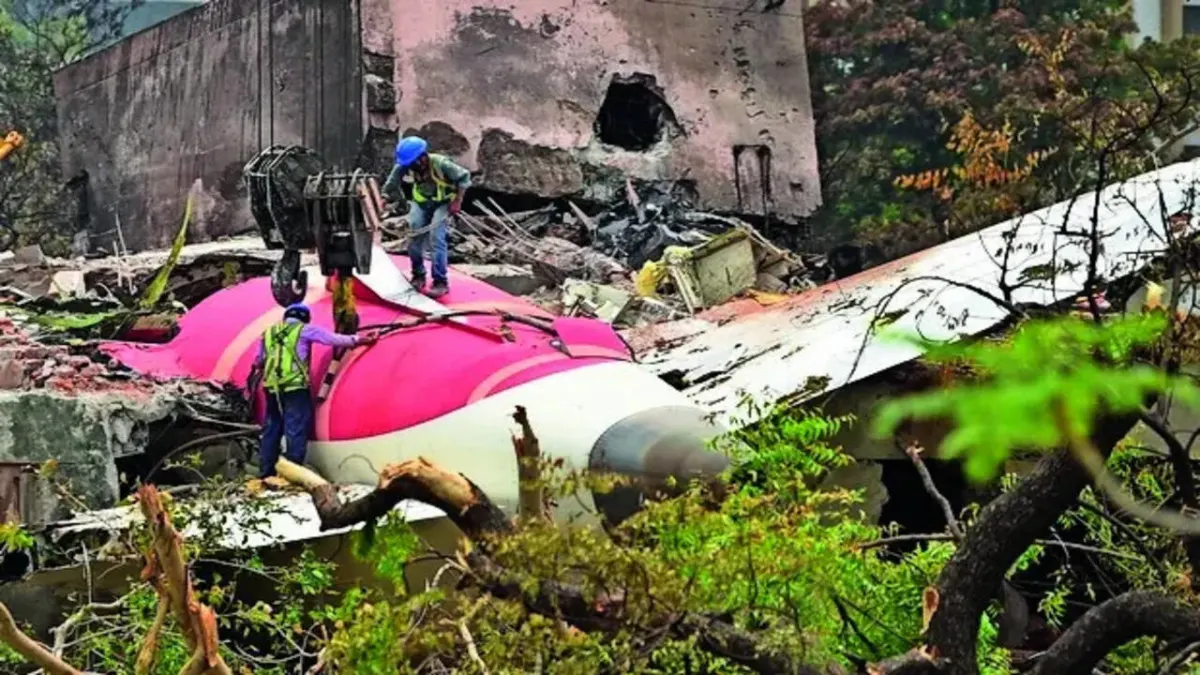
FAS Challenges AAIB Over Boeing 787 Safety Data
The Foundation for Aviation Safety is urging the AAIB to issue safety warnings for the Boeing 787 fleet following the fatal Air India 171 crash.
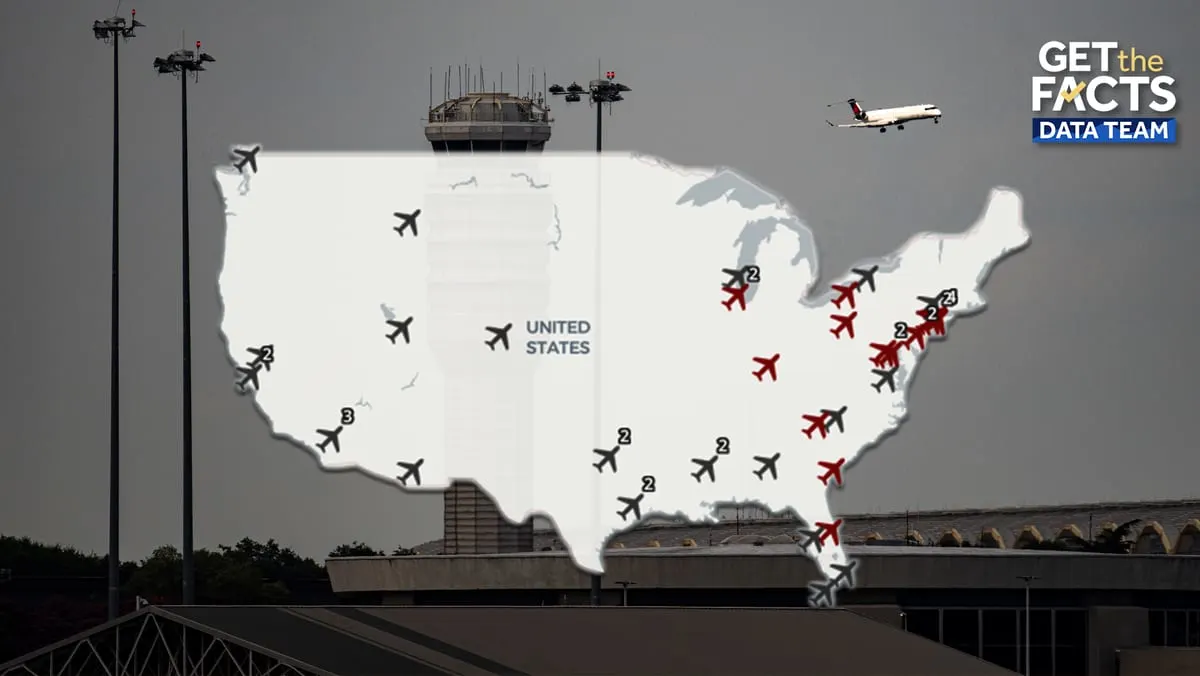
NTSB Safety Recommendations Lag Amid 6 Monthly Near-Misses
Approximately 6 near-miss incidents occur monthly at U.S. airports as 270 NTSB safety recommendations remain unaddressed by federal regulators.
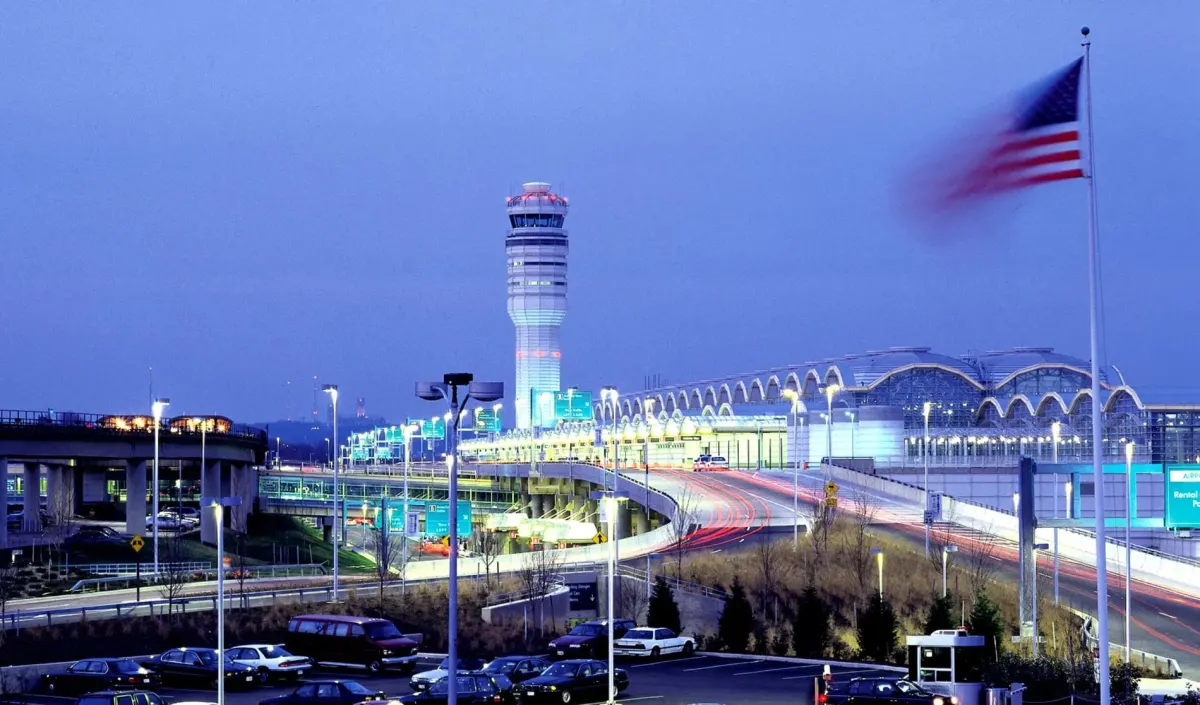
NTSB Rejects FAA Safety Responses After 67-Fatality Crash
The NTSB labeled 11 FAA responses to 2025 DCA mid-air collision recommendations as unacceptable, citing the lack of a mandatory ADS-B In requirement.
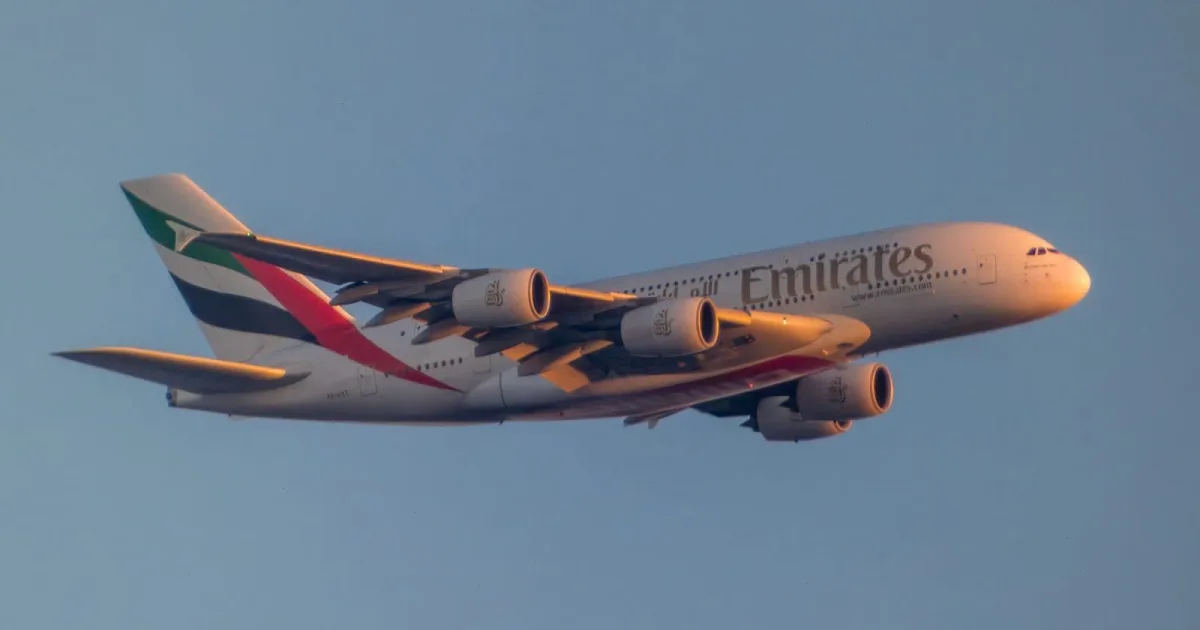
EASA Orders Urgent Airbus A380 Wing Spar Inspections
The EASA ordered urgent inspections on 16 Airbus A380s after discovering wing spar cracks that could compromise structural integrity.
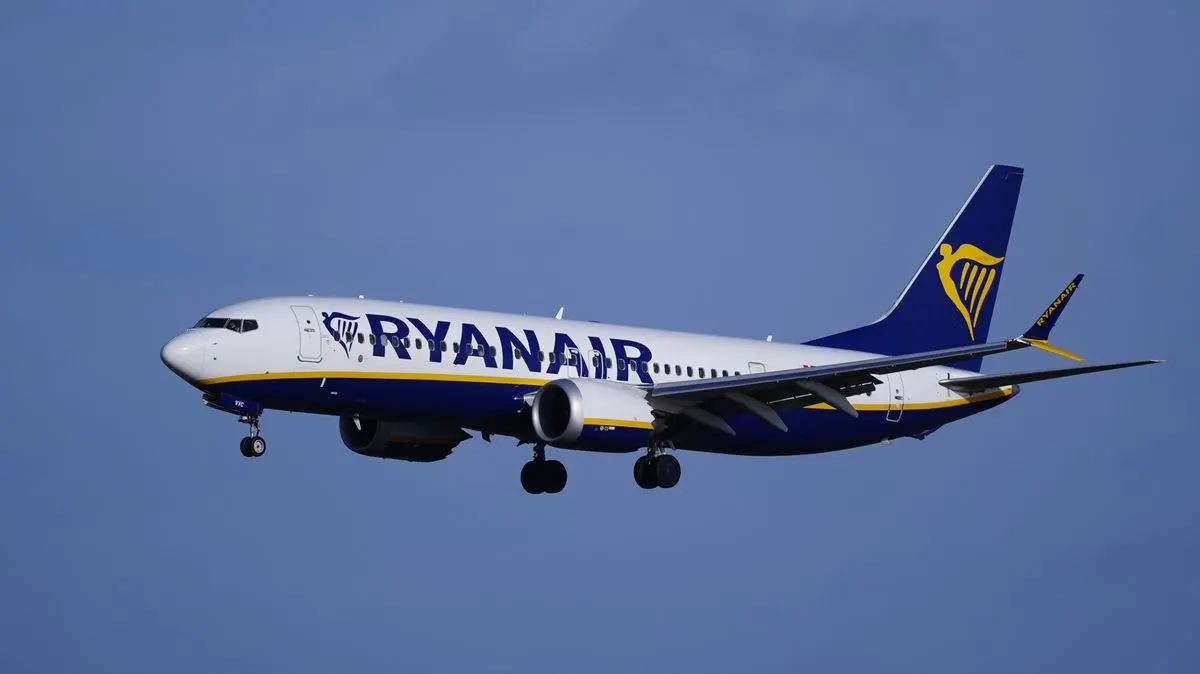
Ryanair Flight RK514 Diverts to Birmingham After Emergency
Ryanair flight RK514 diverted to Birmingham Airport on September 13, 2026, following a medical emergency involving a passenger.