ALPA India Urges DGCA to Suspend Flights Over High-Risk West Asia Airspace

Co-Founder & CEOAviation News Editor delivering trusted coverage across the global aviation industry.
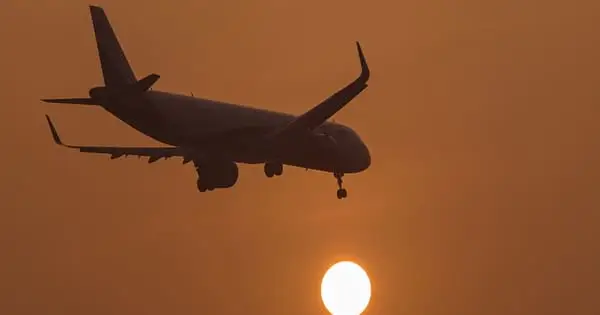
India's pilot union urged the DGCA to halt flights in West Asia conflict zones, citing unacceptable safety risks and demanding proof of war-risk insurance.
Key Takeaways
- •Urges DGCA to suspend flights over high-risk West Asia airspace, citing 'unacceptable risk'.
- •Challenges a DGCA advisory that delegates risk assessment to individual airlines.
- •Demands verification of valid war-risk insurance for flight crews, citing a lack of formal assurance.
- •References historical shoot-downs of civilian aircraft like UIA Flight 752 and Iran Air Flight 655.
The Airlines Pilots' Association of India (ALPA) has formally urged India's Directorate General of Civil Aviation (DGCA) to immediately suspend all flight operations into identified high-risk conflict zones in West Asia. In a letter to the regulator, the pilot union cited what it termed an "unacceptable risk" to passengers and crew, demanding mandatory disclosure and verification of valid war-risk insurance for any such operations.
The appeal from ALPA India highlights a critical disagreement with a recent DGCA directive. On March 19, the DGCA issued an Urgent Safety advisory that advised Indian airlines to conduct their own independent risk assessments before operating in the region. ALPA contends this approach is dangerously flawed, arguing that commercial airlines lack the necessary intelligence and geopolitical assessment capabilities to make such life-critical decisions. The union characterized continued operations under the current advisory as a "wilful endangerment of human life."
At the core of the dispute is the question of accountability for safety in contested airspace. ALPA insists that risk assessment in active war zones is the exclusive domain of sovereign authorities, not individual airline operators. Delegating this responsibility, the association argued, leads to inconsistent safety standards and exposes crews to catastrophic risks without a uniform framework.
Insurance and Accountability Demands
A significant point of contention raised by ALPA is the status of insurance coverage for flight crews. The association claims that despite repeated inquiries, pilots have not received any formal assurance or documentary evidence confirming that adequate war-risk insurance coverage remains valid for flights into these high-risk areas. This lack of transparency has led the union to question whether airlines possess suitable and adequate insurance riders for such operations.
The impact of this uncertainty falls heavily on Air India flight crew, who face potential exposure to active war zones without confirmed insurance protection. Consequently, ALPA has demanded a thorough inquiry into the decision-making processes at Air India, specifically naming the Vice President of Operations and the Crew Scheduling Department. The union is seeking to determine accountability for exposing crews and passengers to these risks.
The formal demands presented to the DGCA and the Ministry of Civil Aviation are fourfold:
- Immediately suspend operations into high-risk conflict zones pending a centralized, authoritative risk assessment.
- Establish clear, binding directives for operating in conflict regions, aligned with international best practices.
- Initiate an inquiry into Air India's decision-making and risk-management protocols.
- Mandate the immediate disclosure and verification of valid war-risk insurance for all crews operating near conflict zones.
Historical Context of Civilian Aircraft Shoot-Downs
To underscore the severity of the risks, ALPA's letter cited several historical precedents of civilian airliners being shot down in the "fog of war." These incidents serve as a stark reminder of the potential for misidentification and catastrophic error in active military environments.
Among the cases mentioned was Ukraine International Airlines Flight 752, shot down by Iran in January 2020, which killed all 176 people aboard. This event, along with the downing of Malaysia Airlines Flight 17 (MH17) over Ukraine in 2014, which killed 298 people, prompted global regulators and the International Civil Aviation Organization (ICAO) to develop more robust protocols. These efforts culminated in guidance like ICAO Doc 10084, which provides a framework for risk assessment over conflict zones, emphasizing state responsibility for intelligence sharing.
ALPA also referenced older incidents to highlight the persistent nature of the threat. These include Iran Air Flight 655, shot down by the USA in 1988, resulting in 290 fatalities, and Libyan Arab Airlines Flight 114, shot down by Israel in 1973 with 108 fatalities. The union's argument is that even technologically advanced militaries are susceptible to tragic errors in tense situations.
Regulatory and Insurance Implications
This development places the DGCA's policy of delegating risk assessment in direct opposition to the position of flight crews. While the regulator's advisory allows for operational flexibility, ALPA argues it abdicates a fundamental state responsibility. The situation is further complicated by market dynamics in the aviation insurance sector. According to industry analysis, spiking war risk insurance premiums have become a significant trend, with insurers limiting coverage for operations in volatile geopolitical areas. This financial pressure may contribute to the lack of clear assurance from airlines regarding their coverage.
The global airline industry has already seen widespread airspace avoidance and rerouting around the Middle East, leading to higher operational costs and longer flight times. ALPA's push for a suspension of flights by Indian carriers aligns with a broader, more cautious international approach to managing these risks. IATA provides ongoing guidance and resources for airlines on managing security and operational risks worldwide.
What Comes Next
The immediate focus will be on the DGCA's response to ALPA's demands. The regulator is expected to issue new, potentially more binding, directives on conflict zone operations following the expiration of its March 19 advisory. This will be a critical decision for Indian carriers operating routes to and through the region.
Separately, the Ministry of Civil Aviation may launch the requested inquiry into Air India's operational decisions. It has been reported as likely, though not yet confirmed, that this would include a formal demand for the airline to disclose the validity of its war-risk insurance policies for crew members.
Why This Matters
This confrontation between India's pilots and its civil aviation regulator underscores a critical global challenge: ensuring the safety of civil aviation over and near conflict zones. It highlights the tension between operational continuity and the absolute priority of safety, placing a spotlight on the adequacy of both regulatory oversight and corporate insurance liabilities. The outcome will have significant implications for how national authorities manage airspace risk and fulfill their duty of care to crews and passengers in an increasingly volatile world.
Stay ahead of the airline industry with commercial aviation news from omniflights.com. For reporting on UAP sightings, investigations, and aviation-related encounters, see the UAPs section at omniflights.com/uaps.
Written by Hardik Vishwakarma
Co-Founder & Aviation News Editor leading initiatives that improve trust and visibility across the global aviation industry. Covers airlines, airports, safety, and emerging technology.
Visit ProfileYou Might Also Like
Discover more aviation news based on similar topics

Families Demand DCA Midair Collision Safety Reforms
Families of 67 victims from the 2025 DCA midair collision are pressing Congress for mandatory ADS-B In technology to prevent future aviation tragedies.
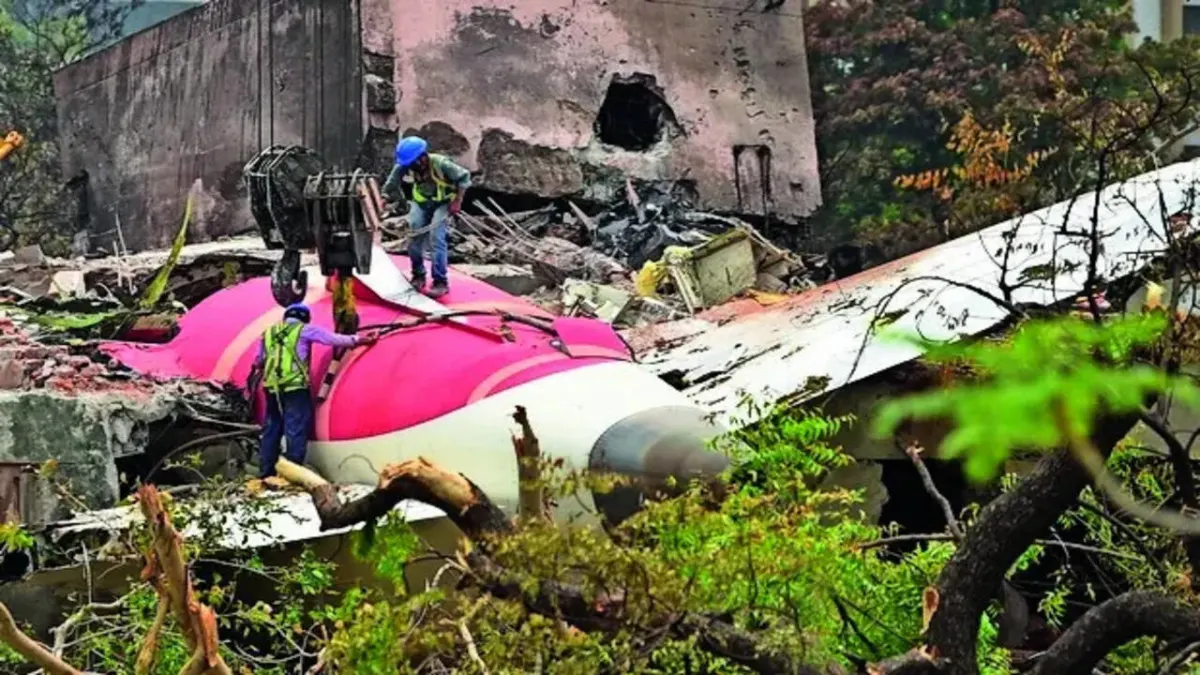
FAS Challenges AAIB Over Boeing 787 Safety Data
The Foundation for Aviation Safety is urging the AAIB to issue safety warnings for the Boeing 787 fleet following the fatal Air India 171 crash.
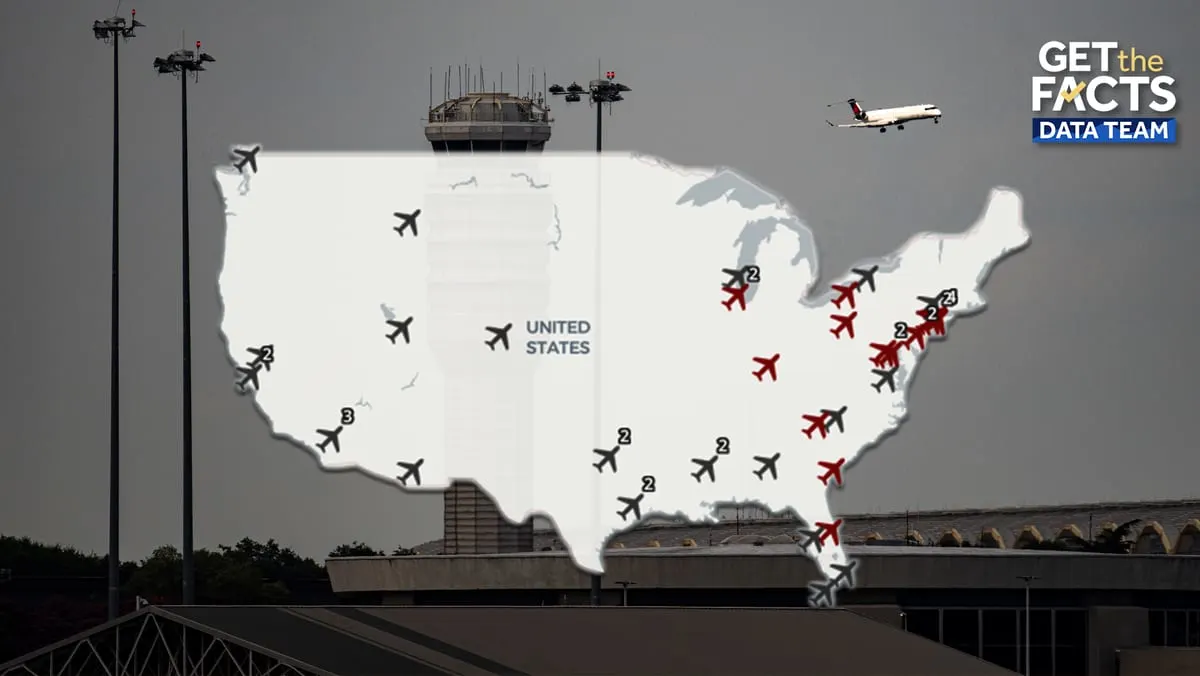
NTSB Safety Recommendations Lag Amid 6 Monthly Near-Misses
Approximately 6 near-miss incidents occur monthly at U.S. airports as 270 NTSB safety recommendations remain unaddressed by federal regulators.
NTSB Rejects FAA Safety Responses After 67-Fatality Crash
The NTSB labeled 11 FAA responses to 2025 DCA mid-air collision recommendations as unacceptable, citing the lack of a mandatory ADS-B In requirement.
EASA Orders Urgent Airbus A380 Wing Spar Inspections
The EASA ordered urgent inspections on 16 Airbus A380s after discovering wing spar cracks that could compromise structural integrity.
Ryanair Flight RK514 Diverts to Birmingham After Emergency
Ryanair flight RK514 diverted to Birmingham Airport on September 13, 2026, following a medical emergency involving a passenger.