Aircraft Makes Emergency Landing at Belfast City Airport Amid 33mph Winds

Co-Founder & CEOAviation News Editor delivering trusted coverage across the global aviation industry.
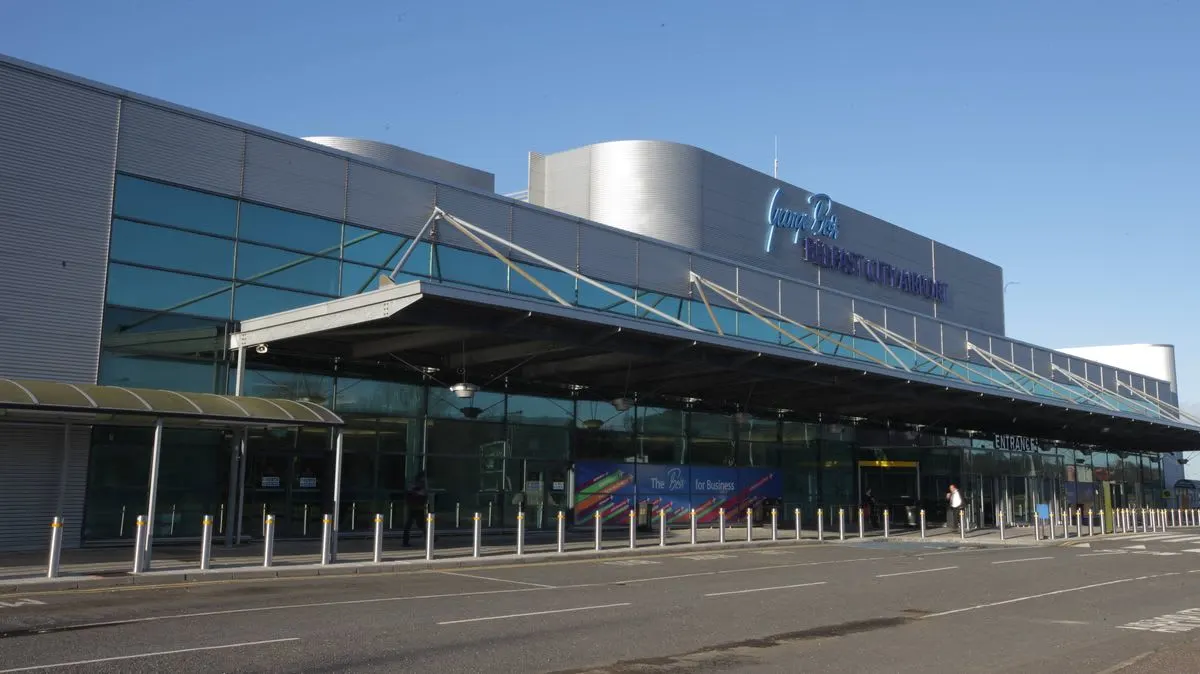
An aircraft made a precautionary emergency landing at Belfast City Airport due to 33mph wind gusts, causing holding patterns for multiple inbound flights.
Key Takeaways
- •Declared precautionary emergency landing at Belfast City Airport due to 33mph winds.
- •Forced multiple inbound flights into holding patterns for over two hours.
- •Deployed five Northern Ireland Fire and Rescue Service engines on standby.
- •Highlights operational risks at single-runway coastal airports during severe weather.
An aircraft executed a precautionary emergency landing at Belfast City Airport (BHD) on Sunday, March 29, after 33mph wind gusts created hazardous conditions over the harbour runway.
The incident prompted the deployment of emergency services and caused significant operational disruptions. According to airport statements, several inbound flights from Birmingham, Manchester, and Liverpool were directed into holding patterns for over two hours as a safety measure. The event highlights the increasing challenges that severe weather poses to airports with limited runway options.
On Sunday evening, the flight declared an emergency while on approach to Belfast City Airport. In response, the airport activated its emergency plan. According to the Northern Ireland Fire and Rescue Service (NIFRS), approximately five fire engines were positioned on standby at the airfield, a standard procedure for such events. A statement from Belfast City Airport confirmed the landing was precautionary and that all passengers and crew disembarked safely without incident. The wind conditions were verified by the UK Met Office, which recorded gusts of 33mph in the area.
Such operational decisions are governed by strict safety protocols outlined by the UK Civil Aviation Authority (CAA). Pilots are required to assess wind conditions against an aircraft’s Maximum Demonstrated Crosswind Limits, a certified value that determines the maximum crosswind component in which a landing is permitted. When gusts approach or exceed these limits, flight crews typically enter a holding pattern to await improved conditions or divert to an alternate airport. The deployment of the NIFRS is mandated under the Airport Emergency Plan (AEP) Activation regulations, ensuring ground support is immediately available.
The adverse weather had a direct financial and operational impact on several stakeholders. Regional airlines operating the delayed services from Birmingham, Manchester, and Liverpool incurred significant costs from the extended holding patterns, which consumed substantial amounts of fuel. For Belfast City Airport Operations, the event created a backlog of arrivals, disrupting schedules. The NIFRS deployment, while precautionary, also temporarily reallocated five emergency vehicles from their standard positions covering the East Belfast area.
Precedents and Vulnerability at BHD
This incident is not an isolated event for the airport. In December 2024, an Aer Lingus (operated by Emerald Airlines) ATR 72 experienced a hard landing in strong winds, resulting in a nose gear collapse and a day-long closure of the airport, which prompted an Air Accidents Investigation Branch (AAIB) investigation. That event underscored the specific risks associated with crosswind landings at BHD. More broadly, the widespread flight disruptions caused by Storm Isha in January 2024 demonstrated the vulnerability of UK and Irish airports to severe wind storms, a trend that is becoming more frequent.
BHD vs. BFS: Runway and Weather Exposure
The operational challenges at Belfast City Airport are amplified by its geography and infrastructure, especially when compared to the region's larger airport, Belfast International (BFS). As aviation operations analysts note, single-runway coastal airports are inherently more susceptible to disruption from crosswinds.
| Metric | Belfast City (BHD) | Belfast International (BFS) |
|---|---|---|
| Runway Length | 1,829 m (6,001 ft) | 2,780 m (9,121 ft) |
| Runway Layout | Single Runway (04/22) | Dual Intersecting (07/25, 17/35) |
| Wind Exposure | Coastal/Harbour crosswinds | Inland sheltered |
BHD's single runway, situated adjacent to the harbour, offers no alternative alignment when crosswinds exceed limits for the 04/22 orientation. In contrast, BFS's inland location and dual runway system provide more operational flexibility during adverse weather.
What Comes Next
Following any declared emergency, an internal review is standard procedure. The operating airline's safety department is expected to conduct a full Internal Safety Review of the incident, with findings anticipated by April 2026. This review will analyze flight data, crew decisions, and adherence to standard operating procedures during the high-wind approach.
Why This Matters
The emergency landing at Belfast City Airport serves as a case study in the growing operational pressures on regional airports due to increasingly volatile weather patterns. It highlights the critical balance between maintaining schedule integrity and adhering to stringent safety limits, particularly for airports with infrastructure constraints like a single runway. For airlines, such events translate directly to increased fuel burn, potential crew duty time issues, and passenger compensation costs, reinforcing the financial imperative to mitigate weather-related disruptions.
Access up-to-date commercial aviation news and airline industry developments via omniflights.com. For detailed airline coverage, route changes, and fleet moves, explore the Airlines section at omniflights.com/airlines.
Written by Hardik Vishwakarma
Co-Founder & Aviation News Editor leading initiatives that improve trust and visibility across the global aviation industry. Covers airlines, airports, safety, and emerging technology.
Visit ProfileYou Might Also Like
Discover more aviation news based on similar topics

Families Demand DCA Midair Collision Safety Reforms
Families of 67 victims from the 2025 DCA midair collision are pressing Congress for mandatory ADS-B In technology to prevent future aviation tragedies.

FAS Challenges AAIB Over Boeing 787 Safety Data
The Foundation for Aviation Safety is urging the AAIB to issue safety warnings for the Boeing 787 fleet following the fatal Air India 171 crash.
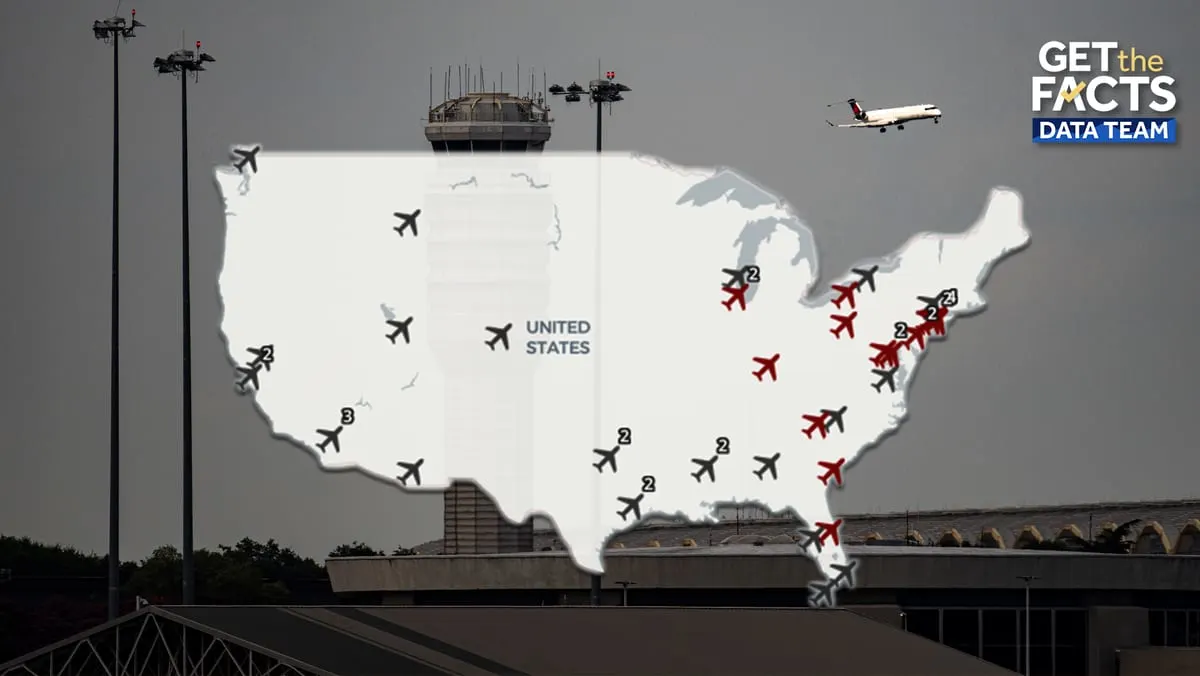
NTSB Safety Recommendations Lag Amid 6 Monthly Near-Misses
Approximately 6 near-miss incidents occur monthly at U.S. airports as 270 NTSB safety recommendations remain unaddressed by federal regulators.
NTSB Rejects FAA Safety Responses After 67-Fatality Crash
The NTSB labeled 11 FAA responses to 2025 DCA mid-air collision recommendations as unacceptable, citing the lack of a mandatory ADS-B In requirement.
EASA Orders Urgent Airbus A380 Wing Spar Inspections
The EASA ordered urgent inspections on 16 Airbus A380s after discovering wing spar cracks that could compromise structural integrity.
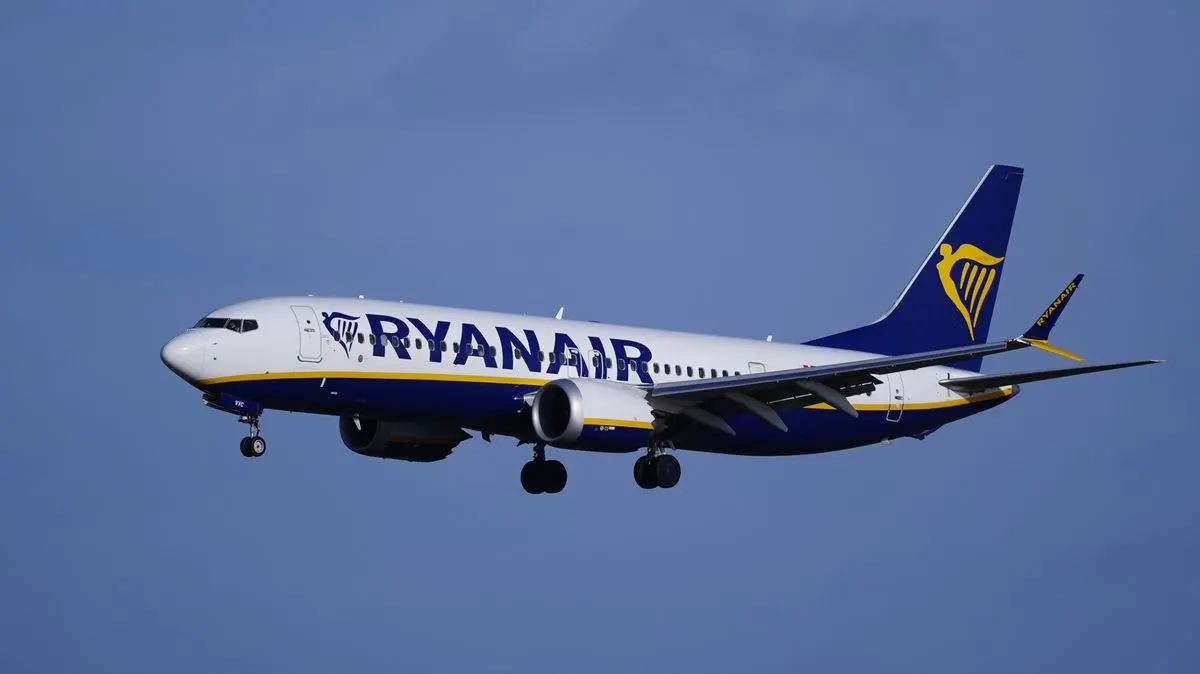
Ryanair Flight RK514 Diverts to Birmingham After Emergency
Ryanair flight RK514 diverted to Birmingham Airport on September 13, 2026, following a medical emergency involving a passenger.