Airbus Targets Over 70% Fleet Share in Latin America Market

Co-Founder & CEOAviation News Editor delivering trusted coverage across the global aviation industry.

Airbus projects its Latin American fleet share will surpass 70%, driven by a massive 500-aircraft order backlog and faster regional delivery schedules.
Key Takeaways
- •Projects exceeding 70% fleet share in the Latin America and Caribbean market.
- •Driven by a confirmed order backlog of more than 500 aircraft, primarily A320neo family jets.
- •Forecasts regional demand for approximately 2,600 to 2,700 new commercial aircraft over 20 years.
- •Capitalizes on the rapid expansion of Low-Cost Carriers and a growing middle class.
Airbus is poised to capture over 70% of the commercial aircraft fleet share in Latin America and the Caribbean, a significant increase from its current position. This projection is underpinned by a substantial order backlog exceeding 500 aircraft and a delivery schedule that outpaces its primary competitor. The growth solidifies the European manufacturer's dominance in a key emerging aviation market, driven largely by demand for its Airbus A320neo family aircraft.
According to Arturo Barreira, President of Airbus Latin America and Caribbean, the company's current in-service fleet share stands at approximately 60%. The projected growth to over 70% is directly linked to its order book. "That figure above 70% represents our net order backlog, so we are going to grow in the coming years because we have more deliveries planned than the competition," Barreira stated. The strategic success of the A320 family is central to this trend, with Barreira noting, "In the region, the A320 has been a fundamental element of growth and consolidation for airline fleets."
Market Dynamics and Forecast
The expansion is set against a backdrop of robust regional growth. Airbus's Global Market Forecast (GMF) projects that Latin America will require between 2,600 and 2,700 new commercial aircraft over the next two decades. The forecast highlights that single-aisle aircraft will constitute roughly 90% of these new deliveries, catering to the operational models of the region's burgeoning Low-Cost Carriers (LCCs).
This trend is fueled by powerful socio-economic shifts. The Latin American middle class is expected to expand by 100 million people by 2044, a factor projected to double regional passenger traffic. Concurrently, increasing urbanization, with an expected 86% of the population living in cities by 2044, is driving demand for greater point-to-point, intra-regional connectivity—a mission profile perfectly suited for narrowbody jets. This market environment has created fertile ground for LCCs like Volaris, JetSMART, and Viva Aerobus, which have built their fleets almost exclusively around the A320neo family.
Boeing, the primary competitor, corroborates the overall growth trajectory in its own Commercial Market Outlook, projecting a need for approximately 2,365 new aircraft over 20 years and anticipating 4.3% annual traffic growth. However, its regional backlog for narrowbody jets remains significantly smaller than that of Airbus.
Stakeholder and Industry Impact
This market shift has profound implications for multiple stakeholders. For Boeing Commercial Airplanes, it represents a continued erosion of market share in a critical growth region, largely confining its influence to widebody sales and legacy narrowbody operators like Copa Airlines. Conversely, for Latin American LCCs, standardizing on the A320neo family provides significant economies of scale, reducing training, maintenance, and operational costs per seat.
This extensive backlog is also a boon for engine manufacturers like CFM International and Pratt & Whitney, securing long-term production and service contracts. Furthermore, the fleet expansion will have a major impact on the regional workforce. Airbus projects that the growth will create a demand for 120,000 new skilled aviation professionals, including pilots, technicians, and cabin crew, over the next 20 years.
Technical Analysis
The data indicates a structural, rather than cyclical, shift in the Latin American aviation landscape. The rise of the LCC model, which prioritizes the high-density, fuel-efficient capabilities of modern narrowbodies, aligns perfectly with the Airbus A320neo product line. This has created a self-reinforcing cycle: large orders from LCCs grant Airbus production scale and a dominant backlog, which in turn solidifies its market position and makes its aircraft the de facto standard for new entrants. This trend follows a historical precedent set in the mid-2010s when Airbus first surpassed Boeing's 50% market share in the region. The resilience of Airbus's order book, even through the Chapter 11 bankruptcies of major carriers like Avianca and LATAM, demonstrates the deep integration of its products into the region's long-term fleet strategies.
What Comes Next
Based on current delivery schedules and the existing backlog, Airbus is expected to officially surpass the 70% active fleet share milestone in Latin America sometime between 2028 and 2030. Looking further ahead, the region is projected to receive its 2,600th new aircraft, as forecast by the Airbus GMF, around 2044-2045. These deliveries will be subject to ongoing type certification and airworthiness directives from regional authorities and will need to align with global environmental standards like the Carbon Offsetting and Reduction Scheme for International Aviation (CORSIA), managed by the International Civil Aviation Organization (ICAO).
Why This Matters
Airbus's projected market dominance in Latin America signals a long-term strategic victory in a crucial global market. It effectively positions the Original Equipment Manufacturer (OEM) as the primary partner for the region's fastest-growing airline segment. This deep entrenchment will shape fleet planning, supply chain logistics, and workforce development across the continent for the next generation.
Visit omniflights.com for the latest commercial aviation news and airline industry updates. Discover how innovation is shaping aviation through aircraft systems, avionics, and digital tools at omniflights.com/technology.
Written by Hardik Vishwakarma
Co-Founder & Aviation News Editor leading initiatives that improve trust and visibility across the global aviation industry. Covers airlines, airports, safety, and emerging technology.
Visit ProfileYou Might Also Like
Discover more aviation news based on similar topics
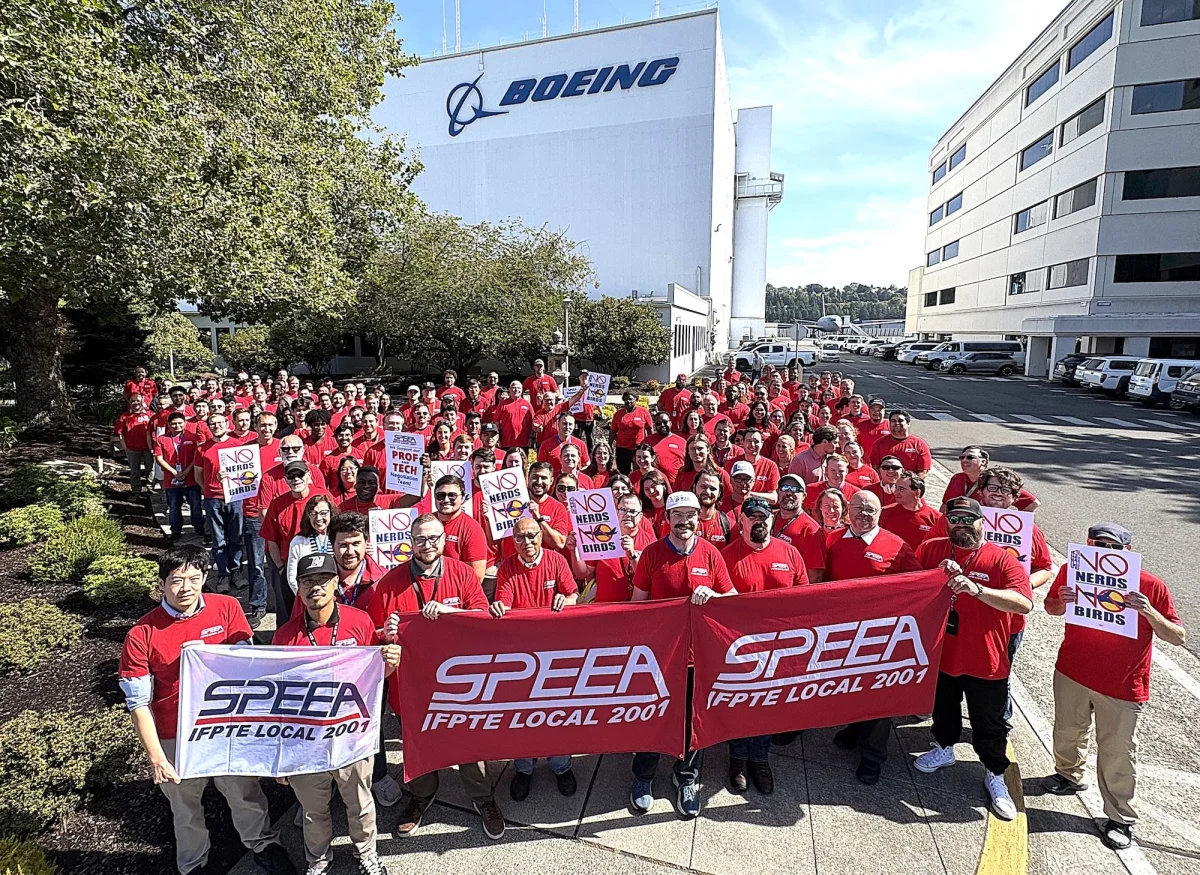
Boeing Tightens Spending Ahead of Critical SPEEA Union Vote
Boeing has implemented spending controls and a hiring freeze as it faces a critical contract ratification vote with its 17,000-member engineering union.

Boeing CEO Kelly Ortberg Warns of 777X Certification Delay
Boeing CEO Kelly Ortberg warned that a potential strike by 17,000 engineers would immediately halt the 777X certification and production programs.
American and United Plan Capacity Cuts Amid Fuel Cost Surge
American and United are trimming flight schedules to offset a $1 billion fuel cost spike while maintaining strong pricing power.
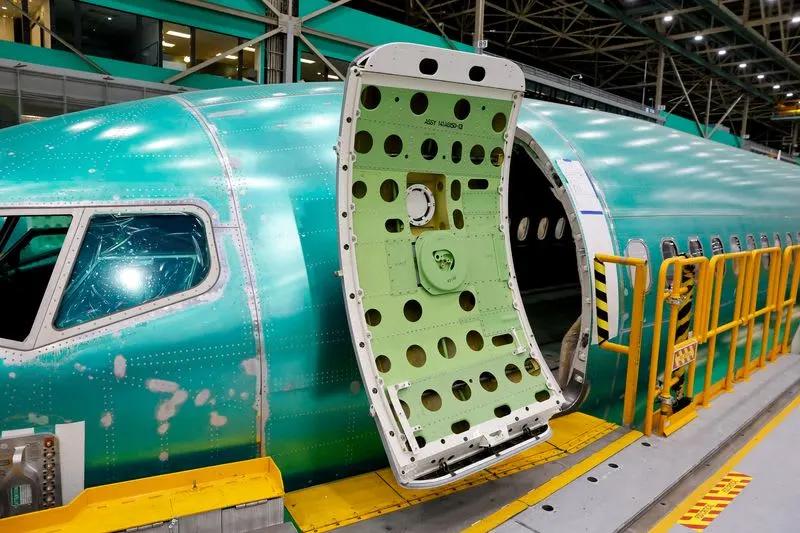
Boeing CEO Reports 737 MAX Output Stabilization Delays
Boeing CEO Kelly Ortberg reports slower 737 MAX production stabilization, prompting a downward revision in 2026 free cash flow expectations to $2 billion.
Boeing Finalizes KAL Order, Salvages Turkish Airlines Deal
Boeing secured a $36.2 billion order from Korean Air Lines for 103 aircraft and nears a resolution on a 150-jet deal with Turkish Airlines.

Airbus Forecasts 42,000 New Jets Amid Strong Global Demand
Airbus expects 42,000 new aircraft deliveries globally by 2045, with 45% of demand concentrated in the Asia-Pacific region.