Airbus Develops Remote Software-Defined Aircraft Updates

Co-Founder & CEOAviation News Editor delivering trusted coverage across the global aviation industry.

Airbus is developing a software-defined aircraft architecture to enable remote, over-the-air updates and predictive maintenance by 2030.
Key Takeaways
- •Airbus is developing NGSP for remote over-the-air aircraft software updates.
- •Predictive maintenance will reduce unplanned aircraft downtime for airlines.
- •Non-flying test benches for NGSP are expected to reach maturity by 2030.
- •New EASA and FAA certification frameworks will address cybersecurity risks.
The Shift to Software-Defined Architecture
Airbus is currently developing technologies to transition future commercial aircraft into hyper-connected software platforms. This initiative, centered on the Next-Generation System Platform (NGSP), aims to allow critical system updates to be deployed remotely without requiring hands-on physical maintenance access. By adopting a software-defined aircraft model, the manufacturer seeks to replicate the digital transformation seen in the automotive industry, moving toward a "fly-by-code" operational standard.
This shift represents a significant evolution in how aircraft manage data and system integrity. Currently, modular avionics on modern platforms like the Airbus A350 manage a limited scope of approximately 20 to 30 distinct functions. The NGSP will move away from these physically separated, individual computing units toward a centralized ecosystem capable of managing a vastly larger array of aircraft functions through unified software control.
Operational Impacts and MRO Evolution
The move toward remote aircraft software updates will fundamentally alter the Maintenance, Repair, and Overhaul (MRO) sector. By leveraging Over-The-Air (OTA) capabilities, airlines could potentially eliminate the need to ground aircraft solely for software patches or system upgrades. Furthermore, the integration of continuous ground-to-air data streaming allows onboard systems to self-diagnose and flag component wear before a failure occurs. This predictive maintenance model is expected to reduce unplanned downtime and maximize fleet availability across global airline networks.
For commercial flight crews, the increase in computing power and automation is designed to "elevate the pilot," according to Maud Delourme, Head of Multi-Systems Engineering and Integration at Airbus. By automating high-workload, data-intensive tasks, the aircraft shifts the pilot's role from manual operational flying to strategic management. This ensures crews remain focused on critical safety decisions rather than repetitive system monitoring.
Technical Comparison: NGSP vs. Legacy Systems
| Metric | Next-Generation System Platform (NGSP) | Legacy Systems |
|---|---|---|
| Computing Model | Centralized high-performance computers | Dozens of physically separated units |
| Update Method | Remote over-the-air updates | Manual hardware/software loading |
Cybersecurity and Regulatory Hurdles
While the industry moves toward hyper-connectivity, the transition faces significant scrutiny regarding security. According to aviation cybersecurity analysts, continuous ground-to-air data streaming introduces potential vulnerabilities to cyber threats. EASA (European Union Aviation Safety Agency) and the FAA (Federal Aviation Administration) will be required to establish rigorous new certification frameworks. These protocols must evaluate the safety, architectural redundancy, and physical segregation of remotely delivered software to ensure updates cannot introduce catastrophic single points of failure or open vectors for malicious actors.
Historical Precedents and Industry Trajectory
Airbus explicitly compares this initiative to the introduction of fly-by-wire technology on the Airbus A320 in 1988, which replaced mechanical flight controls with electronic interfaces. Much like that shift, the move to a fully software-defined architecture is seen as a generational leap. The Boeing 787 Dreamliner e-Enabled architecture, introduced in 2011, served as a foundational step by allowing for extensive data streaming and centralized maintenance diagnostics, paving the way for the current push toward remote updates.
Maturation of Software-Defined Platforms
Airbus anticipates that the non-flying test benches for its connected software architecture will reach maturity by the end of the decade, or approximately 2030. This timeline marks the critical phase for integrating these digital capabilities into future aircraft programs. The successful deployment of these systems remains subject to ongoing regulatory certification and the successful mitigation of cybersecurity risks identified by global safety authorities.
Why Regulators and Airlines Are Watching
The shift to a software-defined aircraft is not merely a technical upgrade; it is a structural change in the economics of fleet management. For airlines, the ability to update aircraft systems remotely promises to lower the cost of ownership by increasing aircraft utilization rates. For regulators, the challenge lies in balancing the benefits of rapid, remote updates against the imperative of maintaining the highest levels of flight safety in an increasingly connected digital environment.
Frequently Asked Questions
- What is a software-defined aircraft?
- A software-defined aircraft is a platform where system capabilities are dictated by software rather than hardware, allowing for remote feature upgrades and system patches without heavy physical modifications.
- When does Airbus expect its software-defined architecture to reach maturity?
- Airbus anticipates that the non-flying test benches for its connected software-defined aircraft architecture will reach maturity by the end of the decade, approximately 2030.
Visit omniflights.com for the latest commercial aviation news and airline industry updates. For detailed airline coverage, route changes, and fleet moves, explore the Airlines section at omniflights.com/airlines.

Written by Hardik Vishwakarma
Co-Founder & Aviation News Editor leading initiatives that improve trust and visibility across the global aviation industry. Covers airlines, airports, safety, and emerging technology.
Visit ProfileYou Might Also Like
Discover more aviation news based on similar topics
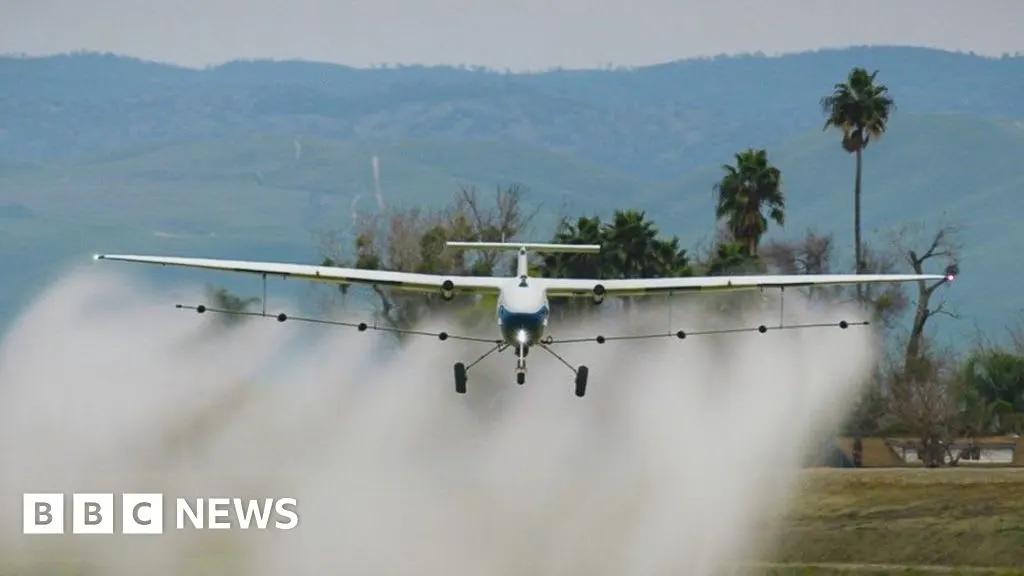
Autonomous Fixed-Wing Aircraft Development Gains Momentum
Start-ups are advancing autonomous fixed-wing aircraft for agricultural and cargo tasks, aiming to prove safety before pursuing passenger operations.

Boeing 787-9 Completes Short Inlet Tests in Montana
Boeing completed 52 hours of flight tests on a 787-9 with an experimental 30% shorter engine inlet to evaluate noise and fuel efficiency.
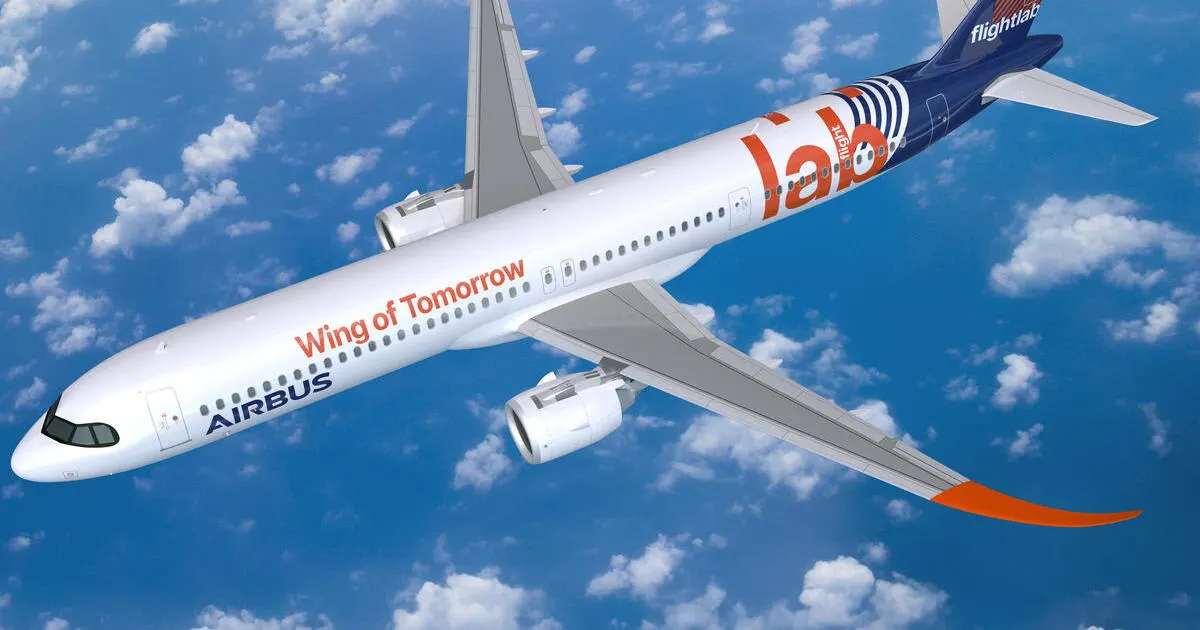
Airbus A321neo to Test Folding Wings of Tomorrow Project
Airbus launched a three-year flight-test campaign using an A321neo to evaluate folding wings that extend up to five meters.
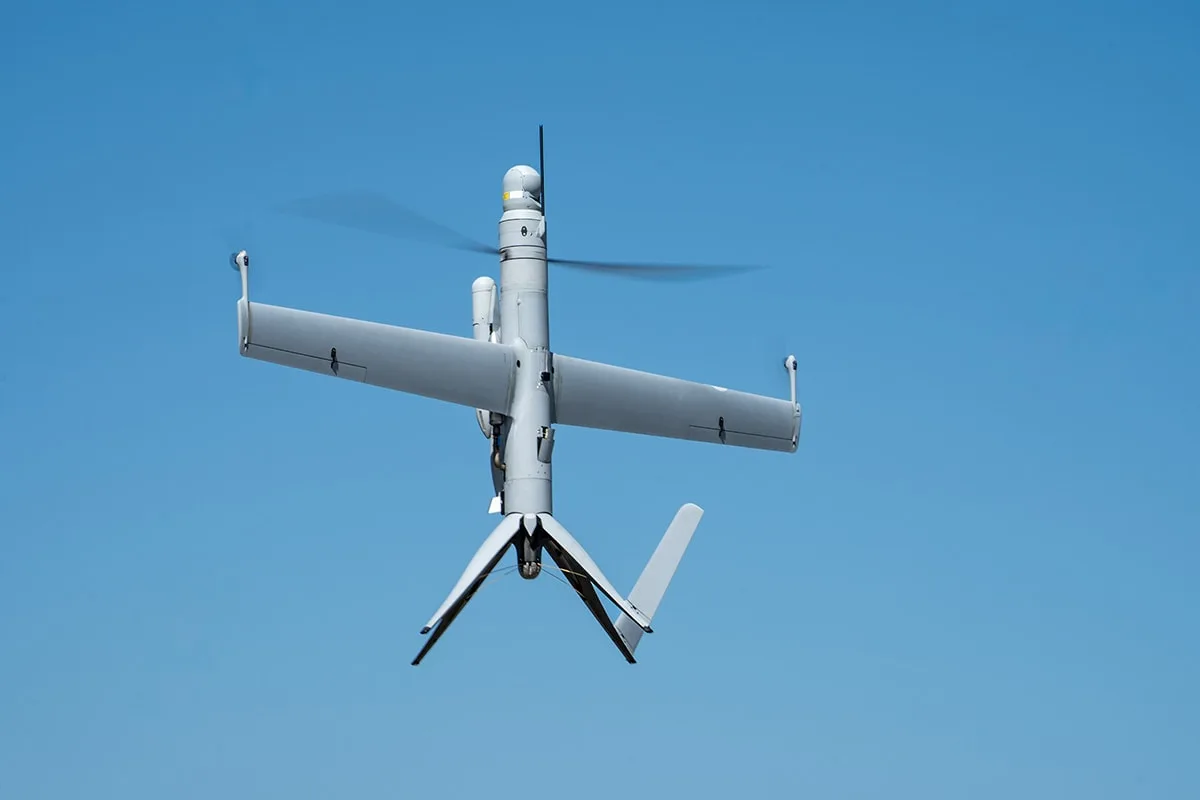
Voyageur Orders Canada's First Airbus U030 Flexrotor
Voyageur Aviation ordered Canada's first Airbus U030 Flexrotor, a 25 kg tactical drone, to expand its maritime and Arctic surveillance capabilities.
LATAM Selects SES Multi-Orbit Wi-Fi for 60+ New Jets
LATAM Airlines signed a multi-year deal with SES to equip more than 60 incoming Airbus and Embraer aircraft with multi-orbit satellite Wi-Fi.
Lufthansa 787-9 Tests Tech to Cut Fuel and Noise
Boeing, Lufthansa, and Rolls-Royce partnered to test emissions-reducing technologies on a 787-9, targeting a 20% fuel efficiency improvement.