Airbus Delivers 500th A220 Amid Persistent Production Headwinds

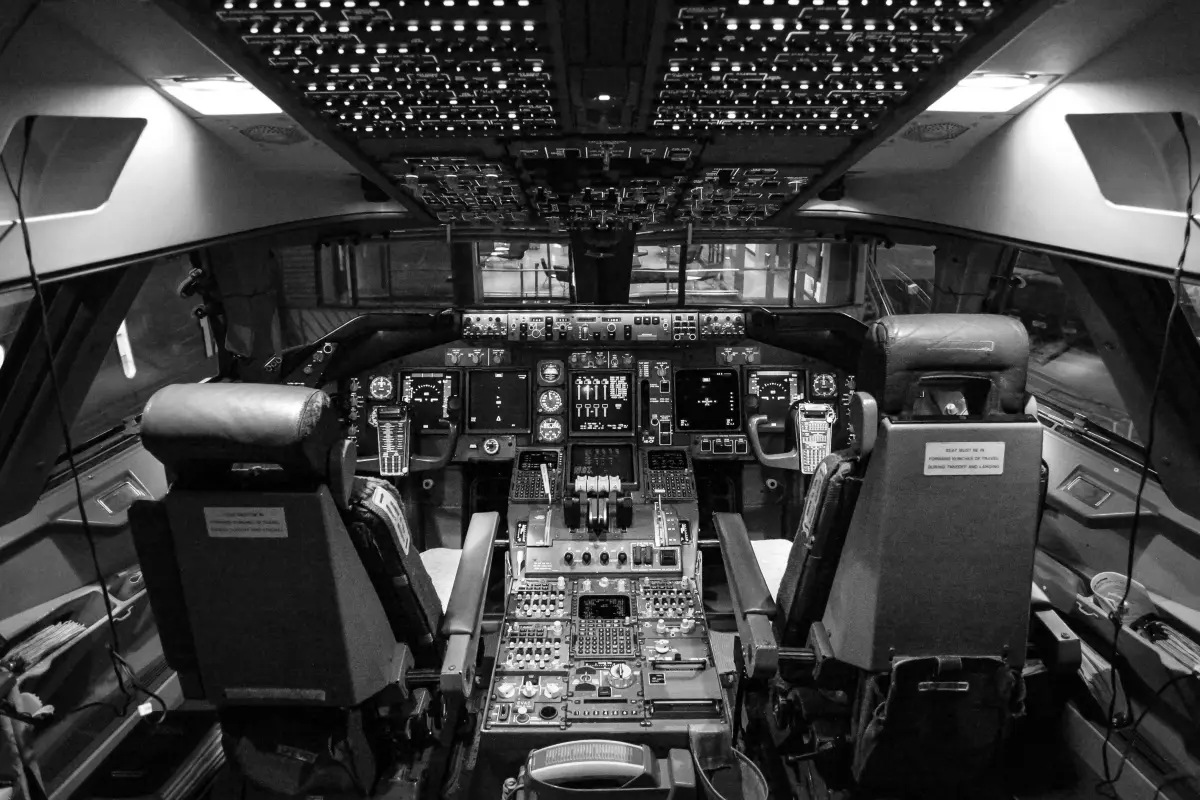
Airbus delivered its 500th A220 aircraft, a key milestone for the former CSeries program now facing significant Pratt & Whitney engine supply constraints.
Key Takeaways
- •Marks the 500th delivery for the A220 program, formerly the Bombardier CSeries.
- •Faces significant production delays due to Pratt & Whitney GTF engine shortages.
- •Targets a production ramp-up to 14 aircraft per month by late 2026 or 2027.
- •Holds over 55% market share in the 100-150 seat aircraft segment.
Airbus has officially delivered its 500th A220 aircraft, a significant milestone for the narrowbody program originally developed as the Bombardier CSeries. The achievement underscores the aircraft's market success and operator appeal, though it is tempered by persistent supply chain challenges, particularly with its engines, that continue to hinder a planned production ramp-up.
While the 500th delivery is a landmark moment, the program's total deliveries had already reached 501 by the end of March 2026, according to the official Airbus Orders and Deliveries database. The milestone aircraft was reportedly delivered to European carrier airBaltic, a prominent all-A220 operator. With a total of 959 firm orders, the A220 has a substantial unfilled backlog of over 450 aircraft, signaling strong market confidence in the platform's efficiency and passenger experience. Airbus CEO Guillaume Faury celebrated the milestone, noting the A220 has carried over 220 million passengers across nearly 2,000 routes since its entry into service.
Production Headwinds and Engine Issues
Despite its strong order book, Airbus's primary challenge with the A220 program is scaling production. The manufacturer aims to increase the monthly output to 14 aircraft by late 2026 or 2027, a significant jump from the current rate. However, this goal faces severe headwinds from supply chain fragility, most notably concerning the Pratt & Whitney PW1500G Geared Turbofan (GTF) engines that exclusively power the A220 family.
Pratt & Whitney has struggled to meet delivery schedules for new engines while simultaneously managing a massive maintenance, repair, and overhaul (MRO) backlog. Issues related to powdered metal manufacturing defects in high-pressure turbine disks have led to Airworthiness Directives from both the FAA and EASA, mandating accelerated inspections. These regulatory requirements have pulled engines from service faster than they can be replaced or repaired. As of late 2025, an estimated 22% of the global A220 fleet—nearly 100 aircraft—was grounded due to these engine issues, placing significant operational strain on airlines. To secure its supply chain, Airbus recently agreed to acquire the A220 wing plant in Belfast from Spirit AeroSystems, a move intended to stabilize a critical component of the aircraft's production.
Market Position and Competition
The A220 has established a dominant position in the 100-150 seat market, holding over a 55% market share. Its combination of fuel efficiency, range, and a spacious 2-3 cabin configuration has made it a preferred choice for airlines seeking to replace older-generation regional jets and smaller narrowbodies. Its main competitor is the Embraer E2 family.
A220-300 vs Embraer E195-E2: Key Specifications
| Metric | Airbus A220-300 | Embraer E195-E2 |
|---|---|---|
| Maximum Seating | 160 | 146 |
| Maximum Range | 3,400 nm | 2,600 nm |
| Cabin Layout | 2-3 configuration | 2-2 configuration |
Historical Context: From CSeries to A220
The program's current success under Airbus is a direct result of a pivotal business transaction in July 2018. At that time, Airbus acquired a majority stake in the struggling Bombardier CSeries program. Bombardier had invested heavily in the clean-sheet design but faced financial difficulties and crippling US tariffs, which threatened its viability. The acquisition by Airbus provided the industrial scale, marketing power, and supply chain leverage needed for the aircraft, rebranded as the A220, to survive and thrive.
What Comes Next
Looking ahead, Airbus's primary focus remains on navigating the supply chain bottlenecks to achieve its production target of 14 A220s per month, which is now expected in late 2026 or 2027. Resolving the Pratt & Whitney GTF engine crisis is critical to both clearing the existing delivery backlog and restoring fleet reliability for its customers.
Beyond the current production ramp-up, there are persistent rumors that Airbus will launch a stretched A220-500 variant sometime after 2026. While the company has not officially confirmed such a plan, a larger model would allow Airbus to compete more directly with the smaller variants of Boeing's 737 MAX family and further capitalize on the A220's advanced design.
Why This Matters
The 500th A220 delivery marks a symbolic victory for a technologically advanced aircraft that nearly failed. It validates Airbus's strategic acquisition of the CSeries program and highlights the market demand for efficient, right-sized aircraft. However, the milestone also casts a harsh light on the extreme fragility of the modern aerospace supply chain, where the failure of a single key supplier can ground fleets and derail the growth of an otherwise successful platform.
Frequently Asked Questions
- Why is the Airbus A220 production rate delayed?
- The Airbus A220 production ramp-up is primarily delayed by supply chain constraints, especially a critical shortage of Pratt & Whitney Geared Turbofan (GTF) engines. These engines are also facing significant maintenance backlogs due to manufacturing defects, which has grounded a portion of the active fleet.
- Who was the original manufacturer of the Airbus A220?
- The Airbus A220 was originally developed and manufactured by Bombardier Aerospace, where it was known as the CSeries. Airbus acquired a majority stake in the program in July 2018 and subsequently rebranded the aircraft as the A220.
- How does the Airbus A220-300 compare to the Embraer E195-E2?
- The Airbus A220-300 offers a higher maximum seating capacity of 160 passengers compared to the Embraer E195-E2's 146. It also has a significantly longer range of 3,400 nautical miles, versus 2,600 nautical miles for the E195-E2.
omniflights.com provides comprehensive commercial aviation news covering airlines, aircraft, and airports. Discover how innovation is shaping aviation through aircraft systems, avionics, and digital tools at omniflights.com/technology.

Written by Hardik Vishwakarma
Co-Founder & Aviation News Editor leading initiatives that improve trust and visibility across the global aviation industry. Covers airlines, airports, safety, and emerging technology.
Visit ProfileYou Might Also Like
Boeing Tests MUM-T Software for MQ-25A and F/A-18 Teaming

COMAC C919 Faces Production Delays Amid US Export Curbs

Boeing Awarded $14.7B Contract for PAC-3 Missile Seekers

Boeing 777X Testing Spills Into 2027 Amid Certification Hurdles

Airbus A350F Completes Ground Tests Before Maiden Flight