Boeing 777X Delivery Delay: 2027 Target Confirmed


Boeing's 777X program faces a seven-year delay with first deliveries now set for 2027, forcing airlines to extend the service life of older aircraft.
Key Takeaways
- •Boeing 777-9 deliveries are now officially delayed until 2027.
- •The 777X program faces a seven-year delay from its 2020 target.
- •FAA has granted Type Inspection Authorization for final flight testing.
- •Emirates is investing $5 billion to retrofit its existing fleet.
The Boeing 777X program is currently navigating a significant schedule adjustment, with the first delivery of the 777-9 now officially pushed to 2027. This timeline represents a seven-year delay from the original 2020 entry-into-service target. The Boeing 777X delivery delay has necessitated complex operational planning for launch customers, including Lufthansa, which remains the primary carrier awaiting the initial airframe. According to Boeing's investor disclosures, the company recorded a $2.6 billion pre-tax earnings charge in Q3 2024 specifically tied to these schedule slippages.
Certification and Testing
The program has reached a critical juncture with the FAA 777-9 certification process. The Federal Aviation Administration (FAA) recently granted Type Inspection Authorization (TIA) Phase 4a, a milestone that allows regulatory personnel to participate in formal flight testing. This rigorous regulatory oversight is intended to ensure the airframe meets modern safety standards. The FAA Aircraft Certification Portal notes that such testing is essential for final type certification, which is expected between late 2026 and early 2027.
Stakeholder and Industry Impact
The ripple effects of these delays are felt across the global widebody market. Emirates, the largest customer for the program with 205 units on order, has been forced to initiate a $5 billion retrofit program for 219 existing aircraft to bridge the capacity gap. Similarly, Lufthansa has been required to retain older, less efficient widebodies to maintain its long-haul network.
From a technical perspective, the GE9X engine—developed by GE Aerospace—remains the exclusive powerplant for the family. While the GE9X engine specifications promise a 10% improvement in fuel consumption compared to predecessors, these efficiency gains remain deferred. Environmental watchdogs have noted that the retention of older, higher-emission aircraft to compensate for the delay complicates industry-wide net-zero targets.
Technical Analysis
Historically, Boeing’s development of clean-sheet or heavily modified widebodies has faced similar hurdles. The 787 Dreamliner program, for instance, experienced a three-year delay between 2008 and 2011. While the 777X delay is more extensive, the current testing regime reflects a broader industry shift toward heightened regulatory caution. The data suggests that while the financial impact is substantial, the focus remains on ensuring the 777-9 meets the stringent requirements established post-2020. This trajectory suggests that future widebody programs will likely face longer, more transparent certification windows.
777-9 vs. 777-300ER: Key Specifications
| Metric | 777-9 | 777-300ER |
|---|---|---|
| Engine | GE9X | GE90-115B |
| Wingspan | 235 ft 5 in | 212 ft 7 in |
| Max Takeoff Weight | 775,000 lbs | 775,000 lbs |
What Comes Next
Boeing is currently executing flight tests under the TIA framework to satisfy FAA requirements. Following FAA type certification, the European Union Aviation Safety Agency (EASA) must validate the type certificate before the aircraft can enter commercial service with European carriers. The first commercial delivery is confirmed for 2027.
Why This Matters
The 777X delay underscores the structural challenges of modern aerospace manufacturing, where certification cycles and supply chain stability are increasingly intertwined. For airlines, the extended timeline forces a reliance on legacy fleets, impacting both operational costs and sustainability metrics. The successful certification of the 777-9 will serve as a bellwether for Boeing's ability to navigate complex regulatory environments while maintaining its widebody market position.
Frequently Asked Questions
- What is causing the delay for the Boeing 777X?
- The delay is primarily attributed to a rigorous and extended certification process overseen by the Federal Aviation Administration, as well as broader supply chain and labor challenges.
- When is the Boeing 777-9 expected to enter service?
- Following recent progress in flight testing under the FAA's Type Inspection Authorization, the first commercial delivery of the 777-9 is confirmed for 2027.
For global airline trends and commercial aviation news, turn to omniflights.com. Follow aviation sustainability efforts, emissions research, and green initiatives in the Environmental section at omniflights.com/environmental.

Written by Hardik Vishwakarma
Co-Founder & Aviation News Editor leading initiatives that improve trust and visibility across the global aviation industry. Covers airlines, airports, safety, and emerging technology.
Visit ProfileYou Might Also Like

Boeing 777X Testing Spills Into 2027 Amid Certification Hurdles

Airbus A350F Completes Ground Tests Before Maiden Flight

Airbus Delivers First A320neo From New Tianjin FAL

Boeing 777X Set for 2027 Debut With New Cabin Features
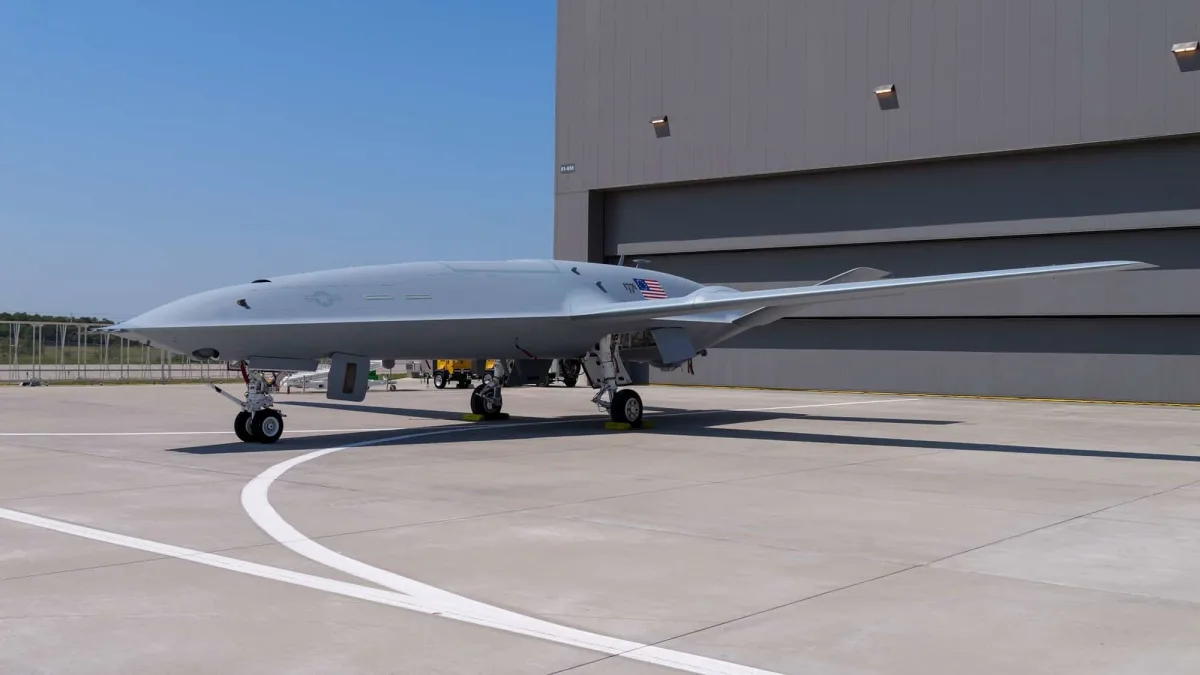
Boeing Awarded $562M Contract for MQ-25 Stingray Production