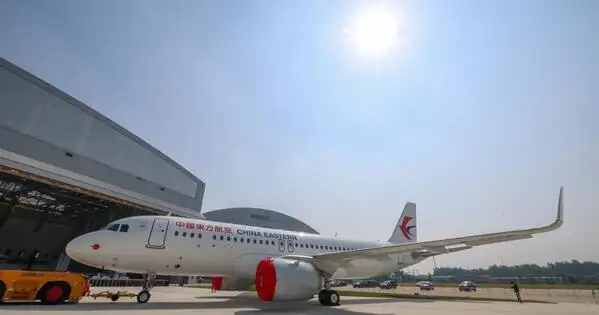
Boeing 737 MAX Production Raised to 47 Jets Monthly

The FAA authorized Boeing to increase 737 MAX production to 47 jets monthly following a successful capstone review and a new 200-aircraft China order.
Key Takeaways
- •FAA approved increasing 737 MAX production to 47 aircraft monthly.
- •China committed to purchasing 200 Boeing jets, ending a 2017 order drought.
- •Stabilization at the new production rate is expected by summer 2026.
- •Final firm orders from China are anticipated by late 2026.
The Federal Aviation Administration (FAA) has officially cleared Boeing to increase its Boeing 737 MAX production rate to 47 aircraft per month, marking a significant milestone in the manufacturer's operational recovery. This authorization follows the successful completion of a rigorous FAA capstone review, which evaluated the company’s manufacturing supply chain, quality control protocols, and safety systems. The move represents a steady climb from the production cap of 38 aircraft per month, which the regulator had imposed in January 2024 following an in-flight door plug failure.
A Strategic Shift in the Chinese Market
Concurrent with the production increase, Boeing confirmed a major China Boeing aircraft order commitment for 200 commercial jets. This agreement serves as the first large-scale procurement of Boeing narrowbody aircraft by Chinese carriers since 2017, effectively signaling a shift in US China aviation trade dynamics. According to the China Ministry of Commerce, the commitment is expected to transition into firm orders by late 2026. This development provides a necessary boost to the manufacturer's backlog, which now extends deep into the 2030s.
Operational Challenges and Stakeholder Impact
Boeing CEO Kelly Ortberg stated that the company is currently focused on stabilizing its assembly lines at the new rate of 47 jets per month. However, the ramp-up places significant pressure on the broader aerospace supply chain. For critical suppliers such as Spirit AeroSystems, which manufactures the 737 MAX fuselage, the increase necessitates a synchronized scaling of output and quality assurance. Similarly, CFM International, the exclusive engine provider for the MAX, must accelerate its delivery cadence to match the higher assembly pace. Boeing's Investor Relations portal confirms that the company is prioritizing disciplined execution over rapid expansion to ensure long-term stability.
Technical Analysis: Scaling the Narrowbody Line
The transition from a 42-unit monthly rate to 47 units reflects a cautious, regulator-monitored recovery. Historically, the 2019-2020 grounding of the 737 MAX fleet fundamentally altered the FAA's oversight, shifting the agency from delegated authority to direct, prescriptive production caps. This current trajectory mirrors the challenges faced by Airbus during its 2018-2019 A320neo production bottlenecks, where supply chain constraints forced the manufacturer to temporarily halt rate increases. This precedent supports the current cautious approach, as Boeing must ensure that each tier of its supply chain can sustain the 47-per-month pace without compromising quality. While the FAA Newsroom has provided the necessary clearance, analysts maintain that the company's ability to maintain this rate will be the primary indicator of its cultural and operational reform success.
What Comes Next: Stabilization and Future Milestones
Boeing aims to achieve full stabilization of the 47-per-month production rate by the summer of 2026. Following this, the company is expected to work with the Civil Aviation Administration of China (CAAC) to finalize the 200-aircraft commitment into firm purchase agreements by late 2026. Looking further ahead, industry analysts anticipate that Boeing may seek a new FAA capstone review for a potential increase to 52 aircraft per month, likely slated for late 2026 or early 2027. These milestones remain subject to continued regulatory scrutiny and the successful integration of quality assurance improvements across the production line.
Why This Matters for the Global Narrowbody Market
For the global aviation industry, the authorization signals a thawing of geopolitical trade barriers that have long sidelined Boeing in the Chinese market. While some market analysts note that the 200-aircraft commitment is smaller than initial industry expectations, the order provides a vital competitive counterweight to Airbus, which has dominated narrowbody deliveries in China for several years. For passengers and airlines alike, the stabilization of the 737 MAX production line is essential to addressing global capacity shortages and ensuring the consistent delivery of new, more fuel-efficient narrowbody equipment.
Frequently Asked Questions
- What is the new monthly production rate for the Boeing 737 MAX?
- Following a successful FAA capstone review, Boeing has been authorized to increase its 737 MAX production rate to 47 aircraft per month, up from the previous rate of 42.
- Why did the FAA previously cap Boeing 737 MAX production?
- The FAA imposed a production cap in January 2024 following an in-flight door plug failure, requiring Boeing to resolve structural quality assurance failures before scaling up output.
omniflights.com provides comprehensive commercial aviation news covering airlines, aircraft, and airports. Track policy changes, airspace rules, and global aviation governance in the Regulatory category at omniflights.com/regulatory.

Written by Hardik Vishwakarma
Co-Founder & Aviation News Editor leading initiatives that improve trust and visibility across the global aviation industry. Covers airlines, airports, safety, and emerging technology.
Visit ProfileYou Might Also Like
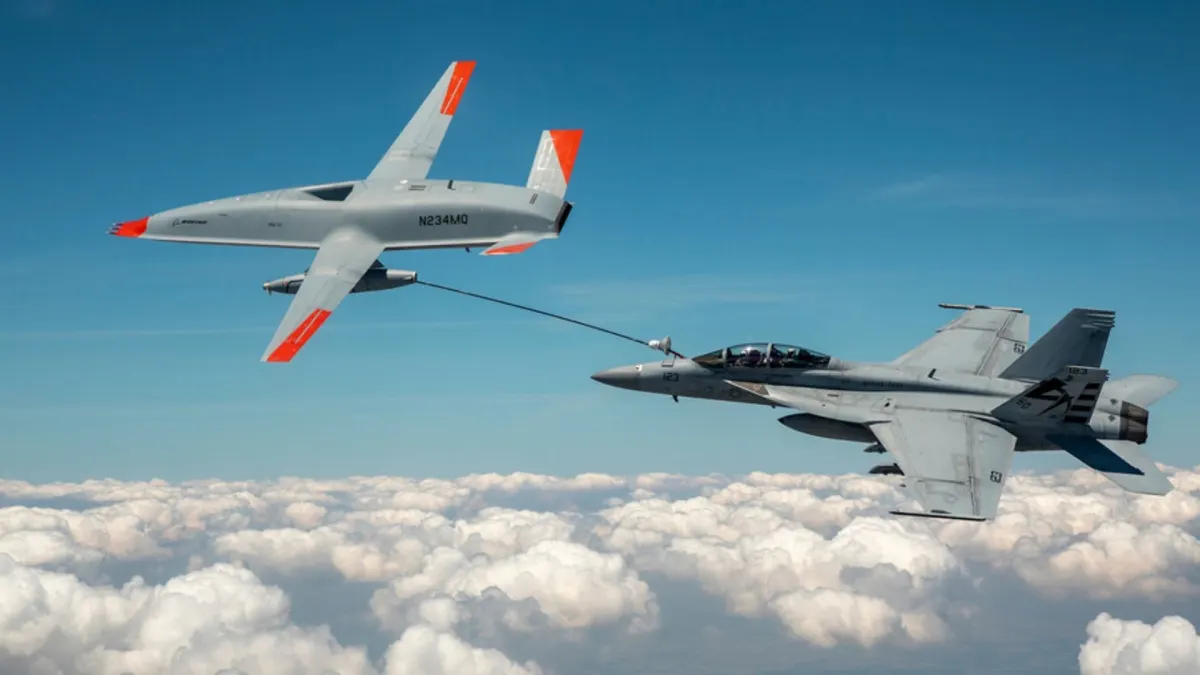
Boeing Tests MUM-T Software for MQ-25A and F/A-18 Teaming

COMAC C919 Faces Production Delays Amid US Export Curbs

Boeing Awarded $14.7B Contract for PAC-3 Missile Seekers

Boeing 777X Testing Spills Into 2027 Amid Certification Hurdles

Airbus A350F Completes Ground Tests Before Maiden Flight