BluJ Aerospace Unveils Gen 2 eVTOL for Cargo Operations

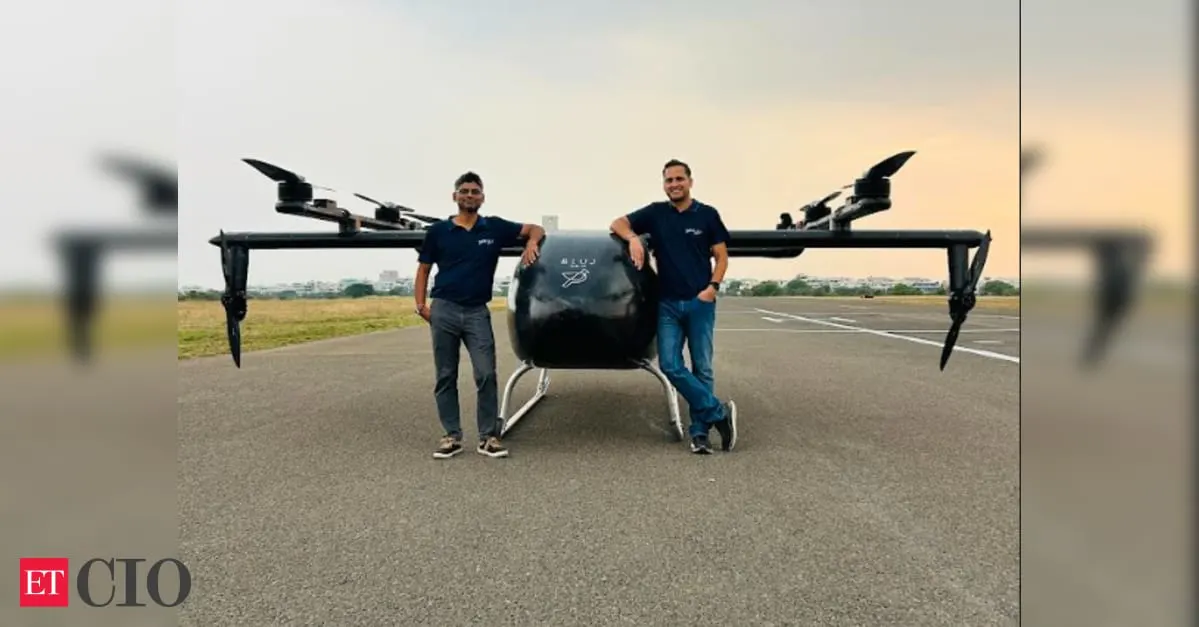
BluJ Aerospace unveiled its Gen 2 eVTOL prototype, targeting a 200 kg payload capacity for commercial cargo logistics by 2027.
Key Takeaways
- •BluJ Aerospace unveiled a Gen 2 eVTOL with 200 kg payload capacity.
- •The aircraft operates on the proprietary VANTIS platform architecture.
- •Commercial cargo deployment is targeted for 2027.
- •BluJ is raising $10-15 million in Series A funding to scale operations.
BluJ Aerospace Unveils Gen 2 eVTOL for Cargo Operations
BluJ Aerospace has officially unveiled its second-generation Electric Vertical Take-Off and Landing (eVTOL) prototype, a significant milestone in the company’s push to modernize middle-mile logistics. Built on the proprietary VANTIS platform architecture, the heavy-payload cargo drone is engineered to meet the growing demand for rapid, autonomous goods transport. The aircraft features an active payload capacity of over 200 kg, operating under a 500 kg Maximum Take-Off Weight (MTOW) configuration. This launch marks a critical shift for the startup as it moves from concept development toward commercial-grade deployment.
Industry Impact and Strategic Vision
For the India Advanced Air Mobility (AAM) ecosystem, the deployment of such platforms is transformative. By bypassing congested ground infrastructure, these aircraft offer a viable solution for time-sensitive cargo delivery. According to Amar Sri Vatsavaya, founder and CEO of BluJ Aerospace, the industry must transition from single-product programs to platform-based architectures. This approach, which mirrors automotive manufacturing, allows for the efficient scaling of airframes across various mission profiles. The company is currently raising a $10-15 million Series A funding round to scale operations, with support from investors like Endiya Partners.
Technical Analysis
The Gen 2 prototype utilizes a lift-plus-cruise configuration, optimized for efficiency in regional logistics. As the industry matures, manufacturers are increasingly adopting shared technology foundations to reduce research and development costs. While the initial Gen 2 variant is battery-powered, BluJ is actively developing hydrogen-electric aircraft variants, slated for launch between 2027 and 2028. This transition is critical, as hydrogen fuel cell systems offer superior energy density compared to traditional batteries, addressing the range limitations inherent in heavy-lift cargo operations. The company is collaborating with Cochin International Airport Limited (CIAL) to develop the necessary ground infrastructure for these hydrogen-powered systems.
Commercial Heavy-Lift Cargo eVTOLs: Key Specifications
| Metric | BluJ Aerospace Gen 2 | Elroy Air Chaparral | Volocopter VoloDrone |
|---|---|---|---|
| Payload Capacity | >200 kg | 136–227 kg | 200 kg |
| MTOW | 500 kg | ~551 kg | 800 kg |
| Propulsion | Battery-Electric | Hybrid-Electric | Battery-Electric |
Regulatory Landscape and Challenges
Achieving commercial viability requires navigating stringent safety frameworks. All prototypes must eventually secure type certification from the Directorate General of Civil Aviation (DGCA) in India. While the Gen 2 platform is currently being engineered to align with internal commercial baseline standards, scaling to certified passenger-carrying variants will introduce exponentially stricter redundancy requirements. Furthermore, aviation infrastructure analysts note that the current lack of aviation-grade hydrogen refueling hubs at regional locations remains a potential bottleneck for commercial scaling.
What Comes Next
BluJ Aerospace has outlined an aggressive timeline for the next two years. The startup expects to close its Series A funding round in 2026. Following this, the company anticipates the commercial deployment of its battery-powered cargo eVTOLs by 2027. The introduction of hydrogen-electric long-range variants is projected to follow in the 2027-2028 timeframe, subject to successful infrastructure integration and flight testing.
Why This Matters
This development signals a maturation of the indigenous Indian AAM sector, moving from experimental prototypes to mission-ready cargo solutions. By aligning its VANTIS platform with the needs of logistics firms and defense Public Sector Undertakings, BluJ is positioning itself to capture early market share in the autonomous resupply segment. For the broader aviation industry, this progress highlights the increasing importance of platform-based modular design in overcoming the economic barriers to entry in electric aviation.
Frequently Asked Questions
- What is the payload capacity of the BluJ Aerospace Gen 2 eVTOL?
- The Gen 2 eVTOL prototype is designed to carry an active payload of over 200 kg.
- When does BluJ Aerospace plan to launch its hydrogen-electric eVTOL variants?
- BluJ Aerospace expects to launch its hydrogen-electric long-range variants between 2027 and 2028.
Access up-to-date commercial aviation news and airline industry developments via omniflights.com. Stay informed on aviation incidents, investigations, and best practices in the Safety category at omniflights.com/safety.

Written by Hardik Vishwakarma
Co-Founder & Aviation News Editor leading initiatives that improve trust and visibility across the global aviation industry. Covers airlines, airports, safety, and emerging technology.
Visit ProfileYou Might Also Like

Boeing Tests MUM-T Software for MQ-25A and F/A-18 Teaming

COMAC C919 Faces Production Delays Amid US Export Curbs

Boeing Awarded $14.7B Contract for PAC-3 Missile Seekers

Boeing 777X Testing Spills Into 2027 Amid Certification Hurdles

Airbus A350F Completes Ground Tests Before Maiden Flight