Airbus Deliveries Lag in Early 2026, Jeopardizing Yearly Target

Co-Founder & CEOAviation News Editor delivering trusted coverage across the global aviation industry.

Airbus deliveries fell 17% year-over-year in early 2026, threatening its annual target of 870 aircraft due to persistent supply chain bottlenecks.
Key Takeaways
- •Delivered only 54 aircraft in Jan-Feb 2026, a 17% year-over-year decrease.
- •Faces significant risk to its 870-aircraft full-year delivery target for 2026.
- •Cites Pratt & Whitney GTF engine shortages as a primary constraint on production.
- •Navigates a massive backlog of approximately 8,770 aircraft amid supply chain pressure.
Airbus has recorded a slow start to its 2026 delivery schedule, handing over 54 commercial aircraft in the first two months of the year. This figure represents a 17% decrease compared to the 65 jets delivered in the same period in 2025, raising questions about the manufacturer's ability to meet its ambitious full-year target.
The early deficit places significant pressure on Airbus's production and supply chain for the remainder of the year. The European manufacturer has publicly targeted approximately 870 commercial aircraft deliveries for 2026. Achieving this goal now requires a substantial acceleration in production, averaging nearly 82 aircraft per month from March to December—a pace that hinges on resolving persistent industrial bottlenecks.
According to the Airbus February 2026 Orders and Deliveries Report, the company delivered 19 aircraft in January and 35 in February. While demand remains exceptionally strong, evidenced by a commercial aircraft backlog of approximately 8,770 aircraft, the primary constraints are on the supply side. Key issues include ongoing shortages of Pratt & Whitney GTF (Geared Turbofan) engines for the Airbus A320neo (New Engine Option) family and quality control problems with A320 fuselage panels that emerged in late 2025.
Supply Chain and Quality Control
The most significant headwind remains the engine supply chain. During the company's full-year results presentation on February 19, 2026, Airbus CEO Guillaume Faury directly addressed the issue. "On the A320 family, Pratt & Whitney's failure to commit to the number of engines ordered by Airbus is negatively impacting this year's delivery guidance and the ramp-up trajectory into next year," Faury stated, describing the situation as "unsatisfactory."
These engine shortages have already forced Airbus to push its target of producing 75 A320neo family aircraft per month to the end of 2027. Compounding the engine issue are aerostructure quality problems. Specific quality issues with A320 fuselage panels require rework, consuming valuable time and resources at final assembly lines and slowing the overall delivery rate. This complex environment is further scrutinized by regulators, as the EASA (European Union Aviation Safety Agency) enforces its Part 21 design and production approval standards, adding compliance pressure on Airbus and its network of suppliers.
Industry Impact
The production shortfall has significant downstream consequences for multiple stakeholders. Airlines awaiting new A320neo family aircraft face the most immediate impact. Delays force them to extend leases on older, less fuel-efficient aircraft or reduce planned capacity growth, affecting both operational costs and network expansion strategies. This in turn drives demand for the MRO (Maintenance, Repair, and Overhaul) sector. Pratt & Whitney, a subsidiary of RTX, is under intense pressure from its primary customer to resolve the GTF delivery shortfalls and may face contractual penalties. For Airbus investors, the heavily backloaded delivery schedule for 2026 introduces revenue uncertainty and the potential for stock price volatility if quarterly targets are missed.
Historical Context
The current challenges faced by Airbus are not without precedent in the commercial aviation duopoly. In 2019-2020, the Boeing 737 MAX grounding caused its delivery targets to be missed by hundreds of aircraft, leading to severe financial losses and supply chain disruption. That crisis highlighted the vulnerability of an OEM to a single point of failure, a pattern that echoes in Airbus's current dependency on the GTF engine supply. Similarly, Airbus's own A380 production delays in 2006, which were caused by complex wiring installation issues, resulted in billions in profit warnings. This demonstrates a historical precedent for internal industrial and supply chain complexities severely impacting delivery schedules and financial performance.
Technical Analysis
Airbus's slow start to 2026 is a clear indicator of the fragility within the global aerospace supply chain as it struggles to meet post-pandemic demand. The OEM production ramp-up is clashing with a system that has lost resilience and is plagued by skilled labor shortages and raw material constraints. The Pratt & Whitney GTF engine shortage is not merely an Airbus problem but a critical bottleneck for the entire narrowbody market, affecting fleet plans for dozens of airlines. This situation underscores the immense difficulty of accelerating complex manufacturing and may provide a strategic opening for Boeing to regain market share, provided it can stabilize its own production lines. The prolonged use of older aircraft also works against the industry's environmental goals, as airlines are forced to delay the induction of more fuel-efficient new-generation jets.
What Comes Next
All eyes will be on the manufacturer's next operational update. The Q1 2026 Orders and Deliveries report, confirmed for release in April 2026, will be a critical data point indicating whether Airbus has started to accelerate its production rhythm. Looking further ahead, the company's long-term goal of stabilizing the A320neo family production rate at between 70 and 75 aircraft per month is now expected by the end of 2027, subject to the resolution of current supply chain constraints.
Why This Matters
Airbus's ability to meet its 2026 delivery target serves as a crucial barometer for the health of the entire commercial aerospace manufacturing ecosystem. For airlines, the outcome of this production battle directly influences fleet renewal timelines, operational efficiency, and capacity growth. The struggle highlights the persistent tension between record-high aircraft demand and a supply chain still recovering from profound disruption, a dynamic that will define the industry for the next several years.
omniflights.com provides comprehensive commercial aviation news covering airlines, aircraft, and airports. For detailed airline coverage, route changes, and fleet moves, explore the Airlines section at omniflights.com/airlines.
Written by Hardik Vishwakarma
Co-Founder & Aviation News Editor leading initiatives that improve trust and visibility across the global aviation industry. Covers airlines, airports, safety, and emerging technology.
Visit ProfileYou Might Also Like
Discover more aviation news based on similar topics

Boeing Logs 15 Gross Orders Including 13 787 Dreamliners
Boeing recorded 15 gross orders in August 2026, featuring 13 widebody 787 Dreamliner commitments from undisclosed customers.

Hermeus Gets FAA Approval for Mach 1+ Drone Test Flights
The FAA authorized Hermeus to conduct six supersonic test flights of its Quarterhorse Mk 2.2 drone at White Sands through August 2027.
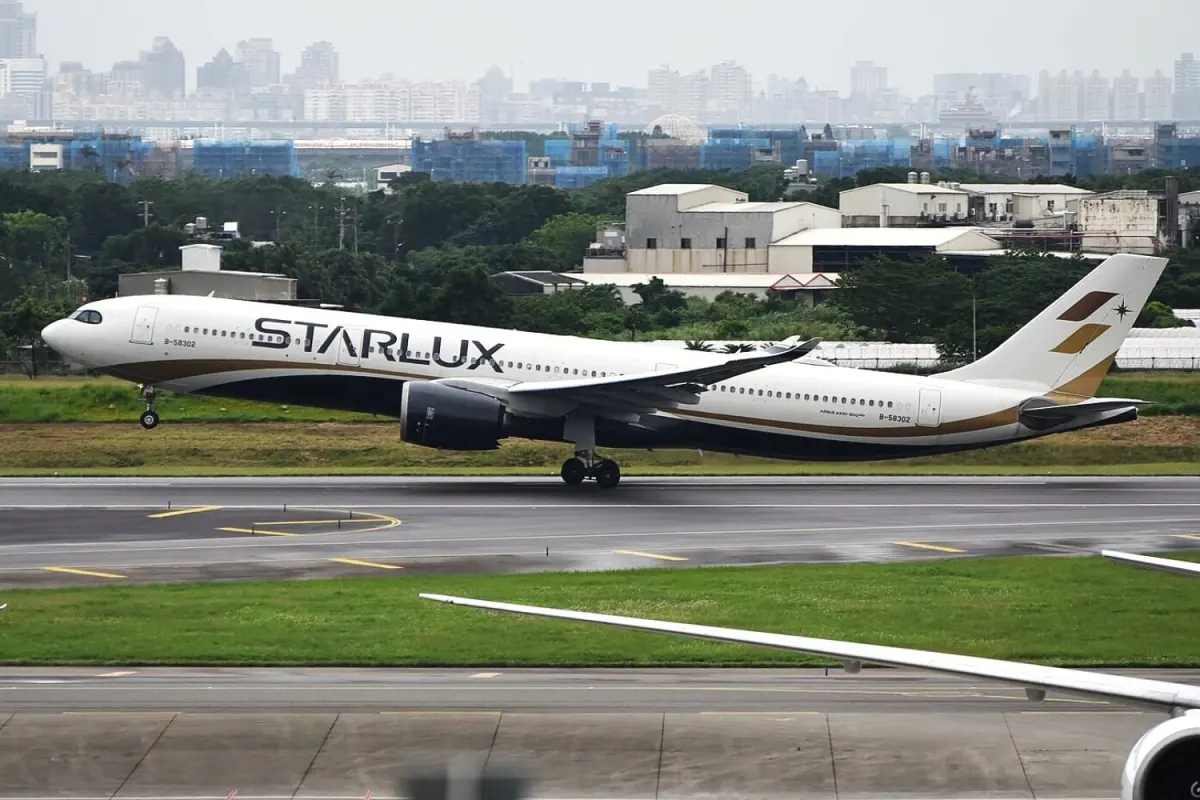
Airbus Deliveries Slow to 57, Putting 870 Target at Risk
Airbus delivered 57 aircraft in August 2026, requiring a surge to 99 monthly deliveries to meet its full-year target of 870.
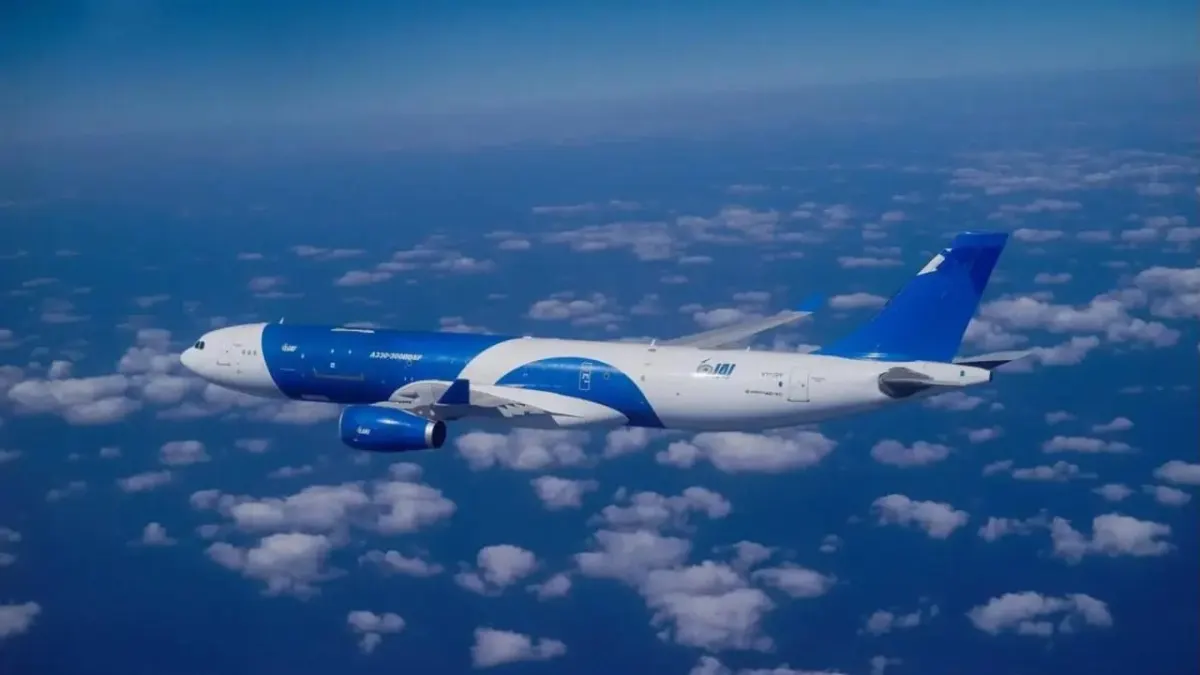
IAI Completes First Flight of A330-300BDSF Cargo Conversion
Israel Aerospace Industries successfully completed the first flight of its A330-300BDSF, an Airbus widebody converted for cargo operations.

Embraer Delivers 2,000th E-Jet to Azul Linhas Aéreas
Embraer reached a major milestone with the delivery of its 2,000th E-Jet, an E195-E2, to Brazilian operator Azul Linhas Aéreas on September 2, 2026.
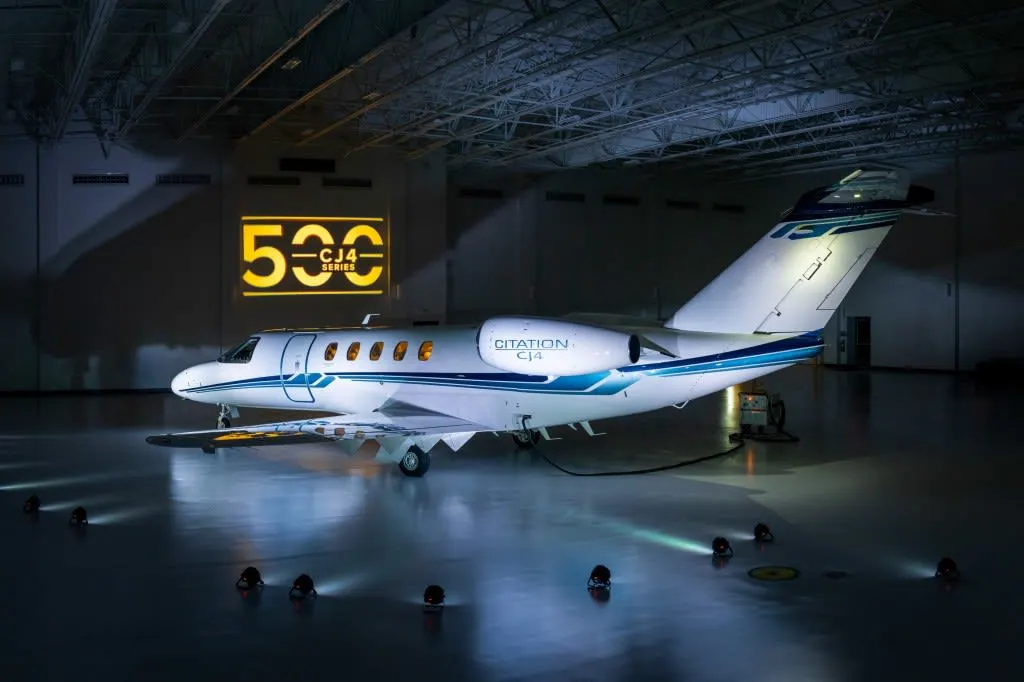
Cessna Citation CJ4 Achieves 500th Delivery
Textron Aviation delivered its 500th Cessna Citation CJ4 business jet to a customer in the Philippines as the manufacturer nears Gen3 certification.