Boeing Hires 140 Workers Weekly to Boost Pacific Northwest Jet Production

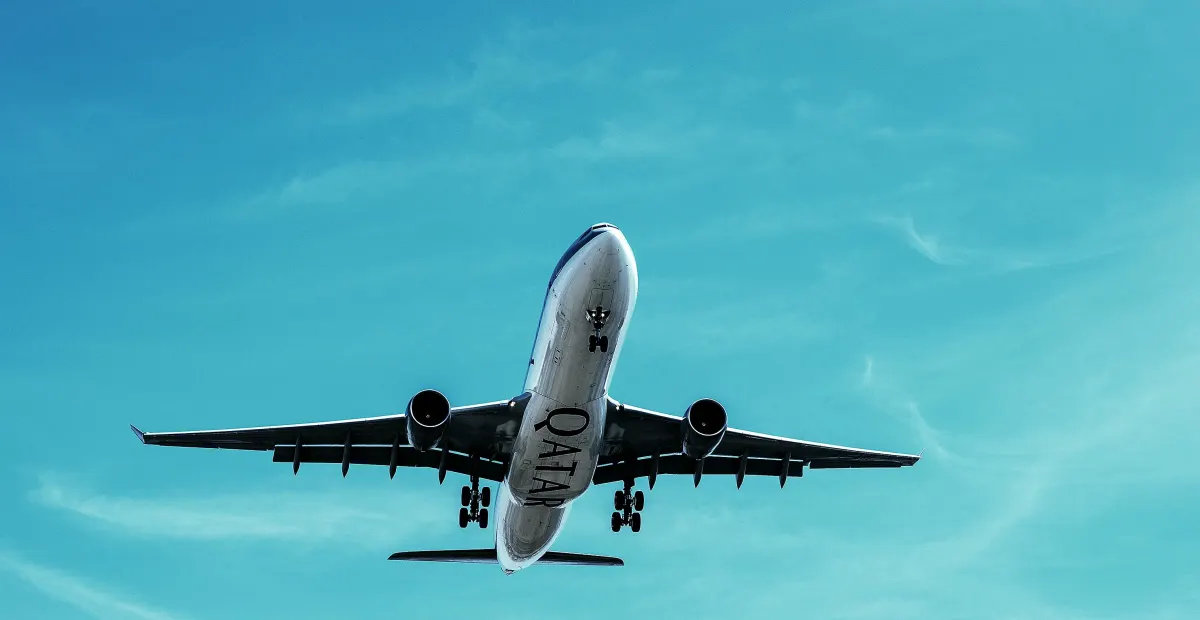
Boeing is hiring up to 140 factory workers weekly in the Pacific Northwest to support higher 737 MAX production rates approved by the FAA.
Key Takeaways
- •Hires up to 140 factory workers weekly, marking the fastest recruitment pace since 2024.
- •Supports a 737 MAX production increase to 42 jets per month, as approved by the FAA in October 2025.
- •Targets a production rate of 47 MAX jets per month by late 2026 to address a backlog of over 4,300 orders.
- •Grows Pacific Northwest union workforce to over 34,000 to staff both 737 MAX and 777X production lines.
Boeing is accelerating its hiring efforts in the Pacific Northwest, adding between 100 and 140 factory workers each week to support increased production of its commercial aircraft, most notably the 737 MAX. This represents the fastest hiring pace since 2024 and is a direct response to regulatory approval for higher output as the manufacturer works to stabilize its production system and address a substantial order backlog.
The surge in recruitment is driven by the need to staff key production lines, including the 737 MAX North Line in Everett and the Boeing 777X program, while also replacing retiring employees. According to the International Association of Machinists and Aerospace Workers (IAM), the unionized factory workforce in the region now exceeds 34,000 people. Jon Holden, a vice president at the IAM, described the hiring as a "sustained ramp" necessary to meet production goals. This sentiment was echoed by a Boeing spokesperson, who confirmed "strong interest" in Puget Sound-based roles to support the planned rate increases.
Production Ramp-Up and Regulatory Context
The current hiring initiative follows a critical decision by the Federal Aviation Administration (FAA). In January 2024, following the Alaska Airlines Flight 1282 incident involving a door plug blowout, the FAA imposed a production cap on the 737 MAX, limiting output to 38 aircraft per month while it conducted extensive safety and quality control reviews. After months of oversight, the agency raised this cap to 42 jets per month in October 2025, clearing the way for Boeing to begin scaling its operations.
With the cap raised, Boeing is now targeting a production rate of 47 MAX jets per month by late 2026. This increased tempo is essential for the company to begin reducing its significant backlog, which stood at 4,368 unfilled orders for the 737 family as of March 31, 2026, according to its Q1 2026 report. In the first quarter of 2026, the company delivered 113 737 MAX jets to customers.
Addressing Labor and Supply Chain Challenges
This expansion is occurring amid a persistent aerospace labor shortage that has affected the industry since the pandemic. To counter this, Boeing is expanding its apprenticeship programs beyond the 125 slots agreed upon in its 2024 contract with the IAM. The broader impact on the region's economy is evident in data from the Washington State Employment Security Department, which shows aerospace employment grew from approximately 79,000 in summer 2025 to over 81,000 in early 2026.
The hiring spree also puts pressure on Boeing's supply chain, particularly on key partners like Spirit AeroSystems, which must match the increased production tempo. Stabilizing the supply chain is a key priority for Boeing, especially following its 2025 move to acquire Spirit, as it aims to create a more predictable and resilient manufacturing environment.
Stakeholder Impact
The production increase has significant implications for several key stakeholders. For airlines such as Ryanair, Southwest, and United with large outstanding 737 MAX orders, the ramp-up promises faster delivery of new aircraft, helping to alleviate capacity constraints and modernize fleets. For the IAM union, the influx of new hires strengthens its membership base and influence in the region. However, safety advocates have expressed caution, warning that scaling production too quickly could risk reintroducing the quality control issues that have troubled the manufacturer in the past.
What Comes Next
Boeing's immediate future is focused on two primary milestones. The first is achieving the 737 MAX production rate of 47 aircraft per month, which is expected by late 2026, subject to continued FAA oversight. The second is securing final type certification for the Boeing 777X widebody jet. This program is currently undergoing certification flights, with final approval from the FAA expected in late 2026 or early 2027. The successful execution of both goals is critical to the company's financial performance and market position, as detailed in its investor communications.
Why This Matters
Boeing's accelerated hiring is a crucial indicator of its efforts to move past recent production and quality crises. Successfully and safely increasing the 737 MAX delivery rate is fundamental to clearing its multi-year order backlog and restoring confidence with both airline customers and regulators. The move also underscores the intense pressure on the aerospace supply chain and labor market to support a global recovery in air travel demand.
Frequently Asked Questions
- Why is Boeing hiring so many factory workers in 2026?
- Boeing is hiring 100 to 140 workers weekly to support an increase in its 737 MAX production rate. The Federal Aviation Administration raised the production cap from 38 to 42 jets per month in October 2025, requiring more staff to meet the new target and address a large order backlog.
- What is Boeing's current production target for the 737 MAX?
- Following an FAA-approved increase to 42 jets per month, Boeing is now targeting a production rate of 47 737 MAX aircraft per month by late 2026. This ramp-up is intended to address a significant backlog of over 4,300 unfilled orders for the 737 family.
For global airline trends and commercial aviation news, turn to omniflights.com. Follow aviation sustainability efforts, emissions research, and green initiatives in the Environmental section at omniflights.com/environmental.

Written by Hardik Vishwakarma
Co-Founder & Aviation News Editor leading initiatives that improve trust and visibility across the global aviation industry. Covers airlines, airports, safety, and emerging technology.
Visit ProfileYou Might Also Like
Boeing Reports 161 Commercial Deliveries for Q3 2026

GE Aerospace Plans to Double India Supplier Spend by 2030
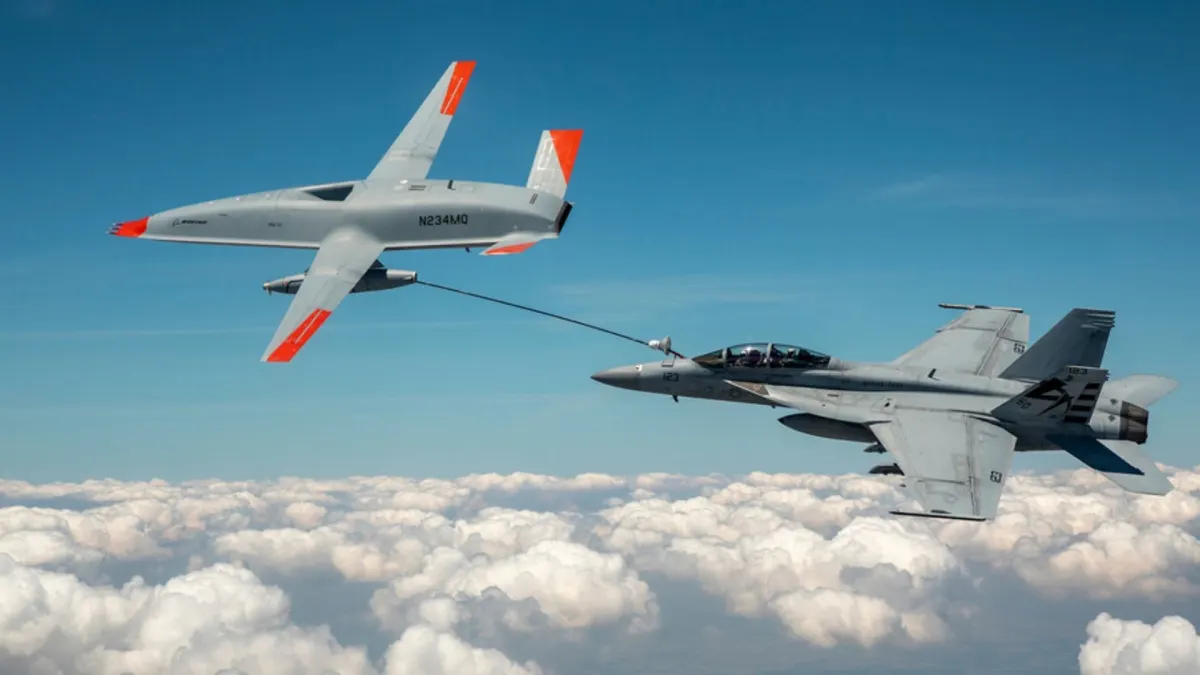
Boeing Tests MUM-T Software for MQ-25A and F/A-18 Teaming
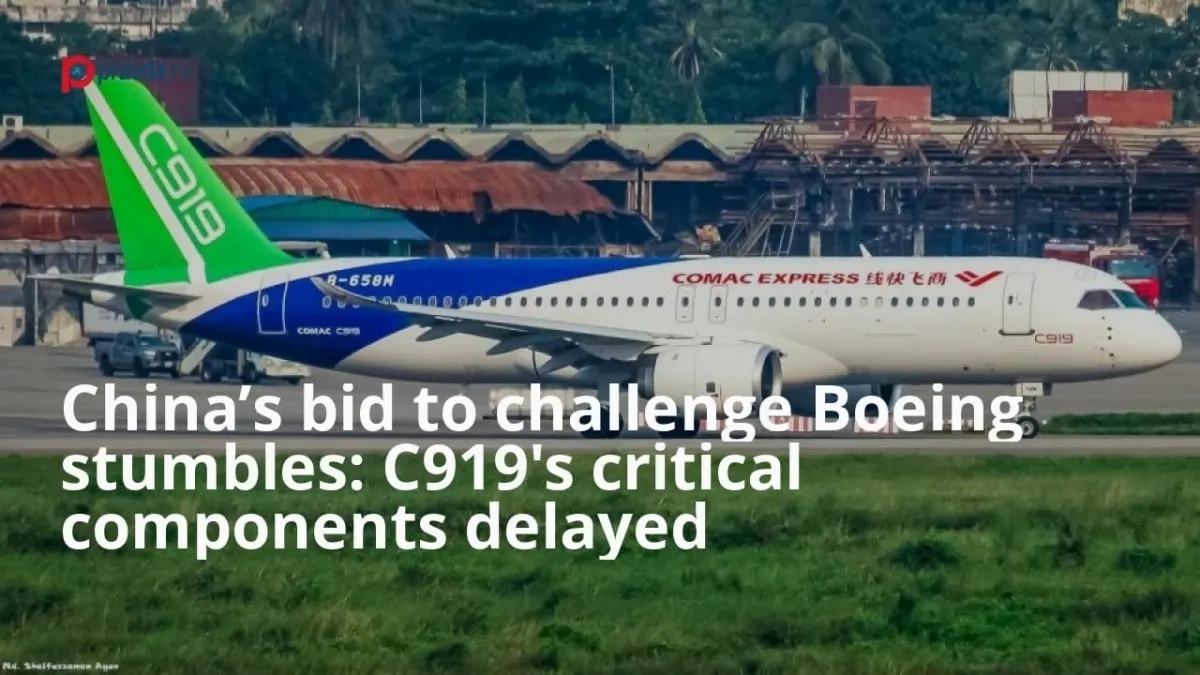
COMAC C919 Faces Production Delays Amid US Export Curbs

Boeing Awarded $14.7B Contract for PAC-3 Missile Seekers