Airbus Confronts Supply Chain Woes Amid Record 8,754 Aircraft Backlog

Co-Founder & CEOAviation News Editor delivering trusted coverage across the global aviation industry.
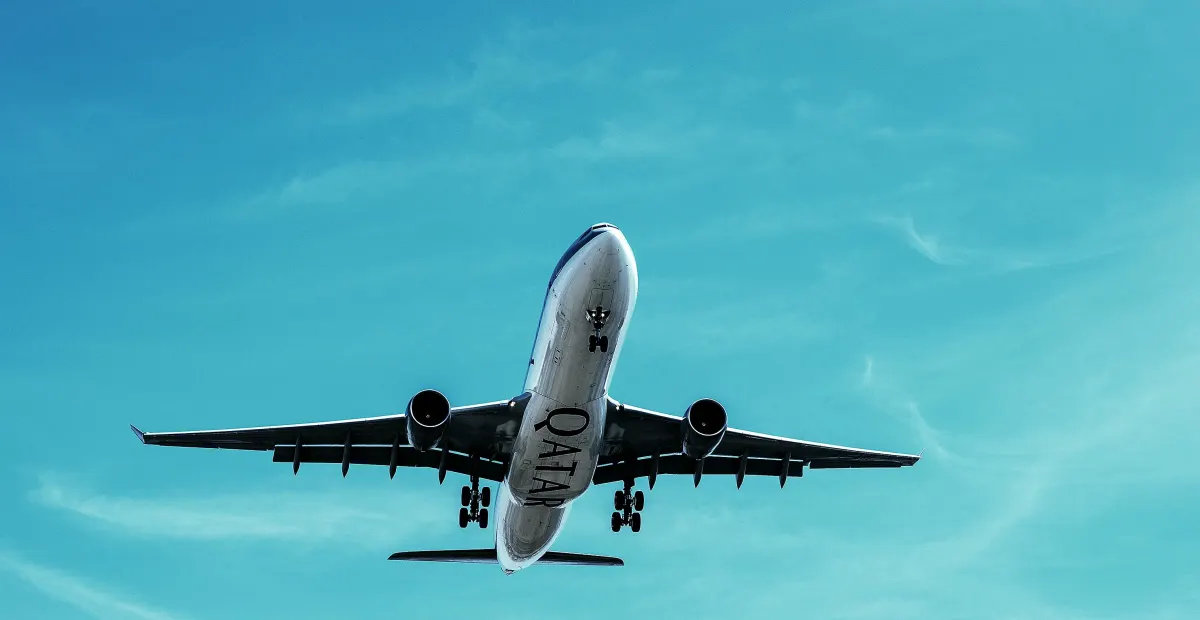
Airbus faces production pressures from supply chain issues, threatening its 2026 delivery targets despite a record 8,754 aircraft backlog.
Key Takeaways
- •Holds a record commercial aircraft backlog of 8,754 planes as of year-end 2025.
- •Targets A320 production ramp-up to 70-75 aircraft per month by the end of 2027.
- •Experiences significant delays from engine suppliers, leading to dozens of 'gliders' awaiting powerplants.
- •Acquiring key Spirit AeroSystems assets to vertically integrate A350 and A220 production.
Airbus is navigating significant supply chain disruptions that are challenging its ability to meet ambitious production targets, even as it sits on a historic order book. The manufacturer's commercial aircraft backlog reached a record 8,754 planes at the end of 2025, underscoring the immense post-pandemic demand for new, fuel-efficient aircraft. However, persistent bottlenecks, particularly in engine supply, are tempering the pace of its production ramp-up.
The operational impact of these challenges is substantial for both Airbus and its airline customers. Delays in receiving new aircraft, primarily from the popular Airbus A320 Family (A320) and the long-range Airbus A350 lines, force carriers to extend leases on older, less efficient jets, affecting their operational costs and environmental targets. For Airbus, the situation creates a complex industrial challenge of managing a large inventory of nearly-finished aircraft awaiting critical components while trying to stabilize a fragile supplier base.
Production Pressures and Supplier Bottlenecks
According to Airbus's full-year 2025 results, the company delivered 793 commercial aircraft, a four percent increase from the previous year, and is targeting approximately 870 deliveries for 2026. Achieving this goal depends heavily on resolving critical shortages. The most acute issue has been with engine manufacturers Pratt & Whitney, maker of the Geared Turbofan (GTF) engine, and CFM International, a joint venture between GE Aviation and Safran. These shortages led to a peak of 60 "gliders"—fully assembled but engineless aircraft—per month in 2025, parked and awaiting powerplants.
Airbus CEO Guillaume Faury has been candid about the supply chain's condition. "Every aircraft contains millions of parts and a single missing item can stop production," Faury stated. "You can't be speculating on the fact that everything will go well. You have to factor in crises and recover today." This proactive stance is reflected in the company's move to acquire key manufacturing assets from Spirit AeroSystems, including the A350 fuselage and A220 wing production lines, in a bid to secure its supply chain through vertical integration.
Further complicating the manufacturing environment is heightened regulatory scrutiny. Following quality issues with A320 fuselage panels in late 2025, both the European Union Aviation Safety Agency (EASA) and the Federal Aviation Administration (FAA) have increased their oversight. Additionally, Airbus noted in its financial guidance that international trade tariffs continue to impact supply chain costs.
Defense Growth and Stakeholder Impacts
While the commercial division grapples with these issues, the Airbus Defence and Space division has seen significant growth, with its EBIT Adjusted increasing to €798 million in 2025. This surge, fueled by rising global defense spending, provides a partial financial counterbalance to the commercial sector's struggles but also introduces competition for skilled labor and raw materials within the broader aerospace ecosystem.
The supply chain pressures have a cascading effect on various stakeholders. Engine manufacturers face immense strain to ramp up new production while simultaneously meeting high demand for parts in the Maintenance, Repair, and Overhaul (MRO) sector. For airlines, the delivery delays are a critical operational hurdle. For Spirit AeroSystems, the situation has culminated in the partial acquisition of its key Airbus-related programs, fundamentally altering its business structure.
Historical Context and Technical Analysis
The current situation mirrors previous industry crises. In 2018, shortages of CFM LEAP engines similarly resulted in a buildup of glider A320neos in Toulouse. A more significant parallel is the Boeing 787 Dreamliner's supply chain crisis from 2007-2011, which saw extensive delays and ultimately forced Boeing to buy back supplier factories to regain control—a pattern Airbus is now partially replicating with its Spirit AeroSystems deal.
This development indicates a strategic shift in aerospace manufacturing. The long-held model of a highly distributed, outsourced supply chain has revealed its fragility under the stress of a rapid demand recovery. Airbus's move toward vertical integration for critical components like fuselages and wings suggests a recognition that control over key production nodes is essential for stability. The data suggests that while the record backlog provides long-term financial security, the near-term profitability hinges entirely on untangling these complex and interconnected supply chain knots.
What Comes Next
Airbus has laid out a clear, albeit challenging, roadmap for its production ramp-up. The company's key predictive milestones include:
- Achieving a production rate of 70-75 aircraft per month for the A320 family by the end of 2027.
- Increasing the A350 production rate to 12 aircraft per month in 2028.
- Delivering approximately 870 commercial aircraft in the full year of 2026.
These targets are contingent on the stabilization of the supply chain, particularly the performance of engine and aerostructure suppliers. The manufacturer also expects to launch its next-generation single-aisle aircraft by the end of the 2020s, a project whose timeline will be heavily influenced by the lessons learned from the current production challenges.
Why This Matters
Airbus's struggle to align its production output with its record-breaking order book is a critical issue for the entire commercial aviation industry. The outcome will directly influence airline fleet renewal schedules, global capacity growth, and progress toward industry-wide fuel efficiency goals. For aviation professionals, it highlights a fundamental tension between unprecedented demand and the strained industrial capacity required to meet it.
Stay ahead of the airline industry with commercial aviation news from omniflights.com. Discover how innovation is shaping aviation through aircraft systems, avionics, and digital tools at omniflights.com/technology.
Written by Hardik Vishwakarma
Co-Founder & Aviation News Editor leading initiatives that improve trust and visibility across the global aviation industry. Covers airlines, airports, safety, and emerging technology.
Visit ProfileYou Might Also Like
Discover more aviation news based on similar topics

Boeing 777X Testing Spills Into 2027 Amid Certification Hurdles
Boeing expects some 777X testing to extend into 2027, though the manufacturer maintains its target for the first delivery of the aircraft that year.
Airbus A350F Completes Ground Tests Before Maiden Flight
Airbus has finished initial ground tests for the A350F, with the freighter set for a late 2026 maiden flight and a 2027 entry into service.
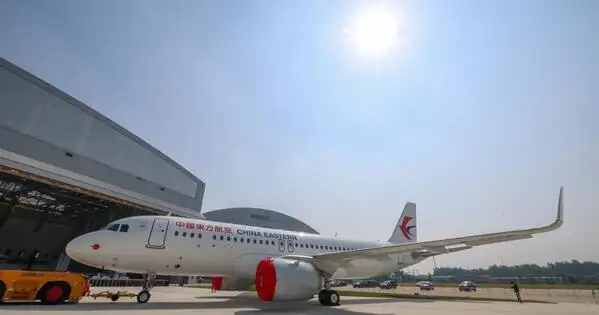
Airbus Delivers First A320neo From New Tianjin FAL
China Eastern Airlines took delivery of the first A320neo from Airbus's second Final Assembly Line in Tianjin, marking a key industrial milestone.
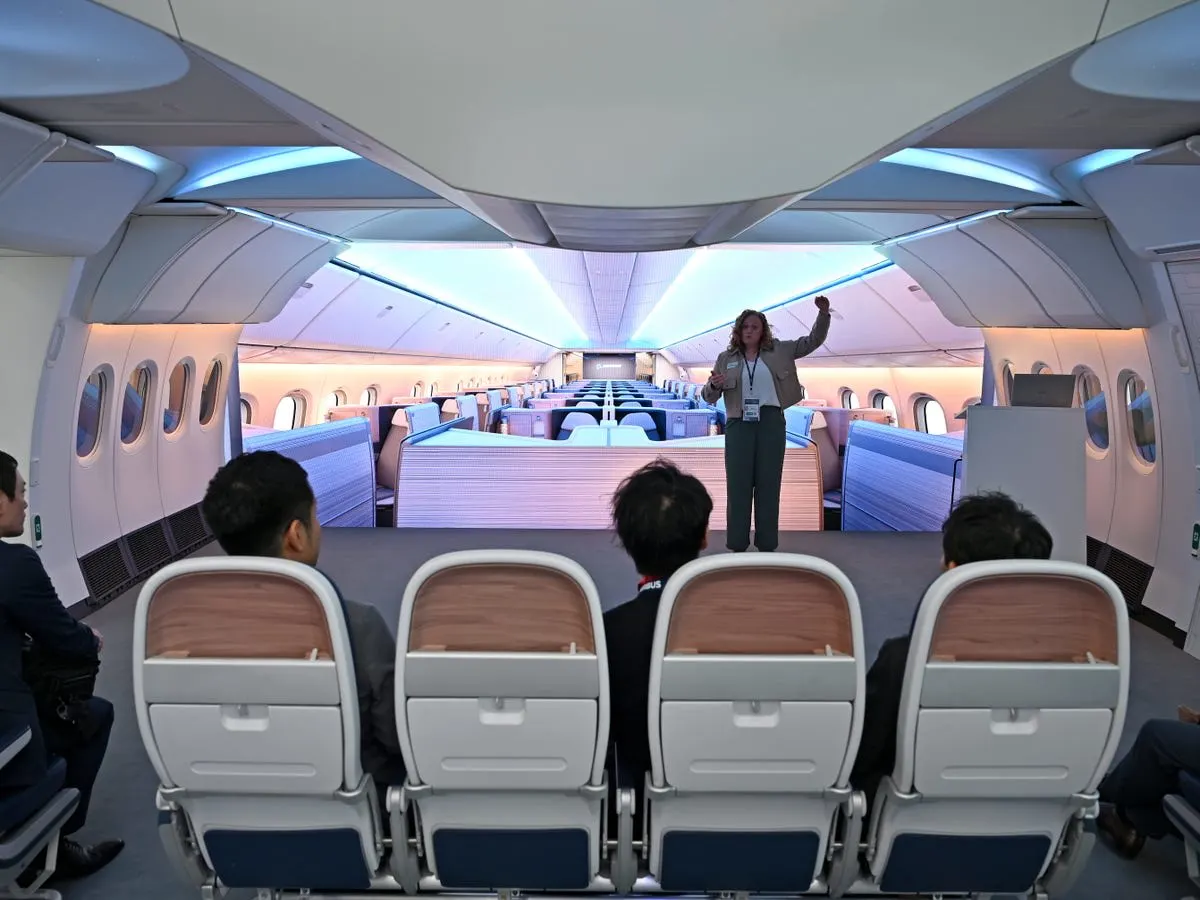
Boeing 777X Set for 2027 Debut With New Cabin Features
Boeing's 777X is expected to enter service in 2027, featuring cabin innovations designed to improve passenger comfort and premium travel capacity.
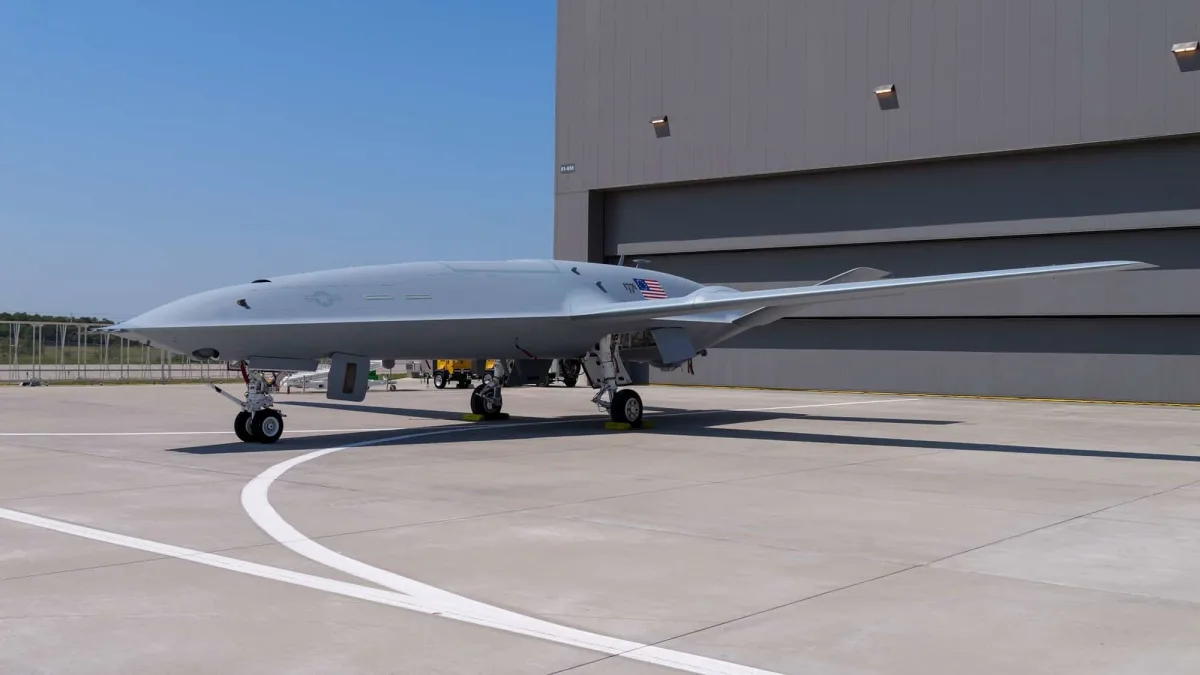
Boeing Awarded $562M Contract for MQ-25 Stingray Production
The U.S. Navy awarded Boeing a $562 million contract for the first three MQ-25 Stingray unmanned aerial refueling tankers, with deliveries expected in...

Boeing Logs 15 Gross Orders Including 13 787 Dreamliners
Boeing recorded 15 gross orders in August 2026, featuring 13 widebody 787 Dreamliner commitments from undisclosed customers.