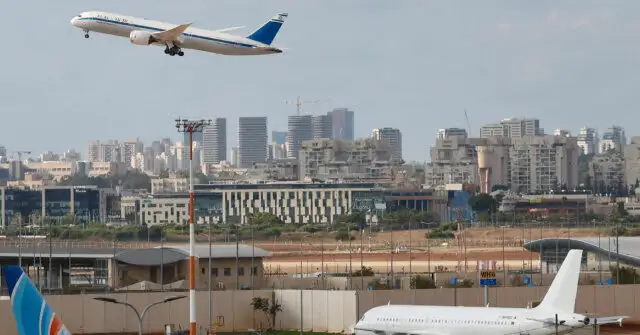
Air NZ NZ5145 Aborts Landing Due to Sky Lanterns


Air New Zealand flight NZ5145 aborted its landing at Tauranga and returned to Auckland after sky lanterns created an aviation safety hazard.
Key Takeaways
- •Air NZ flight NZ5145 diverted due to sky lanterns in its flight path.
- •The aircraft circled for 20 minutes before returning to Auckland.
- •Incident highlights aviation safety hazards from unregulated objects.
- •CAA rules classify lanterns as a hazard to navigable airspace.
An Air New Zealand flight diversion on Friday night highlighted growing concerns over aviation safety hazards after a flight was forced to abort its approach into Tauranga. The incident involved flight NZ5145 from Auckland, which encountered a cluster of lit sky lanterns in its flight path. The uncontrolled airspace incursions forced the pilots to enter a holding pattern before ultimately returning to Auckland, disrupting travel for all passengers on board.
The flight, a short 40-minute trip, departed Auckland at 8:42 PM on May 15, 2026. As the aircraft began its final descent into Tauranga Airport, Air Traffic Control (ATC) alerted the crew to the presence of multiple lit lanterns rising through the approach path. According to tracking data from FlightRadar24, the aircraft circled over Matakana Island for approximately 20 minutes—a delay equivalent to half the scheduled flight time—while the crew assessed the situation. When it became clear the airspace was not safe to proceed, the captain made the decision to abandon the landing and fly back to Auckland.
Passengers were informed by the pilot of an unexpected situation preventing the landing. The decision left them stranded in Auckland just before 10:00 PM. Air New Zealand provided options for a bus the next morning or a replacement flight, though some passengers, like Rebecca Sharp who spoke to the New Zealand Herald, opted to hire a rental car for the journey. The incident created significant logistical challenges for those on board, who had to make last-minute arrangements.
Police were contacted by ATC around 9:00 PM with a suspected launch location for the lanterns. However, when officers arrived at the scene, they found no individuals responsible and no further releases. Tauranga City Council also confirmed no official events were scheduled that would account for the lanterns, suggesting they were likely released from a small private gathering by individuals unaware of the danger.
Regulatory and Safety Concerns
The incident underscores the serious risks posed by sky lanterns, which are viewed as a threat by multiple New Zealand safety agencies. The Civil Aviation Authority (CAA) of New Zealand classifies such objects as hazards under its Civil Aviation Rules Part 77, which governs objects and activities affecting navigable airspace. The CAA has previously warned that lanterns can be ingested into jet engines, a catastrophic risk during low-altitude phases of flight like approach and landing. They can also visually disorient pilots by being mistaken for runway or navigation lights, forcing the kind of go-around procedure executed by flight NZ5145.
Separately, Fire and Emergency New Zealand (FENZ) strongly discourages the use of sky lanterns due to their significant fire risk. As uncontrolled, wind-driven embers, they have been responsible for starting house and bush fires across the country. FENZ advises that if used, they should be tethered to prevent them from drifting. Despite these warnings, New Zealand does not have a national ban on sky lanterns, leaving regulation to a patchwork of local council bylaws.
Broader Industry Context
The diversion of NZ5145 is symptomatic of a wider industry trend of increased sensitivity to unauthorized objects in controlled airspace, including drones and laser pointers. These incursions cause costly disruptions for airlines, which bear the expense of wasted fuel, extended crew duty, and passenger re-accommodation.
Historical precedents from other countries demonstrate the potential for far greater disruption. During the Yi Peng festival in November 2025, authorities at Chiang Mai International Airport in Thailand cancelled or rescheduled 161 flights over two days to mitigate the risk from a mass release of sky lanterns. Similarly, in October 2018, police in Kolkata, India, established an 8-kilometer exclusion zone for lanterns around the local airport during Diwali celebrations, citing pilot complaints about engine ingestion fears. These cases show that aviation authorities globally treat sky lanterns not as a minor nuisance but as a systemic threat to airport operations.
What Comes Next
While the police investigation into the Tauranga incident has not identified any responsible parties, the event is expected to renew calls for tighter regulations. Tauranga councillors have previously discussed implementing a local ban on sky lanterns, and this high-profile disruption to the city's airport will likely add urgency to those discussions. The incident serves as a clear case study for other regional councils on the direct impact of unregulated lantern releases on critical infrastructure.
For now, the police file remains open, with authorities hoping a member of the public may come forward with information. For Air New Zealand and the wider aviation industry, the event is a reminder of the persistent and unpredictable nature of lower-airspace hazards.
Why This Matters
This incident highlights a critical conflict between a popular recreational activity and the uncompromising safety standards of commercial aviation. It demonstrates how low-cost, easily accessible items can cause significant financial and logistical disruption to an airline and its passengers. The diversion of flight NZ5145 serves as a stark warning of the potential consequences of uncontrolled objects in airport approach paths and strengthens the case for more consistent national regulation.
Frequently Asked Questions
- Why was Air New Zealand flight NZ5145 diverted from Tauranga?
- Flight NZ5145 was diverted back to Auckland after a cluster of lit sky lanterns drifted into its final approach path to Tauranga Airport. Air traffic control identified the objects as a potential safety hazard, leading the pilots to abort the landing.
- What are the risks of sky lanterns to aircraft?
- According to New Zealand's Civil Aviation Authority, sky lanterns pose two primary risks to aircraft. They can be ingested into a jet engine, potentially causing catastrophic failure, or they can visually disorient pilots during critical phases of flight like landing.
- Are sky lanterns banned in New Zealand?
- There is no national ban on sky lanterns in New Zealand. However, safety agencies like Fire and Emergency New Zealand strongly discourage their use, and a growing number of local councils have enacted their own bylaws to restrict or ban them due to fire and aviation risks.
Visit omniflights.com for the latest commercial aviation news and airline industry updates. Follow aviation sustainability efforts, emissions research, and green initiatives in the Environmental section at omniflights.com/environmental.

Written by Hardik Vishwakarma
Co-Founder & Aviation News Editor leading initiatives that improve trust and visibility across the global aviation industry. Covers airlines, airports, safety, and emerging technology.
Visit ProfileYou Might Also Like

Flydubai FZ1073: Co-pilot Used Axe in Hijacking Attempt

FlyDubai FZ1073 Co-Pilot Had Prior Extremism Concerns

Flydubai FZ1073: Pilot Attempted Terrorist Act, UAE Says
Flydubai FZ1073 Cockpit Attack: Inside the Terror Attempt
21 Air 767 Crash: NTSB Report Details Fatal MIA Overrun