Air New Zealand Defers 787 Deliveries in Strategic Reset

Co-Founder & CEOAviation News Editor delivering trusted coverage across the global aviation industry.
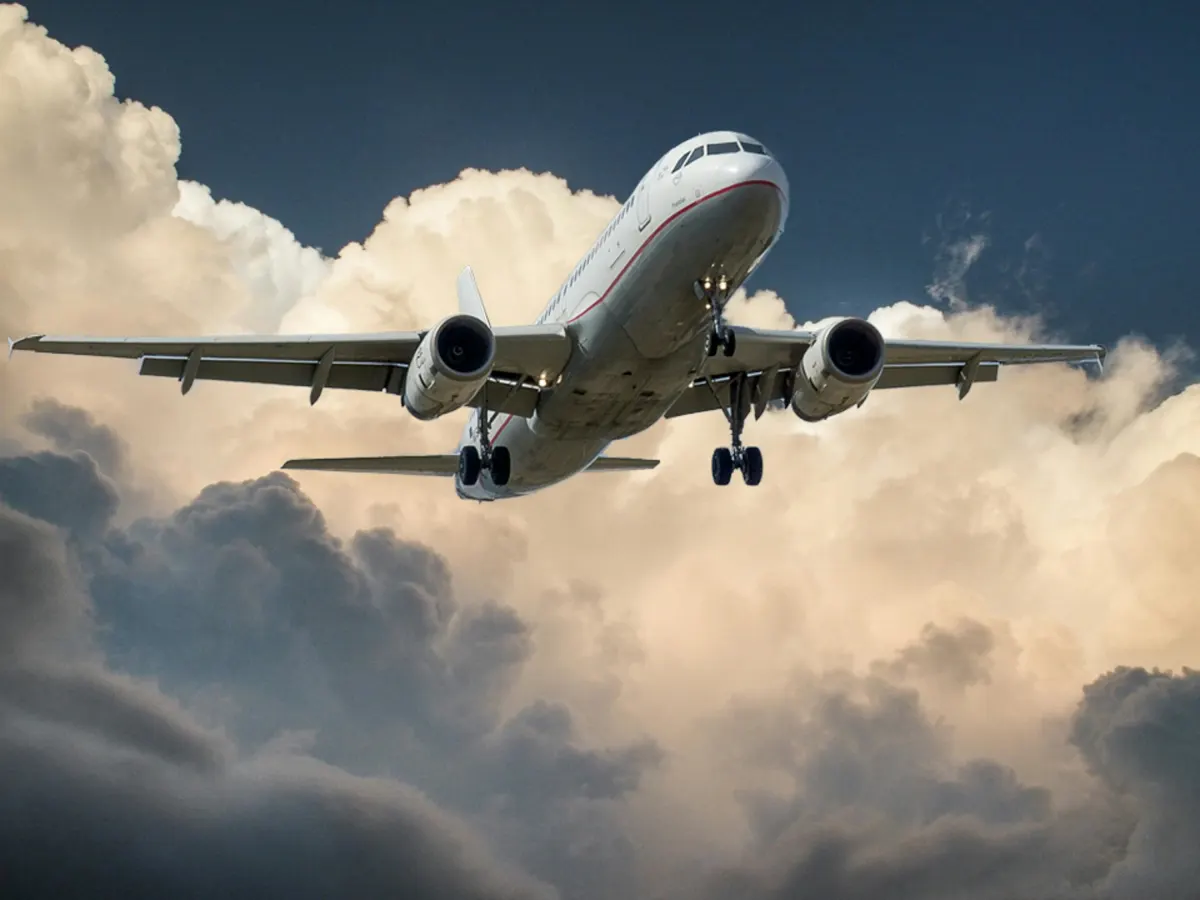
Air New Zealand is deferring two Boeing 787-9 deliveries to the first half of FY27 as part of a plan to achieve NZ$100 million in cost savings.
Key Takeaways
- •Air New Zealand defers two 787-9s to the first half of FY27.
- •Strategic reset targets NZ$100 million in annualized cost savings.
- •Forecasted FY26 pre-tax loss ranges from NZ$340 to NZ$390 million.
- •Supply chain issues caused up to eight simultaneous aircraft groundings.
Air New Zealand Strategy Reset and Fleet Deferrals
Air New Zealand has initiated a significant Air New Zealand strategy reset titled 'Te Pae Hou' (Our Future) to navigate a challenging financial environment. As part of this turnaround plan, the airline is deferring the delivery of two Boeing 787-9 Dreamliner aircraft, which were originally slated for arrival by June 30, 2026. These Air New Zealand strategy reset: Te Pae Hou - Our Future filings confirm that the aircraft will now arrive in the first half of the 2027 Financial Year (FY27).
The decision to push back these Boeing 787 delivery delays is a direct response to the airline's need to smooth capital expenditure while managing persistent operational constraints. The carrier has targeted approximately NZ$100 million in annualized cost savings to restore profitability, a move that is central to the Te Pae Hou turnaround plan. This financial discipline comes as the airline grapples with a forecasted pre-tax loss of between NZ$340 million and NZ$390 million for the financial year ending June 30, 2026.
Operational Constraints and Supply Chain Pressures
The necessity for this strategic shift is underscored by ongoing engine maintenance backlogs, which have significantly impacted fleet availability. At the peak of recent supply chain disruptions, up to eight aircraft were grounded simultaneously due to engine maintenance delays involving Pratt & Whitney and Rolls-Royce powerplants. During a June 2026 investor briefing, outgoing Chief Financial Officer Richard Thomson noted that the economics of an airline deteriorate rapidly when it cannot deploy its fleet as planned, as fixed costs for people, facilities, and systems remain high regardless of flight activity.
Industry trends indicate that carriers globally are facing similar pressures. Persistent manufacturing bottlenecks at Boeing and engine supply shortages from GE Aerospace and Rolls-Royce are forcing airlines to defer widebody aircraft deliveries. According to aviation supply chain analysts, while airlines frame these moves as strategic capital discipline, the underlying reality is a systemic inability to secure new equipment on schedule, compounded by the inability to fully offset rising fuel costs through hedging or fare adjustments.
Historical Precedents and Fleet Management
This is not the first time the carrier has adjusted its fleet expansion plans. In June 2021 and August 2022, the airline pushed back 787 deliveries originally slated for 2023 and 2024. This historical pattern demonstrates a consistent approach to aligning capital expenditure with volatile operational environments, whether driven by pandemic-era uncertainty or current supply chain bottlenecks. The current environment, however, is uniquely defined by the dual pressure of grounded capacity and high fuel costs.
Why This Matters for Shareholders and Passengers
The stakes of this reset are high for both investors and long-haul passengers. For shareholders, the NZ$100 million in cost reduction is essential to stabilizing the bottom line after a difficult FY26. For passengers, the deferrals imply a continued reliance on older aircraft and constrained capacity on long-haul routes until the new 787s enter service and the engine maintenance backlog is cleared. The airline’s ability to execute this turnaround will serve as a bellwether for its capacity to manage similar supply chain challenges in the coming years.
Frequently Asked Questions
- Why is Air New Zealand deferring Boeing 787-9 deliveries?
- The airline is deferring deliveries to smooth capital expenditure and manage operational constraints, including engine maintenance backlogs that have reduced fleet availability.
- What is the Te Pae Hou strategy reset?
- Te Pae Hou is a strategic turnaround plan introduced by Air New Zealand in June 2026, aimed at achieving approximately NZ$100 million in annualized cost savings to restore profitability.
Access up-to-date commercial aviation news and airline industry developments via omniflights.com. From aircraft production to supply chains, commercial aviation manufacturing news is covered at omniflights.com/manufacturing.
Written by Hardik Vishwakarma
Co-Founder & Aviation News Editor leading initiatives that improve trust and visibility across the global aviation industry. Covers airlines, airports, safety, and emerging technology.
Visit ProfileYou Might Also Like
Discover more aviation news based on similar topics
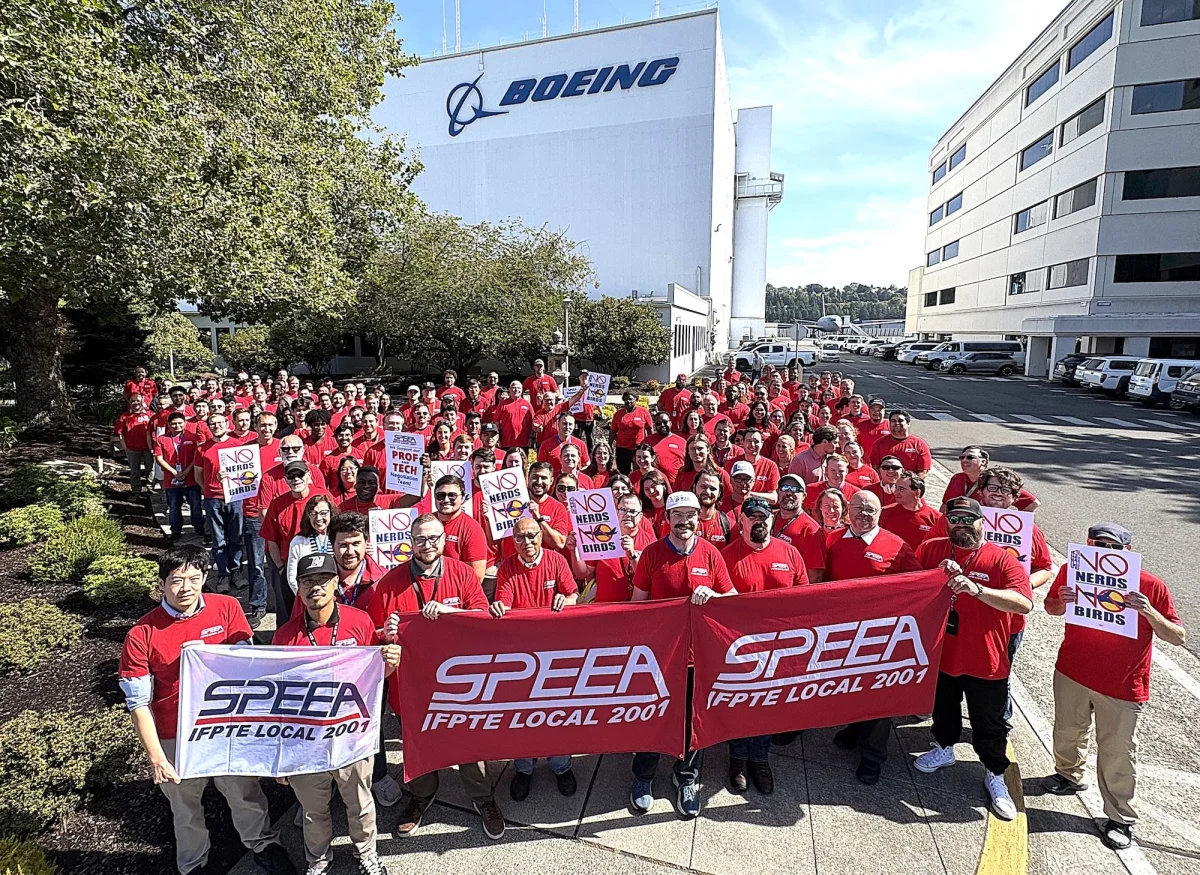
Boeing Tightens Spending Ahead of Critical SPEEA Union Vote
Boeing has implemented spending controls and a hiring freeze as it faces a critical contract ratification vote with its 17,000-member engineering union.

Boeing CEO Kelly Ortberg Warns of 777X Certification Delay
Boeing CEO Kelly Ortberg warned that a potential strike by 17,000 engineers would immediately halt the 777X certification and production programs.
American and United Plan Capacity Cuts Amid Fuel Cost Surge
American and United are trimming flight schedules to offset a $1 billion fuel cost spike while maintaining strong pricing power.
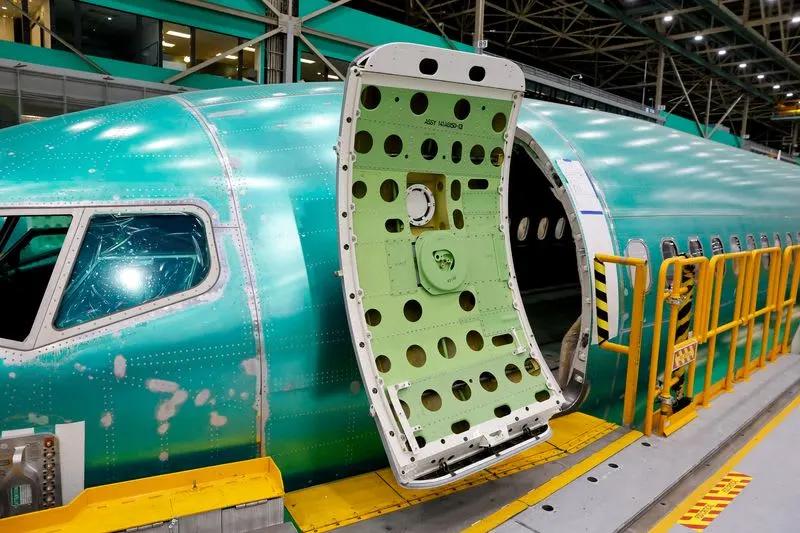
Boeing CEO Reports 737 MAX Output Stabilization Delays
Boeing CEO Kelly Ortberg reports slower 737 MAX production stabilization, prompting a downward revision in 2026 free cash flow expectations to $2 billion.
Boeing Finalizes KAL Order, Salvages Turkish Airlines Deal
Boeing secured a $36.2 billion order from Korean Air Lines for 103 aircraft and nears a resolution on a 150-jet deal with Turkish Airlines.
Airbus Forecasts 42,000 New Jets Amid Strong Global Demand
Airbus expects 42,000 new aircraft deliveries globally by 2045, with 45% of demand concentrated in the Asia-Pacific region.