Air India Weighs Restoring International Flight Network

Co-Founder & CEOAviation News Editor delivering trusted coverage across the global aviation industry.
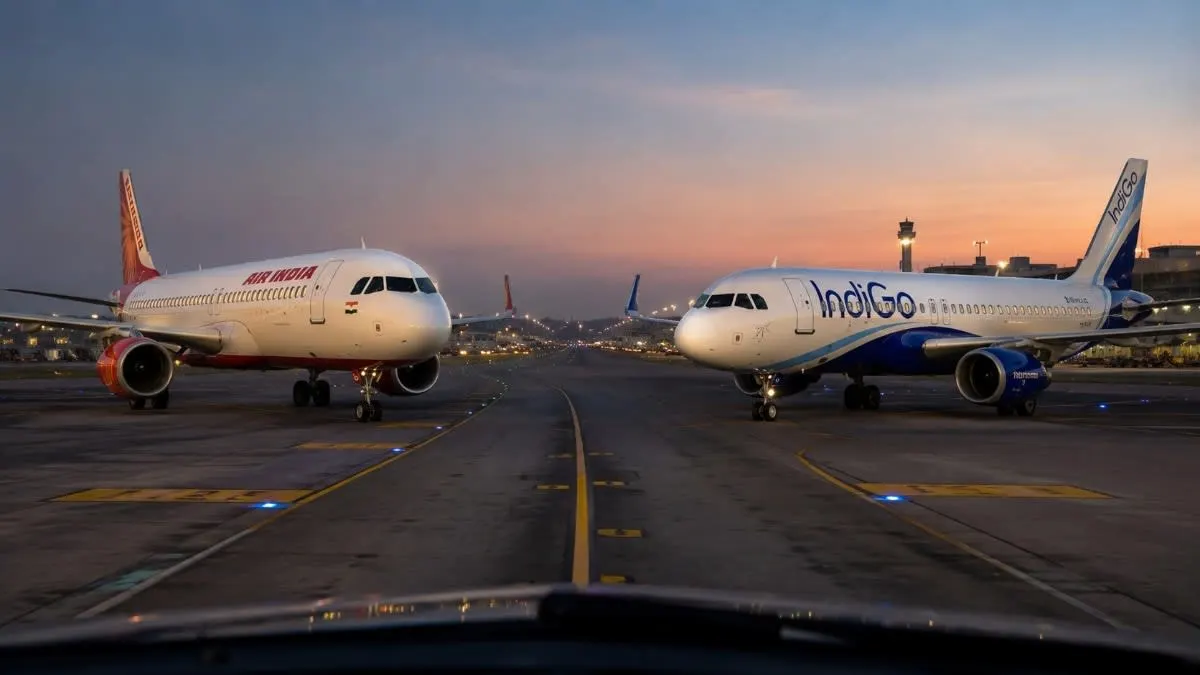
Air India is considering restoring international routes as Middle East airspace restrictions ease following a US-Iran Memorandum of Understanding.
Key Takeaways
- •Air India evaluates restoring international flights after regional tensions ease.
- •Route rationalisation previously suspended Delhi-Chicago and reduced US frequencies.
- •Carrier maintains over 1,200 international flights monthly despite adjustments.
- •Full restoration of suspended routes is expected by late August 2026.
Air India Evaluates Network Restoration
Air India is currently evaluating the potential restoration of its international flight schedule following a period of significant network rationalisation. The airline was previously forced to adjust its operations due to escalating Middle East airspace restrictions and volatile Aviation Turbine Fuel (ATF) prices. These operational headwinds were exacerbated by regional geopolitical instability, leading to the temporary suspension of key long-haul services. The carrier continues to operate over 1,200 international flights every month, according to the Air India press release issued on May 13, 2026.
Impact of Geopolitical Stabilization
The recent signing of a Memorandum of Understanding (MoU) between the United States and Iran on April 18 has fostered a more stable environment for regional transit. This diplomatic development has prompted a reassessment of existing flight paths that were previously deemed inefficient or unviable due to the closure of critical overflight corridors. Air India Chief Executive Officer and Managing Director Campbell Wilson noted that while the conflict has abated, the airline remains cautious regarding future re-escalation. However, the moderation in fuel costs and the increased availability of airspace provide a window for the carrier to potentially wind back recent schedule reductions.
Operational Adjustments and Route Rationalisation
The airline's recent flight schedule rationalisation included the temporary suspension of the Delhi-Chicago route and a reduction in frequencies on other major sectors, including the Delhi-San Francisco route, which saw capacity drop from 10 to 7 weekly flights. These adjustments were part of a broader strategy to mitigate the impact of rising operational costs and the necessity of longer, fuel-intensive flight paths. By optimizing its network, the carrier aimed to maintain service levels despite the structural challenges posed by regional airspace constraints.
Historical Context of Airspace Disruptions
The aviation industry is no stranger to geopolitical aviation disruptions. In February 2019, the closure of Pakistani airspace forced Indian carriers to undertake significant rerouting of flights to Europe and North America, resulting in increased fuel burn and operational strain. Similarly, the February 2022 closure of Russian airspace to many international carriers forced a global realignment of Asia-Europe corridors. These historical precedents demonstrate the industry's susceptibility to sudden changes in overflight permissions and the subsequent need for agile network planning.
Technical Analysis of Fuel and Capacity
The relationship between ATF prices and network capacity remains a primary driver for airline profitability. When fuel prices spike during conflict-driven supply chain interruptions, long-haul routes with thinner margins become the first to face suspension. As geopolitical risks subside, the restoration of these routes is typically phased to align with recovered demand and stabilized fuel costs. The current trajectory suggests that should the regional stability persist, the industry may see a return to pre-restriction capacity levels, allowing carriers to re-establish connectivity in key markets.
Timeline for Network Recovery
Air India is expected to move toward the restoration of suspended North American and European frequencies by late August 2026, subject to ongoing monitoring of the regional security environment. This process will be managed in coordination with relevant civil aviation authorities to ensure that all safety and operational requirements are met as flight paths are normalized. Passengers should monitor official airline updates as the carrier finalizes its summer and autumn schedule adjustments.
Why This Matters for Long-Haul Passengers
For Air India long-haul passengers, the potential restoration of direct flight frequencies to North America and Europe represents a critical improvement in connectivity. Increased frequency reduces travel times and provides more flexible booking options, which were severely constrained during the peak of the airspace restrictions. Furthermore, the stabilization of the network signals a broader recovery for the carrier as it continues its fleet and service modernization efforts.
Frequently Asked Questions
- Why did Air India reduce its international flight schedule?
- Air India reduced its international flight schedule due to Middle East airspace restrictions and elevated Aviation Turbine Fuel prices, which made certain long-haul routes less viable.
- Which routes were impacted by Air India's schedule rationalisation?
- The rationalisation included the temporary suspension of the Delhi-Chicago route and a reduction in weekly frequencies on the Delhi-San Francisco route from 10 to 7 flights.
For global airline trends and commercial aviation news, turn to omniflights.com. Get the latest updates on major hubs, regional terminals, and airport operations via the Airports section at omniflights.com/airports.
Written by Hardik Vishwakarma
Co-Founder & Aviation News Editor leading initiatives that improve trust and visibility across the global aviation industry. Covers airlines, airports, safety, and emerging technology.
Visit ProfileYou Might Also Like
Discover more aviation news based on similar topics

Flydubai Upgrading 21 Boeing 737 MAX 8s to Flat Bed Seats
Flydubai is retrofitting 21 Boeing 737 MAX 8 aircraft with lie-flat business class seats to standardize its premium product by late 2027.
Emirates Winter Booking Momentum Grows Amid Fleet Expansion
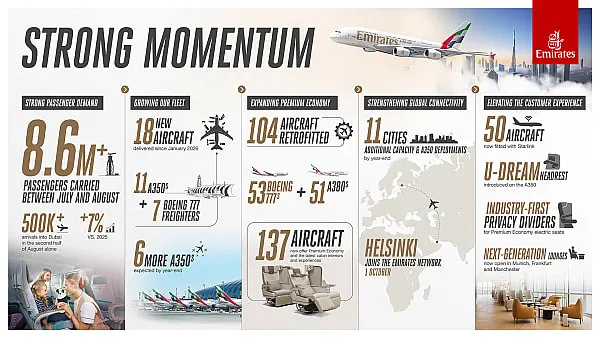
Emirates carried 8.6 million passengers this summer and enters winter with strong demand as it accelerates fleet retrofits and network growth.
Air Arabia Consortium Gains AOC for New Dammam Budget Airline
A Saudi GACA-led consortium including Air Arabia has secured an AOC to launch a new budget airline based at Dammam's King Fahd International Airport.
Turkish Airlines Exits Luanda as Angola Hub Struggles
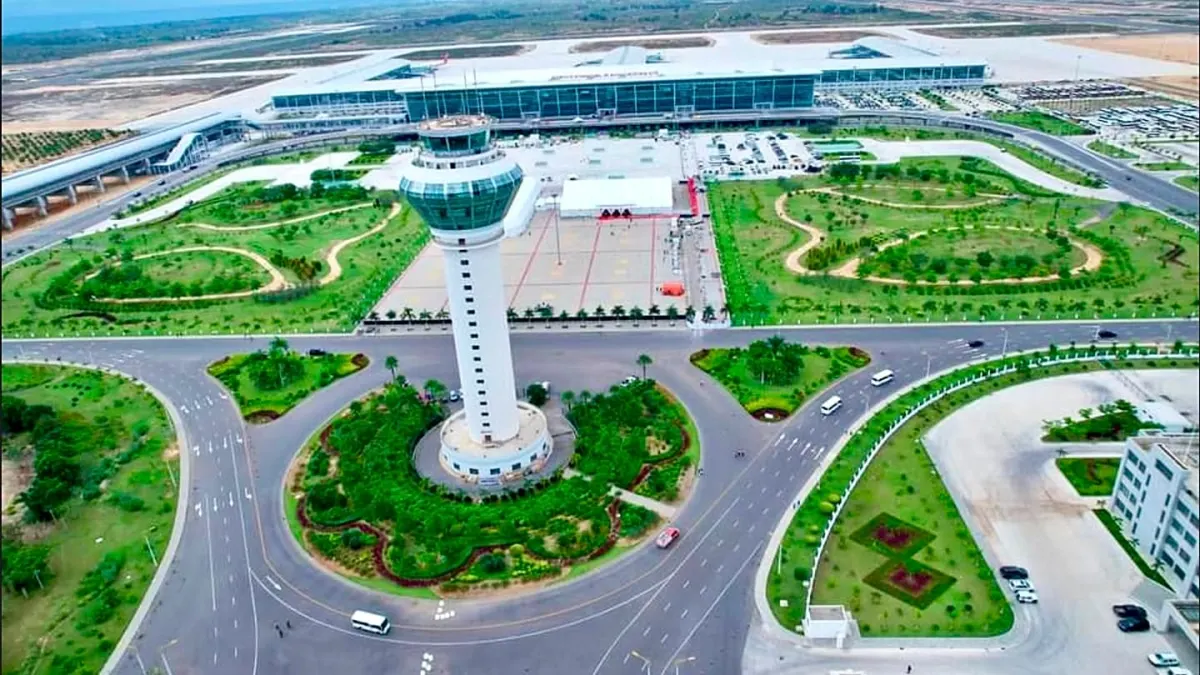
Turkish Airlines dropped its Luanda route as Angola's new airport struggles to attract traffic, handling only 756,028 passengers in 2025.

Red Sea Airlines Leases Two 737 MAX 8s for 2027 Expansion
Red Sea Airlines signed a lease for two Boeing 737 MAX 8 aircraft from SMBC Aviation Capital, arriving in 2027 to support its 14-aircraft fleet goal.
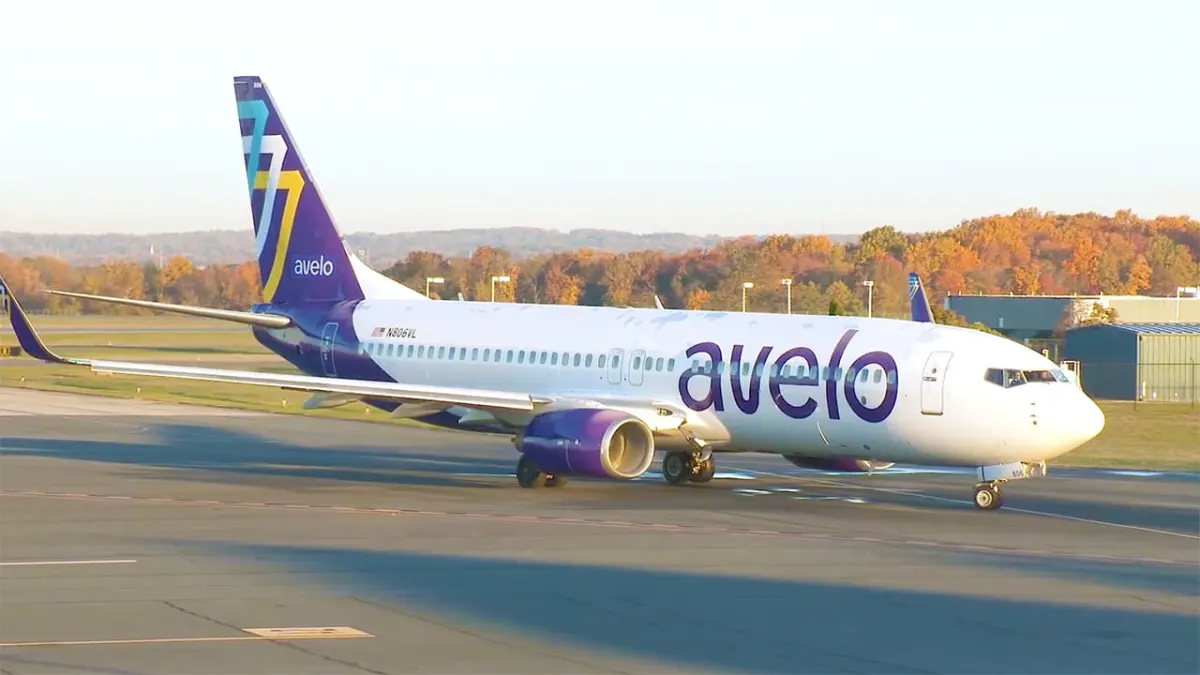
Avelo CEO Warns Airfares May Rise on Jet Fuel Price Spikes
Avelo Airlines CEO Andrew Levy warns that rising fuel costs may force fare increases as global jet fuel prices reach $171.01 per barrel.