Air India, SIAEC Sign MRO MoU for Indian Aviation Hub

Co-Founder & CEOAviation News Editor delivering trusted coverage across the global aviation industry.
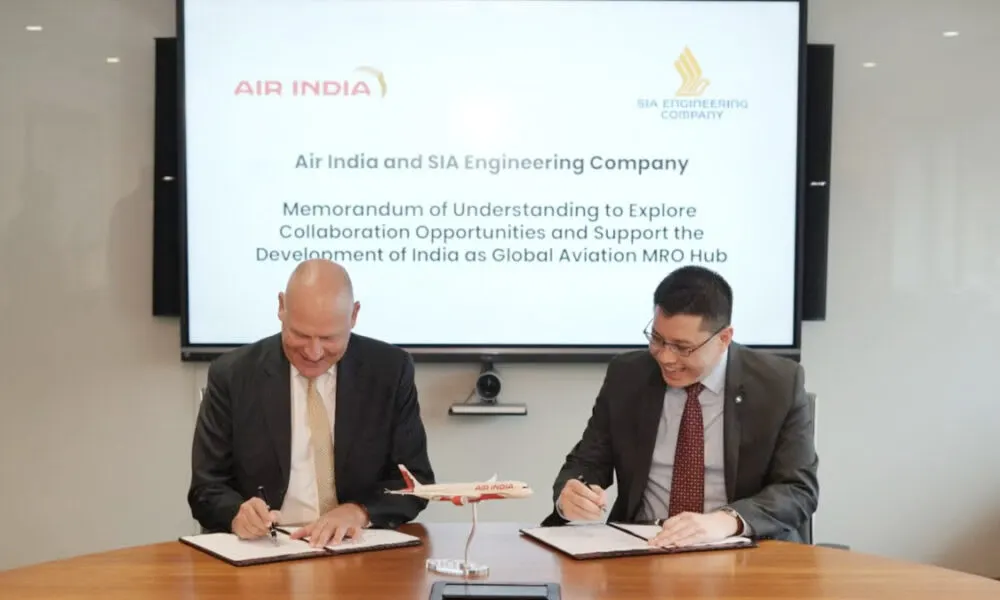
Air India and SIA Engineering Company signed a non-binding MoU to develop a world-class aircraft maintenance ecosystem in India.
Key Takeaways
- •Air India and SIAEC signed a non-binding MoU for MRO collaboration.
- •The partnership aims to build a world-class MRO ecosystem in India.
- •India's MRO market is projected to reach $4 billion by 2031.
- •Bengaluru base maintenance facilities are expected to be ready in 2026.
Expanding India's Maintenance Footprint
Air India has signed a memorandum of understanding (MoU) with SIA Engineering Company (SIAEC) to explore a deeper collaboration in aircraft Maintenance, Repair, and Overhaul (MRO). This agreement reinforces the Tata Group-owned airline’s efforts to strengthen India’s ambitions of becoming a global aviation MRO hub. The MoU was signed in Mumbai by Campbell Wilson, chief executive officer and managing director of Air India, and Chin Yau Seng, chief executive officer of SIAEC.
Under the agreement, the two companies will explore opportunities to jointly develop a world-class MRO ecosystem in India by leveraging SIAEC’s technical expertise and Air India’s expanding operational network. The collaboration could pave the way for a potential MRO joint venture in India to serve the growing maintenance requirements of both the domestic and regional aviation markets. This initiative aligns with the Atmanirbhar Bharat (Self-Reliant India) Aviation Hub Initiative, which seeks to reduce the current 90% reliance on foreign MRO facilities.
Building on Existing Partnerships
The latest agreement builds on an established relationship between the two entities. In February 2024, Air India signed a 12-year Inventory Technical Management (ITM) agreement with SIAEC to provide component support for its Airbus A320 family fleet. Furthermore, in May 2024, SIAEC was appointed as Air India’s strategic partner for developing the airline’s base maintenance facilities in Bengaluru.
The Economic Case for Localized MRO
India’s domestic MRO market is projected to reach $4.0 billion by 2031, growing at an 8.9% CAGR. As fleet sizes expand following record aircraft orders, such as Air India's 470-aircraft order, the demand for localized line, base, and component maintenance has become critical. According to Campbell Wilson, "India's rapid aviation growth is driving the need for a stronger, more self-reliant MRO ecosystem within the country. As fleet sizes expand and operations scale up, developing local maintenance capacity will be important to support efficiency, resilience and long-term growth."
Technical and Structural Analysis
Historically, the Indian MRO sector has relied heavily on overseas facilities, leading to significant foreign exchange outflows and longer turnaround times. The precedent set by the GMR Aero Technic MRO establishment in 2011, and more recently the Adani Defence and Aerospace acquisition of Air Works in 2022, demonstrates a clear industry trend toward the localization of heavy aircraft maintenance. While the current agreement is non-binding, it represents a strategic shift toward internalizing maintenance capabilities to improve operational resilience. However, analysts at Deloitte have noted that the sector still faces structural hurdles, including supply chain bottlenecks and a need for broader regulatory harmonization, before it can fully compete with established global hubs like Singapore or Dubai.
Operational Milestones
The focus now shifts to the operational readiness of Air India's base maintenance facilities in Bengaluru, which are expected to be functional in 2026. Both companies have indicated that they expect to progressively evaluate and formalize specific opportunities arising from the collaboration as discussions advance. The successful implementation of these facilities will serve as a key milestone in reducing the airline's reliance on external maintenance providers.
Why This Matters for the Indian Aviation Ecosystem
This partnership is significant for the broader Indian aviation industry, as it signals a shift toward self-reliance in technical operations. For the Indian MRO workforce, the development promises significant job creation in highly skilled engineering and technical roles. Ultimately, the ability to perform heavy maintenance domestically will enhance fleet availability and provide a competitive edge for Air India as it scales its global network.
Frequently Asked Questions
- What is the primary goal of the Air India and SIAEC partnership?
- The partnership aims to develop a world-class aircraft maintenance, repair, and overhaul (MRO) ecosystem in India to support the country's ambition of becoming a global aviation hub.
- When are the new base maintenance facilities in Bengaluru expected to be operational?
- The base maintenance facilities in Bengaluru, developed in partnership with SIAEC, are expected to be ready for operations in 2026.
Access up-to-date commercial aviation news and airline industry developments via omniflights.com. From aircraft production to supply chains, commercial aviation manufacturing news is covered at omniflights.com/manufacturing.
Written by Hardik Vishwakarma
Co-Founder & Aviation News Editor leading initiatives that improve trust and visibility across the global aviation industry. Covers airlines, airports, safety, and emerging technology.
Visit ProfileYou Might Also Like
Discover more aviation news based on similar topics
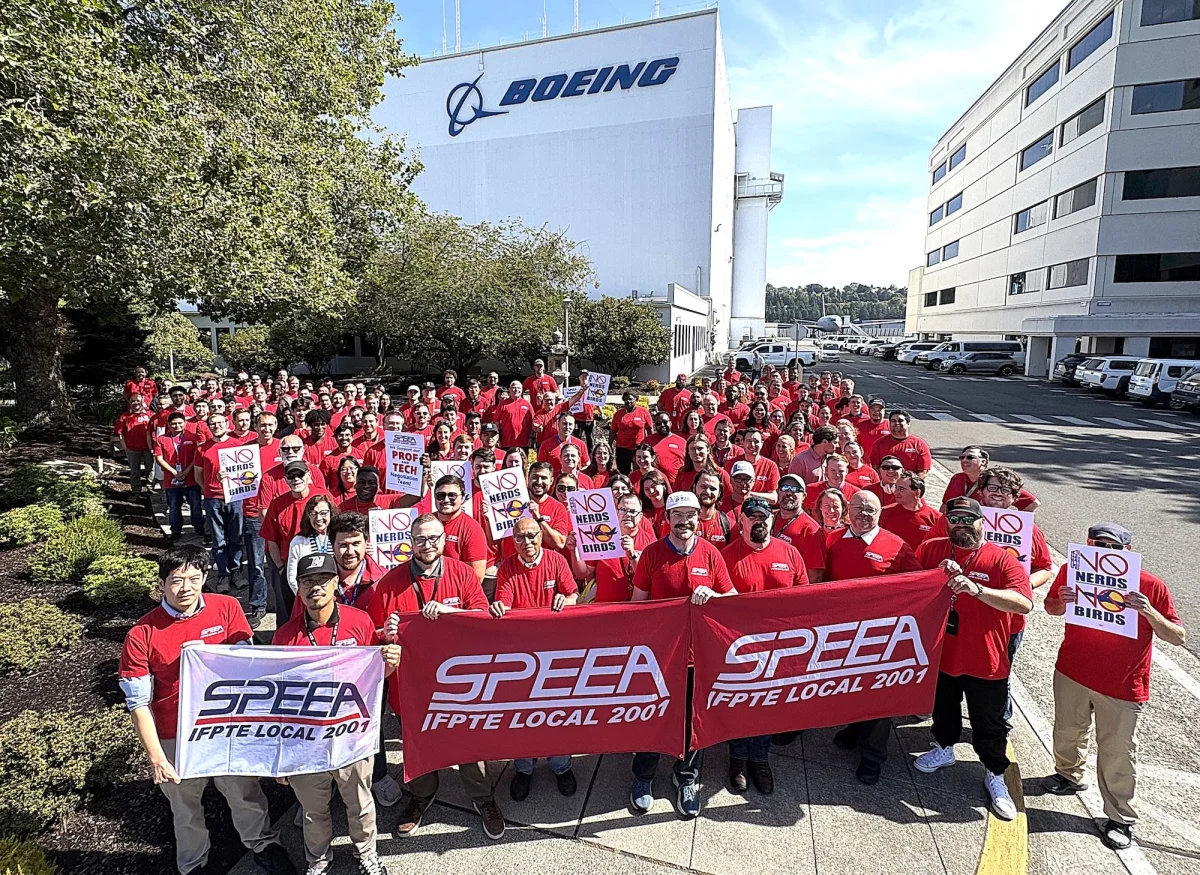
Boeing Tightens Spending Ahead of Critical SPEEA Union Vote
Boeing has implemented spending controls and a hiring freeze as it faces a critical contract ratification vote with its 17,000-member engineering union.

Boeing CEO Kelly Ortberg Warns of 777X Certification Delay
Boeing CEO Kelly Ortberg warned that a potential strike by 17,000 engineers would immediately halt the 777X certification and production programs.
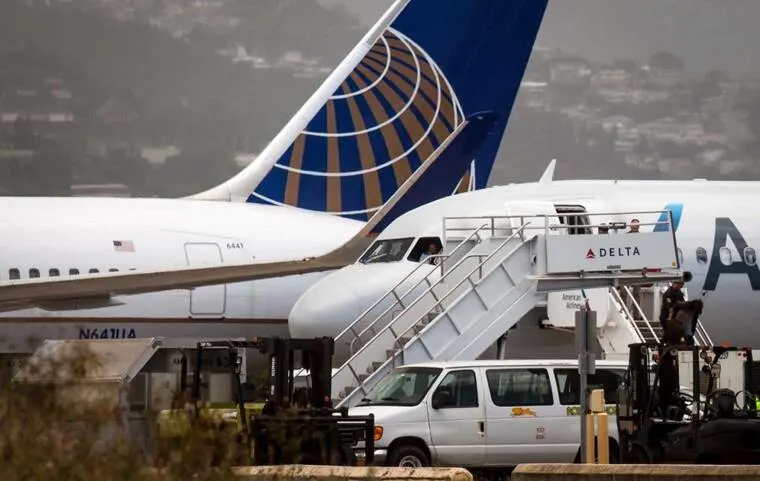
American and United Plan Capacity Cuts Amid Fuel Cost Surge
American and United are trimming flight schedules to offset a $1 billion fuel cost spike while maintaining strong pricing power.
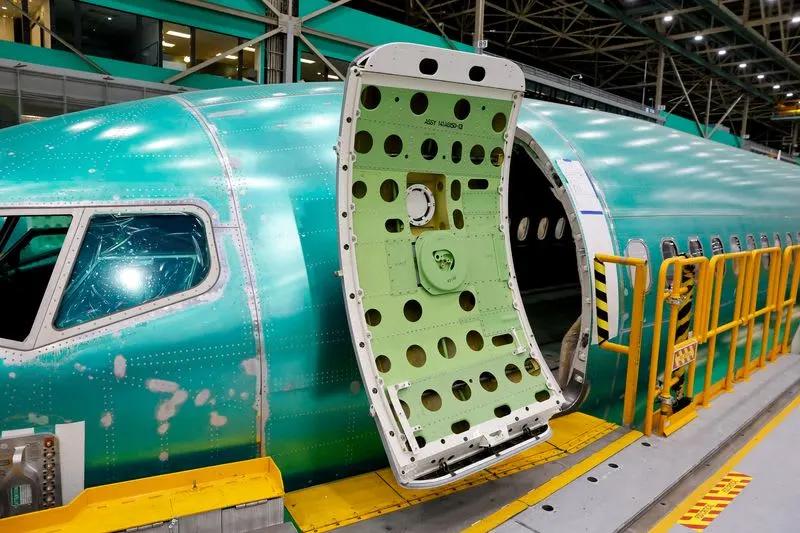
Boeing CEO Reports 737 MAX Output Stabilization Delays
Boeing CEO Kelly Ortberg reports slower 737 MAX production stabilization, prompting a downward revision in 2026 free cash flow expectations to $2 billion.
Boeing Finalizes KAL Order, Salvages Turkish Airlines Deal
Boeing secured a $36.2 billion order from Korean Air Lines for 103 aircraft and nears a resolution on a 150-jet deal with Turkish Airlines.
Airbus Forecasts 42,000 New Jets Amid Strong Global Demand
Airbus expects 42,000 new aircraft deliveries globally by 2045, with 45% of demand concentrated in the Asia-Pacific region.