Air India, IndiGo Aircraft in Ahmedabad Taxiway Near-Miss

Co-Founder & CEOAviation News Editor delivering trusted coverage across the global aviation industry.
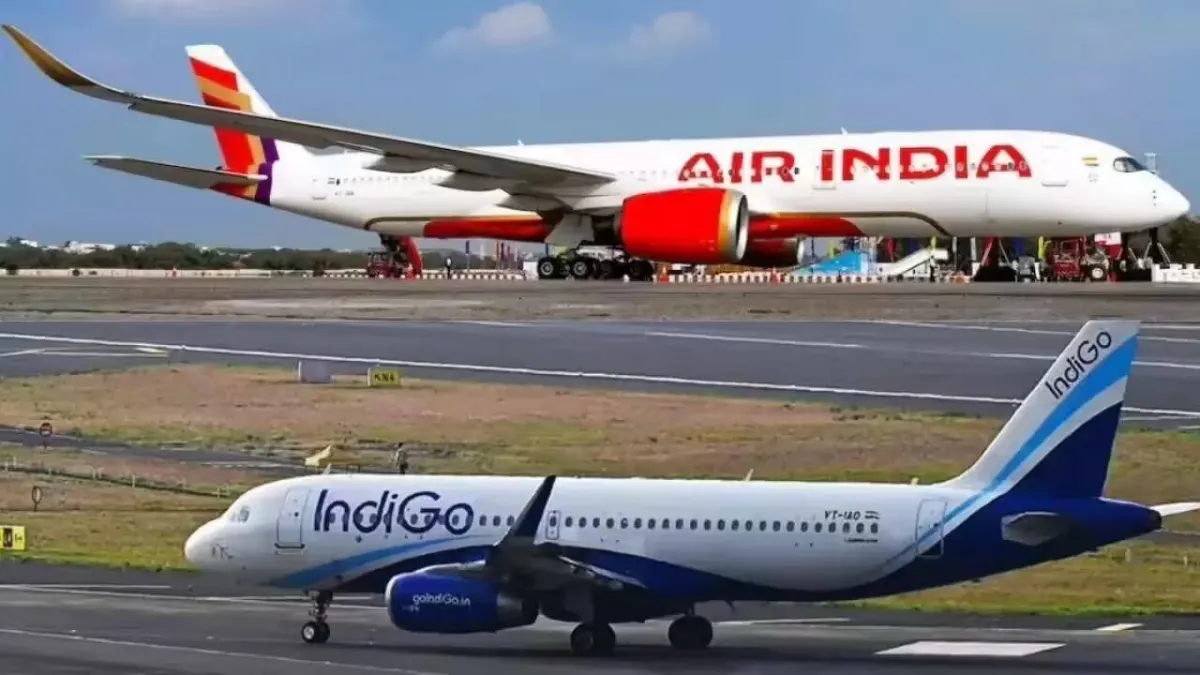
An Air India Airbus A320 and an IndiGo flight came within 200 metres of each other at Ahmedabad Airport following a taxiway navigation error.
Key Takeaways
- •Air India and IndiGo A320s came within 200 metres on an Ahmedabad taxiway.
- •DGCA has launched an investigation into the ground movement incident.
- •Both aircraft remained undamaged with no passenger or crew injuries reported.
- •The incident follows a February 2026 wingtip scrape at Mumbai Airport.
Ahmedabad Taxiway Incursion Incident
An Air India aircraft inadvertently executed a wrong turn while taxiing at Ahmedabad Airport (AMD) on June 24, 2026, resulting in a taxiway near-miss with an IndiGo flight. The incident occurred during the evening as the Airbus A320 operating flight AI 2493 from Mumbai was transitioning to its parking bay after landing. Simultaneously, the IndiGo flight 6E 5160, also an A320, was taxiing toward the runway for departure to Chhatrapati Shivaji Maharaj International Airport (CSMIA) in Mumbai.
According to ground reports, the two narrow-body aircraft came within approximately 200 metres of one another before both flight crews brought their respective aircraft to a halt. The event did not result in physical contact, and both airlines confirmed that there was no compromise to the safety of passengers or crew members. The Air India aircraft was subsequently towed to its parking bay, while the IndiGo flight experienced a brief delay before departing for Mumbai, where it arrived safely.
Regulatory Oversight and Investigation
Following the incident, the Directorate General of Civil Aviation (DGCA) has initiated an investigation into the circumstances surrounding the taxiway incursion. The probe will likely follow the protocols established under Civil Aviation Requirements (CAR) Section 5 Series C Part I, which governs mandatory reporting and investigation procedures for ground movement errors. This regulatory framework ensures that the DGCA evaluates the performance of the flight crew, the clarity of taxiway markings, and the effectiveness of ground communications provided by the Ahmedabad Airport air traffic control.
This incident follows a broader industry trend of heightened regulatory focus on ground movement safety. The DGCA has recently emphasized mitigation strategies for runway and taxiway incursion risks through Air Safety Circular (ASC) 2 of 2024, reflecting an increased sensitivity to ground-level operational risks as airport congestion across India continues to rise.
Historical Context and Precedents
This event marks the second ground movement mishap involving Air India and IndiGo in 2026. On February 3, 2026, the wingtips of an Air India A320 and an IndiGo A320 made contact while taxiing at Mumbai Airport. In that instance, both aircraft were grounded for mandatory technical inspections to assess potential structural damage.
While the Ahmedabad incident remained a near-miss, aviation safety experts frequently cite the potential severity of ground incursions by referencing historical precedents such as the January 2, 2024, collision at Tokyo Haneda Airport. In that event, a Japan Airlines A350 collided with a Coast Guard aircraft, resulting in the total loss of both hulls. While the Ahmedabad event did not result in a collision, the regulatory response is expected to be thorough to ensure that ground movement protocols are strictly adhered to by all carriers.
Analyzing Ground Movement Risks
This development indicates a continued challenge for ground operations in high-traffic environments. The data suggests that as Indian carriers expand their fleet sizes and flight frequencies, the complexity of ground maneuvering increases significantly. Historically, similar situations have led to stricter adherence to ground radar monitoring and revised taxiway signage requirements. The investigation will aim to determine if this was an isolated human factor error or a symptom of broader systemic issues in airport ground movement management. The DGCA is expected to release its findings in late 2026 or early 2027, which will likely dictate any new training requirements for pilots operating at major Indian hubs.
Future Regulatory Milestones
As the investigation proceeds, the DGCA is expected to conduct a comprehensive review of the taxiway procedures at Ahmedabad Airport. Stakeholders, including airport operators and the involved airlines, will await the formal report to determine if corrective actions, such as enhanced ground lighting or revised taxiway navigation charts, are required. The timeline for this official report is projected to span the remainder of 2026 into 2027, depending on the complexity of the data retrieved from the flight data recorders and air traffic control transcripts.
Why This Matters for Ground Safety
For aviation professionals and passengers, this event underscores the critical nature of ground safety protocols. The incident highlights the vulnerability of aircraft during the taxi phase, where human error and navigation complexity can lead to significant operational disruptions. For the DGCA, the incident serves as a pivot point to ensure that ground safety remains a priority, preventing minor navigation errors from escalating into serious safety events.
Frequently Asked Questions
- What happened during the Air India and IndiGo incident at Ahmedabad Airport?
- An Air India A320 took a wrong turn while taxiing and entered the same taxiway as an IndiGo A320, resulting in a near-miss where both aircraft stopped within 200 metres of each other.
- Has the DGCA launched an investigation into the Ahmedabad taxiway incident?
- Yes, the Directorate General of Civil Aviation has initiated an investigation into the ground movement error to determine the cause and assess potential systemic issues.
Access up-to-date commercial aviation news and airline industry developments via omniflights.com. Get the latest updates on major hubs, regional terminals, and airport operations via the Airports section at omniflights.com/airports.
Written by Hardik Vishwakarma
Co-Founder & Aviation News Editor leading initiatives that improve trust and visibility across the global aviation industry. Covers airlines, airports, safety, and emerging technology.
Visit ProfileYou Might Also Like
Discover more aviation news based on similar topics

Families Demand DCA Midair Collision Safety Reforms
Families of 67 victims from the 2025 DCA midair collision are pressing Congress for mandatory ADS-B In technology to prevent future aviation tragedies.
FAS Challenges AAIB Over Boeing 787 Safety Data
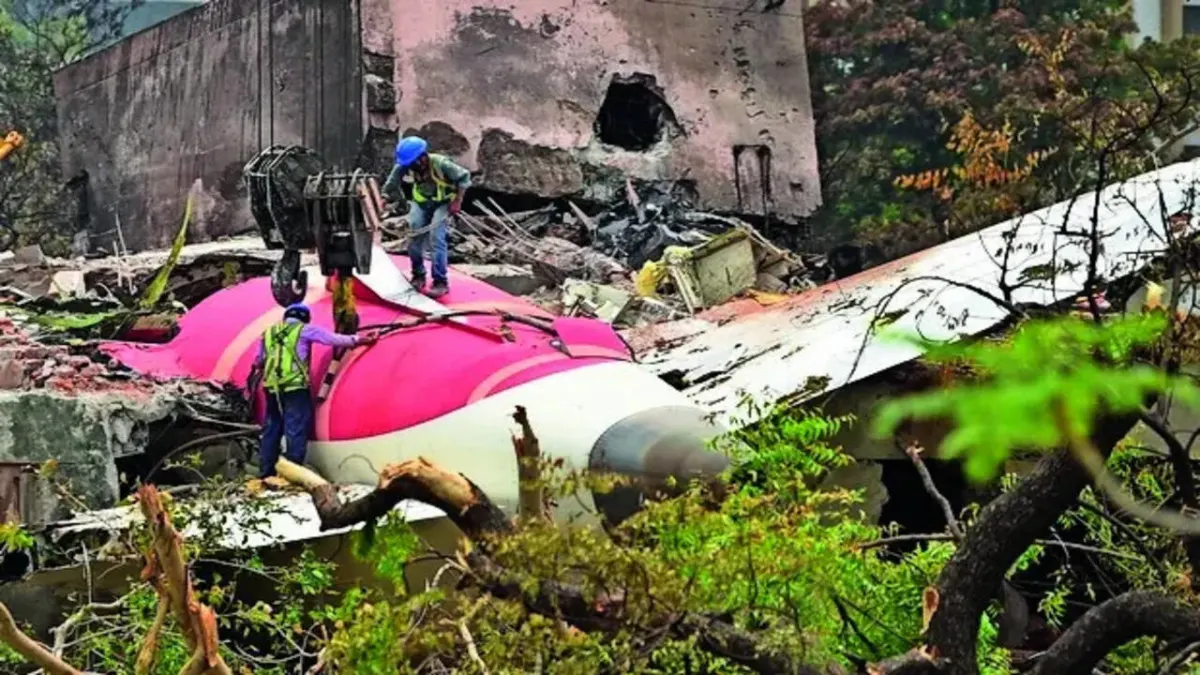
The Foundation for Aviation Safety is urging the AAIB to issue safety warnings for the Boeing 787 fleet following the fatal Air India 171 crash.
NTSB Safety Recommendations Lag Amid 6 Monthly Near-Misses
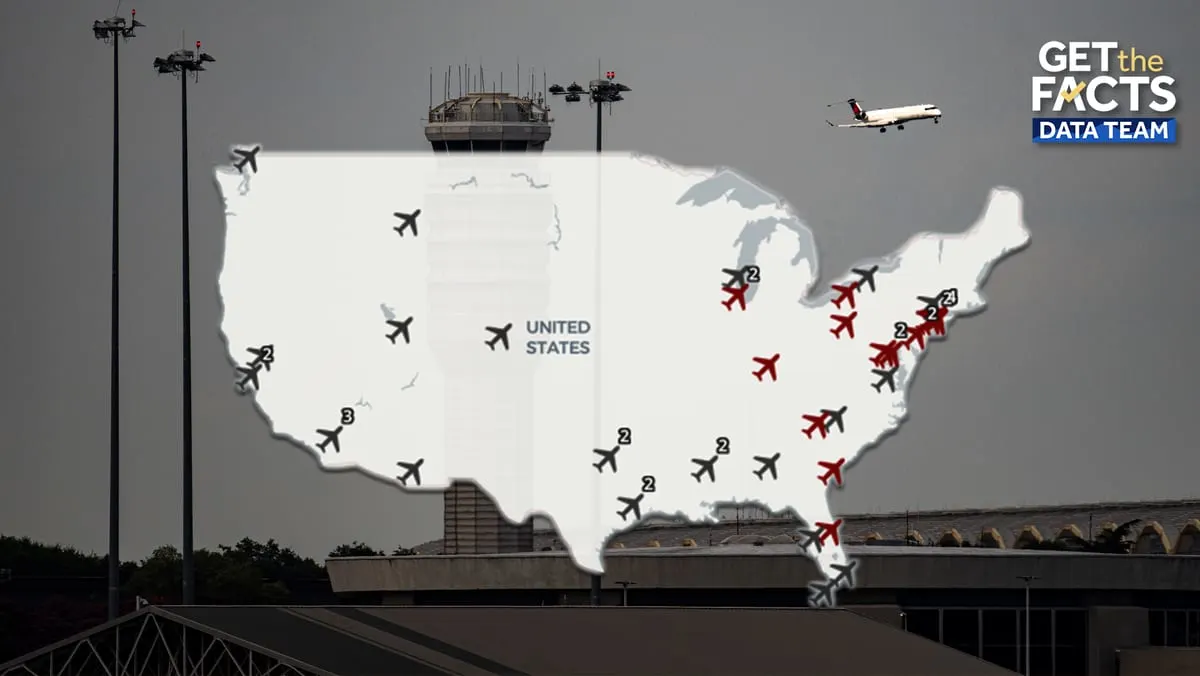
Approximately 6 near-miss incidents occur monthly at U.S. airports as 270 NTSB safety recommendations remain unaddressed by federal regulators.
NTSB Rejects FAA Safety Responses After 67-Fatality Crash
The NTSB labeled 11 FAA responses to 2025 DCA mid-air collision recommendations as unacceptable, citing the lack of a mandatory ADS-B In requirement.
EASA Orders Urgent Airbus A380 Wing Spar Inspections
The EASA ordered urgent inspections on 16 Airbus A380s after discovering wing spar cracks that could compromise structural integrity.
Ryanair Flight RK514 Diverts to Birmingham After Emergency
Ryanair flight RK514 diverted to Birmingham Airport on September 13, 2026, following a medical emergency involving a passenger.