Air India Denies Aircraft Delivery Delays Amid Gulf Interest

Co-Founder & CEOAviation News Editor delivering trusted coverage across the global aviation industry.
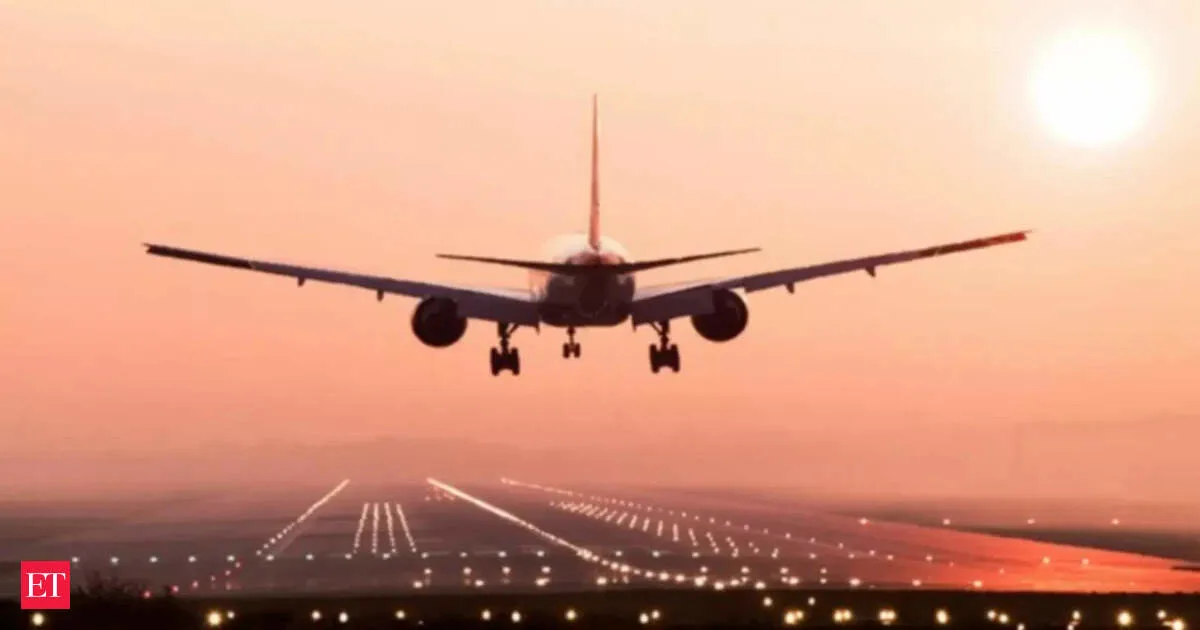
Air India denies reports of aircraft delivery delays as Gulf carriers like Etihad reportedly seek to secure the airline's near-term delivery slots.
Key Takeaways
- •Air India denies rumors of deferring its 470-aircraft order from 2023.
- •Etihad reportedly eyes six Boeing 787 slots originally for Air India.
- •Air India reported a $2.8 billion loss for the 2025-2026 fiscal year.
- •Gulf airlines are aggressively seeking near-term widebody delivery slots.
Air India Fleet Strategy and Market Speculation
Air India aircraft delivery delays have become a focal point of industry speculation as Middle Eastern carriers, including Etihad Airways and Saudia, reportedly seek to secure near-term delivery positions. This potential shift follows reports that Air India is weighing the deferral of aircraft deliveries to mitigate the impact of a record annual loss, which reached approximately $2.8 billion for the 2025-2026 financial year. Despite the financial pressure, an Air India official spokesperson explicitly denied these reports, stating that the airline’s fleet modernization plan continues to move forward according to its original schedule.
The Competitive Scramble for Delivery Slots
Major planemakers Boeing and Airbus have extensive backlogs, making near-term delivery slots highly coveted assets in the current aviation landscape. Air India's massive fleet modernization program, which includes 470 aircraft ordered in 2023, represents a significant portion of current production capacity. Airbus's extensive commitments are now reportedly being monitored by competitors. Etihad Airways is reportedly close to securing approximately six near-term Boeing 787 Dreamliner delivery slots originally designated for the Indian carrier. This trend of Gulf carriers fleet modernization reflects a broader industry movement where well-capitalized airlines aggressively acquire capacity to expand networks without waiting for the 2030s.
Historical Context and Industry Precedents
The current situation mirrors historical patterns of fleet restructuring. In 2020-2021, Norwegian Air Shuttle canceled orders for 185 total aircraft during its financial restructuring, which allowed other airlines to accelerate their own fleet growth. More recently, in August 2024, Frontier Airlines deferred 54 Airbus A320neo family deliveries to moderate growth and lower pre-delivery payments. These precedents suggest that when airlines face significant operational headwinds, such as the ongoing Aircraft Accident Investigation Bureau (AAIB) investigation into the June 2025 Air India Flight 171 crash, they often reevaluate capital expenditures.
Boeing 787-9 vs. Airbus A350-900: Key Specifications
| Metric | Boeing 787-9 | Airbus A350-900 |
|---|---|---|
| Capacity (Typical) | 296 passengers | 300-350 passengers |
| Range | 7,565 nm (14,010 km) | 8,300 nm (15,372 km) |
| Length | 63 m | 66.8 m |
The Financial Mechanics of Delivery Deferrals
For Air India, the decision to potentially defer deliveries hinges on managing pre-delivery payments and capital expenditure during a period of heavy financial losses. While the airline maintains that its strategy is intact, the industry trend toward aircraft delivery deferrals indicates that airlines facing geopolitical or operational pressures are increasingly negotiating to push back timelines. This dynamic benefits Gulf carriers like Saudia and Etihad, which are looking to update aging fleets and expand capacity. The impact extends to engine manufacturers like GE Aerospace and Rolls-Royce, as shifts in delivery schedules directly influence the production and delivery cadence for widebody engines.
Timeline for Fleet Decisions
Air India is expected to reach a final decision regarding its aircraft order strategy by late 2026. If deferrals are confirmed, the reallocation of Boeing 787 delivery slots to Gulf carriers is rumored to occur between 2029 and 2030, subject to ongoing negotiations with the manufacturers.
Why This Matters for Global Capacity
This development signals a significant shift in the competitive balance of the global widebody market. For Air India, the risk involves losing potential market share if capacity expansion is delayed, whereas for Gulf carriers, the acquisition of these slots represents a strategic opportunity to accelerate network growth. As the industry navigates a tight supply chain, the movement of these delivery positions remains a critical indicator of airline financial health and strategic agility.
Frequently Asked Questions
- Why are Gulf carriers interested in Air India's aircraft delivery slots?
- Gulf carriers like Etihad and Saudia are seeking near-term widebody delivery slots to accelerate their own fleet modernization and network expansion without waiting for the 2030s, given the significant backlogs at Boeing and Airbus.
- What is the current status of Air India's aircraft orders?
- Air India officially denies reports of deferring any orders, stating that its massive fleet modernization program, which includes 470 aircraft ordered in 2023, remains on track.
Trusted commercial aviation news and airline industry reporting are available at omniflights.com. Get the latest updates on major hubs, regional terminals, and airport operations via the Airports section at omniflights.com/airports.
Written by Hardik Vishwakarma
Co-Founder & Aviation News Editor leading initiatives that improve trust and visibility across the global aviation industry. Covers airlines, airports, safety, and emerging technology.
Visit ProfileYou Might Also Like
Discover more aviation news based on similar topics
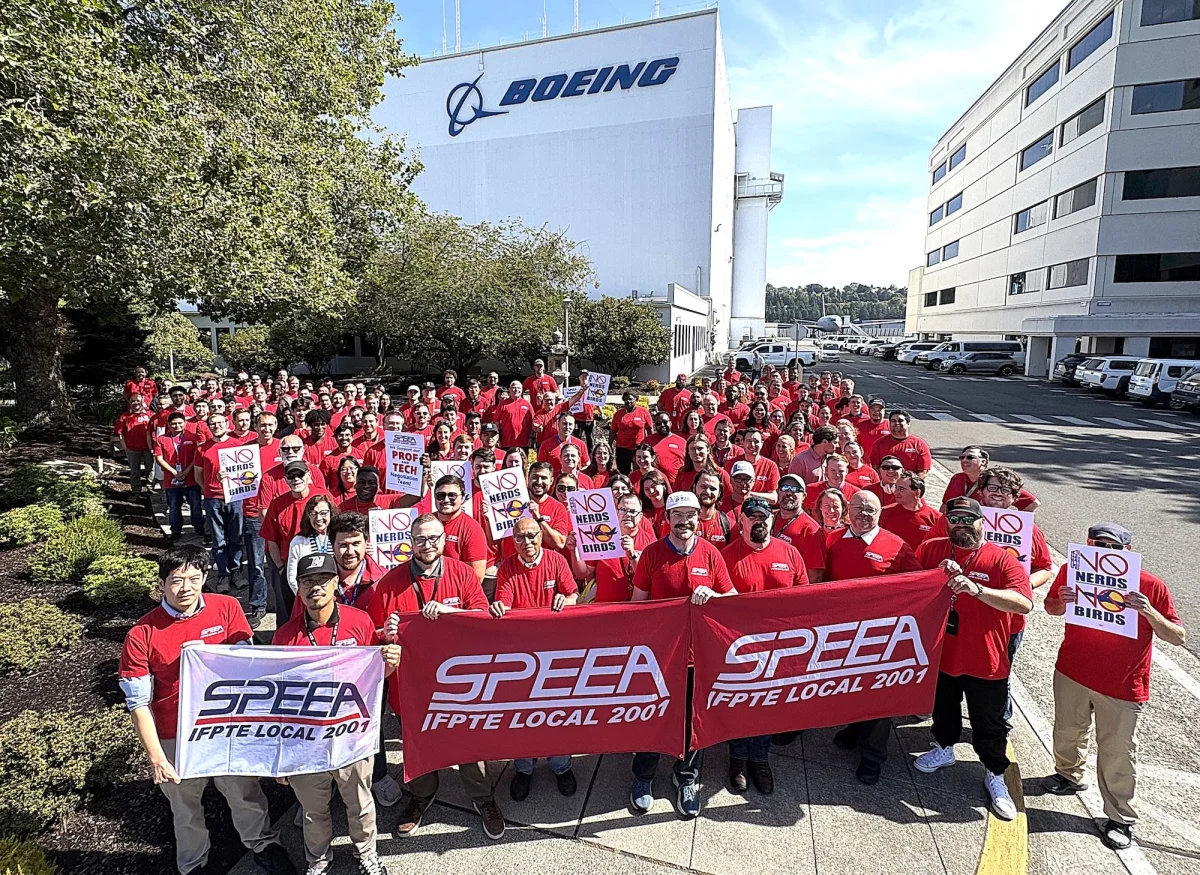
Boeing Tightens Spending Ahead of Critical SPEEA Union Vote
Boeing has implemented spending controls and a hiring freeze as it faces a critical contract ratification vote with its 17,000-member engineering union.

Boeing CEO Kelly Ortberg Warns of 777X Certification Delay
Boeing CEO Kelly Ortberg warned that a potential strike by 17,000 engineers would immediately halt the 777X certification and production programs.
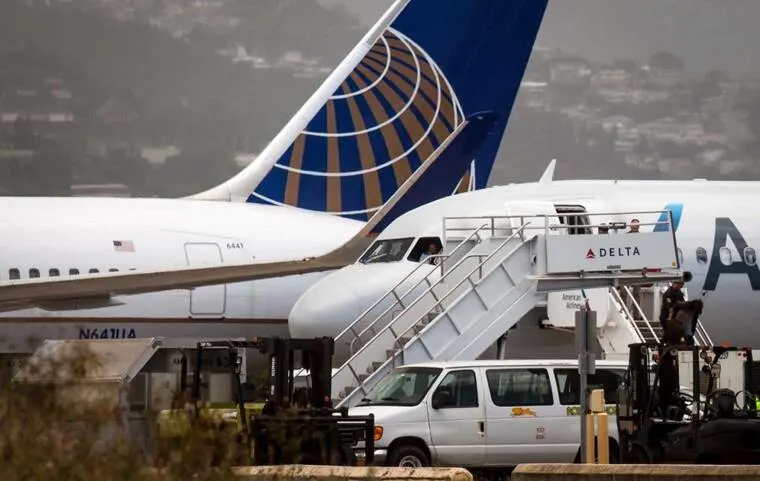
American and United Plan Capacity Cuts Amid Fuel Cost Surge
American and United are trimming flight schedules to offset a $1 billion fuel cost spike while maintaining strong pricing power.
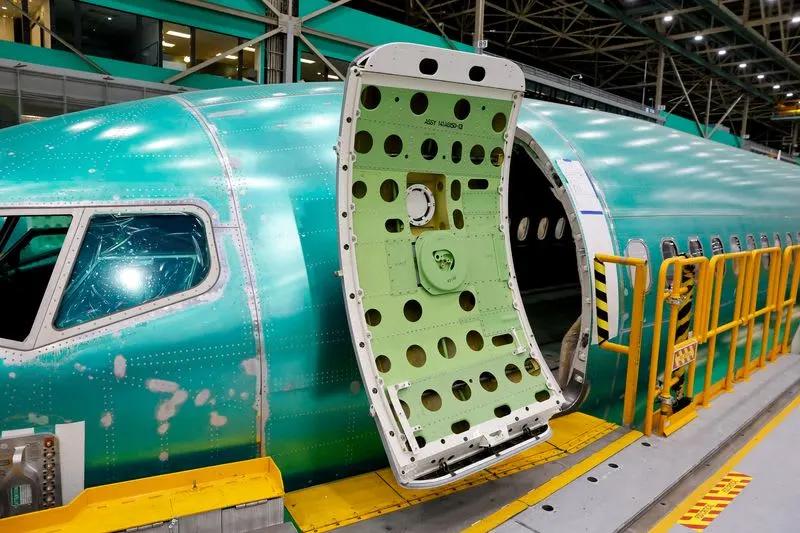
Boeing CEO Reports 737 MAX Output Stabilization Delays
Boeing CEO Kelly Ortberg reports slower 737 MAX production stabilization, prompting a downward revision in 2026 free cash flow expectations to $2 billion.
Boeing Finalizes KAL Order, Salvages Turkish Airlines Deal
Boeing secured a $36.2 billion order from Korean Air Lines for 103 aircraft and nears a resolution on a 150-jet deal with Turkish Airlines.
Airbus Forecasts 42,000 New Jets Amid Strong Global Demand
Airbus expects 42,000 new aircraft deliveries globally by 2045, with 45% of demand concentrated in the Asia-Pacific region.