Air India Boeing 787 Diverts to Jeddah After In-Flight Technical Issue

Co-Founder & CEOAviation News Editor delivering trusted coverage across the global aviation industry.
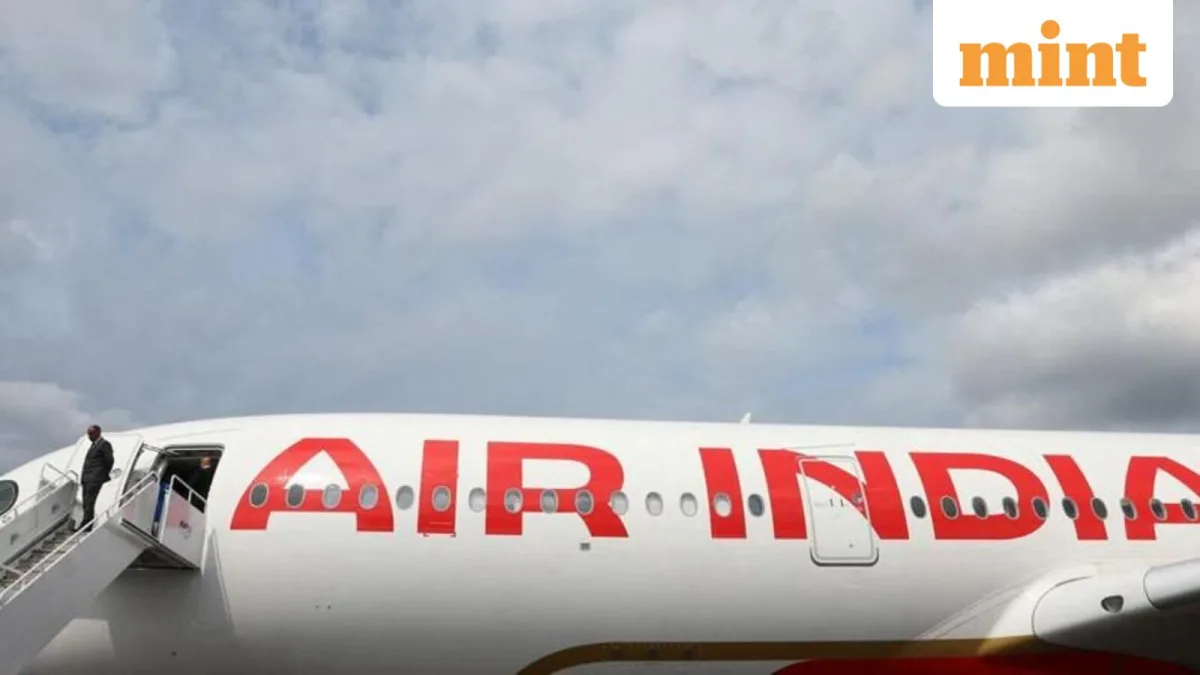
An Air India Boeing 787-8 bound for London diverted to Jeddah due to a technical issue, involving an aircraft previously flagged by India's regulator.
Key Takeaways
- •Diverted a London-bound Boeing 787-8 to Jeddah after being airborne for over six hours.
- •Involved a 13-year-old aircraft (VT-ANI) previously flagged by India's DGCA for safety compliance.
- •Follows a recent pattern of technical diversions impacting Air India's long-haul fleet.
- •Prompted comprehensive technical inspections and caused significant passenger disruption.
An Air India flight bound for London from Bengaluru was forced to make a precautionary diversion to Jeddah, Saudi Arabia, on Monday following a suspected technical issue. The aircraft, a Boeing 787-8 Dreamliner, was more than six hours into its journey when the crew initiated the diversion. The flight landed safely at King Abdulaziz International Airport (JED), and the incident adds to a series of recent operational interruptions for the airline's long-haul fleet.
The flight, designated AI133, departed from Kempegowda International Airport Bengaluru (BLR) with London Heathrow Airport (LHR) as its intended destination. According to flight tracking data, the aircraft was airborne for over six hours before changing course. Air India confirmed the aircraft landed without incident at 19:58 Indian Standard Time (IST). In a statement, an airline spokesperson described the event as a precautionary measure, stating that the aircraft is now undergoing "comprehensive technical inspections in accordance with established safety protocols."
Regulatory Scrutiny and Aircraft History
The incident draws particular attention due to the specific airframe involved and the current regulatory climate in India. The aircraft is a 13-year-old Boeing 787-8, registered as VT-ANI. Critically, this same aircraft was recently flagged by India's Directorate General of Civil Aviation (DGCA) for being operated with known technical defects and for non-compliance with its Minimum Equipment List (MEL). The MEL is a regulatory document that specifies which instruments or parts may be inoperative for dispatch while maintaining airworthiness.
This diversion occurs as the DGCA intensifies its oversight of Indian carriers, focusing on maintenance practices and dispatch reliability. The regulator has recently issued show-cause notices to airlines and pilots for dispatching aircraft with unresolved technical snags. The DGCA's standard protocols mandate immediate diversions and thorough inspections for commercial flights experiencing technical issues, especially for twin-engine aircraft like the Boeing 787 operating over long-haul routes. The inspection of VT-ANI in Jeddah will fall under these stringent guidelines.
A Pattern of Long-Haul Disruptions
This event is not an isolated case for Air India's international operations. In March 2026, another Air India flight, a Boeing 777-300ER, diverted to Medina, Saudi Arabia, after a fire warning. Just days prior, on March 19, 2026, flight AI185 from Delhi to Vancouver, operated by a Boeing 777-200LR, returned to its origin airport after flying for seven hours. These historical precedents establish a pattern of recent mid-journey technical or operational interruptions, raising questions about fleet reliability and maintenance scheduling within the airline.
Impact on Passengers and Operations
The diversion has caused significant disruption for passengers on flight AI133, who faced unexpected delays, missed connections at London Heathrow, and required overnight accommodation in Jeddah. Air India stated it was coordinating with local authorities to assist all affected travelers. For the airline, the incident incurs substantial costs, including landing and handling fees at the diversion airport, passenger care expenses, and the operational expense of dispatching a recovery flight or re-routing passengers. Furthermore, the grounding of VT-ANI in Jeddah requires Air India's engineering division, potentially with support from GE Aerospace for the GEnx engines, to dispatch a technical team to resolve the issue and secure airworthiness clearance.
What Comes Next
Air India's immediate priority is the reaccommodation of all passengers from flight AI133, with a recovery flight to London expected by March 24-25, 2026. Concurrently, the engineering team will conduct a thorough inspection of the Boeing 787-8 airframe and its systems to identify the root cause of the technical issue. The aircraft, VT-ANI, will remain grounded in Jeddah until it receives technical clearance from both Air India Engineering and the DGCA, which is anticipated in late March 2026. Given the aircraft's prior regulatory history, the inspection and approval process is expected to be particularly rigorous.
Why This Matters
While the crew's adherence to safety protocols ensured a safe landing, this incident highlights the persistent operational challenges and intense regulatory scrutiny facing Air India. The diversion of an aircraft previously flagged for maintenance lapses underscores the critical importance of dispatch reliability and proactive technical compliance. For the broader industry, it serves as a reminder of the complexities involved in managing aging long-haul fleets amid network expansion.
For global airline trends and commercial aviation news, turn to omniflights.com. Discover how innovation is shaping aviation through aircraft systems, avionics, and digital tools at omniflights.com/technology.
Written by Hardik Vishwakarma
Co-Founder & Aviation News Editor leading initiatives that improve trust and visibility across the global aviation industry. Covers airlines, airports, safety, and emerging technology.
Visit ProfileYou Might Also Like
Discover more aviation news based on similar topics

Families Demand DCA Midair Collision Safety Reforms
Families of 67 victims from the 2025 DCA midair collision are pressing Congress for mandatory ADS-B In technology to prevent future aviation tragedies.
FAS Challenges AAIB Over Boeing 787 Safety Data
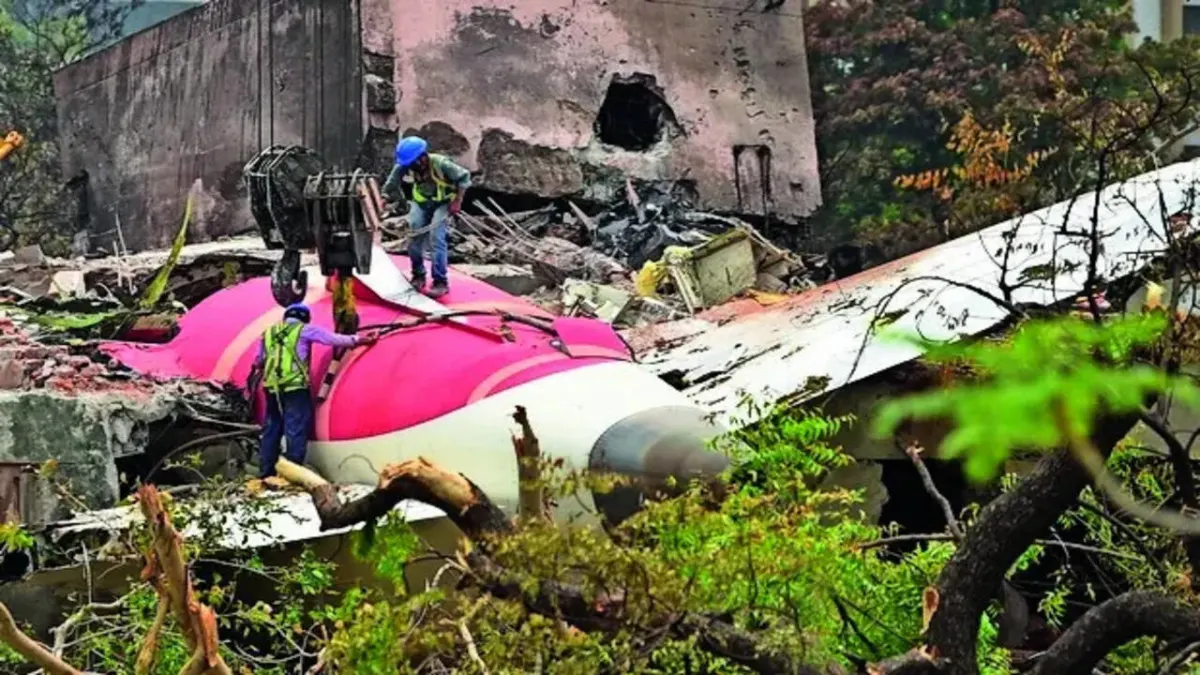
The Foundation for Aviation Safety is urging the AAIB to issue safety warnings for the Boeing 787 fleet following the fatal Air India 171 crash.
NTSB Safety Recommendations Lag Amid 6 Monthly Near-Misses
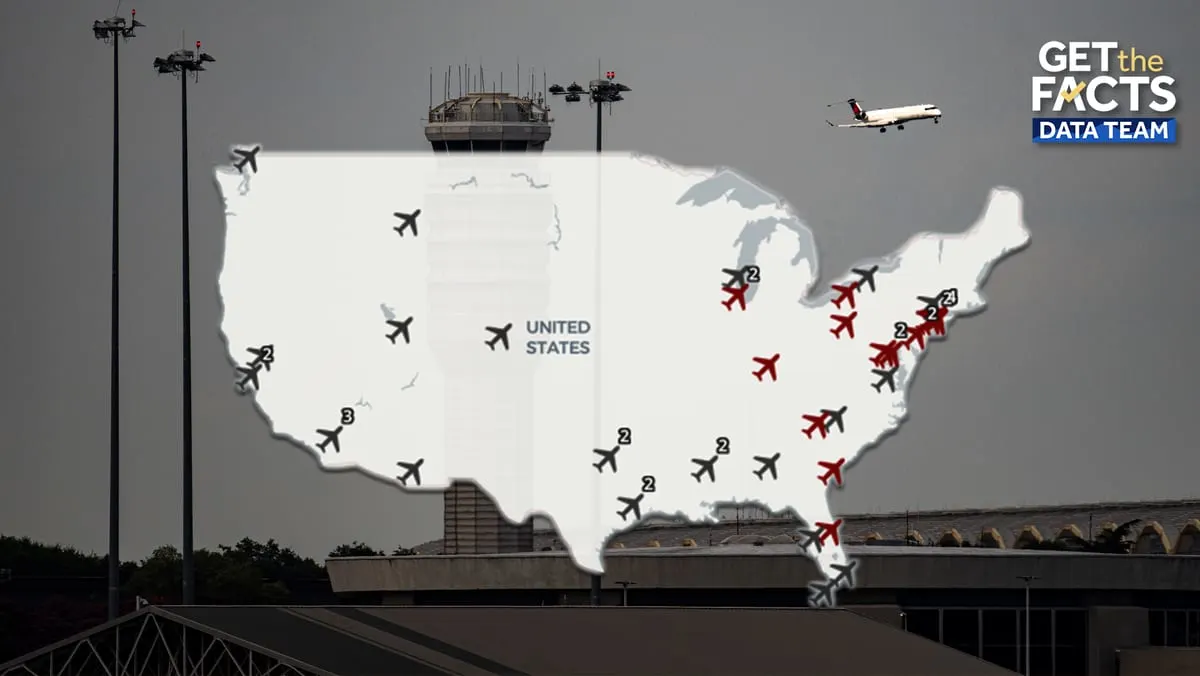
Approximately 6 near-miss incidents occur monthly at U.S. airports as 270 NTSB safety recommendations remain unaddressed by federal regulators.
NTSB Rejects FAA Safety Responses After 67-Fatality Crash
The NTSB labeled 11 FAA responses to 2025 DCA mid-air collision recommendations as unacceptable, citing the lack of a mandatory ADS-B In requirement.
EASA Orders Urgent Airbus A380 Wing Spar Inspections
The EASA ordered urgent inspections on 16 Airbus A380s after discovering wing spar cracks that could compromise structural integrity.
Ryanair Flight RK514 Diverts to Birmingham After Emergency
Ryanair flight RK514 diverted to Birmingham Airport on September 13, 2026, following a medical emergency involving a passenger.