Air India Adds Special UAE Flights Amid West Asia Airspace Closures

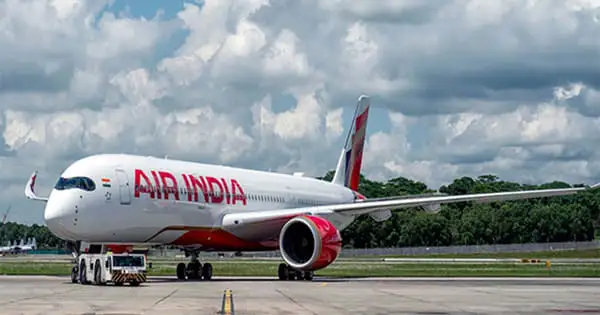
Air India and Air India Express are operating additional flights to the UAE to assist stranded passengers affected by West Asia airspace restrictions.
Key Takeaways
- •Operates over 30 special flights to the UAE on March 8 for stranded passengers.
- •Cancels scheduled services to Bahrain, Dammam, Doha, Kuwait, and Riyadh through at least March 10.
- •Offers passengers full refunds or free rebooking on alternative services.
- •Reroutes long-haul North America flights via southern corridors with technical stops in Europe.
Air India and its subsidiary, Air India Express, have initiated special non-scheduled flights to the United Arab Emirates (UAE) to accommodate passengers stranded by ongoing airspace restrictions in West Asia. The move comes as both carriers announced significant cancellations on other routes in the region. Air India Express is set to operate 30 additional flights on March 8 alone, supplementing special services mounted by the mainline carrier.
The widespread disruption stems from airspace closures over parts of the Middle East due to regional conflict. While these restrictions have forced numerous cancellations, the airspace over Saudi Arabia and Oman remains open. This has allowed the Air India Group to maintain scheduled services to key destinations like Jeddah and Muscat, providing a limited but stable corridor for regional travel.
Operational Response and Passenger Repatriation
To address the backlog of affected travelers, the airlines secured approvals from India's Directorate General of Civil Aviation (DGCA) and local authorities in the UAE. In a press release, the group detailed its ad-hoc flight schedule for March 8. Air India will operate special services connecting both Delhi and Mumbai with Dubai. Concurrently, Air India Express will run its 30 additional flights, linking various Indian cities with Dubai, Abu Dhabi, Ras Al Khaimah, and Sharjah.
These flights are primarily designated for stranded passengers, with priority given to customers holding existing bookings with either airline. The group stated it is proactively contacting affected travelers via registered mobile numbers to provide rebooking options.
While adding capacity to the UAE, the airlines confirmed extensive cancellations elsewhere. Air India Express has cancelled all scheduled flights to and from Bahrain, Dammam, Doha, Kuwait, and Riyadh until March 13. Mainline Air India has suspended its services to Dammam, Doha, and Riyadh through March 10. Passengers impacted by these cancellations are being offered the choice of rebooking for a later date without additional charges or receiving a full refund. Air India Express passengers in the UAE can also rebook at no extra cost on services from any UAE city to India.
Broader Network Impact
The geopolitical situation has also impacted the Air India Group's long-haul operations. According to the airline, flights to Europe, the United Kingdom, and North America have been operating on schedule since March 2 by using alternative, safer routes. This contingency rerouting, which follows an industry-wide trend of using southern corridors over Saudi Arabia and Egypt, bypasses conflict zones.
However, the extended flight paths for ultra-long-haul services to North America have necessitated technical stops. Flights from India are now making refueling stops in Rome or Vienna, a measure that adds approximately 60 to 120 minutes to the total journey time. This practice highlights the significant operational and financial strain that regional conflicts place on global airline networks, leading to increased fuel burn and complex crew management.
Context and Passenger Support
The airline group's response aligns with established industry practices for managing large-scale disruptions. Providing fee-free rebooking and full refunds is a critical component of passenger assistance policies during mass cancellations. To streamline the process, Air India has directed customers to its official website and 24/7 support hotline. Air India Express has also made its AI-powered digital assistant available on WhatsApp for booking management.
The Air India Group confirmed it is exploring opportunities to operate further ad-hoc flights to and from West Asian destinations as the situation requires, subject to regulatory approvals.
Why This Matters
This event underscores the operational fragility of international air travel in the face of geopolitical conflict. The Air India Group's multi-faceted response—combining targeted cancellations, ad-hoc repatriation flights, and complex long-haul rerouting—demonstrates the logistical resilience required of modern airlines. For passengers and the industry, it highlights the critical importance of swift regulatory cooperation between national authorities like the DGCA and their international counterparts to mitigate travel disruptions and ensure passenger welfare during regional crises.
Stay ahead of the airline industry with commercial aviation news from omniflights.com. For reporting on UAP sightings, investigations, and aviation-related encounters, see the UAPs section at omniflights.com/uaps.

Written by Ujjwal Sukhwani
Aviation News Editor & Industry Analyst delivering clear coverage for a worldwide audience. Covers flight operations, safety regulations, and market trends with expert analysis.
Visit ProfileYou Might Also Like

Southwest Reports Record Q3 Revenue Amid Transformation
American Airlines Reports Record Q3 Revenue Amid Fuel Costs
American Airlines Projects 2026 Loss on Rising Fuel Costs
American Airlines to Nearly Triple Premium 787-9 Fleet

Airline Shares Rise Following United Revenue Guidance