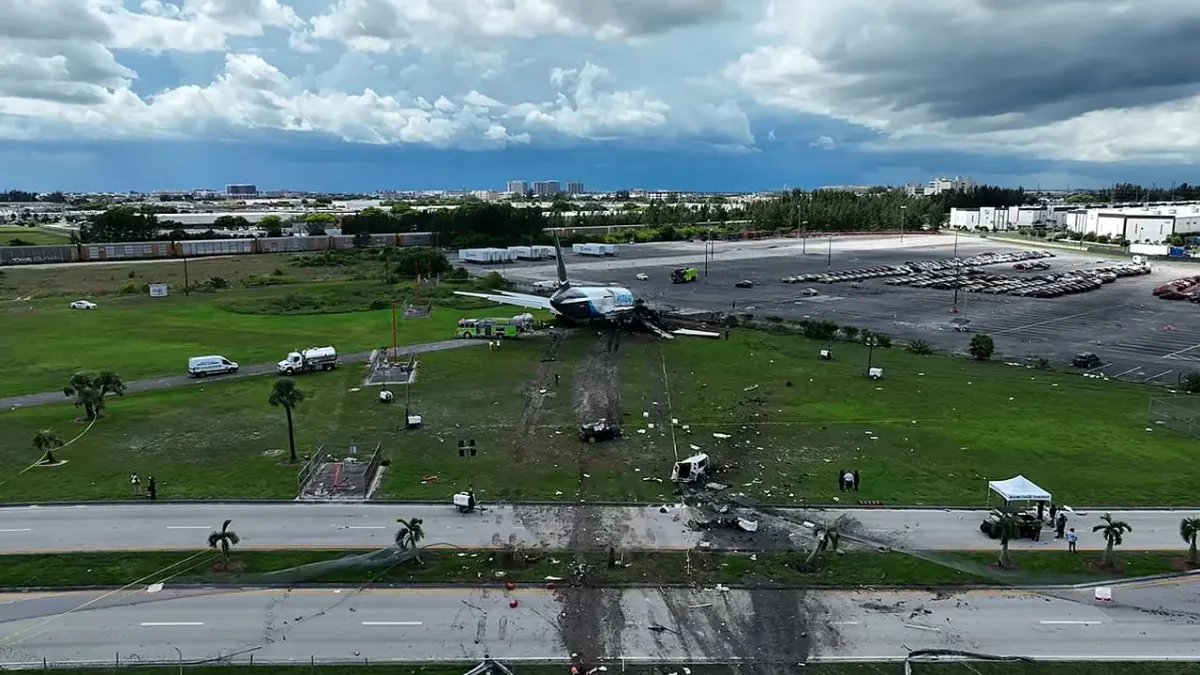
Air India 787 Crash: AAIB Prepares Interim Report

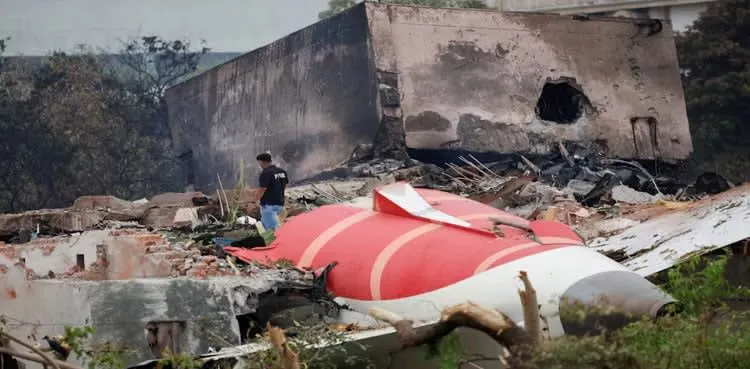
The Indian AAIB is set to release an interim report on the fatal Air India 787 crash, delaying the final findings due to the investigation's complexity.
Key Takeaways
- •AAIB prepares interim report for June 2025 Air India 787 crash.
- •Investigation focuses on TCMA software and engine fuel switch ergonomics.
- •Interim report bypasses ICAO Annex 13 final draft-sharing requirements.
- •Final report release date remains TBD due to investigative complexity.
Investigation Status
Indian officials investigating the fatal Air India 787 crash are preparing an interim report rather than a final document ahead of the one-year anniversary of the accident. The AAIB (Aircraft Accident Investigation Bureau) is managing the probe into the June 2025 incident, which resulted in 260 fatalities. While the Ministry of Civil Aviation (India) has not released the full findings, the upcoming interim update is expected to provide more comprehensive data than the 15-page preliminary report issued last July.
The Complexity of the Probe
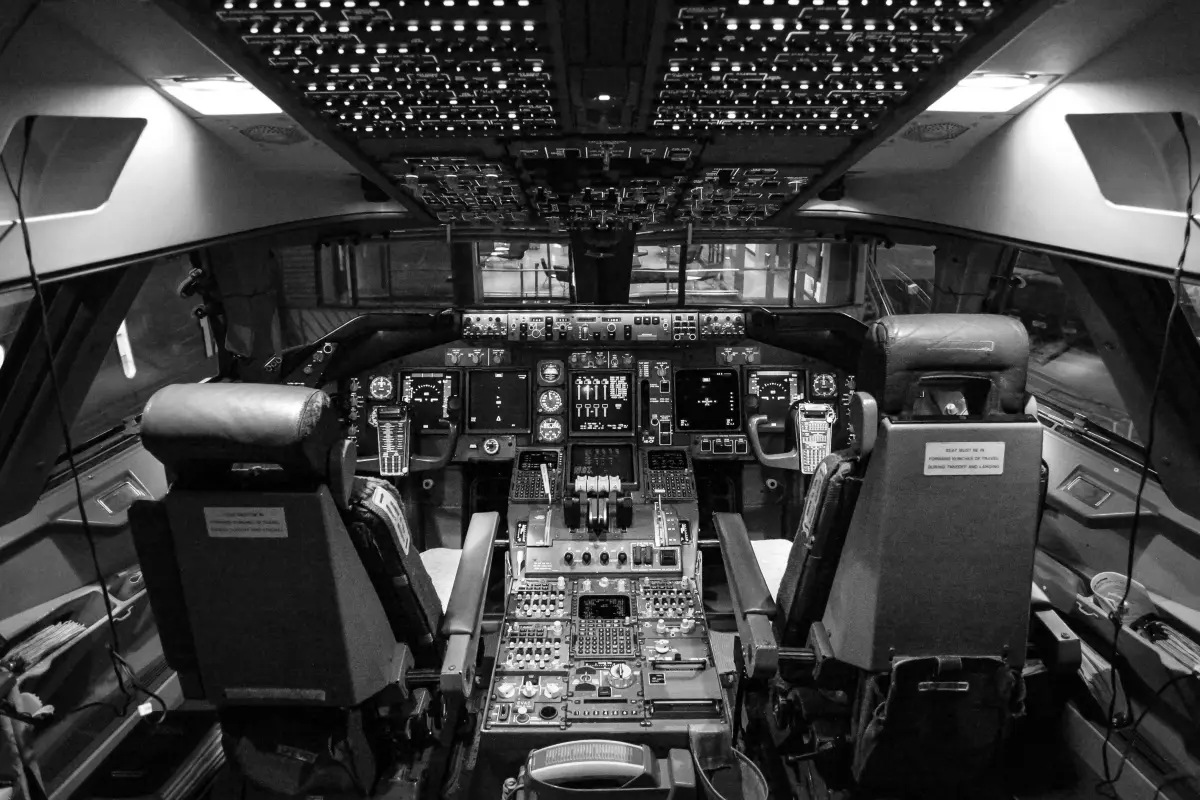
The investigation into the Boeing 787 accident remains highly complex. Sources with direct knowledge of the AAIB process indicate that the final report has been delayed due to the depth of the technical analysis required. A primary focus of the inquiry is the TCMA (Thrust Control Malfunction Accommodation) software system. This safety feature is designed to detect thrust anomalies and can command an engine shutdown. Investigators are scrutinizing whether this system, combined with manual engine fuel switch operations, contributed to the loss of control.
According to the NTSB (National Transportation Safety Board) Investigations Portal, the United States agency is assisting in the probe as the state of design and manufacture. However, by issuing an interim report, Indian authorities are not required to share findings for comment with the NTSB ahead of time, as mandated for final reports under the ICAO (International Civil Aviation Organization) Annex 13 protocols.
Industry Impact and Technical Scrutiny
The aviation industry is monitoring this investigation closely due to increased scrutiny on cockpit ergonomics and automated thrust management systems. The Boeing 787-8 is a cornerstone of modern long-haul fleets, and the incident has raised questions regarding potential vulnerabilities where automated systems or pilot actions regarding fuel control switches may lead to catastrophic power loss.
Boeing 787-8 vs Airbus A350-900: Key Specifications
| Metric | Boeing 787-8 | Airbus A350-900 |
|---|---|---|
| Range | 7,305 nm | 8,100 nm |
| Typical Capacity | 242 passengers | 315 passengers |
| Engines | 2x GEnx-1B/Trent 1000 | 2x Trent XWB-84 |
Historical Context
This investigation bears similarities to the 2019 All Nippon Airways (ANA) Flight NH985 dual engine shutdown, where premature reverse thrust selection triggered the TCMA. In that instance, the software's interaction with crew procedures became the focal point. Furthermore, the 2015 TransAsia Airways Flight 235 accident serves as a historical precedent for the dangers of incorrect switch operation during critical flight phases. The current situation also mirrors the 2022 China Eastern Airlines Flight 5735 investigation, which utilized interim updates when a final report could not meet the one-year regulatory deadline.
Technical Analysis
The data suggests that the Air India 787 crash investigation represents a significant moment for global aviation safety, particularly regarding the intersection of human-machine interfaces and automated safety protocols. Independent aviation safety analysts have suggested that simulation data may contradict the initial theory of a simple manual fuel switch cut-off. These analysts point toward anomalies such as continued acceleration, which leads them to question the overall functionality of the TCMA system. This development indicates a broader industry trajectory toward re-evaluating how automated thrust management systems communicate with flight crews during high-stress operational events.
What Comes Next
The AAIB is expected to release the interim investigation report on June 12, 2026. The release of the final investigation report remains pending, with no confirmed date. For victims' families, the delay in the final report creates a period of uncertainty, as civil litigation often relies on the conclusions of such official documents. Meanwhile, Boeing Commercial Airplanes continues to face regulatory interest regarding the ergonomics of the 787 fuel switch and the logic governing the TCMA software.
Why This Matters
This development signals the ongoing difficulty in reconciling complex software-driven accidents with international investigative standards. For aviation professionals, the final report will be critical in determining whether design modifications are necessary for the global 787 fleet. For the traveling public, the process underscores the rigorous, albeit time-consuming, nature of modern air safety investigations.
Frequently Asked Questions
- What is the focus of the investigation into the Air India 787 crash?
- The investigation is focused on the Boeing 787's Thrust Control Malfunction Accommodation (TCMA) software and potential issues regarding the operation of manual engine fuel switches.
- Why is the AAIB releasing an interim report instead of a final one?
- The Aircraft Accident Investigation Bureau is issuing an interim report because the investigation is highly complex and cannot meet the one-year deadline for a final report. This approach also allows the agency to avoid the mandatory draft-sharing process with the NTSB required for final reports under ICAO Annex 13.
Visit omniflights.com for the latest commercial aviation news and airline industry updates. Get the latest updates on major hubs, regional terminals, and airport operations via the Airports section at omniflights.com/airports.

Written by Hardik Vishwakarma
Co-Founder & Aviation News Editor leading initiatives that improve trust and visibility across the global aviation industry. Covers airlines, airports, safety, and emerging technology.
Visit ProfileYou Might Also Like
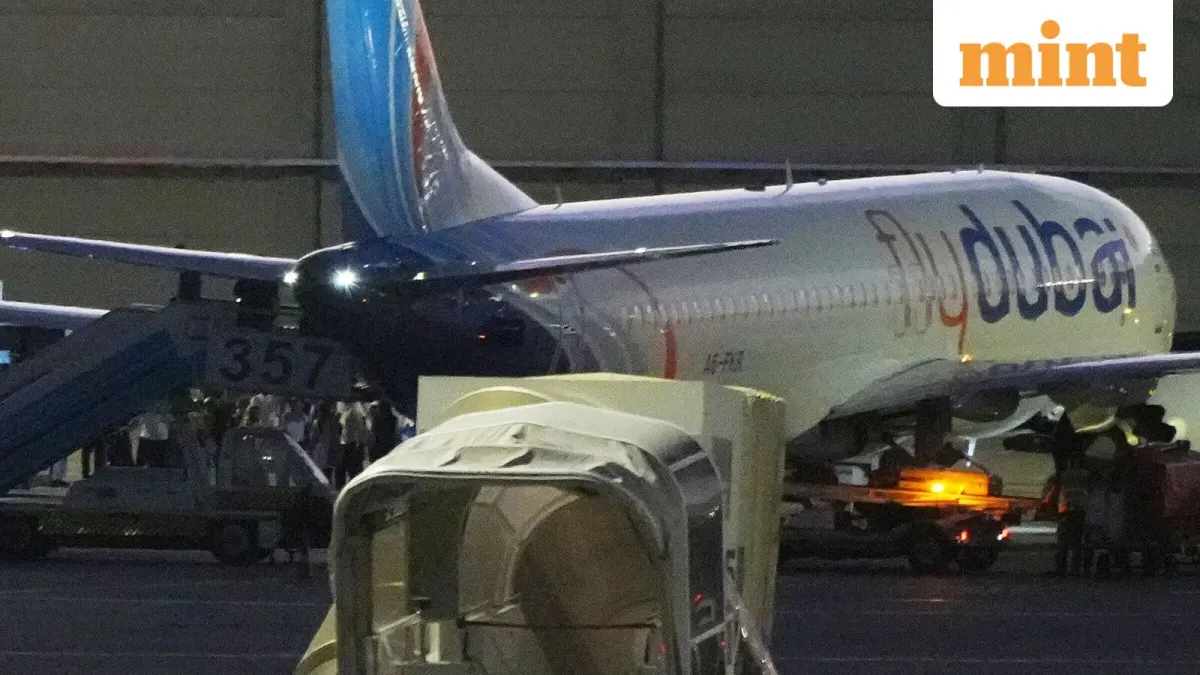
Saudi Arabia Opens Probe Into Flydubai Cockpit Attack
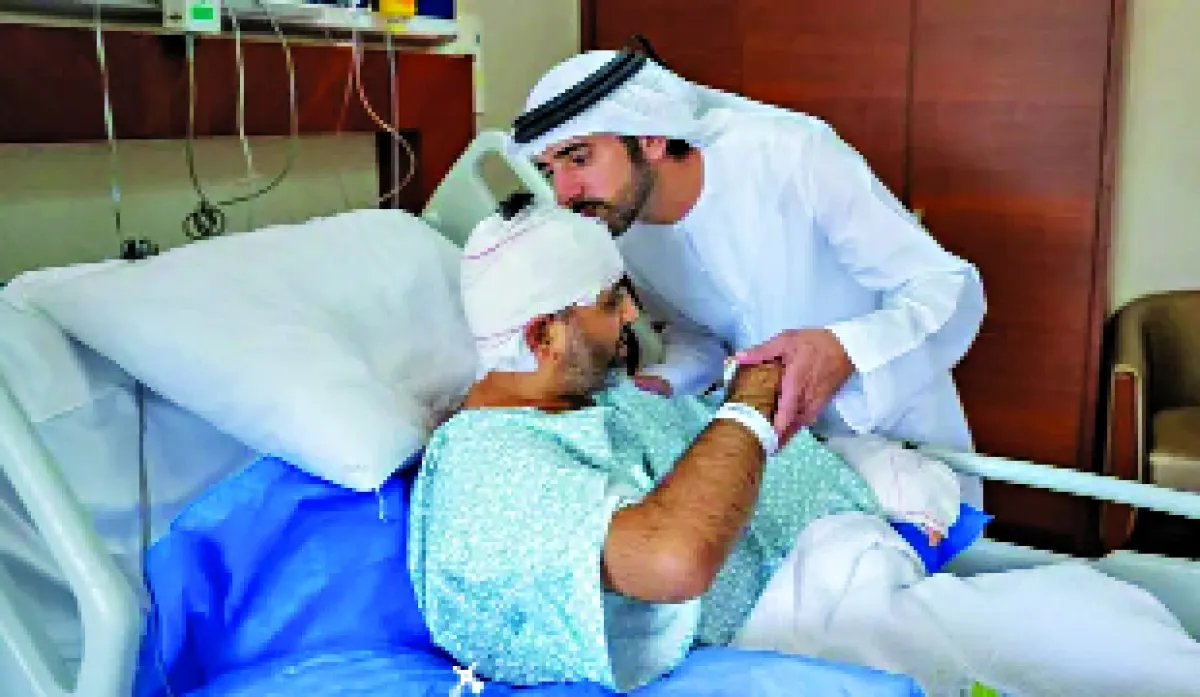
Flydubai FZ1073: Resilience Lessons After Cockpit Attack

EasyJet Flight Diverts to Amsterdam for Medical Emergency
EASA AD 2026-0117R1 Mandates Trent 1000 Inspection Limits
Delta A350 and Air Canada 777 Clip Wings at LAX