Air Arabia Stowaway Found in Gatwick Landing Gear

Co-Founder & CEOAviation News Editor delivering trusted coverage across the global aviation industry.

A body was discovered in the landing gear of an Air Arabia flight arriving at London Gatwick from Tangier on June 16, 2026.
Key Takeaways
- •Body found in Air Arabia A320 landing gear at Gatwick on June 16, 2026.
- •FAA research indicates a 76% fatality rate for wheel-well stowaways.
- •Sussex Police and local coroner are leading the investigation into the death.
- •ICAO Annex 17 mandates strict perimeter security to prevent unauthorized access.
Investigation into the Gatwick Incident
A body was discovered in the landing gear of an Air Arabia flight following its arrival at London Gatwick Airport (LGW) on June 16, 2026. The aircraft, an Airbus A320 operating as flight 3O102 from Tangier Ibn Battouta Airport (TNG), landed at approximately 11:30 local time. This tragic event has prompted an immediate investigation by the Sussex Police and the local coroner to establish the circumstances surrounding the death.
This incident highlights a recurring and severe aviation security breach involving stowaways attempting to hide in aircraft wheel wells. According to an official statement from the carrier, the airline is cooperating fully with authorities. A spokesperson for Gatwick Airport confirmed that ground teams assisted law enforcement immediately upon discovery, noting that while such occurrences are rare, they present significant challenges for international airport security protocols.
The Lethality of Wheel-Well Stowage
The survival rate for individuals attempting to stow away in aircraft landing gear is extremely low. According to FAA (Federal Aviation Administration) Civil Aerospace Medical Institute research covering 1947 to 2015, there were 113 documented wheel-well stowaway attempts globally, resulting in an approximate 76% fatality rate. At cruising altitudes, which typically range from 35,000 to 40,000 feet, ambient temperatures in the unpressurized wheel well can drop to -60°C (-76°F). This environment leads to fatal hypothermia and hypoxia long before the aircraft reaches its destination.
Historical Context and Security Frameworks
This event follows a pattern of similar fatalities at UK airports. In December 2022, the body of a man was found in the landing gear of a TUI (Touristik Union International) Airways Boeing 737 MAX 8 flight arriving at Gatwick from Banjul, The Gambia. That journey spanned 2,760 miles and lasted approximately six and a half hours. Other notable precedents include the 2019 incident where a stowaway fell from a Kenya Airways flight on approach to London Heathrow, and the 2001 discovery of 21-year-old Mohammed Ayaz near Heathrow.
These incidents are governed by Annex 17 to the Chicago Convention of the ICAO (International Civil Aviation Organization), which mandates strict perimeter security and pre-flight inspections. The Sussex Police are currently leading the inquiry into how the individual accessed the aircraft at Tangier. The ICAO Aviation Security (AVSEC) framework remains the primary global standard for preventing such unauthorized access.
Stakeholder Impact and Security Audits
The Moroccan Airports Authority (ONDA) and the DGCA (Directorate General of Civil Aviation) in Morocco are expected to face increased scrutiny regarding perimeter security at Tangier Ibn Battouta Airport. Stakeholders anticipate mandatory security audits and potential upgrades to fencing and tarmac access controls in late 2026. Furthermore, Air Arabia Maroc ground operations are likely to implement enhanced pre-flight walk-around inspections to mitigate future risks. Alternative perspectives from human rights organizations suggest that these incidents underscore the desperation driving individuals to attempt such dangerous travel, while security experts maintain that any breach of the undercarriage represents a critical vulnerability in the global aviation safety chain.
Frequently Asked Questions
- What is the fatality rate for stowaways hiding in aircraft landing gear?
- According to FAA research from 1947 to 2015, there is an approximate 76% fatality rate for individuals attempting to stow away in aircraft wheel wells due to extreme cold, lack of oxygen, and crushing injuries.
- Why are wheel-well areas dangerous for stowaways?
- At cruising altitudes of 35,000 to 40,000 feet, the unpressurized wheel well experiences temperatures as low as -60°C (-76°F), causing rapid hypothermia and hypoxia, in addition to the physical danger posed by moving landing gear components.
omniflights.com provides comprehensive commercial aviation news covering airlines, aircraft, and airports. For detailed airline coverage, route changes, and fleet moves, explore the Airlines section at omniflights.com/airlines.
Written by Hardik Vishwakarma
Co-Founder & Aviation News Editor leading initiatives that improve trust and visibility across the global aviation industry. Covers airlines, airports, safety, and emerging technology.
Visit ProfileYou Might Also Like
Discover more aviation news based on similar topics

Families Demand DCA Midair Collision Safety Reforms
Families of 67 victims from the 2025 DCA midair collision are pressing Congress for mandatory ADS-B In technology to prevent future aviation tragedies.
FAS Challenges AAIB Over Boeing 787 Safety Data
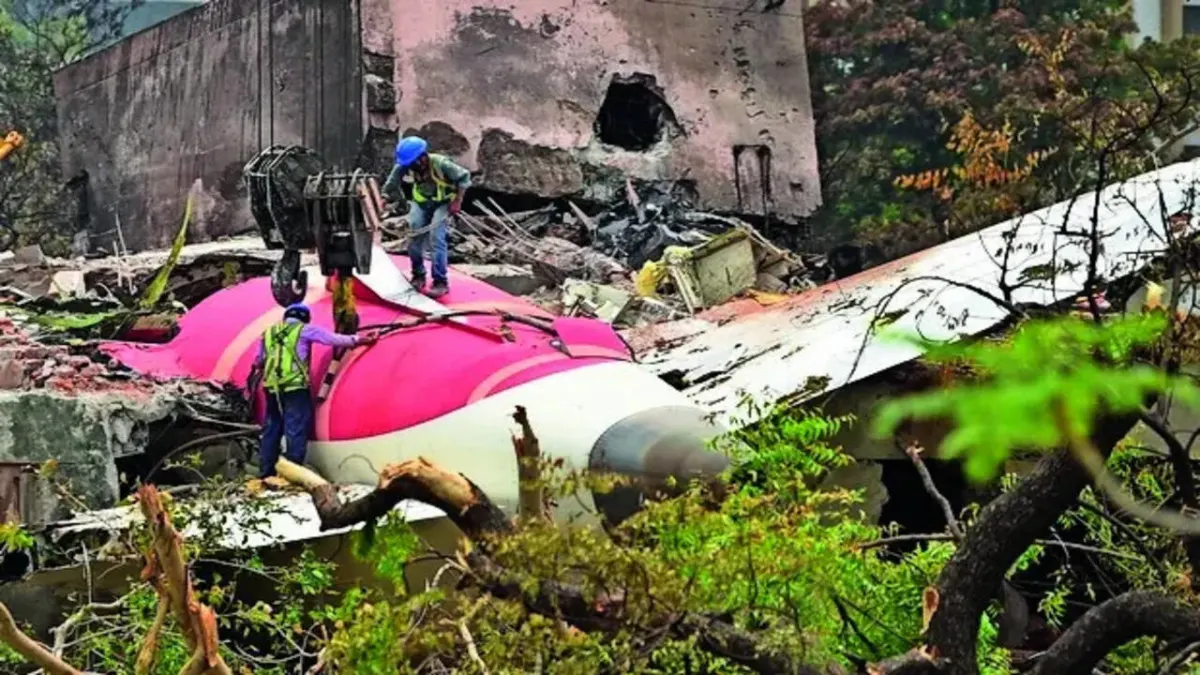
The Foundation for Aviation Safety is urging the AAIB to issue safety warnings for the Boeing 787 fleet following the fatal Air India 171 crash.
NTSB Safety Recommendations Lag Amid 6 Monthly Near-Misses
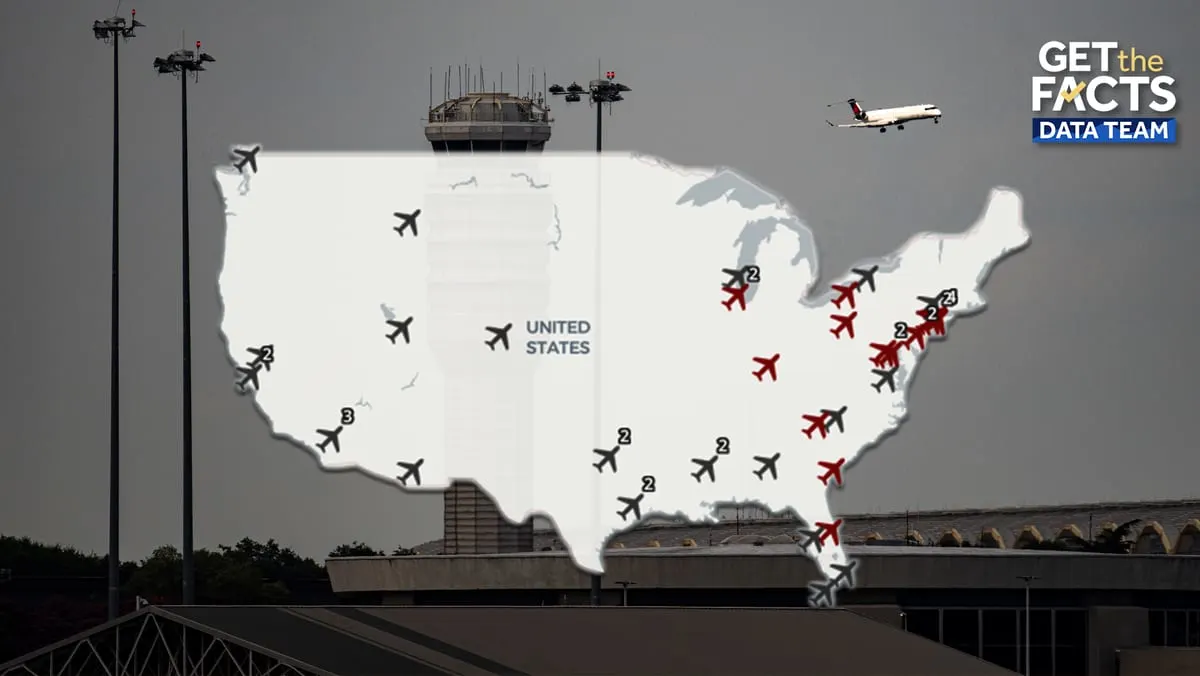
Approximately 6 near-miss incidents occur monthly at U.S. airports as 270 NTSB safety recommendations remain unaddressed by federal regulators.
NTSB Rejects FAA Safety Responses After 67-Fatality Crash
The NTSB labeled 11 FAA responses to 2025 DCA mid-air collision recommendations as unacceptable, citing the lack of a mandatory ADS-B In requirement.
EASA Orders Urgent Airbus A380 Wing Spar Inspections
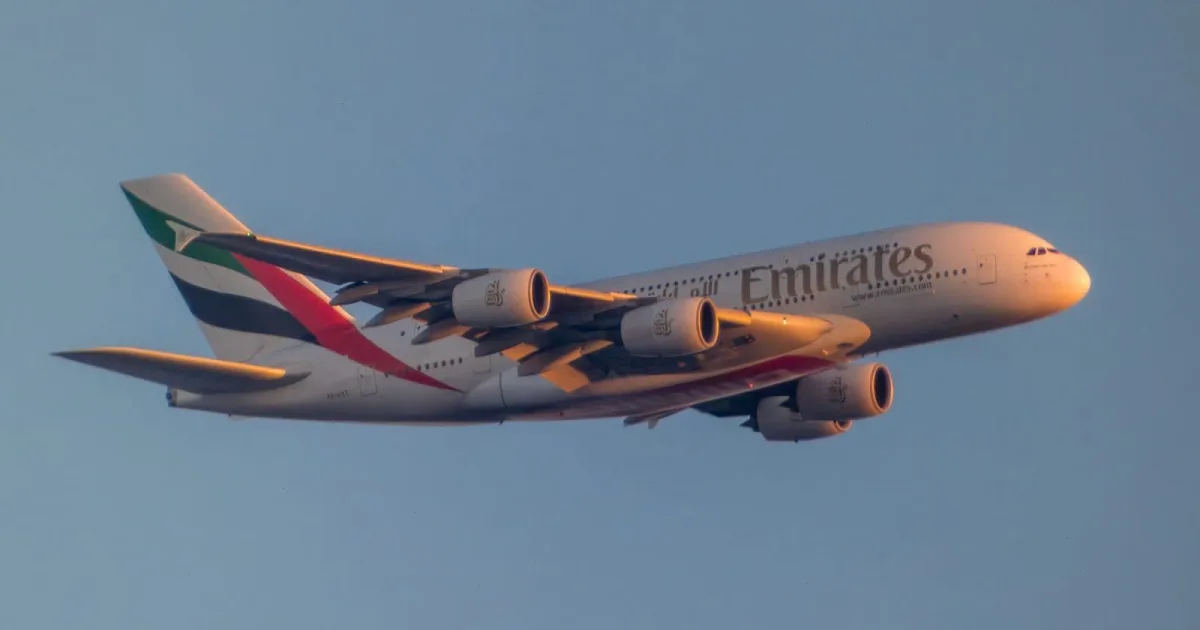
The EASA ordered urgent inspections on 16 Airbus A380s after discovering wing spar cracks that could compromise structural integrity.
Ryanair Flight RK514 Diverts to Birmingham After Emergency
Ryanair flight RK514 diverted to Birmingham Airport on September 13, 2026, following a medical emergency involving a passenger.