AerCap Orders 100 Airbus A320neo Jets for 2028-2034 Delivery

Co-Founder & CEOAviation News Editor delivering trusted coverage across the global aviation industry.

AerCap ordered 100 A320neo family jets, including 77 A321neos, with deliveries starting in 2028 to support key airline leasing partnerships.
Key Takeaways
- •Finalized a firm order for 100 Airbus A320neo family aircraft, including 77 A321neos.
- •Schedules aircraft deliveries to run from 2028 through 2034, strengthening the Airbus backlog.
- •Supports Frontier Airlines' strategy of deferring direct OEM orders while leasing new jets.
- •Secured 48 CFM LEAP-1A engines to power a portion of the new fleet.
Aircraft leasing giant AerCap has placed a firm order for 100 new Airbus A320neo family aircraft, a transaction that reinforces the growing influence of lessors in managing airline fleet strategies. The deal, announced on March 18, 2026, includes a mix of new purchases and the exercise of existing options, with deliveries scheduled to commence in 2028 and extend through 2034.
The order comprises 77 of the larger A321neo variant and 23 A320neos, officially the largest single direct order ever placed by AerCap with Airbus. According to an AerCap press release, the agreement consists of 55 newly negotiated aircraft and the exercise of 45 previously agreed firm options. A significant portion of the new fleet will be powered by CFM LEAP-1A engines, with AerCap securing long-term leases for 48 powerplants through its Shannon Engine Support joint venture with CFM International (CFM), a partnership between GE Aerospace and Safran Aircraft Engines. The A320neo (Airbus A320 New Engine Option) family is known for its efficiency, offering what Airbus states is at least a 20% reduction in fuel consumption and CO2 emissions over previous-generation aircraft.
Benoît de Saint-Exupéry, Airbus Executive Vice President of Sales for Commercial Aircraft, described the order as a "powerful endorsement" of the aircraft's market value. Aengus Kelly, Chief Executive Officer of AerCap, highlighted the collaborative nature of the transaction. Kelly stated that the deal is part of a broader strategy to work with partners like Frontier Airlines, CFM, and Airbus to optimize airline fleets and manage OEM production commitments.
Industry Impact
This transaction has significant implications for multiple stakeholders, particularly Frontier Airlines. Concurrent with the AerCap order, Frontier Group Holdings disclosed in a regulatory filing that it is deferring 69 of its direct Airbus deliveries from the 2027-2030 timeframe to 2031-2033. The move allows the airline to manage near-term capital expenditures while still accessing new-generation aircraft through its leasing arrangement with AerCap. For Airbus, the order provides crucial stability for its A320neo family production line well into the next decade. The deal is also a major win for CFM International, securing a long-term engine and service agreement, while representing a missed opportunity for competitor Pratt & Whitney on this batch of aircraft.
The deal underscores a dominant industry trend: the increasing reliance on large lessors to manage the aviation supply chain. As airlines seek greater flexibility amid production delays and uncertain demand, lessors like AerCap leverage their scale to place large, long-term orders, effectively acting as a buffer between manufacturers and operators.
Context and Strategic Implications
This order aligns with a pattern of large-scale acquisitions by major lessors. In December 2023, lessor Avolon placed an order for 100 A321neo aircraft, signaling a similar strategy of locking in future narrowbody production slots to meet anticipated airline demand. AerCap's market power was significantly amplified by its acquisition of GECAS in November 2021, a move that made it the world's largest aircraft leasing company and solidified its ability to secure favorable pricing and delivery slots from major OEMs.
The aircraft in this order conform to established regulatory standards. The A320neo, powered by CFM LEAP (Leading Edge Aviation Propulsion)-1A engines, received joint Type Certification from the EASA (European Union Aviation Safety Agency) and the FAA (Federal Aviation Administration) in May 2016. Furthermore, the fleet is certified to operate with up to a 50% Sustainable Aviation Fuel (SAF) blend, with Airbus targeting 100% SAF capability by 2030 to meet evolving environmental regulations.
Technical Analysis
This development is more than a simple fleet order; it represents a sophisticated, multi-party strategy reflecting the maturation of the aircraft leasing market. The transaction demonstrates how lessors are evolving from being pure financiers to acting as integral fleet and risk managers for airlines. AerCap is leveraging its balance sheet and long-term relationship with Airbus to de-risk fleet renewal for Frontier. This allows the airline to navigate near-term financial pressures and capital expenditure constraints while still achieving its modernization and efficiency goals. This complex arrangement highlights the increasing difficulty airlines face in managing rigid, direct OEM contracts in an era of persistent supply chain uncertainty and high interest rates, thereby cementing the strategic dominance of large-scale, flexible lessors.
What Comes Next
The timeline for this agreement is clearly defined. According to CFM International, deliveries for the 48 LEAP-1A engines are confirmed to commence in the second quarter of 2026. Airbus and AerCap have confirmed the first aircraft from this 100-jet order is scheduled for delivery in 2028. The full delivery stream is set to conclude in 2034, filling out AerCap's portfolio with in-demand narrowbody assets for the next decade.
Why This Matters
This transaction highlights the indispensable role of aircraft lessors in the modern aviation ecosystem. It demonstrates a strategic model where lessors provide airlines with critical fleet and capital flexibility, while simultaneously offering manufacturers like Airbus the predictable, large-volume orders needed to stabilize production lines for years to come. The deal signals that for many airlines, leasing is no longer just a financing alternative but a core component of long-term network and fleet strategy.
Visit omniflights.com for the latest commercial aviation news and airline industry updates. From aircraft production to supply chains, commercial aviation manufacturing news is covered at omniflights.com/manufacturing.
Written by Hardik Vishwakarma
Co-Founder & Aviation News Editor leading initiatives that improve trust and visibility across the global aviation industry. Covers airlines, airports, safety, and emerging technology.
Visit ProfileYou Might Also Like
Discover more aviation news based on similar topics
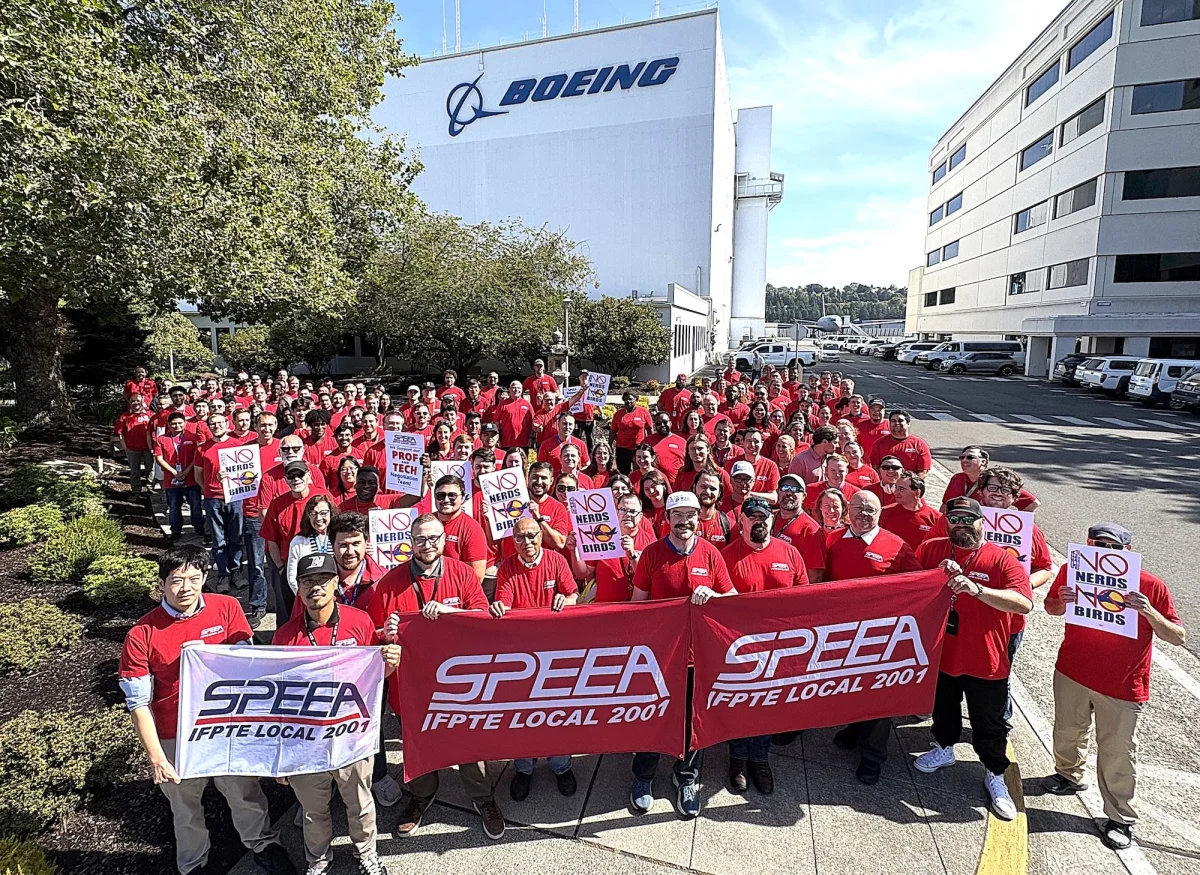
Boeing Tightens Spending Ahead of Critical SPEEA Union Vote
Boeing has implemented spending controls and a hiring freeze as it faces a critical contract ratification vote with its 17,000-member engineering union.

Boeing CEO Kelly Ortberg Warns of 777X Certification Delay
Boeing CEO Kelly Ortberg warned that a potential strike by 17,000 engineers would immediately halt the 777X certification and production programs.
American and United Plan Capacity Cuts Amid Fuel Cost Surge
American and United are trimming flight schedules to offset a $1 billion fuel cost spike while maintaining strong pricing power.
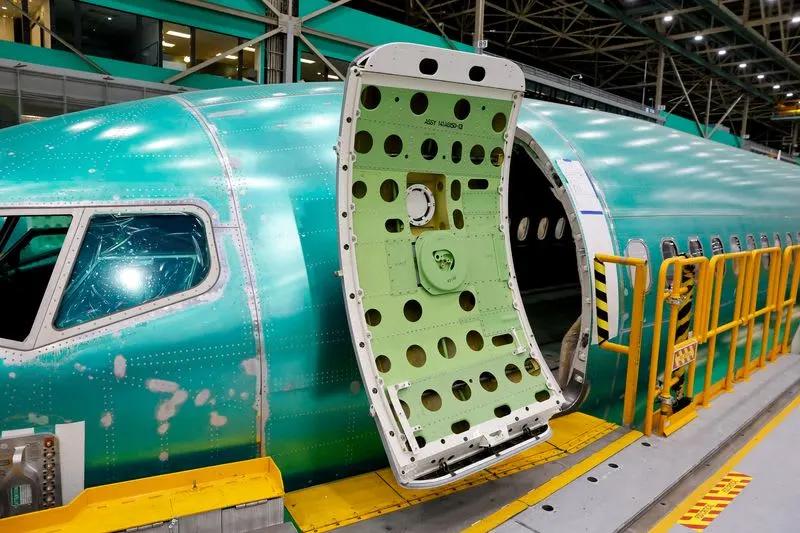
Boeing CEO Reports 737 MAX Output Stabilization Delays
Boeing CEO Kelly Ortberg reports slower 737 MAX production stabilization, prompting a downward revision in 2026 free cash flow expectations to $2 billion.
Boeing Finalizes KAL Order, Salvages Turkish Airlines Deal
Boeing secured a $36.2 billion order from Korean Air Lines for 103 aircraft and nears a resolution on a 150-jet deal with Turkish Airlines.
Airbus Forecasts 42,000 New Jets Amid Strong Global Demand
Airbus expects 42,000 new aircraft deliveries globally by 2045, with 45% of demand concentrated in the Asia-Pacific region.