AerCap Delivers First GE-Powered 787-9 to Thai Airways

Co-Founder & CEOAviation News Editor delivering trusted coverage across the global aviation industry.

AerCap delivered a new GEnx-powered Boeing 787-9 to Thai Airways, advancing the carrier's fleet renewal as it prepares for its 45-aircraft order in 2027.
Key Takeaways
- •AerCap delivered the first GE-powered 787-9 to Thai Airways on June 23, 2026.
- •The GEnx-1B engine offers approximately 1.4% better fuel burn than competitors.
- •Thai Airways expects direct deliveries of 45 Boeing 787-9s starting in 2027.
- •The airline targets a total fleet of 143 aircraft by 2029.
Fleet Modernization Milestone
AerCap has successfully delivered the first new GEnx-powered Boeing 787-9 to Thai Airways International Public Company Limited (THAI), marking a pivotal step in the airline’s ongoing fleet renewal program. This delivery, finalized on June 23, 2026, serves as an early introduction of the Boeing 787-9 platform to the carrier’s network. The aircraft is equipped with General Electric Next-generation (GEnx)-1B engines, which provide an approximate 1.4% fuel burn savings on typical missions compared to legacy engine alternatives, according to GE Aerospace official specifications.
This delivery functions as a strategic capacity bridge for the airline ahead of its direct order of 45 Boeing 787-9 aircraft placed in February 2024, which are scheduled to begin arriving in 2027. By utilizing the Boeing 787 Dreamliner program platform, the airline aims to modernize its long-haul capabilities while meeting international emissions reduction targets in line with its 2050 carbon neutrality goals.
Strategic Industry Shifts
The move highlights a broader industry trend where airlines increasingly rely on major leasing companies to secure next-generation widebody aircraft while navigating production delays and extended delivery backlogs. For AerCap, the transaction reinforces its position as a primary lessor for major Asia-Pacific carriers undergoing post-pandemic restructuring.
Historically, THAI utilized Rolls-Royce Trent engines across its widebody fleet. However, the selection of the GEnx platform for its future 45-aircraft order signals a significant shift in engine manufacturer preference. While GE Aerospace secures long-term aftermarket maintenance revenue through this deal, engine market analysts note that proponents of the Rolls-Royce Trent 1000 continue to cite its higher bypass ratio and recent durability upgrades as factors that maintain its long-term operational value.
Technical Comparison: GEnx-1B vs. Trent 1000
| Metric | GEnx-1B | Trent 1000 |
|---|---|---|
| Thrust Range | 54,000 - 76,100 lbf | 53,000 - 75,000 lbf |
| Bypass Ratio | 9.3:1 to 8.8:1 | 11:1 to 10.8:1 |
| Fuel Burn Advantage | ~1.4% lower vs baseline | Baseline reference |
Fleet Expansion Trajectory
Thai Airways is executing an aggressive growth strategy, aiming to expand its total fleet to approximately 143 aircraft by 2029. This represents a substantial recovery from its post-pandemic low of 64 aircraft in 2022. According to THAI CEO Chai Eamsiri, the extended range and operational efficiency of the 787-9 are critical components for the carrier’s planned network expansion and the modernization of its passenger experience.
Future Delivery Milestones
Following this initial delivery, the airline is tracking toward several key operational milestones:
- 2027: Commencement of direct Boeing 787-9 deliveries from the 45-aircraft firm order.
- 2029: Targeted total fleet size of 143 aircraft.
Why This Matters for Regional Capacity
For the airline, this delivery provides immediate access to high-efficiency widebody capacity, allowing for route network optimization while awaiting the full delivery of its direct order. The integration of this specific aircraft configuration allows the carrier to standardize its long-haul maintenance and operational workflows early. For the broader aviation market, this transaction underscores the vital role of lessors in bridging delivery gaps during periods of significant fleet transition.
Frequently Asked Questions
- What engines power the new Thai Airways Boeing 787-9 delivered by AerCap?
- The aircraft is powered by General Electric Next-generation (GEnx)-1B engines, which offer approximately 1.4% better fuel burn efficiency compared to competitor engines for typical 787 missions.
- When will Thai Airways receive its direct order of Boeing 787-9s?
- Thai Airways has a firm order for 45 Boeing 787-9 aircraft placed in February 2024, with direct deliveries from Boeing expected to commence in 2027.
omniflights.com provides comprehensive commercial aviation news covering airlines, aircraft, and airports. For airline finances, mergers, and industry strategy, visit the Business category at omniflights.com/business.
Written by Hardik Vishwakarma
Co-Founder & Aviation News Editor leading initiatives that improve trust and visibility across the global aviation industry. Covers airlines, airports, safety, and emerging technology.
Visit ProfileYou Might Also Like
Discover more aviation news based on similar topics
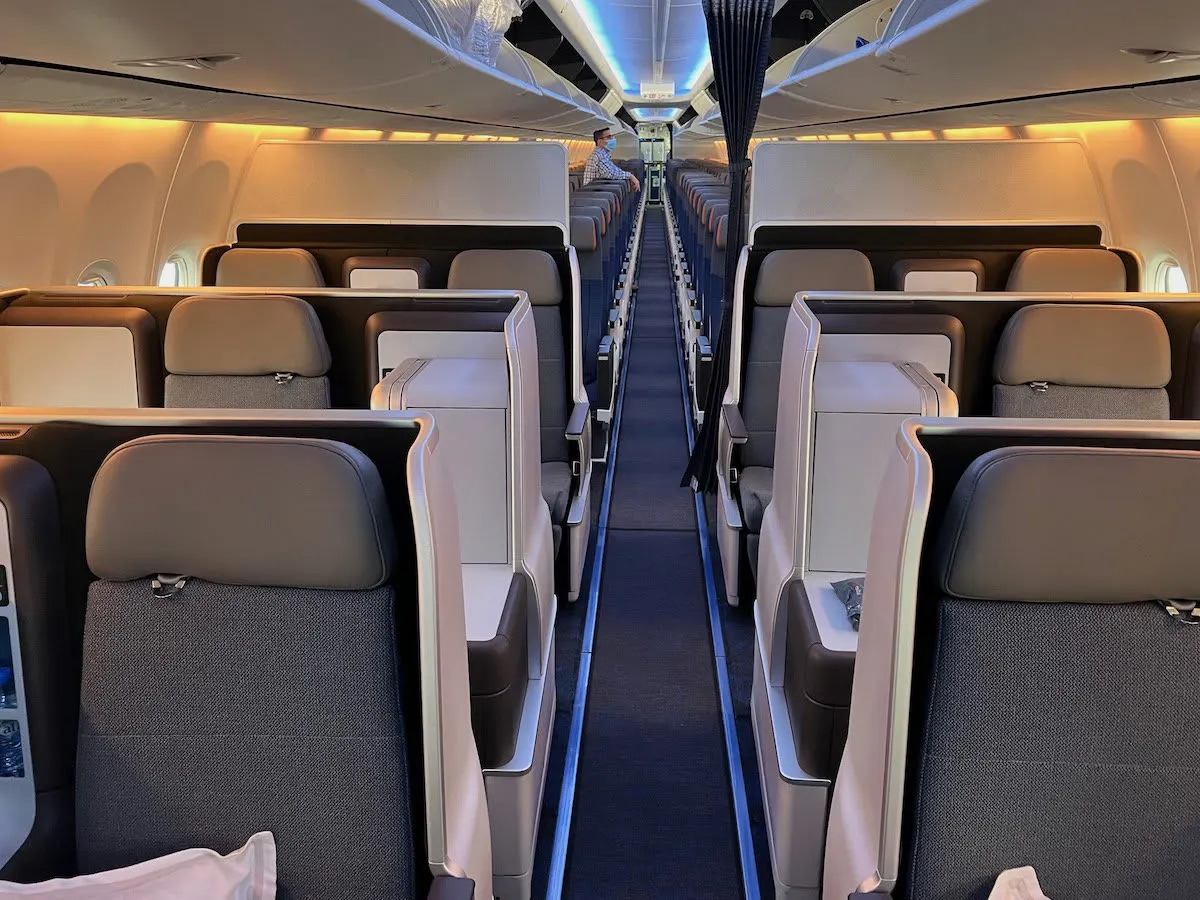
Flydubai Upgrading 21 Boeing 737 MAX 8s to Flat Bed Seats
Flydubai is retrofitting 21 Boeing 737 MAX 8 aircraft with lie-flat business class seats to standardize its premium product by late 2027.
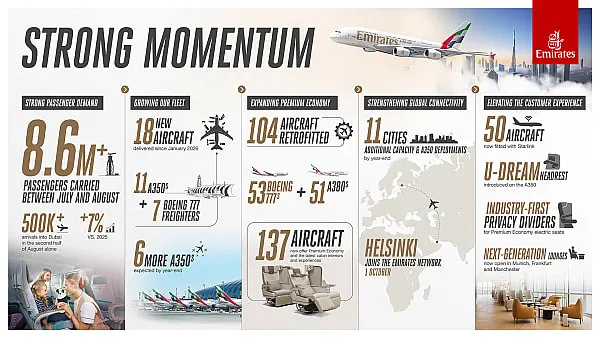
Emirates Winter Booking Momentum Grows Amid Fleet Expansion
Emirates carried 8.6 million passengers this summer and enters winter with strong demand as it accelerates fleet retrofits and network growth.
Air Arabia Consortium Gains AOC for New Dammam Budget Airline
A Saudi GACA-led consortium including Air Arabia has secured an AOC to launch a new budget airline based at Dammam's King Fahd International Airport.
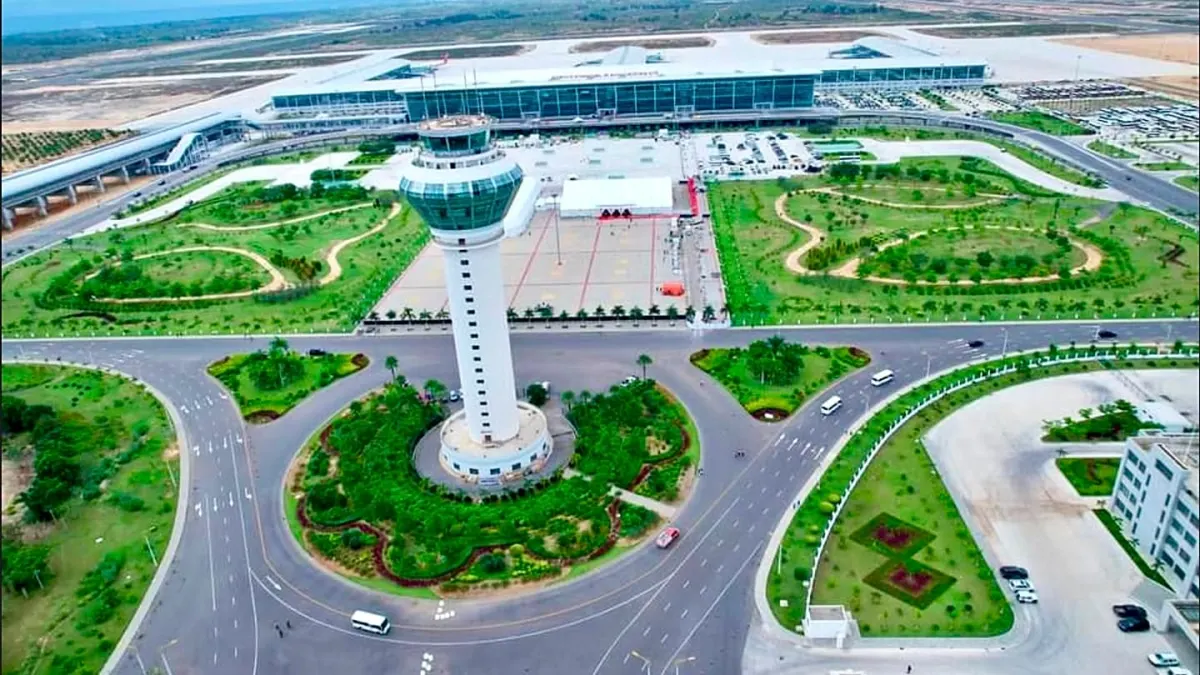
Turkish Airlines Exits Luanda as Angola Hub Struggles
Turkish Airlines dropped its Luanda route as Angola's new airport struggles to attract traffic, handling only 756,028 passengers in 2025.

Red Sea Airlines Leases Two 737 MAX 8s for 2027 Expansion
Red Sea Airlines signed a lease for two Boeing 737 MAX 8 aircraft from SMBC Aviation Capital, arriving in 2027 to support its 14-aircraft fleet goal.
Avelo CEO Warns Airfares May Rise on Jet Fuel Price Spikes
Avelo Airlines CEO Andrew Levy warns that rising fuel costs may force fare increases as global jet fuel prices reach $171.01 per barrel.