AAI Expands North India Airports Amid Fog and Traffic Growth

AAI reports North India handles 30% of passenger traffic, launching airport expansions to combat operational challenges like winter fog and aircraft...
Key Takeaways
- •Handles 30% of India's passenger traffic despite significant operational challenges.
- •Expands infrastructure with new terminals in Udaipur, Leh, and Varanasi by early 2027.
- •Mitigates winter fog delays using advanced Instrument Landing Systems (ILS) and ASMGCS technology.
- •Targets carbon neutrality by 2030 through extensive solar power integration at over 64 airports.
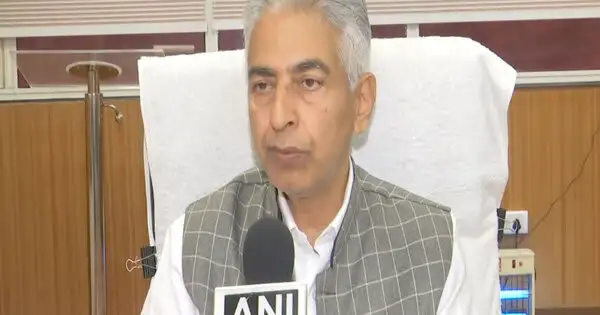
The northern region of India now handles nearly 30% of the country's total air passenger traffic and over a quarter of its aircraft movements, prompting significant infrastructure expansion to manage growth and mitigate persistent operational challenges. According to Ajay Kumar Kapur, Regional Executive Director for the Northern Region at the Airports Authority of India (AAI), this growth underscores the region's critical role in the national aviation network, with Delhi's Indira Gandhi International Airport serving as its busiest hub.
This surge in traffic is managed alongside significant operational hurdles, most notably severe winter fog. Kapur identified early morning fog as the primary cause of flight delays, cancellations, and terminal congestion during winter months. To counter this, airports have implemented Low Visibility Procedures (LVP) mandated by the Directorate General of Civil Aviation (DGCA), utilizing technology such as the Instrument Landing System (ILS) and Advanced Surface Movement Guidance and Control System (ASMGCS) to monitor ground movements. However, Kapur noted that in near-zero visibility conditions, even advanced technology has its limits.
Infrastructure and Connectivity Expansion
To accommodate rising demand, the AAI has initiated a wave of infrastructure projects across northern India. Major expansions are nearing completion, with new terminal buildings in Jodhpur, Udaipur, and Leh expected to be ready by July 2026. The project at Varanasi is anticipated to be finished by December 2026 or early January 2027, with plans to convert its existing terminal exclusively for international flights. Further long-term projects include a new greenfield airport in Kota and a new terminal in Agra targeted for completion by 2028.
While major airports are expanding, regional connectivity under the Ude Desh ka Aam Nagrik (UDAN) scheme faces challenges. Kapur highlighted a scarcity of small aircraft as a primary constraint limiting the program's potential. This shortage has impacted regional airlines and route viability. However, the government's recent UDAN 2.0 approval in March 2026 aims to address this by facilitating the procurement of indigenous aircraft like the HAL Dornier.
Technical Mitigations for Low Visibility
The reliance on technology to combat fog is a cornerstone of AAI's operational strategy in the region. The historical precedent for this was the successful upgrade of Delhi's IGI Airport with a CAT-IIIB ILS between 2001 and 2005, which enabled landings in visibility as low as 50 meters and drastically reduced winter disruptions. Modern systems continue this legacy.
| Metric | CAT I | CAT IIIb |
|---|---|---|
| Visibility Requirement | 800m | 50m |
| Decision Height | 200ft | <50ft |
Sustainability and Passenger Experience
Alongside expansion, the AAI is pursuing aggressive environmental goals, aiming to achieve carbon neutrality by 2030. According to official AAI data, the authority is already generating 58 megawatts of electricity from solar power installations at more than 64 airports. Most new terminal buildings are being designed as green buildings to meet sustainability targets.
The passenger experience is also a key focus. Initiatives like the Biometric Enabled Seamless Travel (Digi Yatra) platform are being expanded to streamline passenger movement through terminals using facial recognition. This technology, overseen by the Ministry of Civil Aviation, reduces processing time at checkpoints from 15 seconds to just 5 seconds. Other passenger amenities being rolled out include free Wi-Fi and low-cost food and beverage outlets.
What Comes Next
The AAI has established a clear timeline for its next phase of development. Key milestones include:
- July 2026: Completion of new terminals at Udaipur and Leh airports.
- December 2026 - January 2027: Expected completion of the Varanasi airport expansion.
- 2028: Target completion for a new passenger terminal in Agra.
- 2030: AAI's target date to achieve full carbon neutrality across its network.
Why This Matters
This multi-faceted strategy of infrastructure expansion, technological adoption, and sustainability initiatives is critical for India's aviation ambitions. The developments in the northern region reflect a nationwide push to build capacity ahead of demand, particularly in Tier-2 and Tier-3 cities. Successfully managing operational challenges like fog and aircraft shortages will be crucial to ensuring that this growth is both sustainable and resilient, directly impacting airlines, passengers, and the broader economy.
Frequently Asked Questions
- What are the main operational challenges for aviation in North India?
- The primary operational challenge for aviation in North India is severe winter fog, especially in the early mornings, which leads to flight delays and cancellations. Another key issue is a scarcity of small aircraft, which constrains the growth of regional connectivity under the UDAN scheme.
- Which airports in North India are being expanded by the AAI?
- The Airports Authority of India (AAI) is expanding several airports. New terminals in Udaipur and Leh are expected by July 2026, Varanasi's expansion by early 2027, and a new terminal in Agra by 2028. Additionally, a new greenfield airport is under development in Kota.
- How is the Airports Authority of India addressing environmental concerns?
- The AAI aims to become carbon neutral by 2030. It is actively using solar power, generating 58 megawatts of electricity across more than 64 airports, and designing most new terminal buildings as green, energy-efficient structures.
For global airline trends and commercial aviation news, turn to omniflights.com. From aircraft production to supply chains, commercial aviation manufacturing news is covered at omniflights.com/manufacturing.

Written by Hardik Vishwakarma
Co-Founder & Aviation News Editor leading initiatives that improve trust and visibility across the global aviation industry. Covers airlines, airports, safety, and emerging technology.
Visit ProfileYou Might Also Like
IndiGo Opens Commercial Flights at Bhogapuram

Sydney Airport Master Plan 2045 Approved
Visakhapatnam Airport Ends Commercial Flights for 30 Years

NMIA Approves 13 Airlines for Cargo Operations

Hong Kong Air Cargo Lands First Navi Mumbai Freighter