AA Flight 5318 Lands in Kansas City After Cabin Smoke

Co-Founder & CEOAviation News Editor delivering trusted coverage across the global aviation industry.
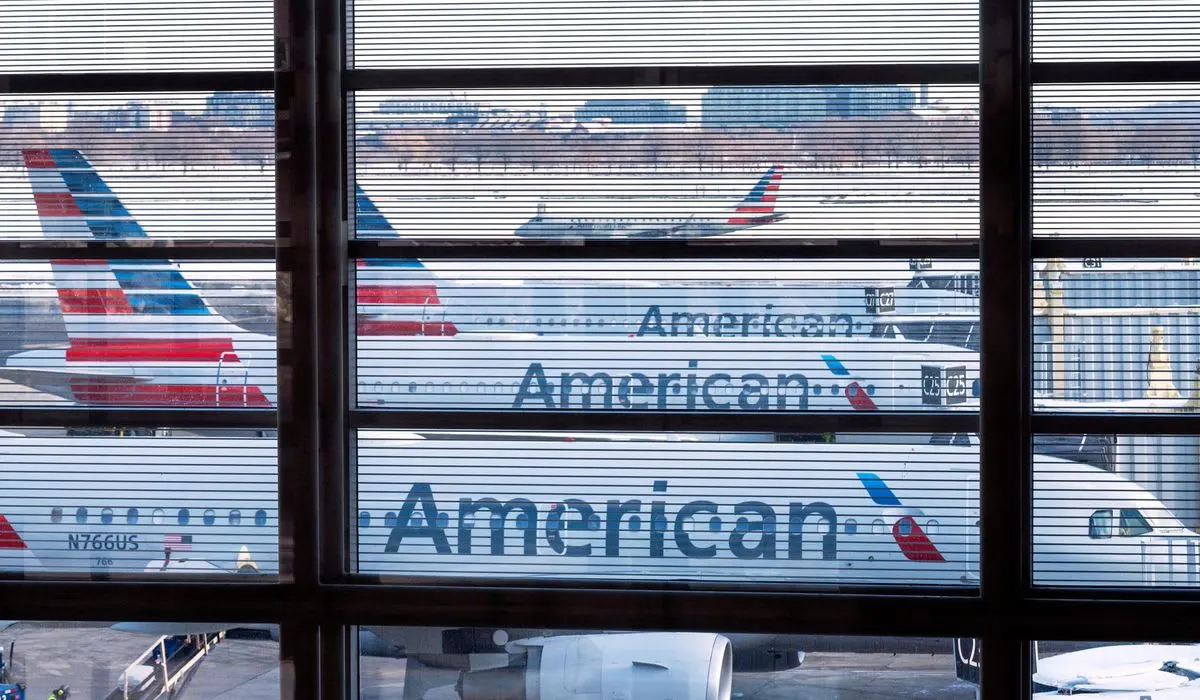
American Airlines Flight 5318 made an emergency landing in Kansas City with 76 passengers after smoke in the CRJ-900 cabin forced an evacuation.
Key Takeaways
- •AA Flight 5318 evacuated 76 passengers in Kansas City due to cabin smoke.
- •The aircraft was a PSA Airlines CRJ-900, registration N616NN.
- •The incident has triggered a mandatory FAA investigation into the cause.
- •A similar smoke event occurred on an American Eagle CRJ-900 in April 2025.
An American Airlines Flight 5318, a regional service operated by PSA Airlines, executed an emergency landing at Kansas City International Airport (MCI) on Friday, May 15, 2026, after the crew detected CRJ-900 cabin smoke. The incident prompted a full evacuation of all 76 passengers and four crew members on a taxiway. The successful Kansas City emergency landing and evacuation resulted in no reported injuries, though it has triggered a mandatory federal investigation.
The event places scrutiny on the maintenance and operational safety of regional jet fleets. For the 76 passengers aboard, including U.S. Congressman Tracey Mann, the flight ended with an emergency evacuation via overwing exits. The incident has a direct operational impact on PSA Airlines, a wholly owned subsidiary of American Airlines Group, which now faces an investigation by the Federal Aviation Administration (FAA). The aircraft involved, a Bombardier Canadair Regional Jet 900 (CRJ-900), will remain grounded pending maintenance checks and regulatory clearance.
Incident Details
American Eagle Flight 5318 was on its final approach to Kansas City when the crew declared an emergency. According to air traffic control audio recordings, the declaration was made when the aircraft was approximately two miles from the runway threshold. The flight crew landed the aircraft, registered as N616NN, without incident and taxied off the runway, where emergency services were waiting.
Following the landing, the decision was made to evacuate the aircraft on the taxiway due to the continued presence of smoke in the cabin. Congressman Tracey Mann, who was on the flight, commended the swift and professional actions of the flight crew and first responders. In a statement, American Airlines emphasized that the safety of passengers and crew is its top priority and confirmed the airline is fully cooperating with the FAA's investigation.
Regulatory Scrutiny and Industry Context
Under FAA protocols, any emergency evacuation automatically triggers a formal investigation. The agency will review the aircraft's maintenance history, interview the crew, and inspect the plane to determine the source of the smoke. The official findings will be published in the FAA's accident and incident database. This incident is particularly notable as it echoes a similar event in April 2025, where another American Airlines CRJ-900 also evacuated passengers due to cabin smoke.
Cabin smoke and fume events are a persistent safety concern in aviation, often linked to issues with engine oil seals, air conditioning systems, or electrical faults. Regional airlines, which operate a significant portion of U.S. domestic flights, often utilize fleets like the CRJ series that require rigorous and consistent maintenance to prevent such occurrences. The Association of Flight Attendants-CWA (AFA-CWA) has previously highlighted such incidents as a chronic occupational health concern, advocating for improved air quality monitoring onboard aircraft.
Bombardier CRJ-900 vs. Embraer E175
| Metric | Bombardier CRJ-900 | Embraer E175 |
|---|---|---|
| Capacity | 76-90 seats | 76-88 seats |
| Range | 1,553 nm | 1,700 nm |
| Engines | GE CF34-8C5 | GE CF34-8E |
Technical Analysis
The recurrence of a cabin smoke event on an American Eagle CRJ-900 within just over a year suggests a potential pattern that investigators will closely examine. While the immediate cause of the smoke on Flight 5318 is unknown, the investigation will likely focus on systems known to be common sources, such as bleed air contamination from the engines or auxiliary power unit (APU), or an electrical fault in the cabin. The pattern raises questions about fleet-wide maintenance procedures at PSA Airlines or a potential component issue specific to this aircraft type. This development follows the precedent set by the April 2025 incident, accelerating the need for a thorough review of the CRJ-900 fleet's operational reliability within the American Eagle network. The outcome will be significant for regional carriers who depend on the durability of these workhorse aircraft.
What Comes Next
The immediate future for the aircraft involved, N616NN, involves a detailed inspection by maintenance teams from PSA Airlines and investigators from the FAA. It is expected to remain out of service until the source of the smoke is identified and rectified. The FAA is expected to release its preliminary incident report by June 2026, which may provide initial clues as to the cause. Depending on the findings, the agency could issue airworthiness directives or recommend enhanced maintenance checks for other CRJ-900 aircraft.
Why This Matters
This emergency landing and evacuation highlight the critical importance of crew training and established safety protocols in managing in-flight incidents effectively. For the industry, it brings renewed focus to the maintenance challenges of aging regional jet fleets and the persistent issue of cabin air quality. The investigation's findings will be closely watched by other operators of the CRJ platform and could influence maintenance standards across the regional airline sector.
Frequently Asked Questions
- What happened on American Airlines Flight 5318 in Kansas City?
- American Airlines Flight 5318, a Bombardier CRJ-900 operated by PSA Airlines, made an emergency landing at Kansas City International Airport on May 15, 2026. The crew declared an emergency due to smoke in the cabin and safely evacuated all 76 passengers and 4 crew members on the taxiway.
- Why is the FAA investigating the Flight 5318 incident?
- The Federal Aviation Administration is investigating because an emergency evacuation was performed. The inquiry will examine the aircraft's maintenance records and the airline's procedures, especially since a similar cabin smoke incident occurred on another American Eagle CRJ-900 in April 2025.
For in-depth airline coverage and commercial aviation news, omniflights.com delivers timely industry insights. Discover how innovation is shaping aviation through aircraft systems, avionics, and digital tools at omniflights.com/technology.

Written by Hardik Vishwakarma
Co-Founder & Aviation News Editor leading initiatives that improve trust and visibility across the global aviation industry. Covers airlines, airports, safety, and emerging technology.
Visit ProfileYou Might Also Like
Discover more aviation news based on similar topics
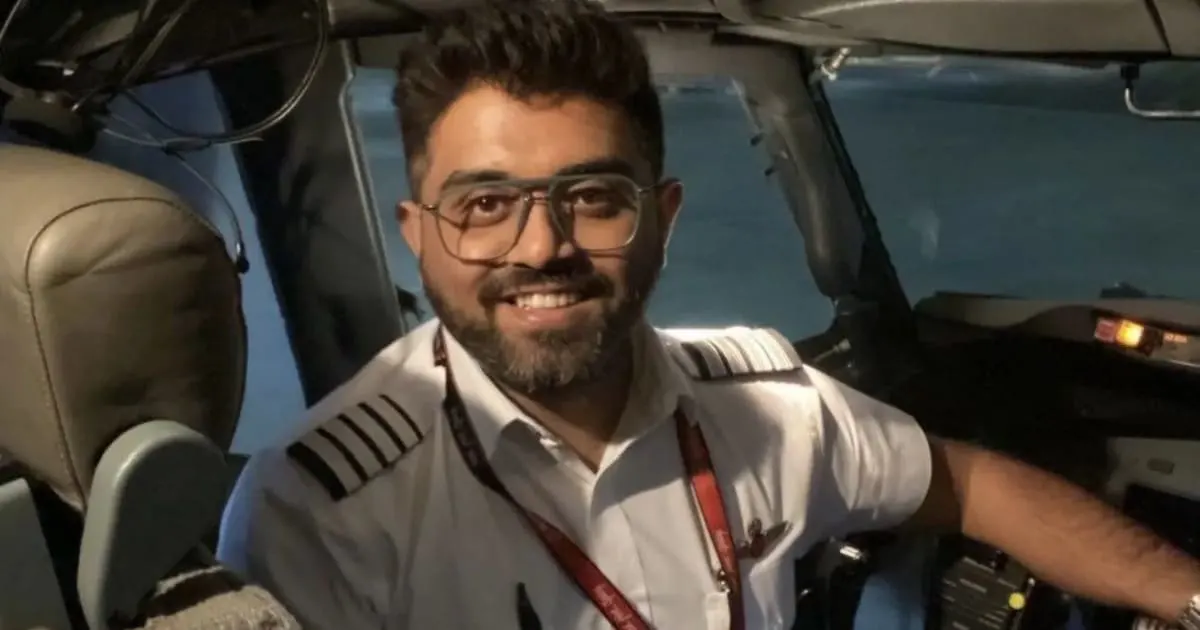
Flydubai FZ1073: Co-pilot Used Axe in Hijacking Attempt
A co-pilot on Flydubai Flight FZ1073 attacked the captain with a crash axe, triggering an attempted hijacking investigation by the UAE authorities.

FlyDubai FZ1073 Co-Pilot Had Prior Extremism Concerns
FlyDubai flight FZ1073 co-pilot Hamam Al-Hammami, who attacked his captain with an ax, was previously barred from Oman Air for extremist views.

Flydubai FZ1073: Pilot Attempted Terrorist Act, UAE Says
Flydubai flight FZ1073 was targeted in an attempted terrorist act by co-pilot Hamam al-Hammami, who was subdued by the captain during the flight.
Flydubai FZ1073 Cockpit Attack: Inside the Terror Attempt
Flydubai flight FZ1073 diverted to Tabuk after co-pilot Hamam al-Hammami attacked Captain Smit Machchhar in a confirmed terrorist act.
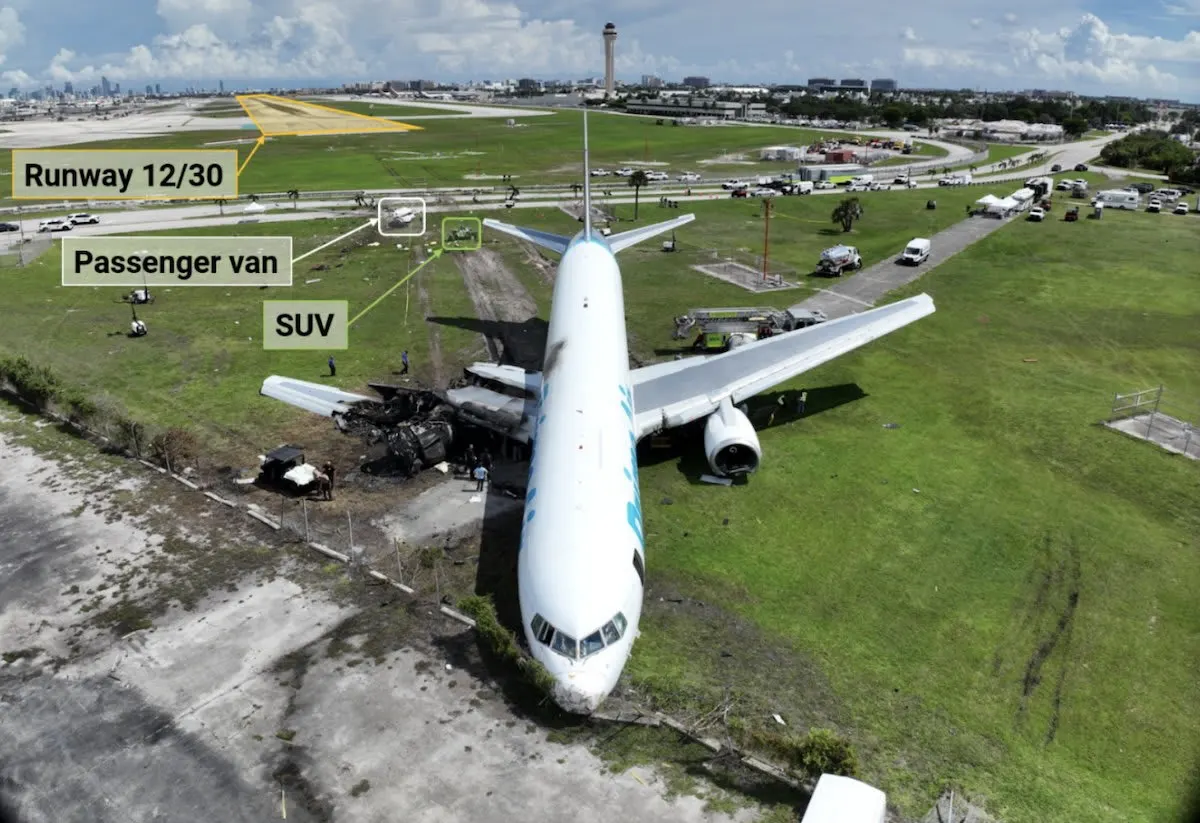
21 Air 767 Crash: NTSB Report Details Fatal MIA Overrun
The NTSB preliminary report on the 21 Air 767 crash at Miami International Airport confirms five ground fatalities following a late, high-speed landing.
Flydubai FZ1073 Hijacker Flagged as Security Risk by Oman
A Flydubai co-pilot accused of attempting to crash flight FZ1073 had been previously barred from flying in Oman due to extremist concerns.