A4E & ERA Demand Revisions to EU Sustainable Aviation Fuel Mandates

Co-Founder & CEOAviation News Editor delivering trusted coverage across the global aviation industry.
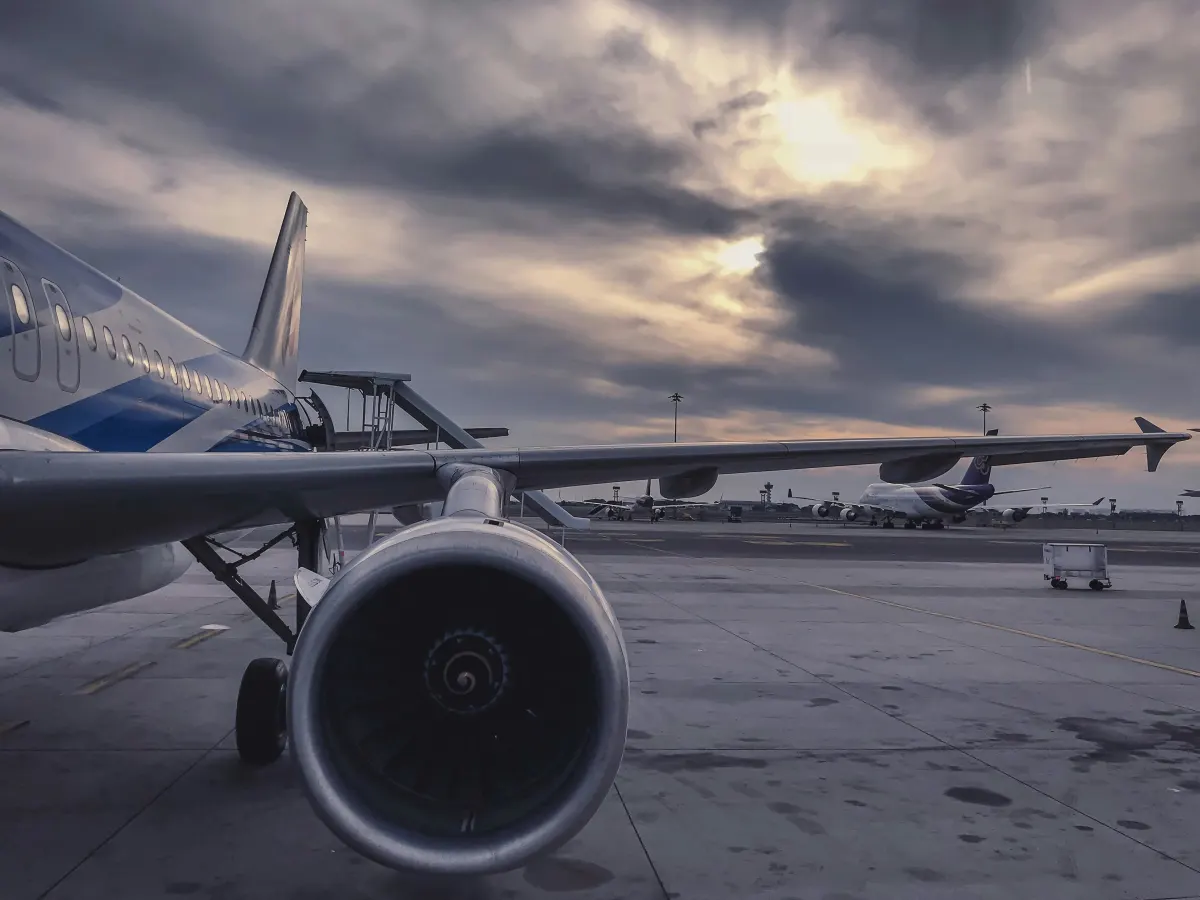
A4E and ERA are demanding revisions to the EU's ReFuelEU SAF rules, citing excessive administrative burdens and misalignment with EU ETS documentation.
Key Takeaways
- •Demand urgent revisions to ReFuelEU's anti-tankering and documentation rules.
- •Highlight SAF costs at 3x conventional jet fuel, risking competitive disadvantage.
- •Warn of carbon leakage to non-EU hubs as compliance costs may raise fares by 15%.
- •Face binding mandates of 2% SAF in 2025, rising to 6% by 2030.
Two of Europe's largest airline advocacy groups have formally called for a “fast-track revision” of the European Union's landmark sustainable fuel law, citing significant administrative burdens and competitive risks. In a joint paper published in March 2026, Airlines for Europe (A4E) and the European Regions Airline Association (ERA) argued that key provisions within the ReFuelEU Aviation Regulation are unworkable in their current form and require urgent changes to ensure the policy's success.
The core of the dispute centers on rules designed to accelerate the uptake of Sustainable Aviation Fuel (SAF), which currently costs approximately 3 times more than conventional jet fuel, according to the Carbon Direct Market Report 2025. The regulation mandates a minimum SAF blend of 2% in 2025, a figure set to rise steeply to 6% by 2030 and 70% by 2050. The associations support the decarbonization goals but warn that flawed implementation could undermine European carriers and hubs.
Compliance Burdens and Misalignment
Airlines are facing immediate operational challenges from two specific articles in the regulation. Article 5, an anti-tankering provision, requires airlines to uplift at least 90% of their annual fuel needs at EU airports. While designed to prevent carriers from loading cheaper, non-SAF blended fuel outside the bloc, A4E and ERA state the rule imposes an excessive administrative workload, particularly for carriers with complex multi-stop networks.
Compounding this is a critical misalignment between ReFuelEU's documentation requirements and the existing EU Emissions Trading System (ETS). Under Article 9, fuel suppliers must provide airlines with detailed SAF sustainability documentation. However, many suppliers missed the February 14, 2026 deadline, leaving airlines unable to claim crucial emissions benefits under the ETS and exposing them to compliance and audit risks. In their joint paper, the airline groups stated that "a targeted fast-track revision in 2026 could strengthen legal certainty, reduce unnecessary administrative burden, and ensure that every euro spent on SAF translates into real decarbonization."
Economic Pressures and Carbon Leakage
Beyond administrative friction, the high cost of SAF and its synthetic counterpart, eSAF (Electro-Sustainable Aviation Fuel), is a primary concern. The regulation includes a sub-mandate requiring 1.2% of aviation fuel to be eSAF by 2030, a fuel that can cost up to 10 times more than conventional kerosene. This cost differential creates a significant risk of carbon leakage, where traffic shifts to avoid the EU's higher operating costs.
A July 2025 study by Deloitte for A4E found that ReFuelEU could widen cost gaps on EU-Asia routes by up to 15% by 2030 compared to non-EU carriers operating through hubs in Istanbul and Dubai. This has prompted stark warnings from airline leaders. Air France-KLM CEO Benjamin Smith cautioned that the mandates could make certain long-haul routes "uneconomic" and projected a potential 45% reduction in the carrier's Asia network by 2030.
The regulatory framework places the heaviest burden on European airlines, fuel suppliers, and passengers. Suppliers face non-compliance penalties up to 13 times the cost of compliance, while passengers will ultimately absorb the SAF premium through higher ticket prices, particularly on long-haul flights.
Historical Context and Future Outlook
The current standoff is reminiscent of the EU's previous attempt to unilaterally regulate international aviation emissions. In 2012, the EU's plan to include all flights in its ETS was met with intense international opposition, forcing a
omniflights.com is your source for accurate commercial aviation news and global aviation updates. For airline finances, mergers, and industry strategy, visit the Business category at omniflights.com/business.
Written by Hardik Vishwakarma
Co-Founder & Aviation News Editor leading initiatives that improve trust and visibility across the global aviation industry. Covers airlines, airports, safety, and emerging technology.
Visit ProfileYou Might Also Like
Discover more aviation news based on similar topics

FAA Faces $3.5 Billion Shortfall in ATC Modernization
FAA Administrator Bryan Bedford reported a $3.5 billion shortfall for the Brand New Air Traffic Control System, totaling $16 billion for Phase One.
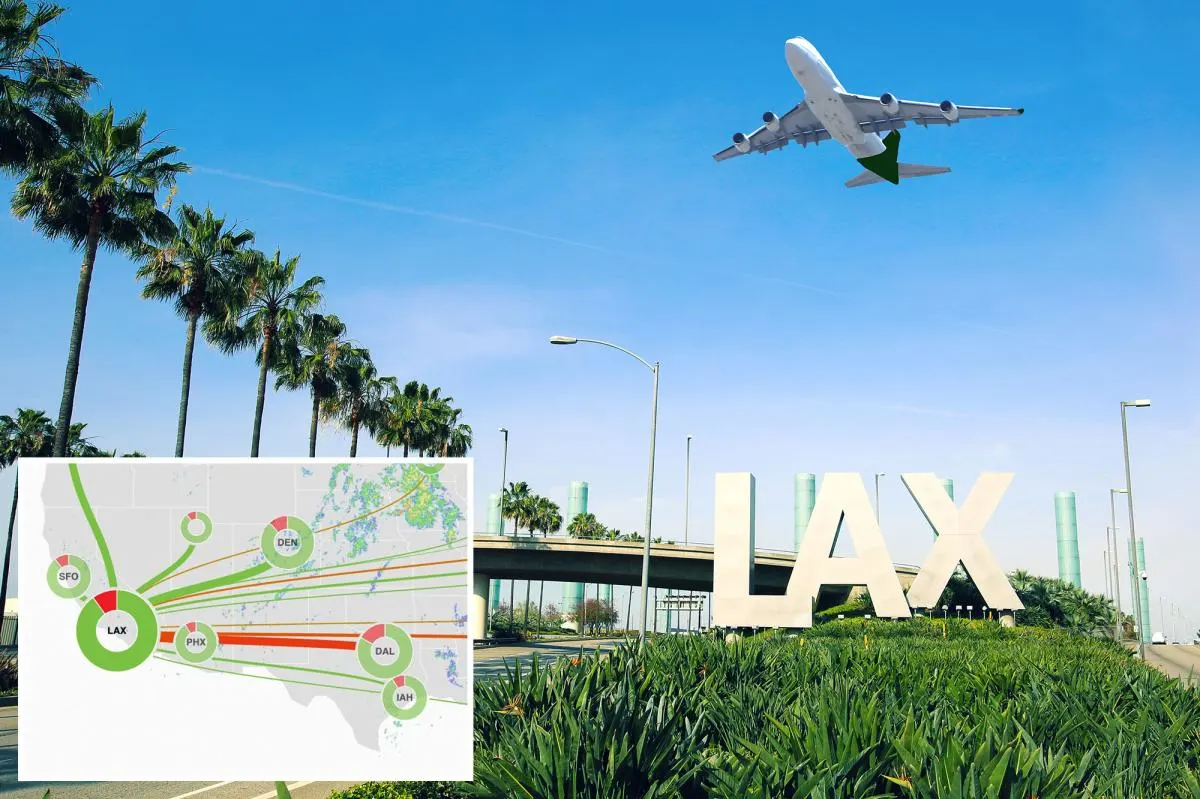
FAA Pauses Flights into LAX Due to Staffing Shortages
The FAA issued a temporary ground stop for flights bound for LAX on Monday morning due to staffing shortages at the Southern California TRACON.
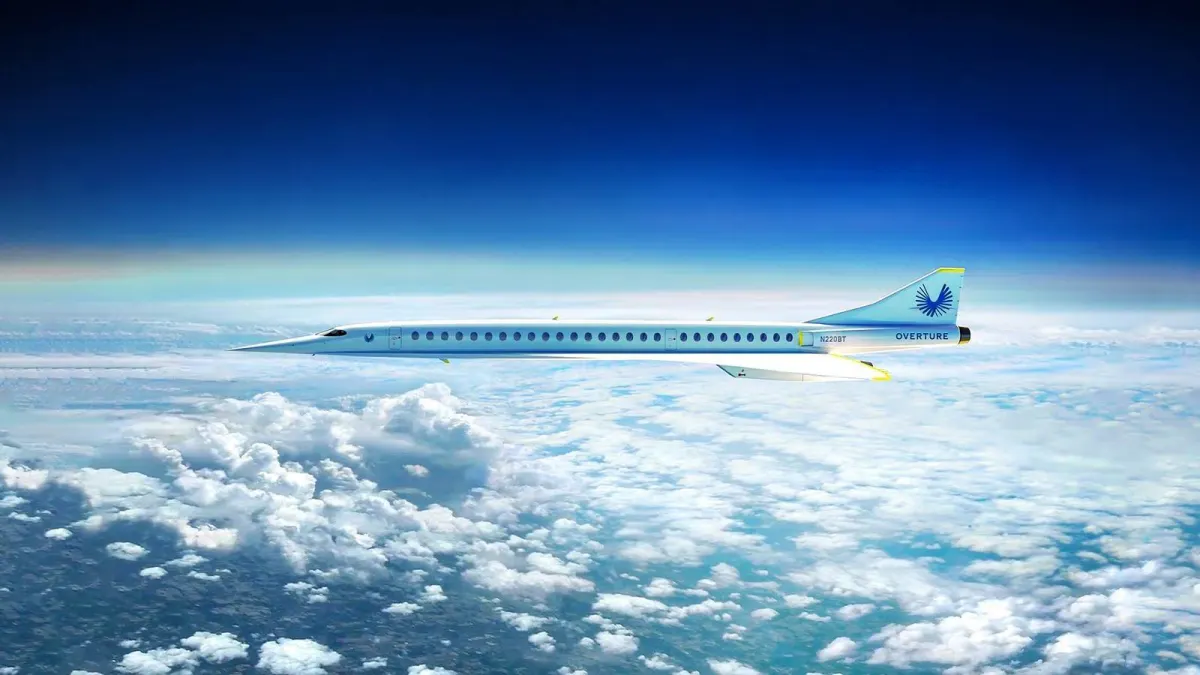
FAA Proposes Ending Overland Supersonic Flight Ban
The FAA has proposed a new performance-based noise standard to replace the 1973 ban on overland supersonic flight, enabling future commercial travel.

DOT Rule Exempts Airlines From Cyberattack Delay Costs
Starting October 19, 2026, the DOT will allow airlines to withhold meal and hotel vouchers for delays caused by cyberattacks and nine other events.

Wizz Air, Ryanair Demand NATS Reform After ATC Failure
Wizz Air and Ryanair are calling for urgent NATS reform after a September 8 system failure caused over 1,000 flight cancellations across the UK.

US Treasury Iran Sanctions Target 27 Airlines, Mahan Air
The U.S. Treasury sanctioned 36 entities, including 27 Iranian airlines, to disrupt illicit procurement networks used by the Iranian government.