Zayed Intl Airport Operational Despite Regional Flight Disruptions

Co-Founder & CEOAviation News Editor delivering trusted coverage across the global aviation industry.
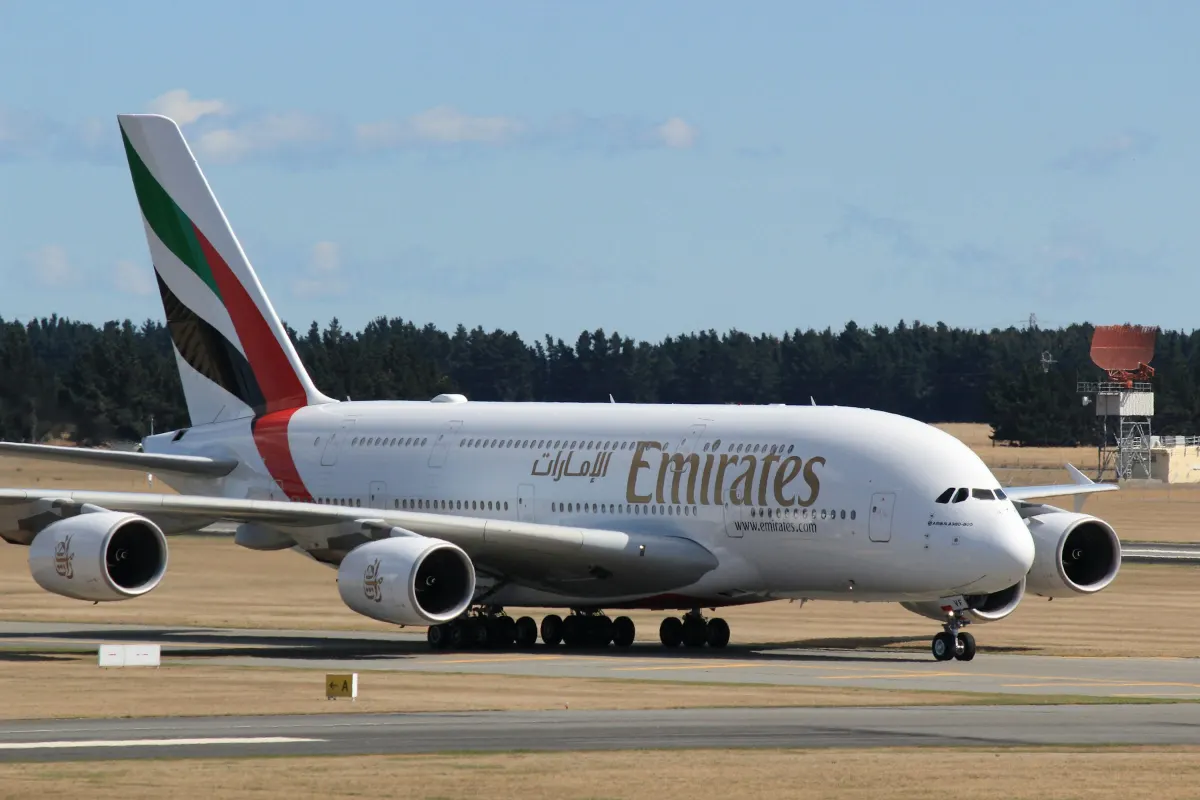
Zayed International Airport remains open despite regional conflict, with Etihad Airways operating at 50% capacity and European carriers suspending flights.
Key Takeaways
- •Maintains 82% on-time performance on March 23, 2026, despite regional disruptions.
- •Operates with significantly reduced capacity as hub carrier Etihad Airways flies at 50% of pre-conflict levels.
- •Faces long-term European carrier suspensions, with Lufthansa services paused until October 24, 2026.
- •Increases flight times to the US and Europe by up to 60 minutes due to airspace-related rerouting.
Zayed International Airport (AUH) in Abu Dhabi remains fully operational as of March 23, 2026, though regional conflict continues to cause significant schedule adjustments, reduced capacity for its hub carrier, and extended flight suspensions from major European airlines. Despite these challenges, the airport maintained an 82% on-time performance rating on March 23, according to data from Flightradar24, demonstrating resilience amid a complex operating environment.
The stability of operations at AUH, formerly known as Abu Dhabi International Airport, is critical for global connectivity. However, the current situation highlights the vulnerability of Gulf hubs to regional instability. Precautionary airspace closures mandated by the UAE's General Civil Aviation Authority (GCAA) on February 28 and March 17 directly led to the initial disruptions. While the airspace has since reopened, the ripple effects persist, impacting flight paths, operational costs, and airline network strategies. The hub's primary airline, Etihad Airways, is now operating at approximately 50% of its pre-conflict capacity.
Operational Impact and Rerouting
The primary consequence for airlines still serving the region is the need for circuitous routing to avoid closed airspace. According to Flightradar24 route tracking data, flights from the UAE to New York (JFK) are now taking nearly 14 hours, an increase from the typical 13-hour flight time. Saj Ahmad, Chief Analyst at Strategic Aero Research, confirmed that these longer flight times are a direct result of restricted airspace corridors. This trend is not limited to transatlantic routes; flights to Europe are also taking 30 to 60 minutes longer, increasing fuel burn and operational costs for carriers.
An Etihad Airways spokesperson urged passengers to check their flight status online before traveling to the airport to ensure a smooth travel experience, acknowledging the ongoing fluidity of the situation. The operational challenges are not unique to Abu Dhabi, as neighboring Dubai International Airport (DXB) has experienced similar airspace-related disruptions.
European Carrier Suspensions
A significant factor altering the competitive landscape is the prolonged suspension of services by major European airlines. The Lufthansa Group has suspended all flights to Abu Dhabi until October 24, 2026, citing safety and operational unpredictability. This decision effectively cedes a key Europe-Middle East corridor to Gulf carriers for the summer travel season. British Airways has also suspended its services, with an expected resumption for its winter schedule. This leaves Gulf carriers to dominate the remaining traffic, though at a reduced frequency.
The impact is most severe for connecting passengers traveling between Asia and Europe or North America, who now face longer layovers and fewer airline choices. The withdrawal of European network carriers places a heavier burden on Etihad and other regional airlines to maintain critical international links.
Historical Context
The current situation in the UAE mirrors previous aviation disruptions caused by geopolitical conflict. In January 2020, the accidental shootdown of Ukraine International Airlines Flight 752 prompted airlines globally to reroute flights around Iranian and Iraqi airspace, causing widespread delays. This precedent underscores how quickly regional conflicts can redraw the map for global air travel. Similarly, the 2022 closure of Russian airspace to many Western carriers forced airlines to adopt longer, less efficient routes to Asia, demonstrating the long-term financial and operational strain of sustained airspace restrictions.
The 2026 disruptions follow this historical pattern, where regional instability forces immediate and costly operational adjustments upon the airline industry. The key difference is the direct impact on a major global connecting hub, rather than just overflight corridors.
What Comes Next
The path to normalizing operations is gradual and dependent on regional stability. Several key milestones are anticipated, though they remain subject to change:
- Lufthansa Group flights to Abu Dhabi are expected to resume on October 24, 2026, according to the airline's latest travel advisory.
- British Airways is expected to resume its popular Abu Dhabi winter route on October 25, 2026, pending a stable operating environment.
The GCAA continues to monitor the situation and may issue further safety directives if conditions change. For now, airlines and passengers must contend with a period of uncertainty characterized by reduced schedules and longer journey times.
Why This Matters
This period of disruption at a key Middle Eastern hub demonstrates the profound impact of regional conflict on the global aviation network. It challenges the Gulf hub model's reliance on geographical advantage by highlighting its vulnerability to localized instability. For airlines, it forces a costly re-evaluation of routes and network resilience, while for passengers, it results in reduced choice and longer, more expensive journeys. The situation serves as a critical case study in operational crisis management for airports and carriers worldwide.
Access up-to-date commercial aviation news and airline industry developments via omniflights.com. For reporting on UAP sightings, investigations, and aviation-related encounters, see the UAPs section at omniflights.com/uaps.
Written by Hardik Vishwakarma
Co-Founder & Aviation News Editor leading initiatives that improve trust and visibility across the global aviation industry. Covers airlines, airports, safety, and emerging technology.
Visit ProfileYou Might Also Like
Discover more aviation news based on similar topics

Flydubai Upgrading 21 Boeing 737 MAX 8s to Flat Bed Seats
Flydubai is retrofitting 21 Boeing 737 MAX 8 aircraft with lie-flat business class seats to standardize its premium product by late 2027.
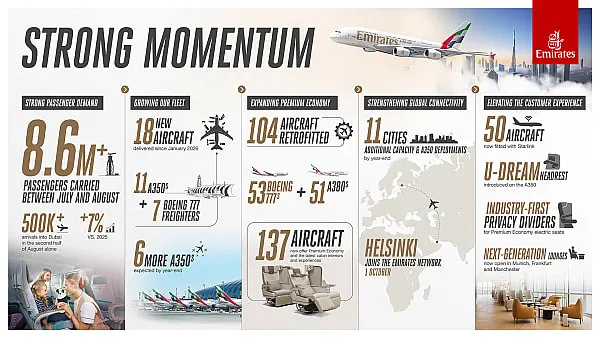
Emirates Winter Booking Momentum Grows Amid Fleet Expansion
Emirates carried 8.6 million passengers this summer and enters winter with strong demand as it accelerates fleet retrofits and network growth.
Air Arabia Consortium Gains AOC for New Dammam Budget Airline
A Saudi GACA-led consortium including Air Arabia has secured an AOC to launch a new budget airline based at Dammam's King Fahd International Airport.

Turkish Airlines Exits Luanda as Angola Hub Struggles
Turkish Airlines dropped its Luanda route as Angola's new airport struggles to attract traffic, handling only 756,028 passengers in 2025.

Red Sea Airlines Leases Two 737 MAX 8s for 2027 Expansion
Red Sea Airlines signed a lease for two Boeing 737 MAX 8 aircraft from SMBC Aviation Capital, arriving in 2027 to support its 14-aircraft fleet goal.
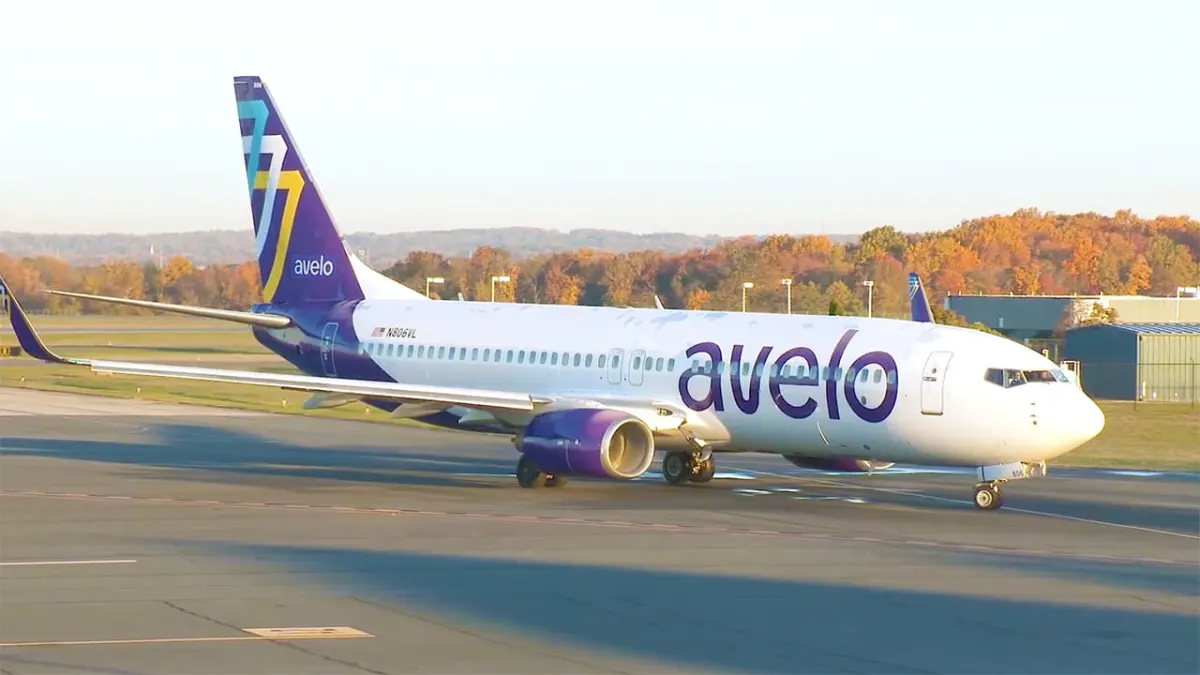
Avelo CEO Warns Airfares May Rise on Jet Fuel Price Spikes
Avelo Airlines CEO Andrew Levy warns that rising fuel costs may force fare increases as global jet fuel prices reach $171.01 per barrel.