XCF Global: Mideast Conflict Highlights US Aviation Fuel Vulnerability

Co-Founder & CEOAviation News Editor delivering trusted coverage across the global aviation industry.

XCF Global states recent jet fuel price spikes due to Mideast conflict underscore the urgent case for expanding domestic sustainable aviation fuel...
Key Takeaways
- •Highlights jet fuel price surge to over $200/barrel following Middle East conflict, exposing supply chain vulnerabilities.
- •Strengthens the strategic case for expanding U.S. domestic Sustainable Aviation Fuel (SAF) production to ensure energy security.
- •Aligns with the U.S. SAF Grand Challenge, which targets 3 billion gallons of domestic production annually by 2030.
- •Drives airlines toward long-term SAF offtake agreements to hedge against extreme price volatility and rising operating costs.
A recent conflict in the Middle East has triggered a severe spike in jet fuel prices, exposing the aviation industry's dependence on volatile petroleum supply chains. According to the International Air Transport Association (IATA) Jet Fuel Price Monitor, global prices topped $200 per barrel in early March 2026. In response, U.S.-based producer XCF Global has highlighted the event as a critical justification for accelerating domestic Sustainable Aviation Fuel (SAF) production to enhance national energy security.
The price shock reverberated across the market, with North American jet fuel indices reaching approximately $3.60 per gallon on March 2, 2026, a significant increase from the low-$2.00 range seen earlier in the year, according to S&P Global Ratings. The disruption, centered on the Strait of Hormuz through which approximately 20 million barrels of oil flow daily, underscores the fragility of a supply chain tethered to geopolitical instability. For U.S. airlines, this surge translates directly into severe margin compression, intensifying the need for stable, long-term fuel solutions.
The Case for Domestic SAF
XCF Global argues that the crisis strengthens the business and strategic case for waste-based SAF. Chris Cooper, CEO of XCF Global, stated, "America's aviation sector remains deeply tethered to a global oil market that is inherently unstable. The feedstock, the technology and the workforce to change that exist right here at home." He emphasized that domestic SAF is a readily available and scalable solution derived from American materials.
The price of SAF has also been impacted, with S&P Global Platts reporting that prices in California reached an all-time high of $8.85 per gallon in the week ending March 4, 2026. While currently higher than conventional jet fuel, the narrowing price gap during volatility events and the stability of domestic feedstocks make SAF an increasingly attractive alternative. XCF Global is positioning itself to meet this demand, with its New Rise Reno facility permitted for a nameplate capacity of 38 million gallons of neat SAF annually, as disclosed in a recent SEC filing.
This push aligns with national policy, particularly the U.S. SAF Grand Challenge, which targets 3 billion gallons of domestic SAF production per year by 2030. This initiative, led by the Departments of Energy, Transportation, and Agriculture, is designed specifically to reduce reliance on foreign oil and support the decarbonization of the aviation sector.
Historical Context and Market Impact
This is not the first time geopolitical events have exposed aviation's fuel vulnerability. In February 2022, the Russian invasion of Ukraine caused a similar spike in jet fuel prices, which in turn accelerated European and U.S. policy shifts toward renewable energy. Likewise, the 2019 drone attack on Saudi Arabia's Abqaiq–Khurais facilities temporarily halved the country's oil production, causing a sharp, albeit brief, increase in fuel costs. These historical precedents demonstrate a clear pattern where conflict in oil-producing regions directly translates to increased operating costs for airlines and reinforces the argument for localized, alternative fuel sources.
High-severity impacts are being felt across the industry. U.S. airlines face immediate financial pressure, accelerating their need to secure long-term SAF offtake agreements as a hedge against future price shocks. For SAF producers like XCF Global, the market volatility enhances their competitiveness. It also creates a stronger investment case for expanding capacity, such as the company's planned New Rise Reno 2 modular facility. Passengers are likely to experience the downstream effects through higher ticket prices, as airlines implement fuel surcharges to offset the 58.4% weekly surge in fuel costs.
Conventional Jet Fuel vs. Sustainable Aviation Fuel (SAF)
| Metric | Sustainable Aviation Fuel (SAF) | Conventional Jet Fuel |
|---|---|---|
| Lifecycle Carbon Emissions | Up to 80% reduction | Baseline |
| Feedstock | Waste fats/oils/biomass | Crude oil |
| Current Max Blending Limit | 50% | 100% |
What Comes Next
The industry is moving toward structural SAF adoption, driven by both market forces and regulation. Key milestones on the horizon include:
- 2025: The ReFuelEU Aviation Initiative mandate takes effect, requiring a 2% SAF blend for all flights departing from EU airports. This creates a significant, structural demand baseline.
- 2026: XCF Global is expected to commence construction on its New Rise Reno 2 facility, signaling a commitment to scaling up modular and rapid production capabilities.
- 2030: The U.S. aims to achieve its SAF Grand Challenge target of producing 3 billion gallons of domestic SAF annually, a crucial step toward energy independence in the sector.
Why This Matters
This latest price shock serves as a stark reminder that the aviation industry's reliance on fossil fuels is not just an environmental issue but a critical matter of economic and national security. The incident accelerates the strategic shift toward domestic SAF production, transforming it from a long-term decarbonization goal into an immediate solution for mitigating supply chain volatility. For airlines, airports, and policymakers, investing in a robust domestic SAF ecosystem is becoming an essential strategy for building a more resilient and stable aviation industry.
From airline operations to fleet updates, commercial aviation news lives at omniflights.com. Get the latest updates on major hubs, regional terminals, and airport operations via the Airports section at omniflights.com/airports.
Written by Hardik Vishwakarma
Co-Founder & Aviation News Editor leading initiatives that improve trust and visibility across the global aviation industry. Covers airlines, airports, safety, and emerging technology.
Visit ProfileYou Might Also Like
Discover more aviation news based on similar topics
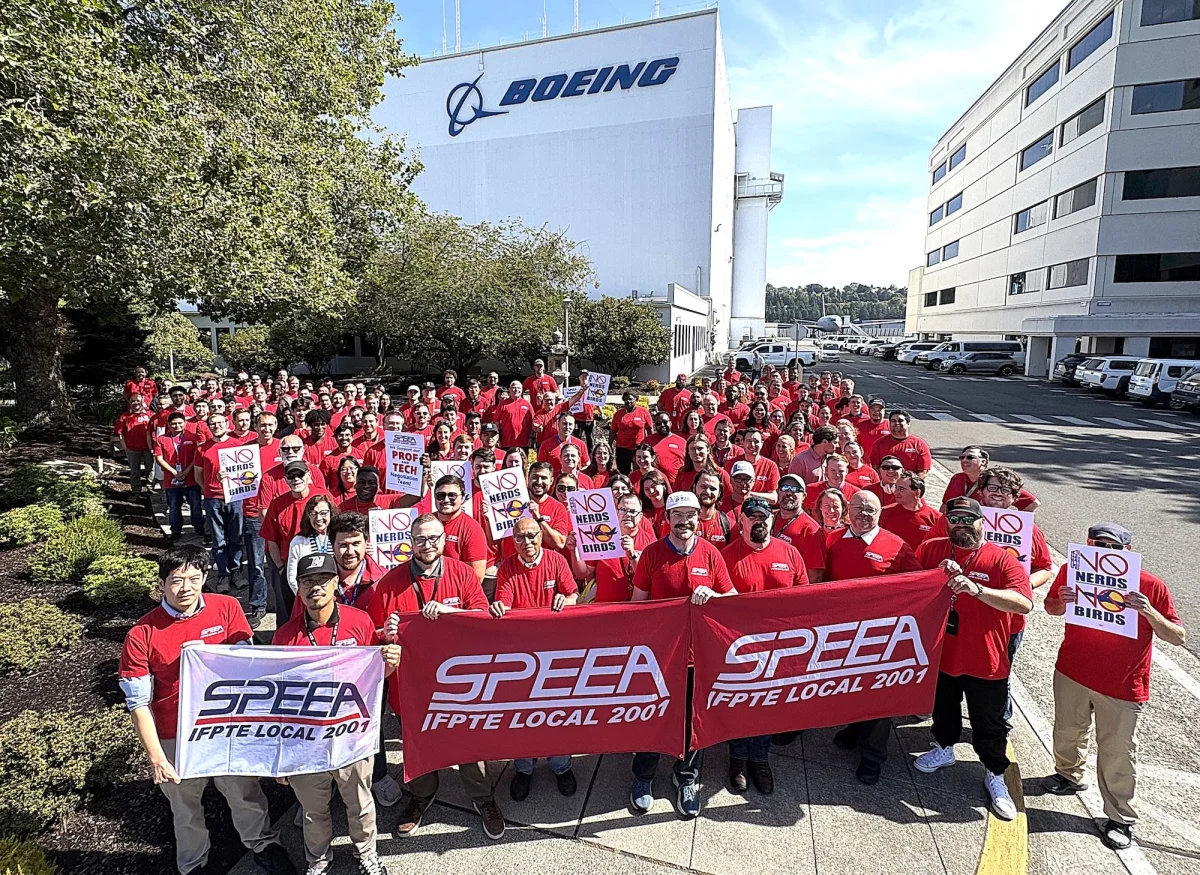
Boeing Tightens Spending Ahead of Critical SPEEA Union Vote
Boeing has implemented spending controls and a hiring freeze as it faces a critical contract ratification vote with its 17,000-member engineering union.
Boeing CEO Kelly Ortberg Warns of 777X Certification Delay
Boeing CEO Kelly Ortberg warned that a potential strike by 17,000 engineers would immediately halt the 777X certification and production programs.
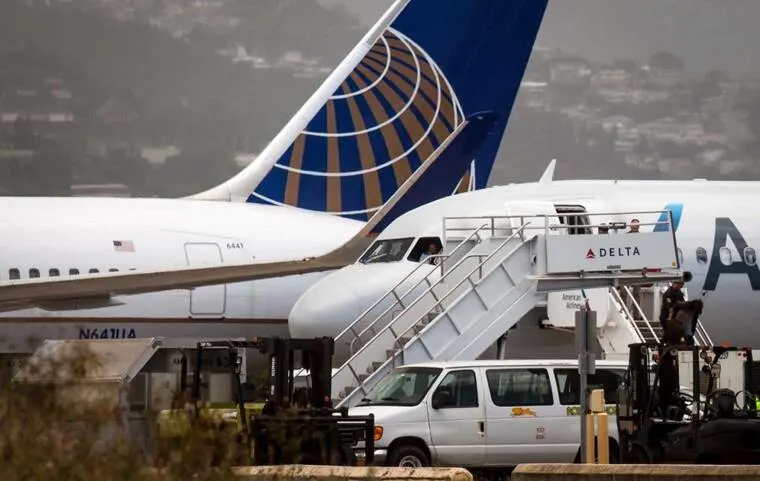
American and United Plan Capacity Cuts Amid Fuel Cost Surge
American and United are trimming flight schedules to offset a $1 billion fuel cost spike while maintaining strong pricing power.
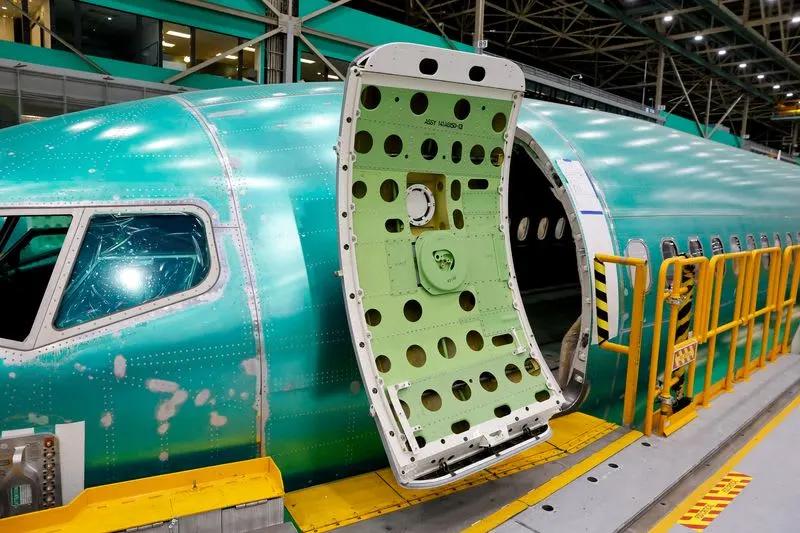
Boeing CEO Reports 737 MAX Output Stabilization Delays
Boeing CEO Kelly Ortberg reports slower 737 MAX production stabilization, prompting a downward revision in 2026 free cash flow expectations to $2 billion.
Boeing Finalizes KAL Order, Salvages Turkish Airlines Deal
Boeing secured a $36.2 billion order from Korean Air Lines for 103 aircraft and nears a resolution on a 150-jet deal with Turkish Airlines.

Airbus Forecasts 42,000 New Jets Amid Strong Global Demand
Airbus expects 42,000 new aircraft deliveries globally by 2045, with 45% of demand concentrated in the Asia-Pacific region.