Willis Lease Finance Acquires Three Airbus A330-300s

Co-Founder & CEOAviation News Editor delivering trusted coverage across the global aviation industry.

Willis Lease Finance Corporation has acquired three Airbus A330-300 aircraft to be leased to Taiwan-based carriers China Airlines and EVA Air.
Key Takeaways
- •WLFC acquired three Airbus A330-300s for China Airlines and EVA Air.
- •The acquisition addresses immediate capacity gaps caused by OEM delivery delays.
- •A330-300s offer a range of 6,350 nautical miles for long-haul routes.
- •Leased mid-life widebodies remain essential for fleet growth strategies.
Strategic Asset Acquisition
Willis Lease Finance Corporation (WLFC) has officially acquired three Airbus A330-300 aircraft, which are slated for lease to Taiwan-based carriers China Airlines and EVA Air. This transaction, announced via the official WLFC press release, underscores the ongoing demand for mid-life widebody capacity in the global aircraft leasing market. By securing these current-generation assets, WLFC provides immediate capacity solutions to airlines facing significant delivery delays for new-generation widebody aircraft.
Market Context and Fleet Demand
The aviation industry is currently experiencing a surge in demand for leased mid-life widebody aircraft. This trend is primarily driven by original equipment manufacturer delivery delays and persistent maintenance bottlenecks. Lessors are increasingly deploying current-generation assets to bridge critical capacity gaps for major carriers.
“Demand for assets and aftermarket services remains exceptionally strong as operators navigate fleet growth, delivery delays, and ongoing maintenance capacity constraints,” said Austin C. Willis, chief executive officer of Willis Lease Finance Corporation. “We believe the current market environment presents a compelling opportunity to deploy capital into high-quality assets.”
Stakeholder and Operational Impact
For China Airlines and EVA Air, the addition of these aircraft provides immediate widebody capacity to support long-haul and regional high-density routes. This allows both carriers to maintain network stability without waiting for extended lead times associated with new OEM production slots. Conversely, the reliance on these mature aircraft highlights the broader industry challenge regarding OEM production schedules. For maintenance, repair, and overhaul providers, the extended operational life of these A330-300 aircraft increases the demand for aftermarket services and spare parts.
Environmental and Technical Considerations
While the acquisition addresses immediate capacity needs, it also highlights the tension between operational requirements and environmental goals. According to environmental advocates, extending the life of older A330ceo aircraft rather than upgrading to newer, more fuel-efficient models like the A330neo or A350 results in higher fuel burn and carbon emissions per seat.
A330-300 vs. A330-900 (A330neo): Key Specifications
| Metric | Airbus A330-300 | Airbus A330-900 (A330neo) |
|---|---|---|
| Range | 6,350 nm | 7,200 nm |
| Typical 3-Class Seating | 250-290 | 260-300 |
| Engine Generation | Trent 700 / CF6 / PW4000 | Trent 7000 |
The Trend of Mature Asset Deployment
This transaction follows a pattern observed since 2023, where lessors have focused on extending the operational lives of A330ceo and 777-300ER aircraft. Historically, this strategy has proven effective during periods of supply chain disruption. By placing these aircraft with capacity-constrained airlines, lessors capitalize on the production shortfalls of new-generation fleets. This development indicates a long-term shift where leasing companies play a stabilizing role in the global aviation supply chain by managing the transition between current and next-generation aircraft types.
Future Fleet Integration
The integration of these three aircraft into the China Airlines and EVA Air fleets is expected to proceed immediately. As the carriers evaluate their long-term fleet renewal programs, these assets serve as a critical bridge. Market analysts suggest that the leasing company will continue to monitor the performance of these widebody assets as they fill the gap created by ongoing delivery backlogs across the global aviation sector.
Why This Matters for Fleet Planning
This acquisition highlights the critical role of leasing companies in mitigating the impact of OEM production delays on international carriers. For airline planners, the ability to rapidly secure widebody capacity through lease agreements is essential to maintaining competitive route networks. The move also signals that current-generation widebodies will remain a staple of the global fleet for the foreseeable future, despite the industry's long-term pivot toward more fuel-efficient, next-generation aircraft.
Frequently Asked Questions
- What aircraft model did Willis Lease Finance Corporation acquire?
- Willis Lease Finance Corporation acquired three Airbus A330-300 aircraft to be leased to China Airlines and EVA Air.
- Why are airlines increasingly relying on leased mid-life widebody aircraft?
- Airlines are turning to leased mid-life aircraft to bridge capacity gaps caused by significant delivery delays from original equipment manufacturers and ongoing maintenance bottlenecks.
omniflights.com is your source for accurate commercial aviation news and global aviation updates. Get the latest updates on major hubs, regional terminals, and airport operations via the Airports section at omniflights.com/airports.
Written by Hardik Vishwakarma
Co-Founder & Aviation News Editor leading initiatives that improve trust and visibility across the global aviation industry. Covers airlines, airports, safety, and emerging technology.
Visit ProfileYou Might Also Like
Discover more aviation news based on similar topics
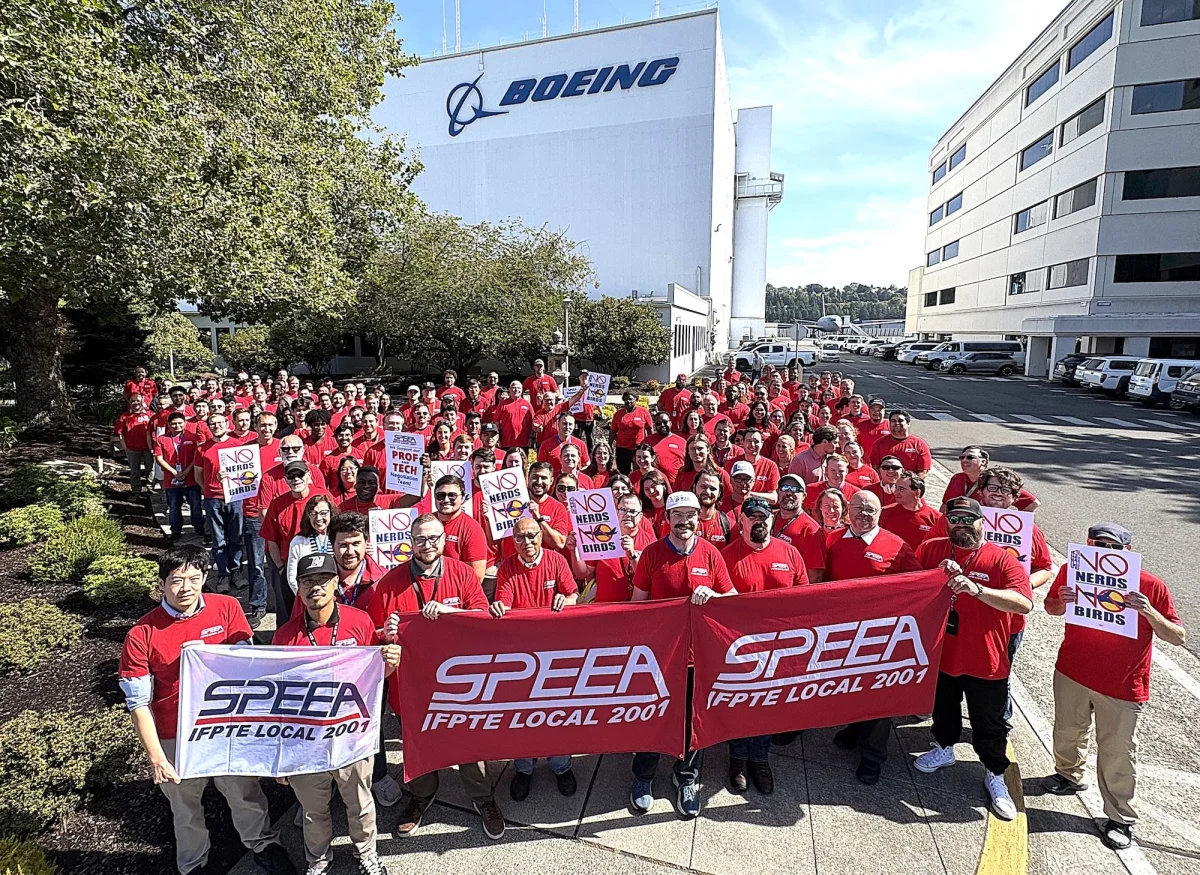
Boeing Tightens Spending Ahead of Critical SPEEA Union Vote
Boeing has implemented spending controls and a hiring freeze as it faces a critical contract ratification vote with its 17,000-member engineering union.

Boeing CEO Kelly Ortberg Warns of 777X Certification Delay
Boeing CEO Kelly Ortberg warned that a potential strike by 17,000 engineers would immediately halt the 777X certification and production programs.
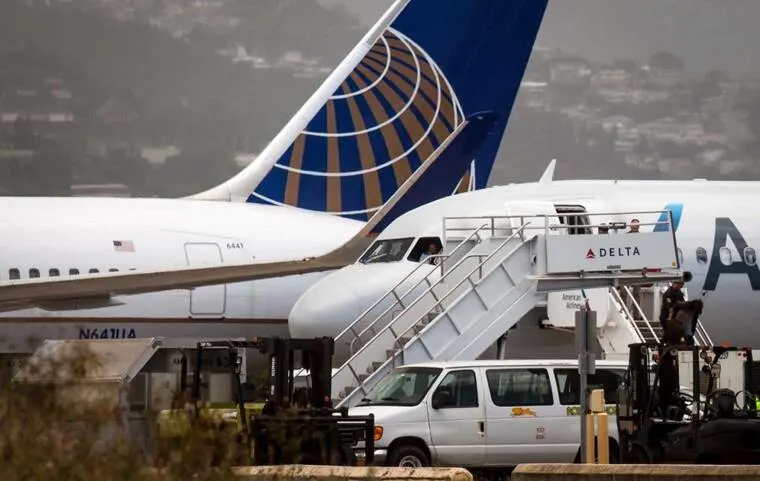
American and United Plan Capacity Cuts Amid Fuel Cost Surge
American and United are trimming flight schedules to offset a $1 billion fuel cost spike while maintaining strong pricing power.
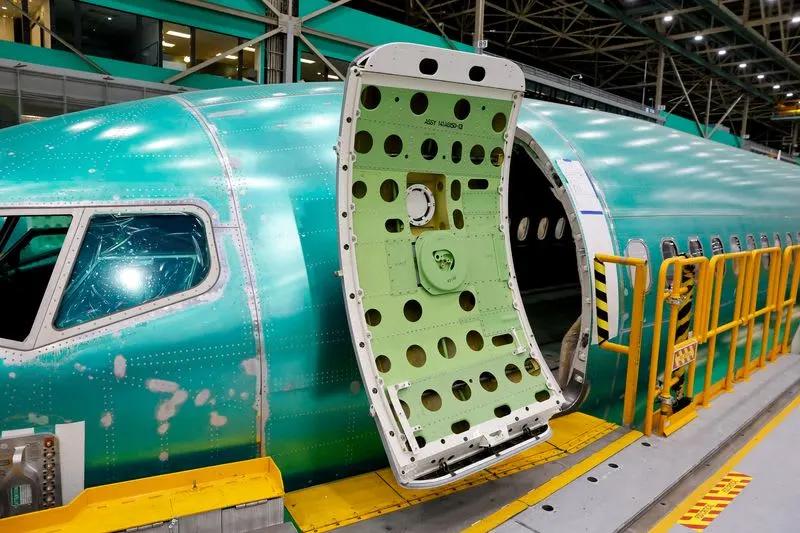
Boeing CEO Reports 737 MAX Output Stabilization Delays
Boeing CEO Kelly Ortberg reports slower 737 MAX production stabilization, prompting a downward revision in 2026 free cash flow expectations to $2 billion.
Boeing Finalizes KAL Order, Salvages Turkish Airlines Deal
Boeing secured a $36.2 billion order from Korean Air Lines for 103 aircraft and nears a resolution on a 150-jet deal with Turkish Airlines.
Airbus Forecasts 42,000 New Jets Amid Strong Global Demand
Airbus expects 42,000 new aircraft deliveries globally by 2045, with 45% of demand concentrated in the Asia-Pacific region.