Who Controls LATAM? The Post-Bankruptcy Ownership Shift

Co-Founder & CEOAviation News Editor delivering trusted coverage across the global aviation industry.
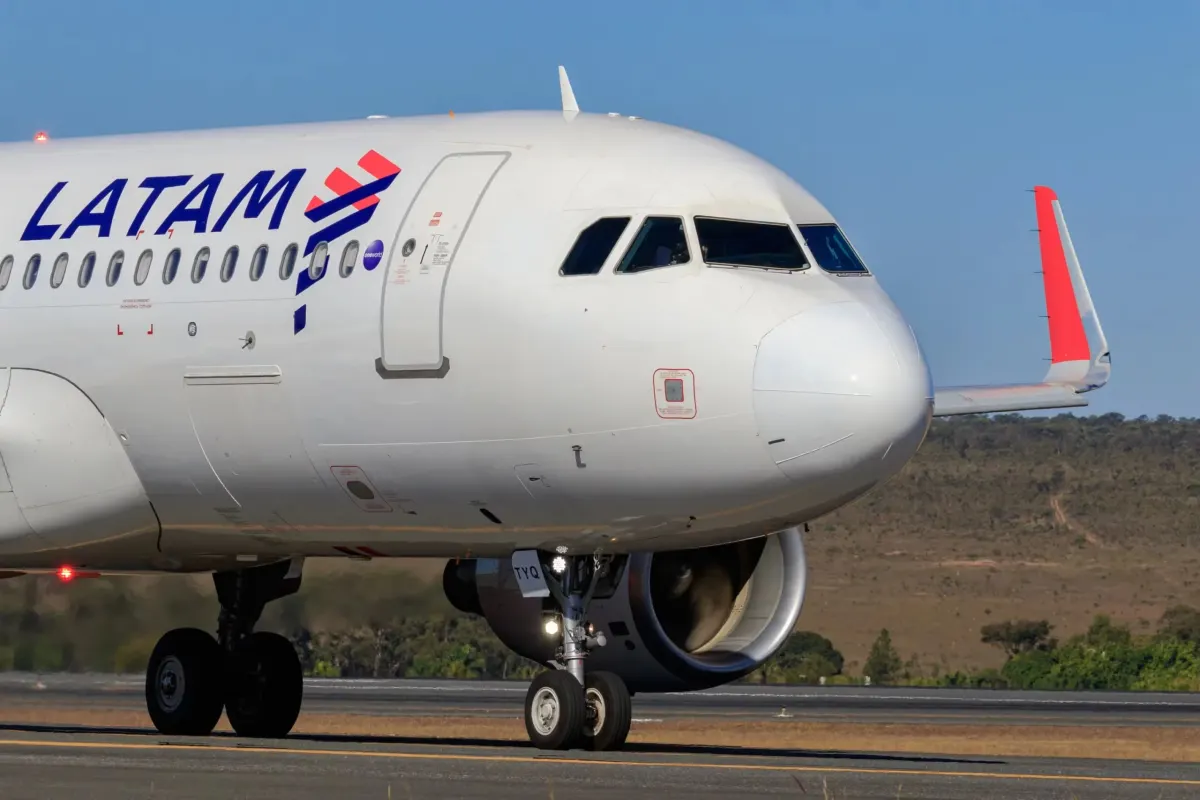
Following its successful Chapter 11 bankruptcy exit, LATAM Airlines is now led by a consortium of institutional investors, Delta, and Qatar Airways.
Key Takeaways
- •Sixth Street Partners leads with a 13.22% stake in LATAM.
- •Delta and Qatar Airways maintain strategic 10.5% equity stakes.
- •LATAM reported a record 19.8% operating margin in Q1 2026.
- •The airline targets a 410-aircraft fleet by the end of 2026.
The New Power Structure at LATAM
The LATAM Airlines Group has undergone a fundamental transformation in its corporate governance following a successful Chapter 11 bankruptcy exit in November 2022. The restructuring, which injected $8 billion into the carrier and reduced total debt by 35% ($3.6 billion), effectively diluted the influence of legacy shareholders. As of early 2026, the Cueto family, once the primary controllers of the airline, holds just a 5.29% stake, shifting the balance of power toward institutional creditors and strategic airline partners.
According to the LATAM Airlines Group Investor FAQs from March 2026, investment firm Sixth Street Partners has emerged as the largest single shareholder with a 13.22% equity position. This creditor-led structure is now the industry standard for major South American carriers that utilized U.S. bankruptcy courts to overhaul their balance sheets during the post-pandemic period.
Strategic Partnerships and Regulatory Approval
Beyond institutional investors, the airline's long-term strategy is anchored by two major international carriers. Delta Air Lines holds a 10.57% equity stake, while Qatar Airways maintains a 10.56% ownership interest. The partnership between Delta and LATAM is further cemented by a Joint Venture Agreement (JVA), which received final Antitrust Immunity (ATI) from the United States Department of Transportation (US DOT) in 2022. This US DOT regulatory framework allows the carriers to coordinate routes, schedules, and pricing, effectively reshaping the competitive landscape between North and South America.
While the partnership has bolstered LATAM's market position, it has faced scrutiny from labor groups. The Air Line Pilots Association (ALPA) has previously argued that the joint venture could disproportionately favor the South American carrier's growth, potentially impacting the expansion of international flying opportunities for U.S.-based pilots. Despite these concerns, the operational success of the agreement is evident in the airline's recent financial performance.
Financial Performance and Market Dominance
LATAM's post-restructuring trajectory has been marked by record-breaking profitability. In 2025, the group transported 87.4 million passengers and reported a full-year net income of $1.5 billion. The momentum continued into the first quarter of 2026, where the airline achieved an adjusted operating margin of 19.8%, the highest in its corporate history. This financial health has allowed the carrier to pivot from survival mode to aggressive fleet expansion.
This growth occurs in a volatile market environment. The creation of the Abra Group, which combines Avianca and Gol, represents a direct challenge to LATAM's dominant market share. However, LATAM's ability to maintain its strategic alliances while navigating the competitive landscape suggests a resilient business model.
Fleet Modernization and Growth Trajectory
LATAM is currently executing a significant fleet renewal program to support its network growth. The carrier expects to reach a total of 410 aircraft by the end of 2026. Key milestones include the introduction of Embraer E195-E2 aircraft in the fourth quarter of 2026, followed by the delivery of its first Airbus A321XLR aircraft in 2027. These additions are designed to optimize route efficiency and expand the airline's reach across both regional and long-haul markets.
Investors and regulators continue to monitor the airline's SEC EDGAR filings to track changes in equity distribution. As the airline moves further from its bankruptcy exit, the continued involvement of Sixth Street Partners and the strategic backing of Delta and Qatar Airways remain the primary pillars of its corporate control.
Frequently Asked Questions
- Who are the largest shareholders of LATAM Airlines Group as of 2026?
- As of March 2026, the largest shareholder is Sixth Street Partners with a 13.22% stake. Other major equity holders include Delta Air Lines at 10.57% and Qatar Airways at 10.56%.
- How did the Chapter 11 bankruptcy restructuring affect the Cueto family's control?
- The restructuring significantly diluted the Cueto family's influence, reducing their ownership stake to 5.29% as the company transitioned from a family-controlled entity to a creditor-led corporation.
- What is the purpose of the Delta-LATAM Joint Venture Agreement?
- The joint venture, granted antitrust immunity by the U.S. Department of Transportation, allows Delta and LATAM to coordinate flight schedules, pricing, and routes between North and South America to improve network efficiency.
For in-depth airline coverage and commercial aviation news, omniflights.com delivers timely industry insights. Discover how innovation is shaping aviation through aircraft systems, avionics, and digital tools at omniflights.com/technology.
Written by Hardik Vishwakarma
Co-Founder & Aviation News Editor leading initiatives that improve trust and visibility across the global aviation industry. Covers airlines, airports, safety, and emerging technology.
Visit ProfileYou Might Also Like
Discover more aviation news based on similar topics
Boeing Tightens Spending Ahead of Critical SPEEA Union Vote
Boeing has implemented spending controls and a hiring freeze as it faces a critical contract ratification vote with its 17,000-member engineering union.
Boeing CEO Kelly Ortberg Warns of 777X Certification Delay
Boeing CEO Kelly Ortberg warned that a potential strike by 17,000 engineers would immediately halt the 777X certification and production programs.
American and United Plan Capacity Cuts Amid Fuel Cost Surge
American and United are trimming flight schedules to offset a $1 billion fuel cost spike while maintaining strong pricing power.
Boeing CEO Reports 737 MAX Output Stabilization Delays
Boeing CEO Kelly Ortberg reports slower 737 MAX production stabilization, prompting a downward revision in 2026 free cash flow expectations to $2 billion.
Boeing Finalizes KAL Order, Salvages Turkish Airlines Deal
Boeing secured a $36.2 billion order from Korean Air Lines for 103 aircraft and nears a resolution on a 150-jet deal with Turkish Airlines.

Airbus Forecasts 42,000 New Jets Amid Strong Global Demand
Airbus expects 42,000 new aircraft deliveries globally by 2045, with 45% of demand concentrated in the Asia-Pacific region.