Virgin Australia Raises Fares Amid Middle East Cost Pressures

Co-Founder & CEOAviation News Editor delivering trusted coverage across the global aviation industry.
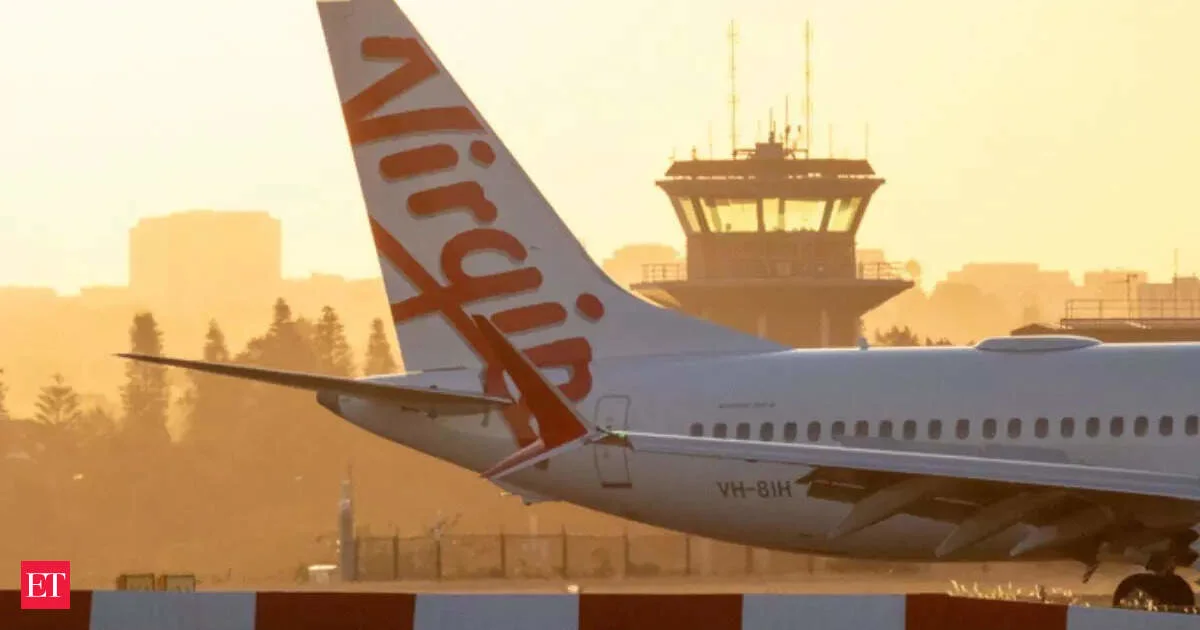
Virgin Australia is raising domestic fares by 5% and its stock has hit a record low due to rising costs exacerbated by Middle East flight disruptions.
Key Takeaways
- •Increases domestic airfares by 5% starting March 23, 2026, citing rising operational costs.
- •Sees its stock (ASX: VGN) fall 22% to a record low of A$2.42 amid market uncertainty.
- •Faces operational disruption as partner Qatar Airways cancels thousands of regional flights.
- •Cites above-inflation growth in airport charges and maintenance as key supply chain pressures.
Virgin Australia is implementing a 5% increase on its domestic airfares due to mounting operational costs, which the airline states have been significantly worsened by geopolitical tensions in the Middle East. The fare adjustment, effective March 23, 2026, comes as the carrier’s stock price hits a record low and its key partner, Qatar Airways, contends with widespread flight cancellations.
The decision reflects the immediate financial and operational impact of regional instability on global aviation networks. For passengers, it means higher domestic travel costs, while for investors, it signals significant market headwinds for the airline, which only relisted on the Australian Securities Exchange (ASX) in June 2025. The disruption to its partnership with Qatar Airways, which holds a 25% stake in Virgin Australia, also complicates its international connectivity.
Financial and Operational Pressures
According to a corporate statement, the fare hike is a direct response to persistent cost pressures. A Virgin Australia spokesperson confirmed the move, stating, "Costs across the aviation sector continue to rise, now significantly exacerbated by the situation in the Middle East." The airline also pointed to warnings from its H1 FY26 financial results about "costs growing above inflation in several areas of the aviation supply chain, including airport charges and maintenance."
Market reaction has been severe. According to ASX Market Data, shares in Virgin Australia Holdings Limited (ASX: VGN) fell to a record low of A$2.42, marking a 22% drop since the conflict in the Middle East escalated in late February 2026. This decline has eroded shareholder value and raised concerns about the airline's resilience to external shocks.
The operational impact is most evident in its partnership with Qatar Airways. Virgin Australia relies on a wet lease agreement, regulated by Australia's Civil Aviation Safety Authority (CASA), for its services to Doha. However, airspace closures and regional instability have forced the Gulf carrier to suspend these operations. According to Cirium Aviation Data, Qatar Airways has cancelled 2,479 of its 2,669 scheduled flights in the region. This has a direct effect on Virgin Australia's international network and codeshare arrangements. To mitigate some financial risks, Virgin Australia's H1 FY26 results show the airline has hedged 85% of its fuel and 94% of its foreign exchange for the second half of its financial year.
Industry Impact and Broader Context
The challenges facing Virgin Australia are symptomatic of broader industry trends. Geopolitical events are causing significant airspace disruption across the Middle East, with data showing over 52,000 flights were cancelled between February 28 and March 13, 2026, affecting an estimated 6 million passengers. This has created a ripple effect, impacting airline share prices globally. In Australia, while Virgin's stock fell 22%, rival Qantas saw a 9% drop in early March as markets reacted to fuel price volatility and capacity reductions.
This situation is reminiscent of previous geopolitical crises. In February 2022, the Ukraine airspace closure resulted in widespread rerouting of Europe-Asia flights, leading to a permanent increase in fuel burn and operational costs for many carriers. That precedent suggests the current cost pressures from Middle East airspace restrictions could become a long-term structural issue rather than a temporary spike. It also brings to mind Virgin Australia's historical vulnerability, having entered voluntary administration in April 2020 amid the COVID-19 crisis before its acquisition by Bain Capital.
Technical Analysis
The current situation demonstrates how rapidly geopolitical risk translates into tangible financial strain for airlines, even those with robust hedging strategies. While hedging protects against fuel price volatility, it cannot insulate an airline from the systemic costs of network disruption, including flight cancellations, rerouting, and the suspension of critical wet-lease partnerships. The fare increase represents a direct pass-through of these multifaceted risks to consumers.
The data suggests that the problem extends beyond fuel. Virgin Australia's explicit mention of above-inflation growth in airport charges and Maintenance, Repair, and Overhaul (MRO) costs indicates a structural supply chain problem. This development accelerates a trend seen since the pandemic, where key suppliers hold significant pricing power. The reliance on the Qatar Airways wet-lease agreement, while strategically sound for network expansion, has proven to be a point of vulnerability, highlighting the inherent risks in partnerships exposed to volatile regions.
What Comes Next
The immediate milestone is the implementation of the 5% domestic fare increase, which Virgin Australia has confirmed will take effect on March 23, 2026. Looking ahead, the airline and its passengers will be closely watching the situation in the Middle East for any signs of de-escalation that would allow for the resumption of flights. Based on current schedules, the suspended wet-lease services operated by Qatar Airways for Virgin Australia's Doha route are expected to potentially resume after March 28, 2026, though this remains subject to regional airspace safety and stability.
Why This Matters
This development underscores the fragile interconnectedness of the global aviation industry, where a regional conflict can directly influence domestic ticket prices on the other side of the world. For airlines, it is a stark reminder of the complex interplay between fuel hedging, supply chain inflation, and geopolitical risk management. For travelers, it signals that the era of stable, predictable airfares is increasingly challenged by global instability.
From airline operations to fleet updates, commercial aviation news lives at omniflights.com. Get the latest updates on major hubs, regional terminals, and airport operations via the Airports section at omniflights.com/airports.
Written by Hardik Vishwakarma
Co-Founder & Aviation News Editor leading initiatives that improve trust and visibility across the global aviation industry. Covers airlines, airports, safety, and emerging technology.
Visit ProfileYou Might Also Like
Discover more aviation news based on similar topics
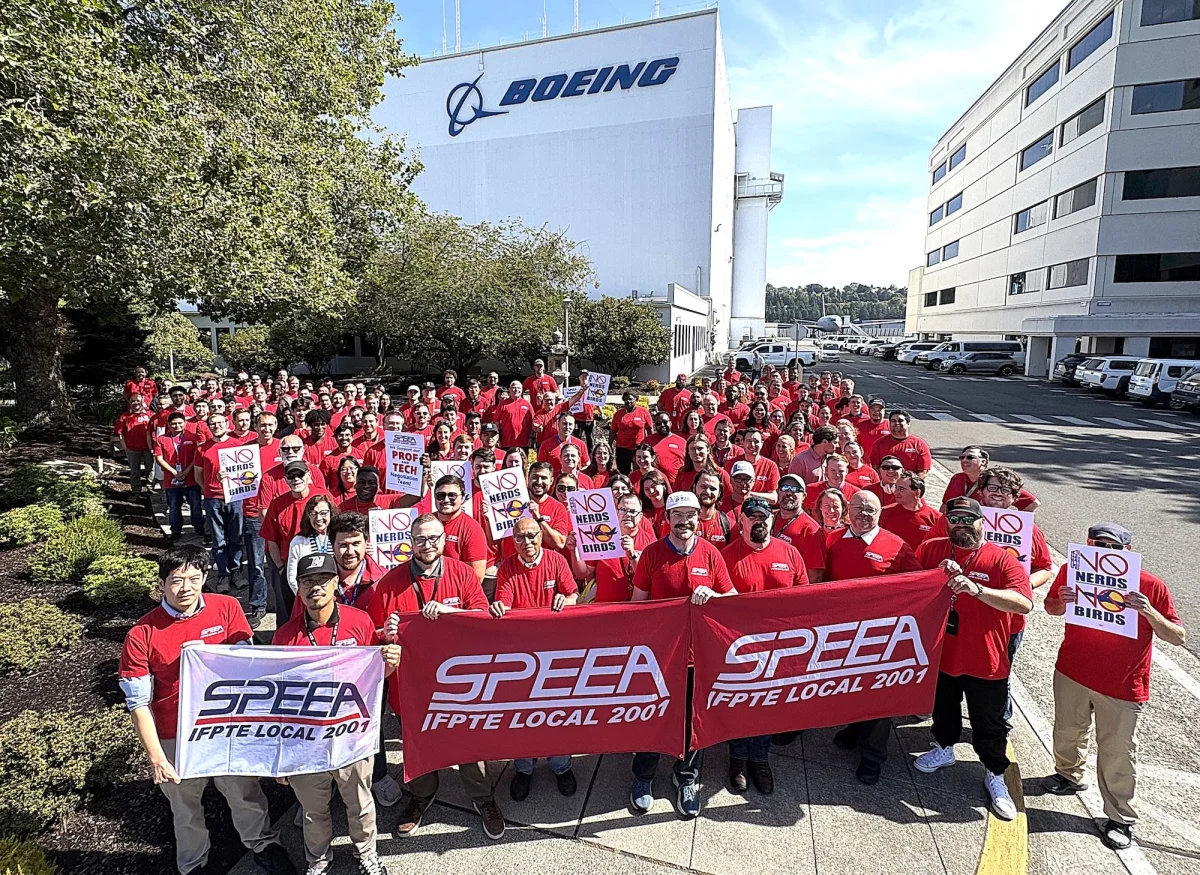
Boeing Tightens Spending Ahead of Critical SPEEA Union Vote
Boeing has implemented spending controls and a hiring freeze as it faces a critical contract ratification vote with its 17,000-member engineering union.

Boeing CEO Kelly Ortberg Warns of 777X Certification Delay
Boeing CEO Kelly Ortberg warned that a potential strike by 17,000 engineers would immediately halt the 777X certification and production programs.
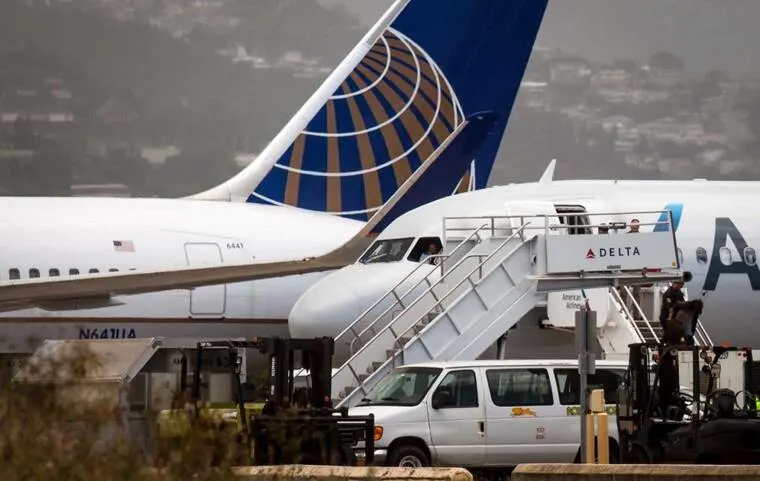
American and United Plan Capacity Cuts Amid Fuel Cost Surge
American and United are trimming flight schedules to offset a $1 billion fuel cost spike while maintaining strong pricing power.
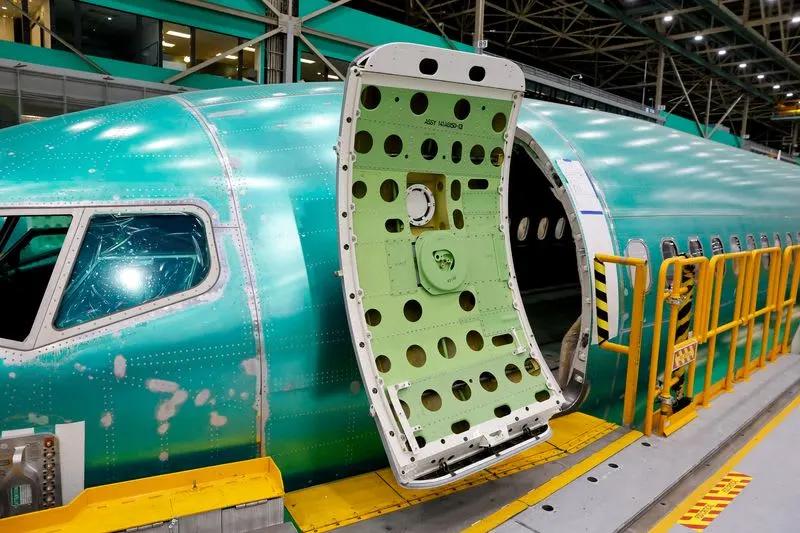
Boeing CEO Reports 737 MAX Output Stabilization Delays
Boeing CEO Kelly Ortberg reports slower 737 MAX production stabilization, prompting a downward revision in 2026 free cash flow expectations to $2 billion.
Boeing Finalizes KAL Order, Salvages Turkish Airlines Deal
Boeing secured a $36.2 billion order from Korean Air Lines for 103 aircraft and nears a resolution on a 150-jet deal with Turkish Airlines.

Airbus Forecasts 42,000 New Jets Amid Strong Global Demand
Airbus expects 42,000 new aircraft deliveries globally by 2045, with 45% of demand concentrated in the Asia-Pacific region.