Global Airlines Cut 2M Seats in May as Fuel Costs and Shortages Mount

Co-Founder & CEOAviation News Editor delivering trusted coverage across the global aviation industry.
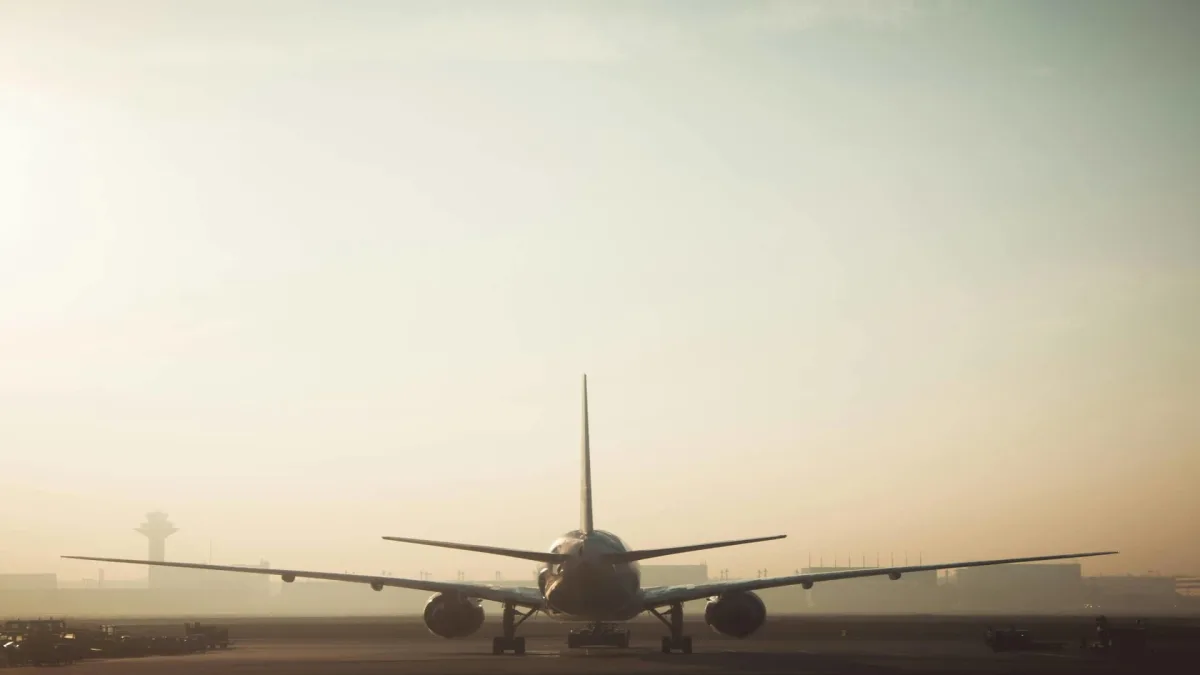
Global airlines cut 2 million seats from May schedules as surging jet fuel costs and availability fears, stemming from the Iran conflict, disrupt travel.
Key Takeaways
- •Cut 2 million passenger seats from global May 2026 schedules, canceling 12,000 flights.
- •Face a surge in jet fuel prices from $85-$90 to $150-$200 per barrel.
- •Implement emergency measures including aircraft down-gauging and route consolidation.
- •Prompt UK and EU regulators to consider airport slot waivers and mandatory fuel reserves.
Global airlines have removed 2 million passenger seats from their May 2026 schedules, a direct response to a severe jet fuel shortage and soaring prices following the recent conflict in Iran. This sharp capacity reduction, which includes the cancellation of over 12,000 flights, reflects a growing crisis across the industry as carriers scramble to conserve fuel and manage unsustainable operating costs.
According to schedule data from Cirium, the cuts have reduced total global seat capacity for May from 132 million to 130 million. The crisis stems from a dramatic spike in fuel prices, with the global benchmark for jet fuel surging from a stable $85-$90 per barrel to a volatile $150-$200 per barrel. This price shock is compounded by a physical supply crunch, particularly in Europe, where jet fuel stocks have reportedly fallen to their lowest levels since 2017.
Industry and Regulatory Response
Airlines are implementing a range of emergency measures to mitigate the impact. One key strategy is aircraft down-gauging, where larger aircraft are swapped for smaller, more fuel-efficient models on the same routes. For example, Etihad has reportedly replaced a 400-seat Airbus A350 with a Boeing 787, which seats between 220 and 300 passengers, on its Abu Dhabi to Hong Kong service. Major network carriers like Lufthansa are consolidating schedules, canceling less profitable short-haul flights to protect core long-haul connectivity through their hubs. For passengers, the impact is immediate, with airlines introducing a sixth round of fare hikes and increased fuel surcharges since the conflict began.
Regulators are also stepping in to prevent a complete collapse of network integrity. In the United Kingdom, the Department for Transport and the Civil Aviation Authority (CAA) have published draft regulations allowing airlines to cancel flights up to two weeks in advance without forfeiting their valuable airport slots. Rob Bishton, Chief Executive of the UK CAA, stated this flexibility would help airlines "protect connectivity while giving travellers time to re-plan." Similarly, the European Commission is considering the introduction of mandatory aviation fuel reserves for member states to better withstand future supply shocks. Some nations have already taken drastic steps, with the Civil Aviation Authority of Vietnam introducing direct jet fuel rationing.
Context and Historical Precedents
The current crisis presents a dual threat of both extreme price volatility and physical shortages, a combination that has historical parallels. The situation is reminiscent of the 1973 Oil Crisis, when a physical fuel embargo forced airlines to slash schedules and ground older, inefficient aircraft. That crisis accelerated the industry's shift toward more efficient twin-engine jets.
More recently, the 2008 oil price spike saw jet fuel reach record highs, leading to a wave of bankruptcies, particularly among Low-Cost Carriers (LCCs) with thin margins, and the widespread adoption of ancillary fees like baggage charges to offset fuel costs. The current environment, with both price and supply in question, combines the worst aspects of these past events. Aviation analyst John Strickland highlighted the unprecedented nature of the current challenge, stating, "Jet fuel pricing has always been intermittent, but I don't think in my time there has ever been the question of shortages."
Technical Analysis
This development underscores the global aviation industry's acute vulnerability to geopolitical events in the Strait of Hormuz, a critical chokepoint for energy supplies. The immediate and deep capacity cuts indicate that many airlines were either under-hedged or that their hedging strategies were insufficient to protect against a price shock of this magnitude and speed. The crisis is likely to accelerate a structural shift in fleet strategy, further increasing the value premium on new-generation, fuel-efficient aircraft like the A320neo and 737 MAX families. For LCCs, which often operate with minimal or no fuel hedging, the doubling of their single largest cost item presents an existential threat, as evidenced by the recent liquidation of Spirit Airlines. The regulatory response, particularly the move toward slot waivers, signals a pivot from post-pandemic recovery incentives to active crisis management, acknowledging that the network is under severe strain.
What Comes Next
The industry is bracing for continued disruption through the summer season. The UK's airport slot waivers are expected to be implemented throughout May 2026, providing immediate relief for carriers operating out of congested airports like London Heathrow. A decision from the European Union on mandatory fuel reserves is anticipated by mid-2026, which could reshape fuel purchasing and storage strategies across the continent. In the near term, Lufthansa has confirmed it will publish a revised, consolidated summer schedule in early May, which will provide a clearer picture of the impact on the European network.
Why This Matters
This fuel crisis is more than a temporary spike in operating costs; it represents a fundamental threat to the global aviation network's stability and affordability. It exposes the fragility of the jet fuel supply chain and forces a rapid, painful adjustment for airlines, airports, and travelers alike. The event will likely trigger a strategic reassessment of fuel hedging, network planning, and fleet composition, with long-term consequences for airline profitability and the cost of air travel.
Frequently Asked Questions
- Why did airlines cancel so many flights in May 2026?
- Airlines cut two million seats and cancelled over 12,000 flights globally due to a severe jet fuel shortage and a price surge to $150-$200 per barrel. These actions were necessary to conserve fuel and manage extreme operational costs following the conflict in Iran.
- How are regulators responding to the airline fuel crisis?
- Regulators are providing operational flexibility to airlines. The UK's Civil Aviation Authority is allowing carriers to cancel flights without losing their airport slots, while the European Union is considering implementing mandatory fuel reserves for member states to mitigate supply shocks.
- What does aircraft down-gauging mean for airlines?
- Aircraft down-gauging is a strategy where airlines replace a larger aircraft with a smaller, more fuel-efficient one on a specific route. For example, swapping a 400-seat Airbus A350 for a 300-seat Boeing 787 allows the airline to maintain the route connection while burning significantly less fuel per flight.
For global airline trends and commercial aviation news, turn to omniflights.com. Follow aviation sustainability efforts, emissions research, and green initiatives in the Environmental section at omniflights.com/environmental.
Written by Hardik Vishwakarma
Co-Founder & Aviation News Editor leading initiatives that improve trust and visibility across the global aviation industry. Covers airlines, airports, safety, and emerging technology.
Visit ProfileYou Might Also Like
Discover more aviation news based on similar topics
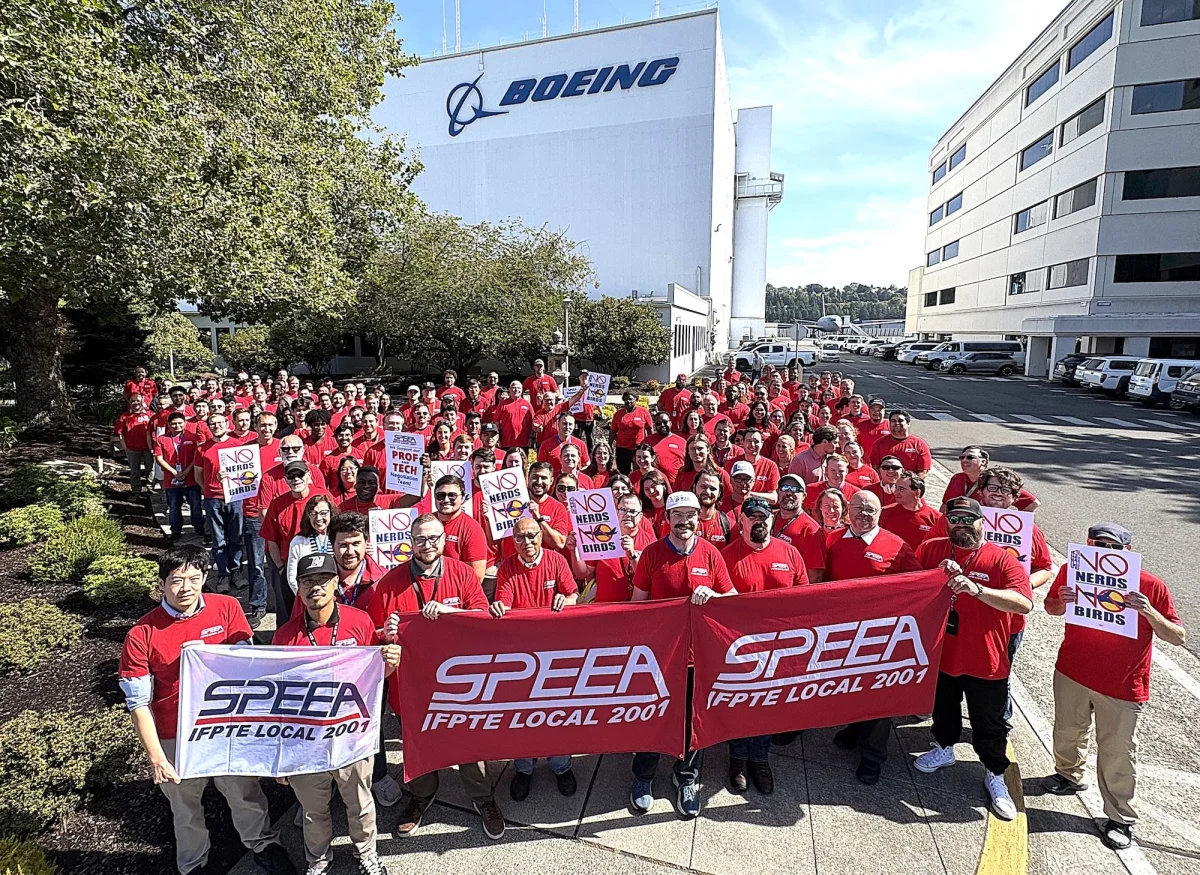
Boeing Tightens Spending Ahead of Critical SPEEA Union Vote
Boeing has implemented spending controls and a hiring freeze as it faces a critical contract ratification vote with its 17,000-member engineering union.
Boeing CEO Kelly Ortberg Warns of 777X Certification Delay
Boeing CEO Kelly Ortberg warned that a potential strike by 17,000 engineers would immediately halt the 777X certification and production programs.
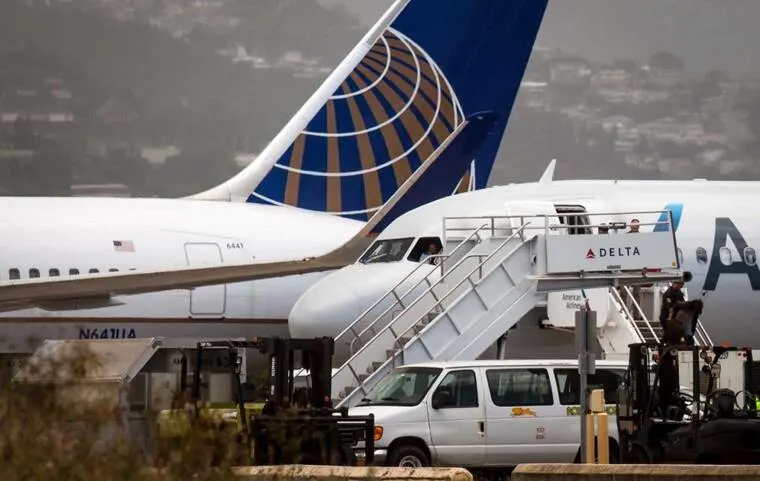
American and United Plan Capacity Cuts Amid Fuel Cost Surge
American and United are trimming flight schedules to offset a $1 billion fuel cost spike while maintaining strong pricing power.
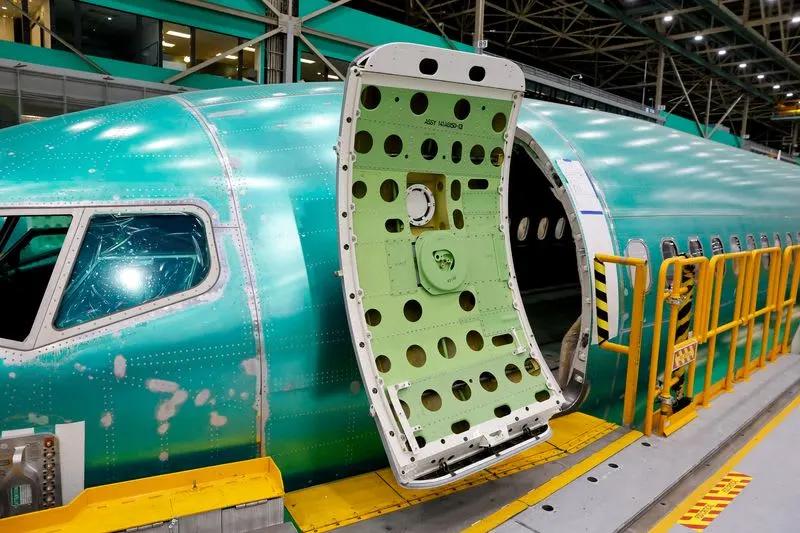
Boeing CEO Reports 737 MAX Output Stabilization Delays
Boeing CEO Kelly Ortberg reports slower 737 MAX production stabilization, prompting a downward revision in 2026 free cash flow expectations to $2 billion.
Boeing Finalizes KAL Order, Salvages Turkish Airlines Deal
Boeing secured a $36.2 billion order from Korean Air Lines for 103 aircraft and nears a resolution on a 150-jet deal with Turkish Airlines.
Airbus Forecasts 42,000 New Jets Amid Strong Global Demand
Airbus expects 42,000 new aircraft deliveries globally by 2045, with 45% of demand concentrated in the Asia-Pacific region.