Viral ORD Video Accelerates Airline Push for Baggage Automation

Co-Founder & CEOAviation News Editor delivering trusted coverage across the global aviation industry.
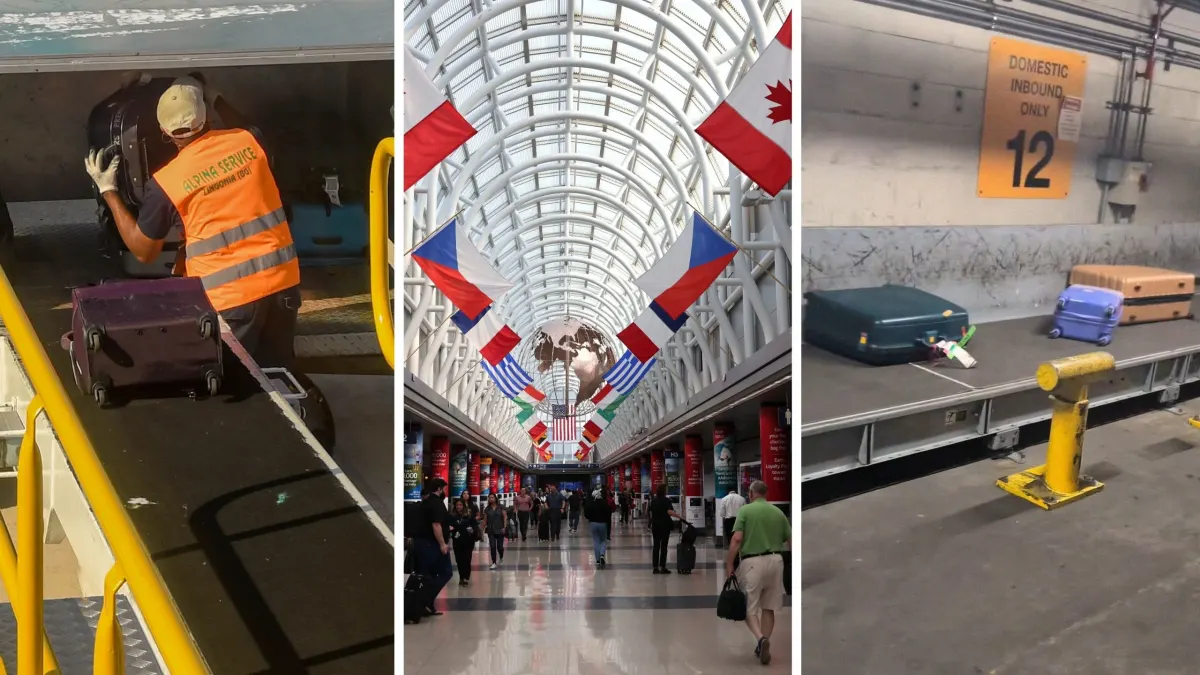
A viral video of baggage handling at ORD is accelerating airline investment in automation as the industry grapples with mishandling costs and transparency.
Key Takeaways
- •Highlights systemic baggage handling challenges costing the industry $5 billion annually.
- •Accelerates airline investment in AI routing and autonomous loading systems.
- •Follows similar viral incidents involving Qantas (2022) and Hawaiian Airlines (2018).
- •Signals a shift toward greater automation, with 65% of airports expected to have biometric bag drops by 2027.
A viral video depicting baggage handling practices at Chicago O'Hare International Airport (ORD) has intensified public scrutiny on airline ground operations, accelerating an industry-wide push toward automation. The incident highlights the persistent challenges in a logistics chain that costs airlines an estimated $5 billion annually due to mishandled luggage, according to the SITA Baggage IT Insights 2025 report.
The video, which circulated widely on social media, underscores a critical vulnerability for airlines: the reputational damage and loss of passenger confidence resulting from the exposure of manual handling processes. This is not an isolated issue but rather a catalyst for strategic investments in technology designed to improve efficiency, reduce costs, and meet rising consumer expectations for transparency in baggage tracking.
The Scale of the Challenge
The volume of luggage processed daily is immense. Delta Air Lines, for example, handles over 110,000 checked bags daily at its Hartsfield-Jackson Atlanta International Airport (ATL) hub during peak periods. Across the United States, the Transportation Security Administration (TSA) inspects approximately 1.3 million checked bags each day. Despite the scale, the industry has made progress in reducing errors. The global mishandled baggage rate was 6.3 bags per 1,000 passengers in 2024, a significant improvement over previous decades, according to SITA.
To further improve these metrics, the International Air Transport Association (IATA) implemented Resolution 753. This regulation mandates that member airlines track baggage at four key points in its journey: acceptance at check-in, loading onto the aircraft, transfer between flights, and arrival for reclaim. This framework is foundational to the modern, automated Baggage Handling System (BHS) that forms the backbone of airport logistics.
Industry Response and Automation Trends
This is not the first time a viral video has forced the industry to confront its baggage handling practices. In December 2022, Qantas baggage handlers were suspended after a video showed them forcefully throwing luggage, prompting an internal investigation. A similar incident involving a Hawaiian Airlines employee in May 2018 resulted in disciplinary action and a public apology. The recurrence of these events demonstrates a persistent pattern where public perception forces airlines to accelerate modernization efforts.
In response, major carriers are making substantial capital investments. Delta has invested $110 million in its ATL baggage infrastructure, deploying an AI-powered routing system known as 'Baggage AI'. The carrier also trialed autonomous bag tugs, which logged over 4,000 miles with zero safety incidents. This move toward automation directly addresses the physical demands placed on human workers, a point frequently raised by aviation labor unions who cite understaffing and tight turnaround times as contributing factors to rough handling.
For airlines, the impact of these viral moments is severe, forcing unplanned capital expenditure to mitigate reputational risk. Conversely, for BHS manufacturers, it creates a surge in demand for automated solutions. According to SITA, 65% of airports plan to implement advanced self-service and biometric bag drops by 2027. However, airport operators note that the high cost and logistical complexity of retrofitting older terminals can make full automation unfeasible in the short term.
What Comes Next
The industry's trajectory is clearly pointed toward greater automation and real-time tracking. Delta Air Lines has confirmed it will expand its 'Baggage AI' routing system to additional hubs in 2026. Looking further ahead, the industry is expected to reach a key milestone in 2027, when SITA projects that 65% of airports globally will have rolled out biometric self-service bag drop capabilities. This aligns with a broader trend of integrating consumer technology, like Apple AirTags, into airline tracking systems to provide passengers with the transparency they now expect.
As SITA CEO David Lavorel noted, passengers increasingly expect their baggage experience to be "as easy and transparent as using a rideshare or delivery app." This shift in expectation is the primary driver compelling airlines to adopt technologies that can provide end-to-end visibility.
Why This Matters
The viral video from Chicago O'Hare is more than a momentary public relations issue; it is a clear signal of the growing pressure on airlines to overhaul a fundamental component of their operation. The incident accelerates the transition from labor-intensive manual processes to technologically advanced, automated systems. For passengers, this shift promises greater reliability and transparency, while for the industry, it represents a necessary, albeit costly, evolution to maintain public trust and operational integrity in the digital age.
omniflights.com is your source for accurate commercial aviation news and global aviation updates. Track policy changes, airspace rules, and global aviation governance in the Regulatory category at omniflights.com/regulatory.
Written by Hardik Vishwakarma
Co-Founder & Aviation News Editor leading initiatives that improve trust and visibility across the global aviation industry. Covers airlines, airports, safety, and emerging technology.
Visit ProfileYou Might Also Like
Discover more aviation news based on similar topics
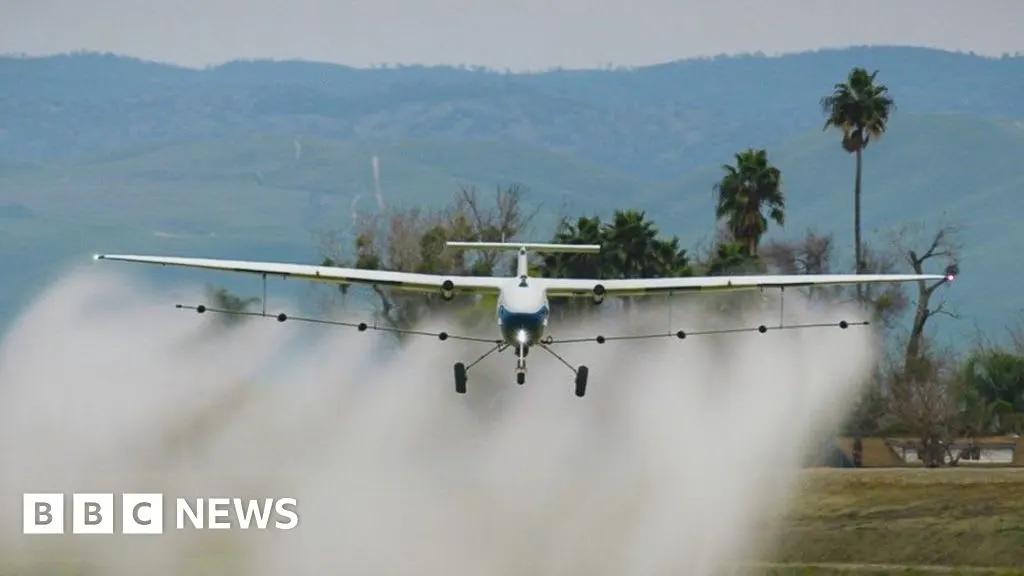
Autonomous Fixed-Wing Aircraft Development Gains Momentum
Start-ups are advancing autonomous fixed-wing aircraft for agricultural and cargo tasks, aiming to prove safety before pursuing passenger operations.
Boeing 787-9 Completes Short Inlet Tests in Montana
Boeing completed 52 hours of flight tests on a 787-9 with an experimental 30% shorter engine inlet to evaluate noise and fuel efficiency.
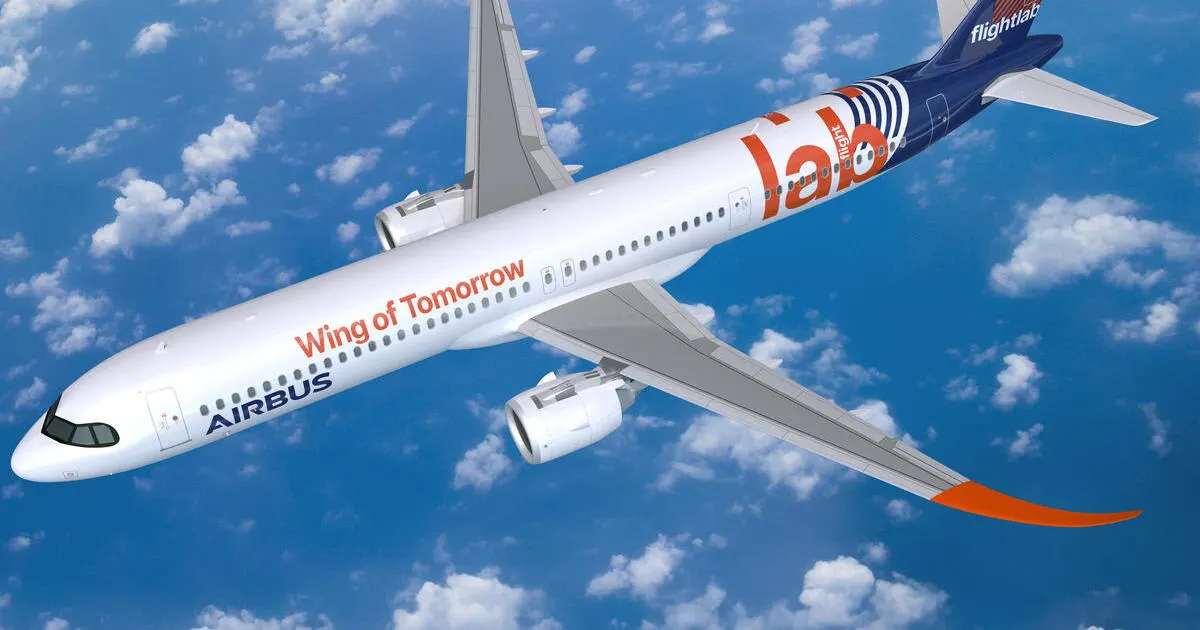
Airbus A321neo to Test Folding Wings of Tomorrow Project
Airbus launched a three-year flight-test campaign using an A321neo to evaluate folding wings that extend up to five meters.
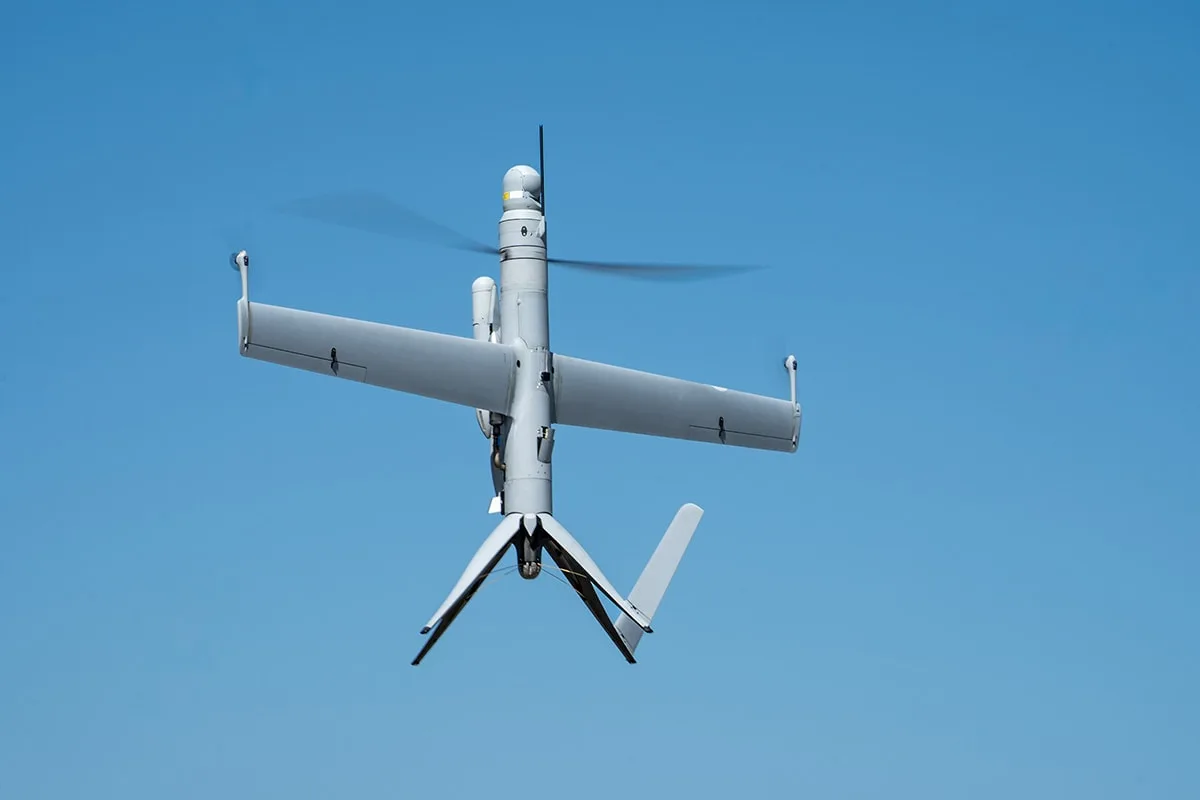
Voyageur Orders Canada's First Airbus U030 Flexrotor
Voyageur Aviation ordered Canada's first Airbus U030 Flexrotor, a 25 kg tactical drone, to expand its maritime and Arctic surveillance capabilities.
LATAM Selects SES Multi-Orbit Wi-Fi for 60+ New Jets
LATAM Airlines signed a multi-year deal with SES to equip more than 60 incoming Airbus and Embraer aircraft with multi-orbit satellite Wi-Fi.
Lufthansa 787-9 Tests Tech to Cut Fuel and Noise
Boeing, Lufthansa, and Rolls-Royce partnered to test emissions-reducing technologies on a 787-9, targeting a 20% fuel efficiency improvement.