Vietnam Airlines Suspends Domestic Routes Amid Jet Fuel Shortage Warning

Co-Founder & CEOAviation News Editor delivering trusted coverage across the global aviation industry.
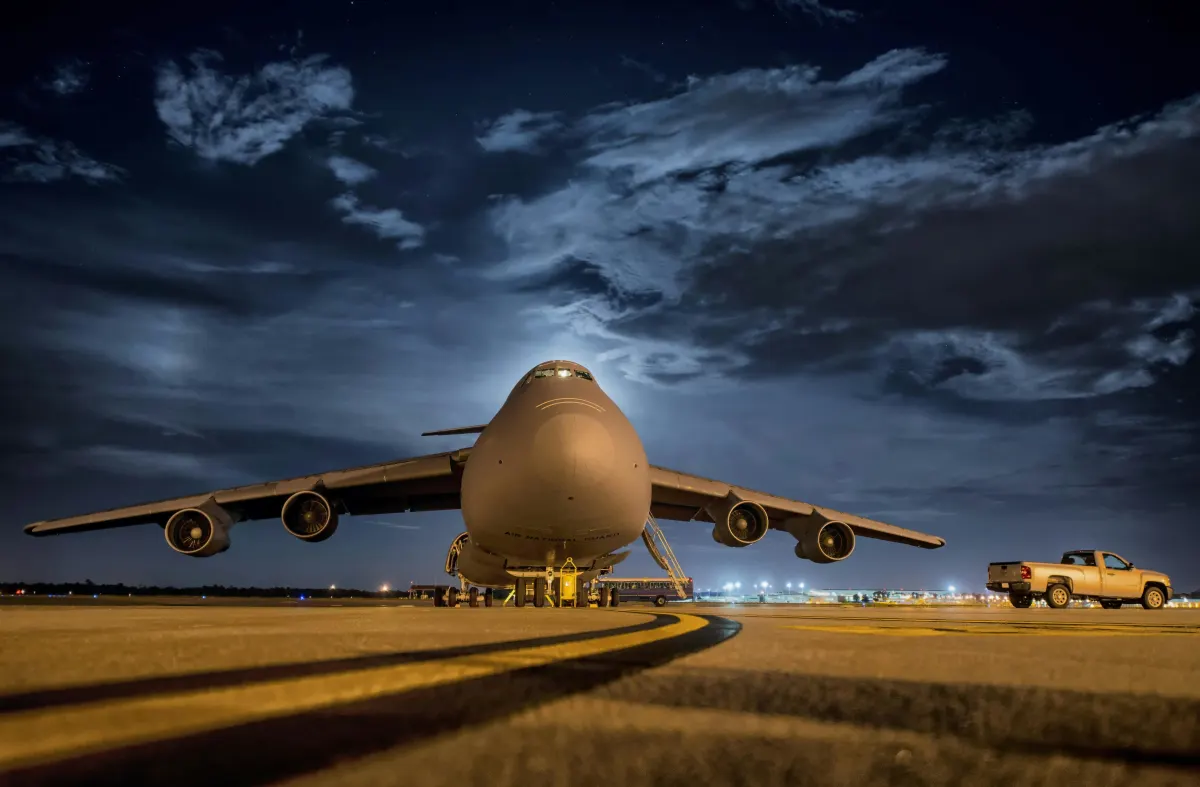
Vietnam Airlines is suspending 23 weekly domestic flights from April 1 due to a potential jet fuel shortage warning from the country's aviation authority.
Key Takeaways
- •Suspends 23 weekly domestic flights starting April 1, 2026, due to fuel shortages.
- •Follows a Civil Aviation Authority of Vietnam warning of supply risks from April.
- •Faces soaring Jet A-1 fuel costs, which rose 13.1% daily to $227.4 per barrel.
- •Prompts other Vietnamese carriers to plan fuel surcharges on international routes.
National flag carrier Vietnam Airlines will temporarily suspend 23 flights per week on several lower-demand domestic routes starting April 1, 2026. The decision follows a stark warning from the Civil Aviation Authority of Vietnam (CAAV) about a potential jet fuel shortage driven by global supply chain disruptions.
The flight cuts are part of a broader strategy to reallocate limited resources to trunk routes and key transport corridors essential for national connectivity, trade, and tourism. This operational adjustment underscores the vulnerability of Vietnam's aviation market to external energy shocks, as the country imports more than two-thirds of its aviation fuel. The move directly impacts services from the northern port city of Hai Phong and the southern hub of Ho Chi Minh City to various provincial destinations.
Fuel Supply Crisis
The supply crunch stems from significant geopolitical and market pressures. The CAAV officially warned the Transport Ministry of "risks of jet fuel shortages for Vietnamese airlines from the beginning of April and the following months." This alert was triggered by a halt in exports from China and Thailand, which historically supplied approximately 60% of Vietnam's jet fuel needs. The disruption is linked to the ongoing conflict in the Middle East, which has tightened the global market for refined petroleum products.
The financial impact is severe. According to the CAAV, the price for Jet A-1 fuel imported from Singapore surged to US$227.4 per barrel, a 13.1% single-day increase. An unnamed airline representative stated to local media, "If it is only a matter of higher prices, airlines can adjust fares or costs, but a real fuel shortage would directly affect operations." To mitigate the financial strain, the Vietnam Ministry of Finance has proposed halving the environmental protection tax on aviation fuel from 1,500 dong to 1,000 dong per litre.
Industry-Wide Impact
The fuel shortage is not limited to the flag carrier. Other domestic airlines, including budget operators VietJet and Bamboo Airways, are also preparing contingency plans. These measures include reviewing flight schedules, reducing frequencies on certain routes, and preparing to impose fuel surcharges on international services starting in early April. The price of jet fuel in Asia has risen by approximately 80%, forcing carriers to pass on the escalating costs.
This situation has a cascading effect on the wider aviation ecosystem. The CAAV has instructed airport operators to prepare additional parking spaces for grounded aircraft, which will likely lead to a reduction in landing fee revenues. The domestic tourism industry also faces a significant impact, with reduced connectivity to popular destinations such as Buon Ma Thuot, Phu Quoc, and Dien Bien potentially deterring travel. In response to the crisis, Bamboo Airways has publicly called on the government to provide more robust support, advocating for further tax reductions on aviation fuel.
Historical Context and Analysis
The current crisis in Vietnam echoes previous global energy shocks that have profoundly impacted the aviation industry. During the 1973 Oil Crisis, a geopolitical conflict in the Middle East led to severe fuel shortages and price spikes, forcing airlines worldwide to slash schedules and retire inefficient aircraft. Similarly, the 2022 Russian airspace closures following the invasion of Ukraine disrupted global energy supply chains, leading to soaring Jet A-1 prices and widespread fuel surcharges. In both historical precedents, geopolitical events translated directly into immediate and costly operational adjustments for airlines, a pattern repeating now in Vietnam's domestic market.
This development indicates a critical vulnerability in Southeast Asia's aviation supply chain. The region's heavy reliance on imported refined fuels means that distant conflicts can rapidly constrain local operations. The response—prioritizing essential routes while cutting secondary ones—is a classic airline contingency strategy, but it highlights the fragility of network expansions undertaken in more stable energy markets. The situation forces a re-evaluation of route profitability and strategic planning based on fuel supply security, not just passenger demand. Further details on the CAAV's initial warning have been covered by industry press like Aviation Week.
What Comes Next
The flight suspensions by Vietnam Airlines are confirmed to begin on April 1, 2026. On the same date, other carriers are expected to implement fuel surcharges on international flights. The immediate future of fuel availability remains uncertain. According to the CAAV, guaranteed jet fuel supplies from Vietnam's primary importers, Petrolimex and Skypec, were only secure through the end of March 2026. The regulator is now working with ministries and fuel suppliers to find alternative sources and ensure sufficient supply for the coming months, but a clear long-term solution has not yet been announced.
Why This Matters
This flight suspension is more than a temporary schedule adjustment; it is a clear signal of how global energy market volatility and geopolitical conflicts can directly ground regional air travel. For Vietnam's rapidly growing aviation sector, it represents a significant operational and financial challenge, potentially slowing its post-pandemic recovery. The crisis forces airlines and regulators to prioritize supply chain resilience and may lead to more conservative network planning and higher travel costs for passengers in the near future.
Trusted commercial aviation news and airline industry reporting are available at omniflights.com. Follow aviation sustainability efforts, emissions research, and green initiatives in the Environmental section at omniflights.com/environmental.
Written by Hardik Vishwakarma
Co-Founder & Aviation News Editor leading initiatives that improve trust and visibility across the global aviation industry. Covers airlines, airports, safety, and emerging technology.
Visit ProfileYou Might Also Like
Discover more aviation news based on similar topics

Flydubai Upgrading 21 Boeing 737 MAX 8s to Flat Bed Seats
Flydubai is retrofitting 21 Boeing 737 MAX 8 aircraft with lie-flat business class seats to standardize its premium product by late 2027.
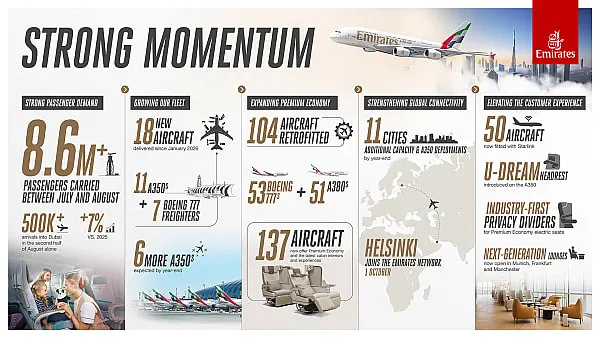
Emirates Winter Booking Momentum Grows Amid Fleet Expansion
Emirates carried 8.6 million passengers this summer and enters winter with strong demand as it accelerates fleet retrofits and network growth.
Air Arabia Consortium Gains AOC for New Dammam Budget Airline
A Saudi GACA-led consortium including Air Arabia has secured an AOC to launch a new budget airline based at Dammam's King Fahd International Airport.
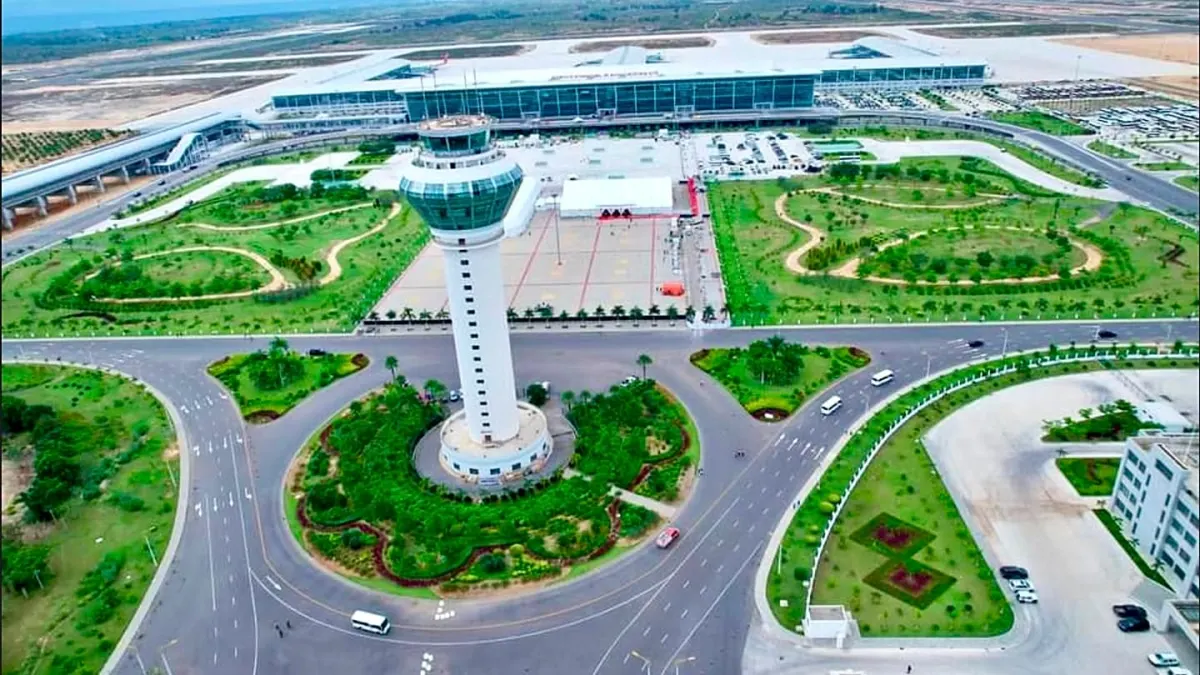
Turkish Airlines Exits Luanda as Angola Hub Struggles
Turkish Airlines dropped its Luanda route as Angola's new airport struggles to attract traffic, handling only 756,028 passengers in 2025.

Red Sea Airlines Leases Two 737 MAX 8s for 2027 Expansion
Red Sea Airlines signed a lease for two Boeing 737 MAX 8 aircraft from SMBC Aviation Capital, arriving in 2027 to support its 14-aircraft fleet goal.
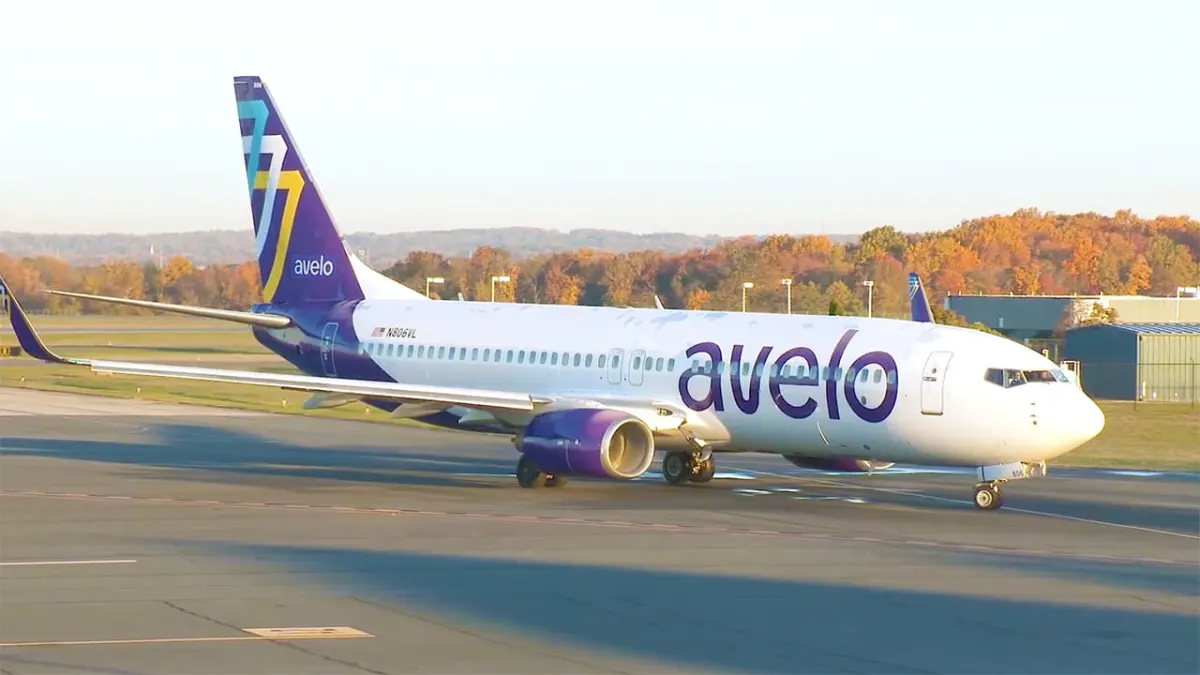
Avelo CEO Warns Airfares May Rise on Jet Fuel Price Spikes
Avelo Airlines CEO Andrew Levy warns that rising fuel costs may force fare increases as global jet fuel prices reach $171.01 per barrel.