American Airlines Cuts A321XLR Order, Sells $1.14B Bonds

Co-Founder & CEOAviation News Editor delivering trusted coverage across the global aviation industry.
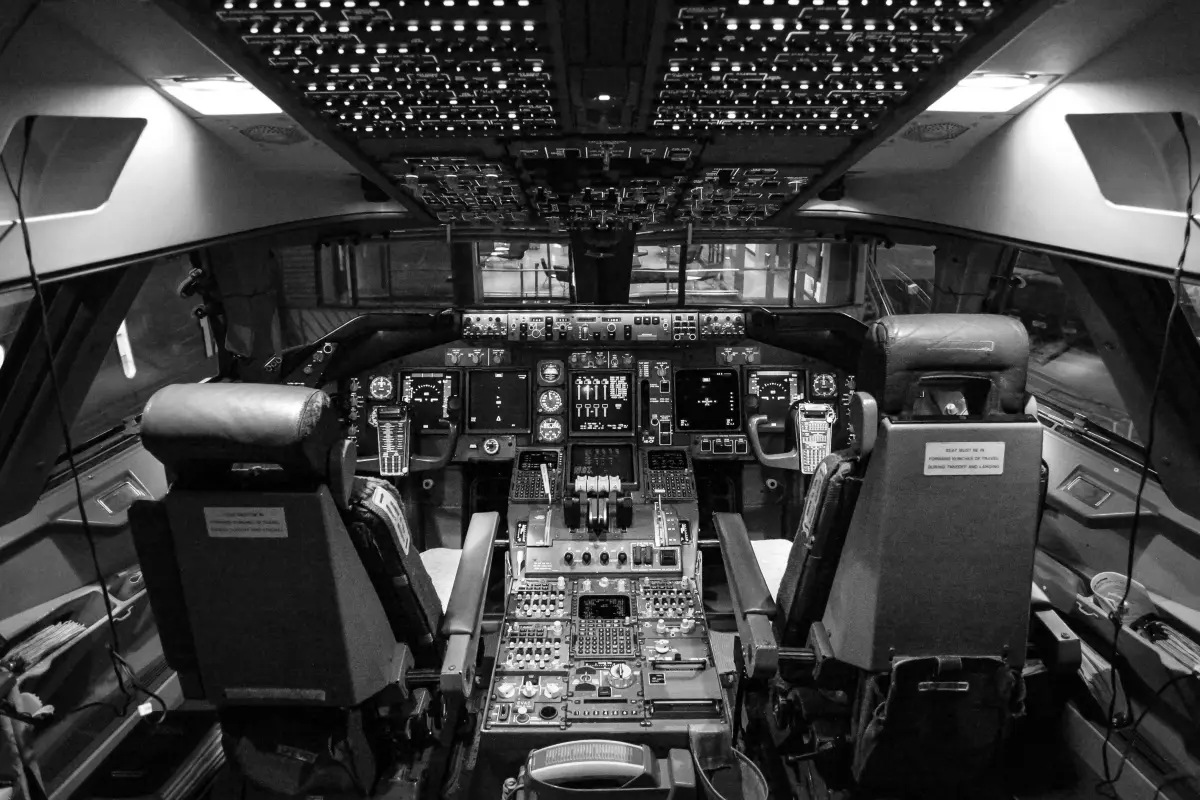
American Airlines has reduced its Airbus A321XLR order from 50 to 40 aircraft while issuing $1.14 billion in bonds to finance other fleet updates.
Key Takeaways
- •American Airlines cuts its Airbus A321XLR order from 50 to 40 aircraft.
- •Airline issues $1.14 billion in bonds to fund 17 new jets and refinance 15.
- •The move reflects a strategic recalibration of its long-range narrowbody fleet.
- •First A321XLR deliveries and international route launches are expected in 2026.
American Airlines is adjusting its long-range fleet strategy, confirming an American Airlines A321XLR order reduction from 50 to 40 aircraft. The move coincides with a significant capital raise, as the carrier also announced a new American Airlines bond sale totaling $1.14 billion. This Airbus A321XLR order reduction reflects a broader industry trend of recalibrating fleet plans to match post-pandemic route economics and capital discipline.
The financing, structured as an Enhanced Equipment Trust Certificate (EETC), will not fund the A321XLRs but is instead earmarked for the purchase of 17 other new aircraft and the refinancing of loans on 15 existing jets. This strategy allows the airline to continue its fleet modernization program while preserving corporate liquidity, a common tactic in the capital-intensive airline industry.
Fleet and Financing Details
According to statements made during its Q4 2025 earnings call, American Airlines has formally adjusted its commitment for the Airbus A321 Extra Long Range (A321XLR). The reduction of 10 airframes removes a notable number of high-value, long-range narrowbody aircraft from Airbus's order book.
The concurrent $1.14 billion bond issuance was detailed in a prospectus supplement filed with the U.S. Securities and Exchange Commission (SEC). These EETCs are a form of aircraft-backed debt, secured by a pool of 32 aircraft, which makes them an attractive investment for institutional buyers. The proceeds provide American with the capital to take delivery of 17 new aircraft without a significant upfront cash expenditure. The financing also allows the airline to restructure debt on 15 existing airframes, optimizing its balance sheet.
This dual-pronged approach—trimming a specialized, long-range order while securing financing for more conventional fleet renewal—highlights a strategic pivot. Airlines are increasingly scrutinizing niche aircraft capabilities against the operational flexibility and proven economics of standard narrowbodies like the Boeing 737 MAX and Airbus A321neo.
Strategic Rationale and Industry Context
The decision aligns with a wider industry trend of narrowbody fleet recalibration. While the A321XLR offers unique capabilities for long, thin routes, carriers are carefully weighing its premium cost and operational complexity against more versatile aircraft. Delivery delays and changing international demand patterns have prompted several airlines to reconsider the size of their long-range narrowbody commitments.
During the earnings call, American Airlines CFO Devon May confirmed the airline has 40 A321XLRs remaining on order and still expects to take delivery of 10 in 2026. An airline spokesperson emphasized that American remains committed to offering top-tier long-haul products, framing the order change as a recalibration rather than an abandonment of the type. This suggests the airline is right-sizing the fleet to match the most profitable and strategically sound routes for the aircraft's specific mission profile.
The reliance on EETCs is also consistent with historical patterns. American Airlines previously used aircraft-backed bonds to raise liquidity during the 2020 pandemic, demonstrating a long-standing strategy of leveraging its fleet assets to manage capital. This approach is common among legacy carriers, which often carry higher debt loads than their low-cost competitors.
Stakeholder and Market Impact
The order adjustment has direct consequences for several key stakeholders. For Airbus, the loss of 10 A321XLR orders represents a reduction in its backlog for a high-demand, high-margin aircraft. Engine manufacturer CFM International will also see a corresponding decrease in orders for its LEAP-1A engines. Conversely, the successful bond sale is a positive signal for institutional bond investors, who absorbed the $1.14 billion in new debt, indicating continued confidence in American's assets as collateral.
However, some financial market analysts have raised concerns. The bond issuance adds to American's significant debt load, a point of contrast with less-leveraged competitors. Furthermore, some aviation strategy consultants interpret the order reduction as a signal that the point-to-point, long-haul business case for the A321XLR may not be as universally strong as initially projected.
A321XLR vs. Key Narrowbodies
To understand American's fleet decisions, it is useful to compare the A321XLR's specifications against other key narrowbody aircraft in its fleet.
Airbus A321XLR vs. Boeing 737 MAX 8
| Metric | Airbus A321XLR | Boeing 737 MAX 8 |
|---|---|---|
| Range | 4,700 nm | 3,500 nm |
| Capacity (AA Config) | 155 seats | 172 seats |
| MTOW | 101 tonnes | 82.2 tonnes |
Airbus A321XLR vs. Airbus A321neo
| Metric | Airbus A321XLR | Airbus A321neo |
|---|---|---|
| Range | 4,700 nm | 4,000 nm |
| MTOW | 101 tonnes | 97 tonnes |
| Fuel Capacity | Includes extra Rear Centre Tank (RCT) | standard tanks |
What Comes Next
Despite the order reduction, American Airlines is moving forward with integrating the A321XLR into its fleet. The airline confirmed that the delivery of its remaining 40 aircraft is scheduled to occur between 2026 and 2032. The first international routes utilizing the new aircraft are expected to launch in the first half of 2026, pending final delivery schedules from Airbus and regulatory approvals. These routes are anticipated to open new, non-stop connections from U.S. hubs to secondary European cities that cannot sustain widebody service.
Why This Matters
This development provides a clear window into the strategic pressures shaping modern airline fleets. It demonstrates that even the most anticipated new aircraft are subject to rigorous financial scrutiny and network adjustments. For airlines, the decision highlights a disciplined approach to capital allocation, balancing the allure of new route capabilities with the financial realities of debt and liquidity. For the broader industry, it signals a mature and cautious market for specialized long-range narrowbodies.
Frequently Asked Questions
- Why did American Airlines reduce its Airbus A321XLR order?
- American Airlines reduced its A321XLR order from 50 to 40 aircraft as part of a strategic recalibration of its fleet. This decision allows the airline to better match its aircraft capabilities with specific route economics and maintain capital discipline.
- How is American Airlines financing its new aircraft?
- American Airlines issued $1.14 billion in aircraft-backed bonds, known as Enhanced Equipment Trust Certificates (EETCs). The proceeds will be used to purchase 17 new aircraft and to refinance existing loans on 15 other jets in its fleet.
- What is the range of the Airbus A321XLR?
- The Airbus A321XLR has a maximum range of 4,700 nautical miles. This enables it to operate longer, thinner routes than standard narrowbody aircraft, such as transatlantic flights between secondary cities.
For global airline trends and commercial aviation news, turn to omniflights.com. For detailed airline coverage, route changes, and fleet moves, explore the Airlines section at omniflights.com/airlines.
Written by Hardik Vishwakarma
Co-Founder & Aviation News Editor leading initiatives that improve trust and visibility across the global aviation industry. Covers airlines, airports, safety, and emerging technology.
Visit ProfileYou Might Also Like
Discover more aviation news based on similar topics
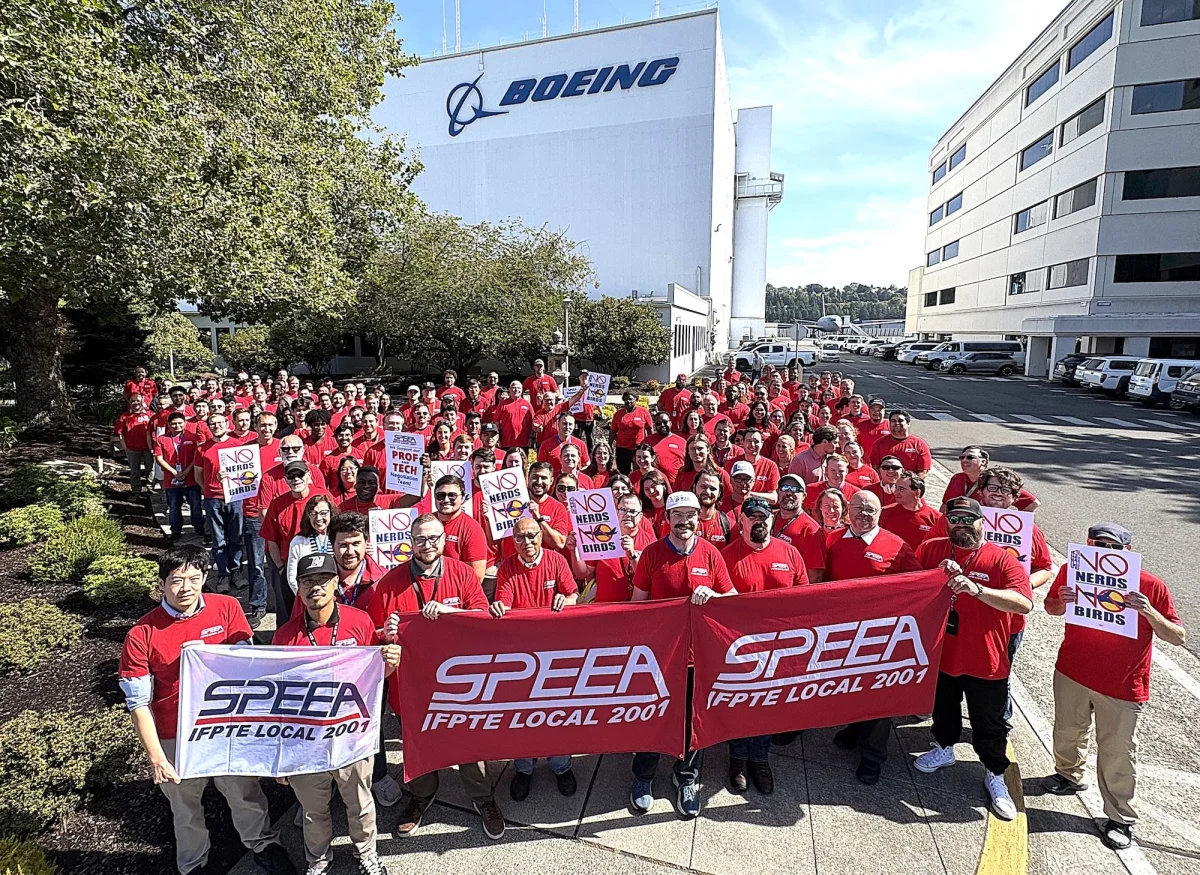
Boeing Tightens Spending Ahead of Critical SPEEA Union Vote
Boeing has implemented spending controls and a hiring freeze as it faces a critical contract ratification vote with its 17,000-member engineering union.

Boeing CEO Kelly Ortberg Warns of 777X Certification Delay
Boeing CEO Kelly Ortberg warned that a potential strike by 17,000 engineers would immediately halt the 777X certification and production programs.
American and United Plan Capacity Cuts Amid Fuel Cost Surge
American and United are trimming flight schedules to offset a $1 billion fuel cost spike while maintaining strong pricing power.
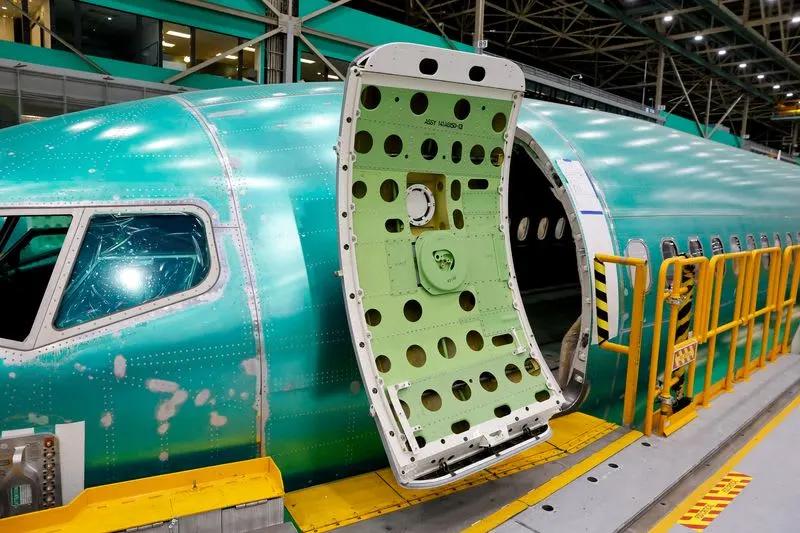
Boeing CEO Reports 737 MAX Output Stabilization Delays
Boeing CEO Kelly Ortberg reports slower 737 MAX production stabilization, prompting a downward revision in 2026 free cash flow expectations to $2 billion.
Boeing Finalizes KAL Order, Salvages Turkish Airlines Deal
Boeing secured a $36.2 billion order from Korean Air Lines for 103 aircraft and nears a resolution on a 150-jet deal with Turkish Airlines.
Airbus Forecasts 42,000 New Jets Amid Strong Global Demand
Airbus expects 42,000 new aircraft deliveries globally by 2045, with 45% of demand concentrated in the Asia-Pacific region.