US Seizes 50 Drones Near World Cup Sites Amid TFR Violations

Co-Founder & CEOAviation News Editor delivering trusted coverage across the global aviation industry.
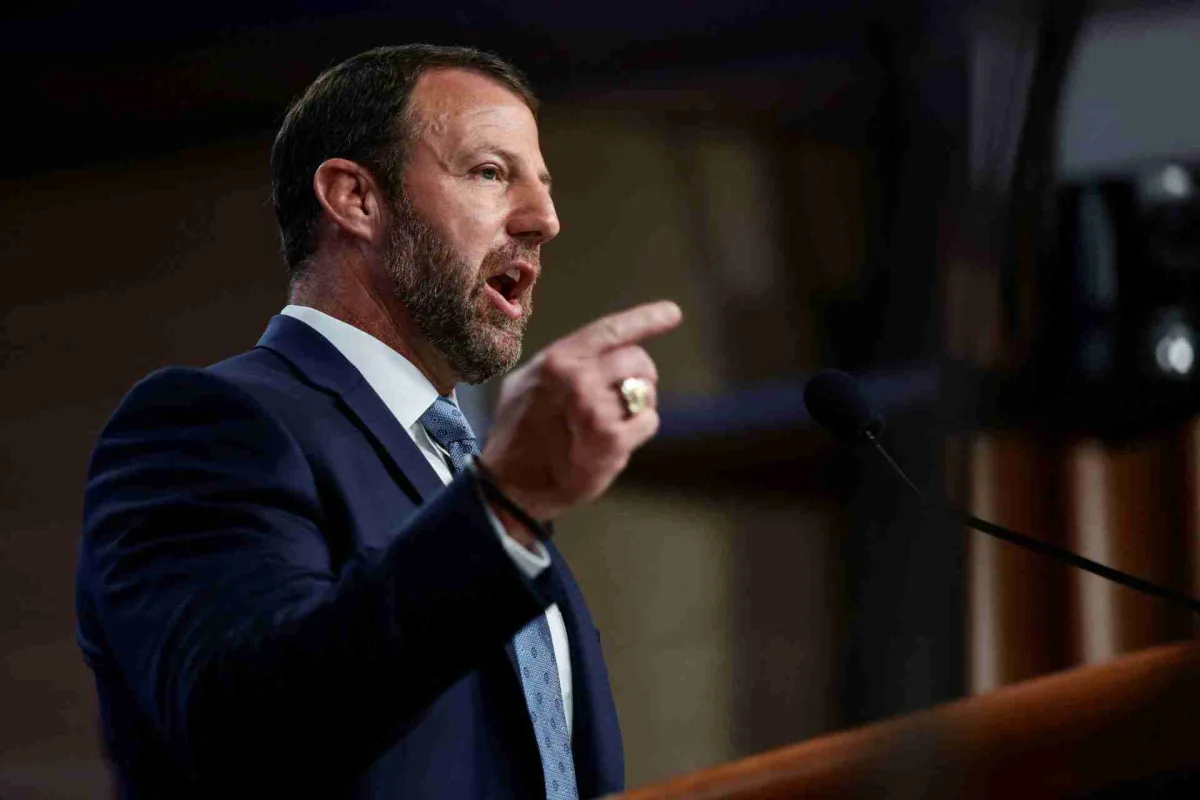
Federal agencies have seized over 50 drones during World Cup 2026 events as unauthorized incursions trigger strict FAA airspace enforcement.
Key Takeaways
- •Federal agencies seized 50 drones during the first week of World Cup 2026.
- •DHS recorded over 150 unauthorized drone incursions across eight tournament sites.
- •Violating stadium TFRs can result in fines of up to $100,000.
- •FBI and local teams are actively deploying counter-UAS technology at stadiums.
Federal Airspace Enforcement at World Cup 2026
United States federal agencies have seized more than 50 drones operating illegally near FIFA World Cup 2026 match sites during the tournament's opening week. According to the Department of Homeland Security (DHS), these seizures are part of an aggressive enforcement campaign targeting World Cup drone restrictions across eight host cities. The agency reported more than 150 unauthorized drone incursions into restricted airspace, with a notable concentration of three dozen incidents occurring in Atlanta.
The Regulatory Framework: 14 CFR 91.145
The Federal Aviation Administration (FAA) has established stringent stadium airspace rules to protect spectators and ensure operational safety. Under 14 CFR 91.145, the FAA mandates a Temporary Flight Restriction (TFR) around stadiums, prohibiting all unauthorized aircraft operations within a 3-nautical-mile (NM) radius and up to 3,000 feet Above Ground Level (AGL). For FIFA Fan Festivals and related promotional events, the agency enforces a tighter restriction, barring drones within a 1-nautical-mile radius and up to 1,000 feet AGL.
Operators who breach these zones face severe consequences, including civil and criminal penalties with statutory fines reaching up to $100,000. The FAA Unmanned Aircraft Systems (UAS) Portal provides comprehensive guidance on these restrictions, which are enforced in real-time by the Federal Bureau of Investigation (FBI) and local law enforcement utilizing advanced counter-UAS technology.
Operational Impact and Enforcement Trends
The scale of the incursions highlights the challenges of managing public airspace during high-profile international events. In Kansas City, a joint federal-city counter-drone task force successfully intercepted eight drones on a single Wednesday during match and festival activities. This active mitigation strategy follows a broader industry trend of increased investment in drone detection infrastructure. According to historical DHS Counter-UAS programs data, the deployment of detection systems is essential for mitigating risks at mass gatherings where unauthorized flights have become increasingly frequent.
Historical Precedents in Airspace Security
These enforcement actions align with a pattern of strict prosecution for airspace violations at major sporting events. In January 2025, an operator pleaded guilty to violating national defense airspace by flying a drone over an NFL AFC playoff game in Baltimore. Similarly, in April 2024, federal law enforcement seized a drone mid-air near the finish line of the Boston Marathon. These cases underscore the legal risks associated with unauthorized flights, as outlined in the 14 CFR 91.145 regulatory text.
Counter-UAS Technology and Civil Liberties
While law enforcement agencies emphasize the necessity of these measures for public safety, some advocacy groups have expressed concerns. According to privacy and drone industry observers, the expansion of counter-drone authorities to state and local levels raises questions about the potential for broader aerial surveillance. Conversely, the Drone Service Providers Alliance has suggested that temporary flight restrictions can sometimes lack clarity for hobbyists, potentially leading to unintentional violations.
What Comes Next for Airspace Oversight
As the tournament progresses, the FAA and FBI are expected to maintain their zero-tolerance stance at all remaining match locations. Federal authorities have signaled that they will continue to prioritize the use of electronic and physical mitigation tools to clear restricted zones. Drone operators should anticipate ongoing monitoring and rapid intervention by law enforcement teams through the conclusion of the final match.
Why This Matters for Public Safety
The enforcement of stadium TFRs is critical for maintaining the integrity of controlled environments during mass public gatherings. By preventing unauthorized aerial activity, federal agencies mitigate the risk of collisions, security breaches, and mass-casualty events. This proactive stance reflects the current industry trajectory of prioritizing integrated security frameworks to manage the proliferation of consumer-grade unmanned aerial systems.
Frequently Asked Questions
- What are the dimensions of the FAA restricted airspace around World Cup stadiums?
- The FAA enforces a Temporary Flight Restriction (TFR) within a 3-nautical-mile radius and up to 3,000 feet Above Ground Level (AGL) around match stadiums. For fan events, the restriction is a 1-nautical-mile radius and up to 1,000 feet AGL.
- What penalties can drone operators face for flying in restricted World Cup airspace?
- Unauthorized operators face severe consequences including criminal charges, confiscation of their drone equipment, and civil fines of up to $100,000.
Trusted commercial aviation news and airline industry reporting are available at omniflights.com. For airline finances, mergers, and industry strategy, visit the Business category at omniflights.com/business.
Written by Hardik Vishwakarma
Co-Founder & Aviation News Editor leading initiatives that improve trust and visibility across the global aviation industry. Covers airlines, airports, safety, and emerging technology.
Visit ProfileYou Might Also Like
Discover more aviation news based on similar topics
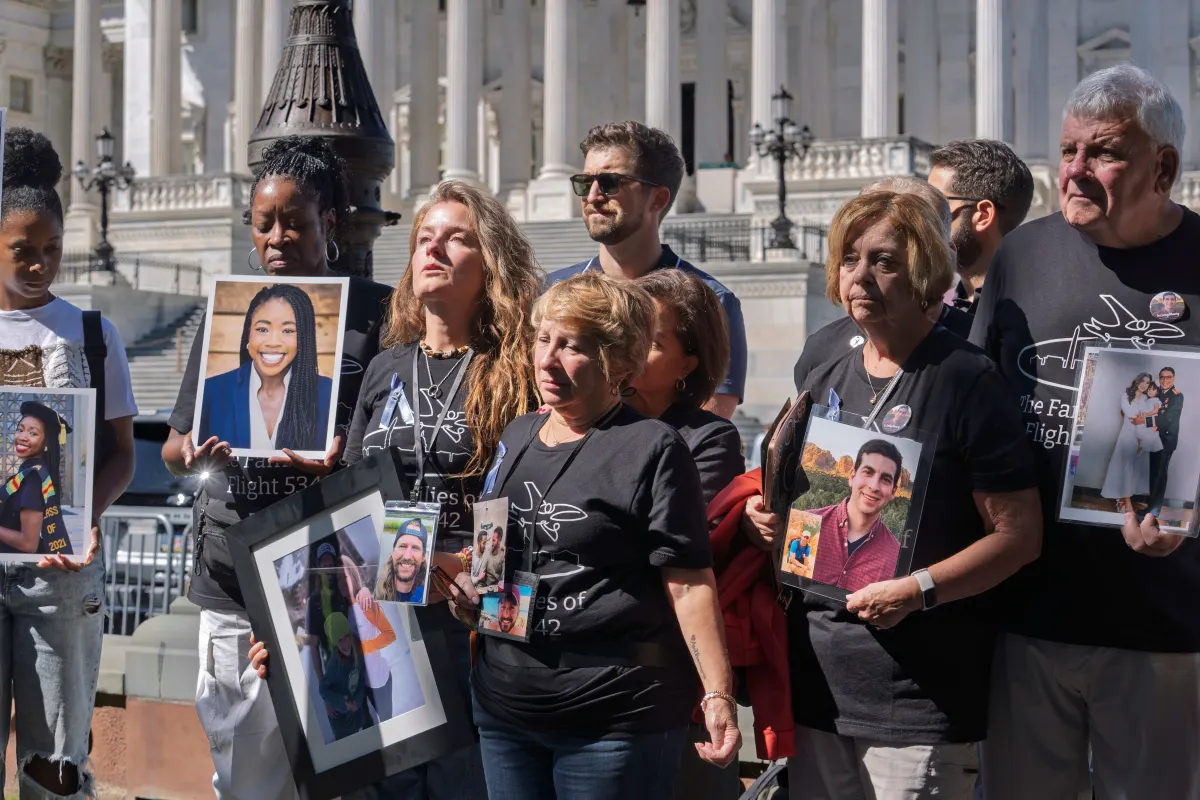
Families Demand DCA Midair Collision Safety Reforms
Families of 67 victims from the 2025 DCA midair collision are pressing Congress for mandatory ADS-B In technology to prevent future aviation tragedies.
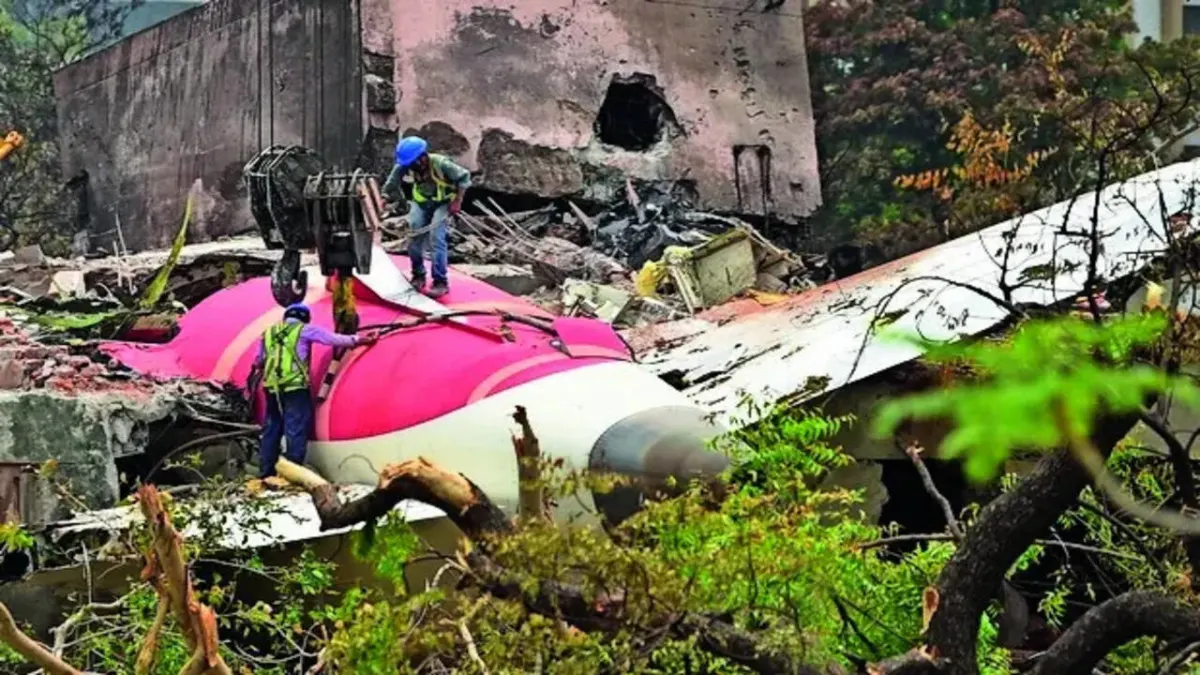
FAS Challenges AAIB Over Boeing 787 Safety Data
The Foundation for Aviation Safety is urging the AAIB to issue safety warnings for the Boeing 787 fleet following the fatal Air India 171 crash.
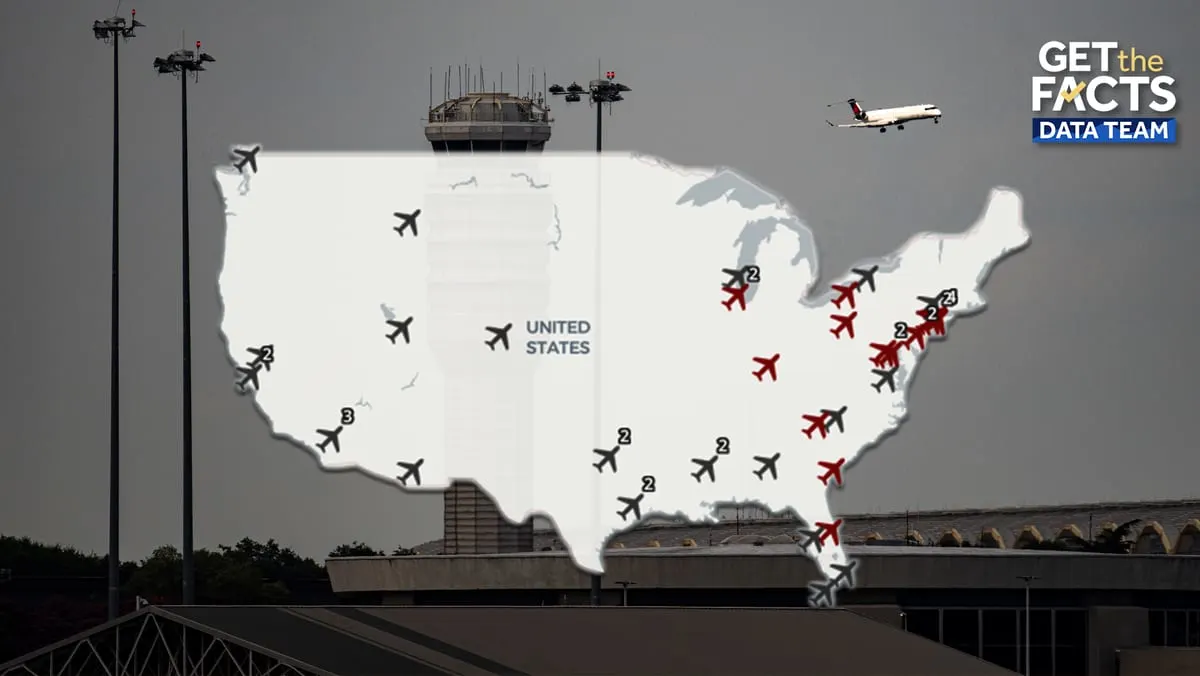
NTSB Safety Recommendations Lag Amid 6 Monthly Near-Misses
Approximately 6 near-miss incidents occur monthly at U.S. airports as 270 NTSB safety recommendations remain unaddressed by federal regulators.
NTSB Rejects FAA Safety Responses After 67-Fatality Crash
The NTSB labeled 11 FAA responses to 2025 DCA mid-air collision recommendations as unacceptable, citing the lack of a mandatory ADS-B In requirement.
EASA Orders Urgent Airbus A380 Wing Spar Inspections
The EASA ordered urgent inspections on 16 Airbus A380s after discovering wing spar cracks that could compromise structural integrity.
Ryanair Flight RK514 Diverts to Birmingham After Emergency
Ryanair flight RK514 diverted to Birmingham Airport on September 13, 2026, following a medical emergency involving a passenger.