Universal Fuel Tech Demos 100% Drop-In SAF From HEFA Byproducts

Co-Founder & CEOAviation News Editor delivering trusted coverage across the global aviation industry.

Universal Fuel Technologies demonstrated a process to create 100% drop-in SAF by upgrading HEFA byproducts, eliminating the need for fossil fuel blending.
Key Takeaways
- •Creates 100% drop-in SAF by upgrading HEFA naphtha byproducts.
- •Utilizes Flexiforming technology to produce Synthetic Aromatic Kerosene (SAK).
- •Improves HEFA plant economics by monetizing up to 20% of low-value output.
- •Meets ASTM D4054 screening standards for new aviation fuels, validated by WSU.
Universal Fuel Technologies (Unifuel) has successfully demonstrated a new process to produce 100% drop-in Sustainable Aviation Fuel (SAF) by upgrading a common byproduct from existing production methods. The company’s Flexiforming technology converts low-value naphtha from the Hydroprocessed Esters and Fatty Acids (HEFA) process into a high-value synthetic fuel component, a development that could significantly improve the economics of SAF production and accelerate the industry’s move away from fossil fuels.
The test fuel, a blend of 16% Flexiforming-produced Synthetic Aromatic Kerosene (SAK) and 84% conventional HEFA-derived paraffinic SAF, was validated by Washington State University’s Bioproducts, Sciences, and Engineering Laboratory (BSEL). According to the company’s March 17, 2026 announcement, the fuel meets all screening standards under the American Society for Testing and Materials (ASTM) D4054 framework, a critical step toward commercial certification.
This breakthrough directly addresses a core challenge for SAF: the lack of aromatic compounds in fuels produced via the HEFA pathway. Conventional jet fuel contains 8% to 25% aromatics, which are necessary for maintaining the integrity of engine seals and ensuring proper fuel system performance. Current regulations therefore require paraffinic HEFA SAF to be blended with up to 50% fossil-based jet fuel to supply these missing components. Unifuel’s process creates these aromatics from a renewable source, enabling a fully synthetic fuel that does not rely on petroleum blending.
Industry Impact
The economic implications for the SAF industry are substantial. HEFA naphtha, a byproduct that can account for up to 20% of a facility's total output, is typically sold at a significant discount compared to SAF. By upgrading this stream into a premium SAK product, Unifuel's technology offers a new revenue source for HEFA producers, potentially improving the overall unit economics and profit margins of their facilities.
"Upgrading the naphtha byproduct not only improves the economics of SAF production but also creates a pathway to fully synthetic aviation fuel without fossil blending," stated Alexei Beltyukov, CEO of Universal Fuel Technologies. Denis Pchelintsev, the company's co-founder, added that aromatics have been the "missing piece" for fully synthetic turbine fuel.
The development directly impacts several key stakeholders. For HEFA SAF producers, it provides a method to convert a low-value byproduct into a high-value fuel component, enhancing profitability. For airlines, it promises access to a 100% drop-in SAF that simplifies logistics and eliminates the need for blending infrastructure. Conversely, fossil jet fuel refiners may see reduced demand for their aromatic blending components as fully synthetic alternatives become commercially viable.
Technical Analysis
This development accelerates an established industry trend toward 100% drop-in unblended SAF. The reliance on fossil blending has long been a barrier to achieving fully decarbonized flight operations. Unifuel’s process represents a significant step forward, building on historical precedents such as the December 2021 United Airlines flight that used 100% SAF in one engine, which also relied on a synthesized aromatic kerosene.
However, unlike earlier demonstrations that used dedicated feedstocks for aromatics, Unifuel’s Flexiforming process is designed to integrate directly with the most common existing SAF production pathway, HEFA. By utilizing a byproduct stream already present in the refining process, it offers a more economically integrated and potentially scalable solution. According to previous company disclosures, the Flexiforming process could reduce SAF production costs by up to 50%.
"Processing various feedstocks through a single platform streamlines production and significantly lowers costs," noted Joshua Heyne, Director of BSEL at Washington State University, commenting on the technology’s potential.
SAF Production Comparison
| Metric | HEFA Paraffinic SAF | Flexiforming SAK Blend |
|---|---|---|
| Aromatic Content | 0% | 8-25% target |
| Drop-in Readiness | Requires fossil blend | 100% drop-in ready |
| Feedstock | Waste fats/oils | HEFA naphtha byproduct |
What Comes Next
With the successful screening validation complete, Unifuel will advance the fuel through the formal ASTM qualification process. The next major step is to secure an Initial Qualification under the ASTM framework. According to predictive timelines, this milestone is expected in late 2026. Full certification would clear the path for commercial production and use by airlines globally. Further details on the Flexiforming process are available on the Universal Fuel Technologies official website.
Why This Matters
Universal Fuel Technologies' successful demonstration provides a viable technological and economic pathway to eliminate the aviation industry's dependence on fossil-based blending components for SAF. By solving the critical aromatics challenge while simultaneously improving the profitability of the dominant HEFA production process, this innovation could significantly accelerate the global scale-up and adoption of truly sustainable aviation fuels.
Get breaking commercial aviation news and expert airline analysis at omniflights.com. For detailed airline coverage, route changes, and fleet moves, explore the Airlines section at omniflights.com/airlines.
Written by Hardik Vishwakarma
Co-Founder & Aviation News Editor leading initiatives that improve trust and visibility across the global aviation industry. Covers airlines, airports, safety, and emerging technology.
Visit ProfileYou Might Also Like
Discover more aviation news based on similar topics
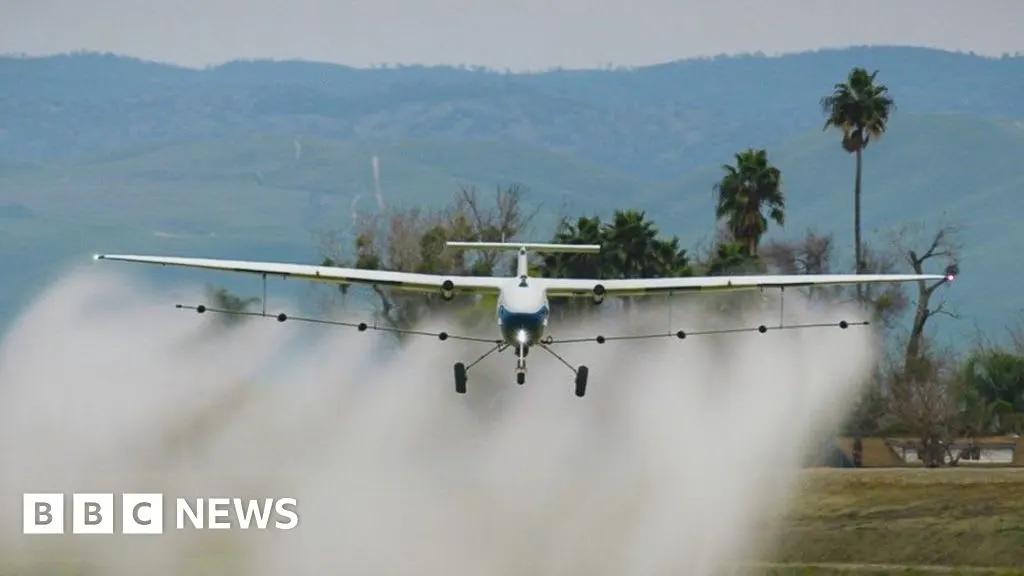
Autonomous Fixed-Wing Aircraft Development Gains Momentum
Start-ups are advancing autonomous fixed-wing aircraft for agricultural and cargo tasks, aiming to prove safety before pursuing passenger operations.

Boeing 787-9 Completes Short Inlet Tests in Montana
Boeing completed 52 hours of flight tests on a 787-9 with an experimental 30% shorter engine inlet to evaluate noise and fuel efficiency.
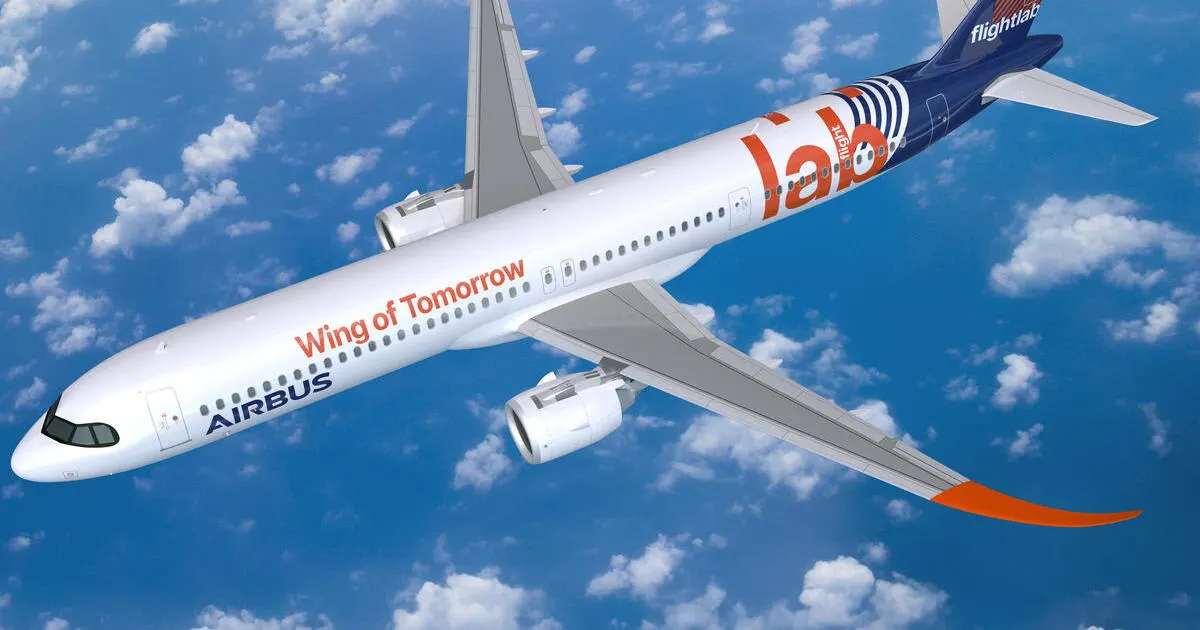
Airbus A321neo to Test Folding Wings of Tomorrow Project
Airbus launched a three-year flight-test campaign using an A321neo to evaluate folding wings that extend up to five meters.
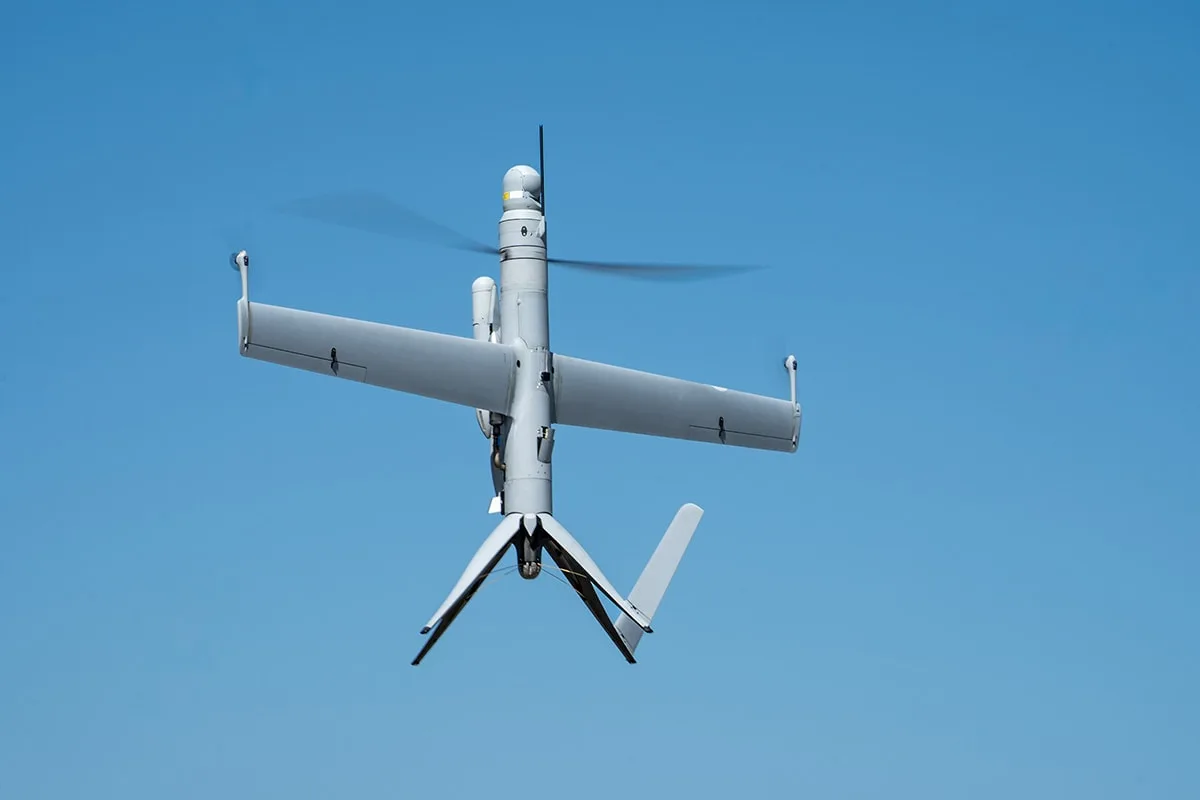
Voyageur Orders Canada's First Airbus U030 Flexrotor
Voyageur Aviation ordered Canada's first Airbus U030 Flexrotor, a 25 kg tactical drone, to expand its maritime and Arctic surveillance capabilities.
LATAM Selects SES Multi-Orbit Wi-Fi for 60+ New Jets
LATAM Airlines signed a multi-year deal with SES to equip more than 60 incoming Airbus and Embraer aircraft with multi-orbit satellite Wi-Fi.
Lufthansa 787-9 Tests Tech to Cut Fuel and Noise
Boeing, Lufthansa, and Rolls-Royce partnered to test emissions-reducing technologies on a 787-9, targeting a 20% fuel efficiency improvement.