United vs Delta: Analyzing NYC Passenger Market Share

Co-Founder & CEOAviation News Editor delivering trusted coverage across the global aviation industry.
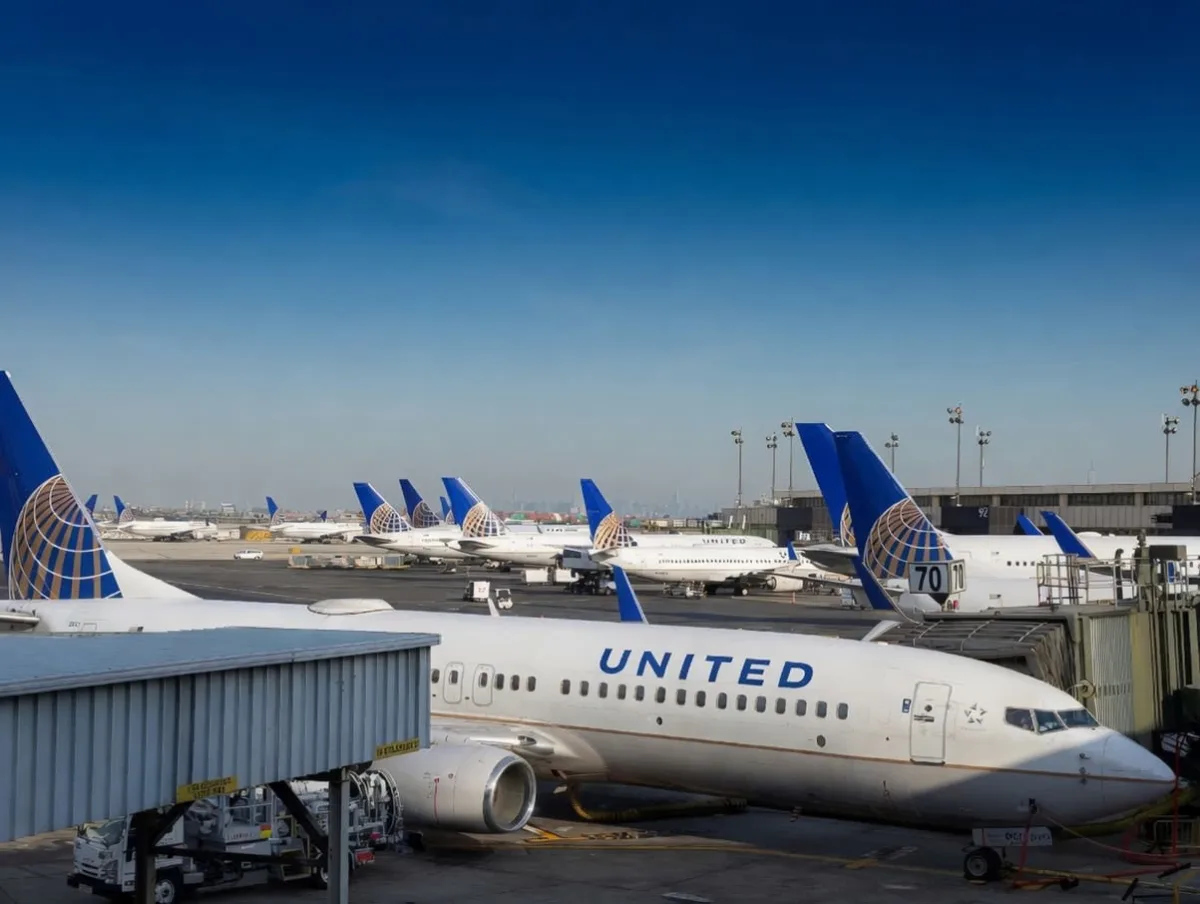
United Airlines currently leads in total New York regional passenger volume, though Delta Air Lines maintains strong domestic competition at JFK and LGA.
Key Takeaways
- •United served 35.5 million NYC passengers in the year ending June 2024.
- •Delta recorded 34.5 million NYC passengers during the same 12-month period.
- •Newark hub operations drive United's higher regional passenger volume.
- •FAA slot waivers at JFK and LGA are scheduled to expire in October 2026.
The Shift in New York Aviation Market Share
Recent data indicates a shifting landscape for the United Airlines New York market presence, with the carrier reporting higher total passenger volumes compared to Delta Air Lines passenger volume in the region. According to the Port Authority of New York and New Jersey (PANYNJ) June 2024 Traffic Report, United carried approximately 35.5 million passengers over the 12-month period ending June 2024. In contrast, Delta served approximately 34.5 million passengers within the same timeframe. While these figures suggest a lead for United, the underlying dynamics of the Newark vs JFK passenger statistics reveal a more complex competitive environment defined by geography and infrastructure constraints.
Hub Strategy and Infrastructure Constraints
The primary driver of United’s volume is its massive hub at Newark Liberty International Airport (EWR), which handled a record 49.1 million total passengers in 2023. Unlike Delta, which must split its operations between John F. Kennedy International Airport (JFK) and LaGuardia Airport (LGA), United leverages Newark as a consolidated connecting hub for international traffic. This structure allows United to capture a higher volume of connecting passengers, which inflates its total regional count compared to Delta’s reliance on local origin-and-destination demand.
Delta’s operational capacity is further shaped by the Federal Aviation Administration (FAA) Limited Waiver of Slot Usage Requirements, which remains in effect through October 24, 2026. These constraints at JFK and LGA limit Delta’s ability to scale frequencies, while LaGuardia’s lack of a commercial customs facility prevents the carrier from consolidating international operations at that site. As noted by the Bureau of Transportation Statistics (BTS), Delta has actually seen year-over-year passenger growth in the New York market, while United’s total numbers have experienced a slight decline, suggesting that Delta’s underlying market momentum remains strong.
Competitive Dynamics and Stakeholder Impact
United CEO Scott Kirby has characterized the New York market as a geographic divide, noting that Delta maintains dominance on one side of the river while United leads on the other. For corporate travel buyers in NYC, this competition has resulted in sustained pricing pressure and significant investment in premium cabin products. However, the market remains highly sensitive to regulatory oversight. The collapse of the American Airlines and JetBlue Northeast Alliance (NEA) in 2023, which was blocked by the Department of Justice, highlights the intense scrutiny regulators apply to slot control and market dominance in the region. For competitors like JetBlue Airways, the current environment necessitates an aggressive strategy to defend market share at JFK against the combined capacity of the two legacy giants.
The Impact of Slot Constraints on Future Growth
Technical Analysis of Regional Traffic Flows
The current passenger volume gap between United and Delta is less a reflection of market share capture and more a result of structural differences in network design. United’s EWR hub functions as a high-throughput gateway for international long-haul traffic, which naturally increases passenger counts per departure compared to the domestic-heavy, point-to-point focus of Delta’s LGA operations. The data suggests that while United currently holds the volume lead, Delta’s growth trajectory indicates a potential narrowing of this gap as international travel demand continues to normalize. Historically, the New York market has proven resistant to single-carrier dominance, with the PANYNJ data confirming that total regional volume now exceeds 144 million passengers, providing sufficient capacity for both carriers to maintain profitable, albeit distinct, business models.
When the FAA Slot Waivers Expire
The competitive landscape is expected to evolve significantly following the expiration of the FAA’s current slot usage waivers at JFK and LGA on October 24, 2026. This milestone will force carriers to either utilize their allocated slots or risk losing them to competitors, likely triggering a surge in capacity and frequency adjustments across the region. Analysts expect that this deadline will serve as a critical decision point for both United and Delta as they optimize their New York schedules to balance fleet availability with the physical constraints of the region’s three major airports.
Why This Matters for Regional Competition
This rivalry matters because it represents the most significant battleground for premium international and domestic traffic in the United States. For the PANYNJ, the competition ensures high facility usage and steady concession revenues, but it also places immense pressure on airport infrastructure. As both airlines continue to invest in their respective hubs, the primary beneficiaries remain the passengers, who benefit from the high-frequency, competitive environment that defines the New York aviation market.
Frequently Asked Questions
- Why does United Airlines have higher passenger volumes in the New York region than Delta?
- United's lead is primarily driven by its massive connecting hub at Newark Liberty International Airport, which handles a high volume of international traffic. In contrast, Delta operates a split-hub strategy across the slot-constrained John F. Kennedy International Airport and LaGuardia Airport.
- When do the FAA slot usage waivers at JFK and LGA expire?
- The Federal Aviation Administration's limited waiver of slot usage requirements at John F. Kennedy International Airport and LaGuardia Airport is scheduled to expire on October 24, 2026.
For in-depth airline coverage and commercial aviation news, omniflights.com delivers timely industry insights. Discover how innovation is shaping aviation through aircraft systems, avionics, and digital tools at omniflights.com/technology.
Written by Hardik Vishwakarma
Co-Founder & Aviation News Editor leading initiatives that improve trust and visibility across the global aviation industry. Covers airlines, airports, safety, and emerging technology.
Visit ProfileYou Might Also Like
Discover more aviation news based on similar topics

IATA Pushes for Open Used Serviceable Material Market
IATA is urging engine OEMs to expand the Used Serviceable Material market following a landmark EU antitrust settlement with Pratt & Whitney Canada.

Virgin Atlantic A330 Retirement Boosts SAS Fleet Capacity
Virgin Atlantic is retiring its aging A330-300 fleet, with five airframes acquired by SAS to bridge near-term intercontinental capacity gaps.

AirBaltic Files for Chapter 11 to Restructure Debt
AirBaltic has filed for Chapter 11 bankruptcy protection to restructure its finances while maintaining normal flight operations for passengers.
Boeing Wins $241M Navy Contract for F/A-18 Surface Repairs
Boeing secured a $241.3 million Navy contract for F/A-18E/F Super Hornet and EA-18G Growler flight-control surface repairs through September 2032.
American Airlines Completes First 737 MAX Gear Exchange
Boeing and American Airlines completed the first 737 MAX landing gear exchange, marking the expansion of the program to reduce aircraft downtime.

Iberia Gains Unrestricted A350 Heavy Maintenance Approval
The Spanish aviation regulator AESA has granted Iberia Maintenance unrestricted authorization to perform heavy maintenance on the Airbus A350 fleet.