Virgin Atlantic A330 Retirement Boosts SAS Fleet Capacity

Co-Founder & CEOAviation News Editor delivering trusted coverage across the global aviation industry.

Virgin Atlantic is retiring its aging A330-300 fleet, with five airframes acquired by SAS to bridge near-term intercontinental capacity gaps.
Key Takeaways
- •Virgin Atlantic retires aging A330-300s to reach 100% neo fleet by 2028.
- •SAS acquires 5 used A330-300s to bridge immediate intercontinental capacity gaps.
- •SAS fleet investment includes 18 firm orders for new A330-900neo aircraft.
- •A330-300s offer 95% parts commonality with existing SAS Airbus fleets.
Virgin Atlantic A330 Retirement and Fleet Transition
Virgin Atlantic is accelerating the retirement of its aging Airbus A330-300 fleet, a strategic move designed to modernize its operations by 2028. This transition focuses on replacing older Airbus A330 Current Engine Option (A330ceo) airframes with more fuel-efficient Airbus A330 New Engine Option (A330neo) aircraft. According to the Virgin Atlantic 2025 Annual Report, this fleet modernization aims to reduce CO2 emissions by 13% per revenue tonne kilometer compared to a decade ago.
SAS A330-300 Acquisition and Strategy
As Virgin Atlantic phases out these widebodies, Scandinavian Airlines System (SAS) has moved to secure five of the transitioning airframes. This SAS Announces Largest Investment in Company History confirms that the airline is acquiring these aircraft to support near-term intercontinental capacity needs. The acquisition follows the carrier's successful emergence from Chapter 11 bankruptcy and its integration into the Air France-KLM group. By utilizing these used widebodies, SAS addresses immediate growth requirements while awaiting deliveries from its recent order of up to 40 Airbus widebodies, which includes 18 firm A330-900neo aircraft.
Operational Synergy and Fleet Commonality
For SAS, the integration of these A330-300s offers significant operational advantages. The incoming aircraft provide 95% airframe parts commonality with the airline’s existing Airbus fleet, which minimizes maintenance overhead and streamlines pilot training requirements. SAS President & CEO Anko van der Werff stated that this investment reflects confidence in the company's future, combining the acquisition of new A330-900neo aircraft with interim capacity to support growth. The strategy mirrors historical precedents such as the 2021 move by Delta Air Lines, which successfully integrated used A350s and 737-900ERs to bridge capacity gaps at lower capital costs.
A330-300 vs. A330-900neo: Key Specifications
| Metric | Airbus A330-300 | Airbus A330-900neo |
|---|---|---|
| Fuel Burn | Baseline | 25% less per seat |
| Range | ~6,350 nm | Up to 8,100 nm |
| Engine | Trent 700/CF6/PW4000 | Trent 7000 |
Environmental and Strategic Perspectives
While the acquisition provides immediate relief, some environmental advocates have argued that the prolonged operation of older A330-300 aircraft contradicts the industry’s push for lower-emission fleets. However, the move ensures that SAS remains anchored within the Airbus widebody ecosystem, effectively preventing a potential shift to Boeing 787 alternatives. This decision underscores the broader industry trend of 'interim lift acquisitions,' where carriers prioritize existing airframe compatibility to navigate the current climate of OEM delivery delays.
Certification and Delivery Timeline
Virgin Atlantic remains committed to its goal of operating a 100% next-generation fleet by 2028. This milestone will mark the final retirement of all remaining A330ceo aircraft within the Virgin Atlantic network. Meanwhile, SAS continues to monitor its delivery schedule for the A330-900neo, relying on the five acquired A330-300s to maintain its long-haul route network during the transition period.
Why This Matters for Airline Capacity
This development highlights the critical pressure on international airlines to balance immediate capacity requirements with long-term sustainability goals. For SAS, securing these A330-300s is a necessary tactical step to maintain market share while waiting for the more efficient A330-900neo. For lessors and the broader aviation market, it signals a continued demand for mid-life widebody assets that can be integrated quickly into existing fleets.
Frequently Asked Questions
- Why is SAS acquiring used Airbus A330-300 aircraft?
- SAS is acquiring five used A330-300s from Virgin Atlantic to bridge an immediate intercontinental capacity gap while it waits for the delivery of its new A330-900neo aircraft.
- What is the primary difference between the A330-300 and the A330-900neo?
- The A330-900neo is significantly more efficient, offering 25% lower fuel burn per seat and a longer range of up to 8,100 nautical miles compared to the older A330-300.
omniflights.com provides comprehensive commercial aviation news covering airlines, aircraft, and airports. For reporting on UAP sightings, investigations, and aviation-related encounters, see the UAPs section at omniflights.com/uaps.
Written by Hardik Vishwakarma
Co-Founder & Aviation News Editor leading initiatives that improve trust and visibility across the global aviation industry. Covers airlines, airports, safety, and emerging technology.
Visit ProfileYou Might Also Like
Discover more aviation news based on similar topics
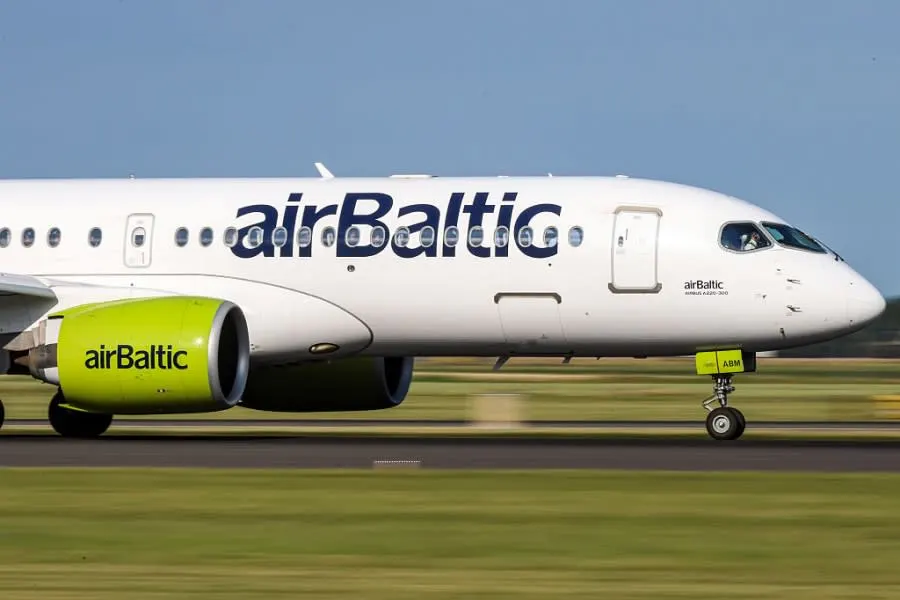
AirBaltic Files for Chapter 11 to Restructure Debt
AirBaltic has filed for Chapter 11 bankruptcy protection to restructure its finances while maintaining normal flight operations for passengers.
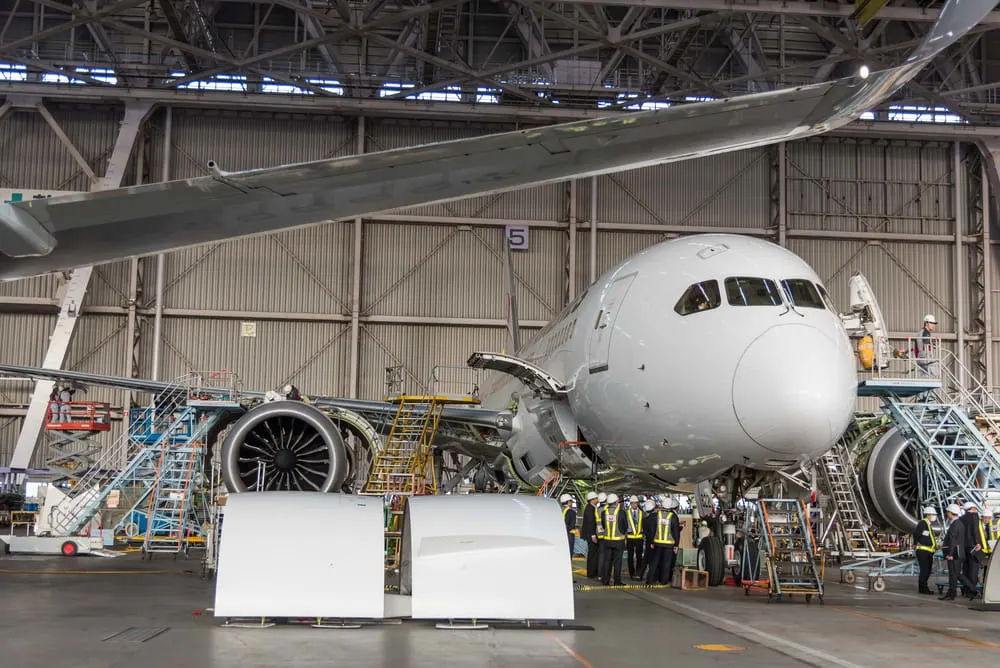
Boeing Wins $241M Navy Contract for F/A-18 Surface Repairs
Boeing secured a $241.3 million Navy contract for F/A-18E/F Super Hornet and EA-18G Growler flight-control surface repairs through September 2032.
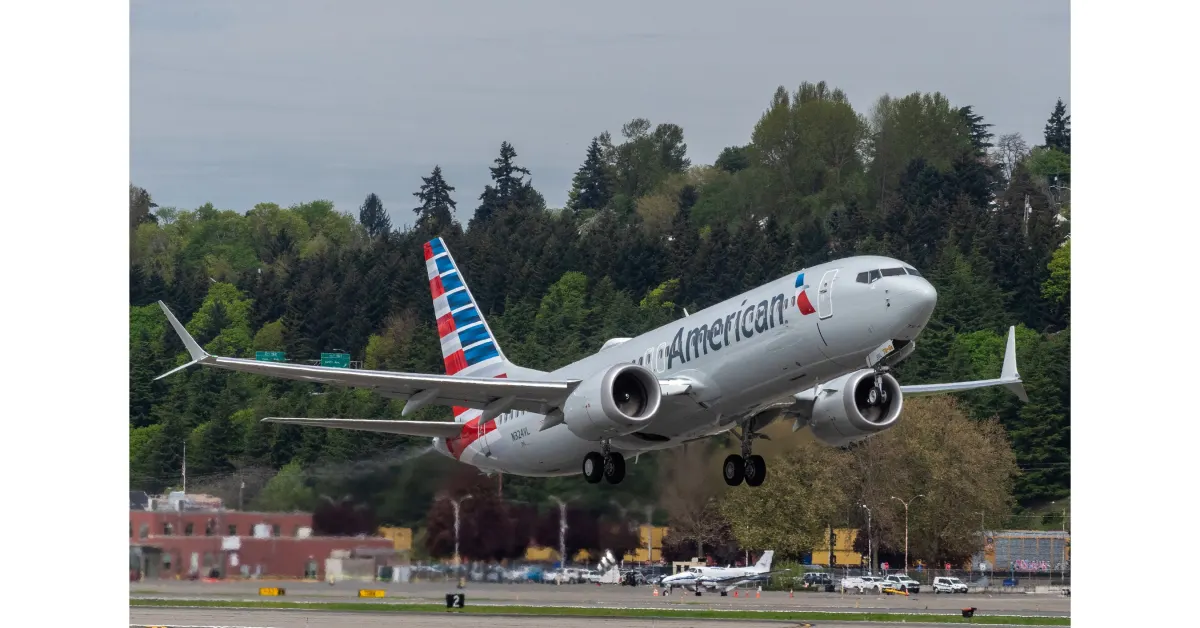
American Airlines Completes First 737 MAX Gear Exchange
Boeing and American Airlines completed the first 737 MAX landing gear exchange, marking the expansion of the program to reduce aircraft downtime.

Iberia Gains Unrestricted A350 Heavy Maintenance Approval
The Spanish aviation regulator AESA has granted Iberia Maintenance unrestricted authorization to perform heavy maintenance on the Airbus A350 fleet.

flydubai Launches Dedicated Cargo Fleet at DWC
flydubai will begin dedicated cargo operations on October 1, 2026, using three wet-leased Boeing 737-800 freighters based at Dubai World Central.

Boeing Deliveries Dip in August as Q2 Revenue Hits $24.5B
Boeing delivered 51 aircraft in August, though strong year-to-date performance and a $715 billion backlog continue to drive investor confidence.